
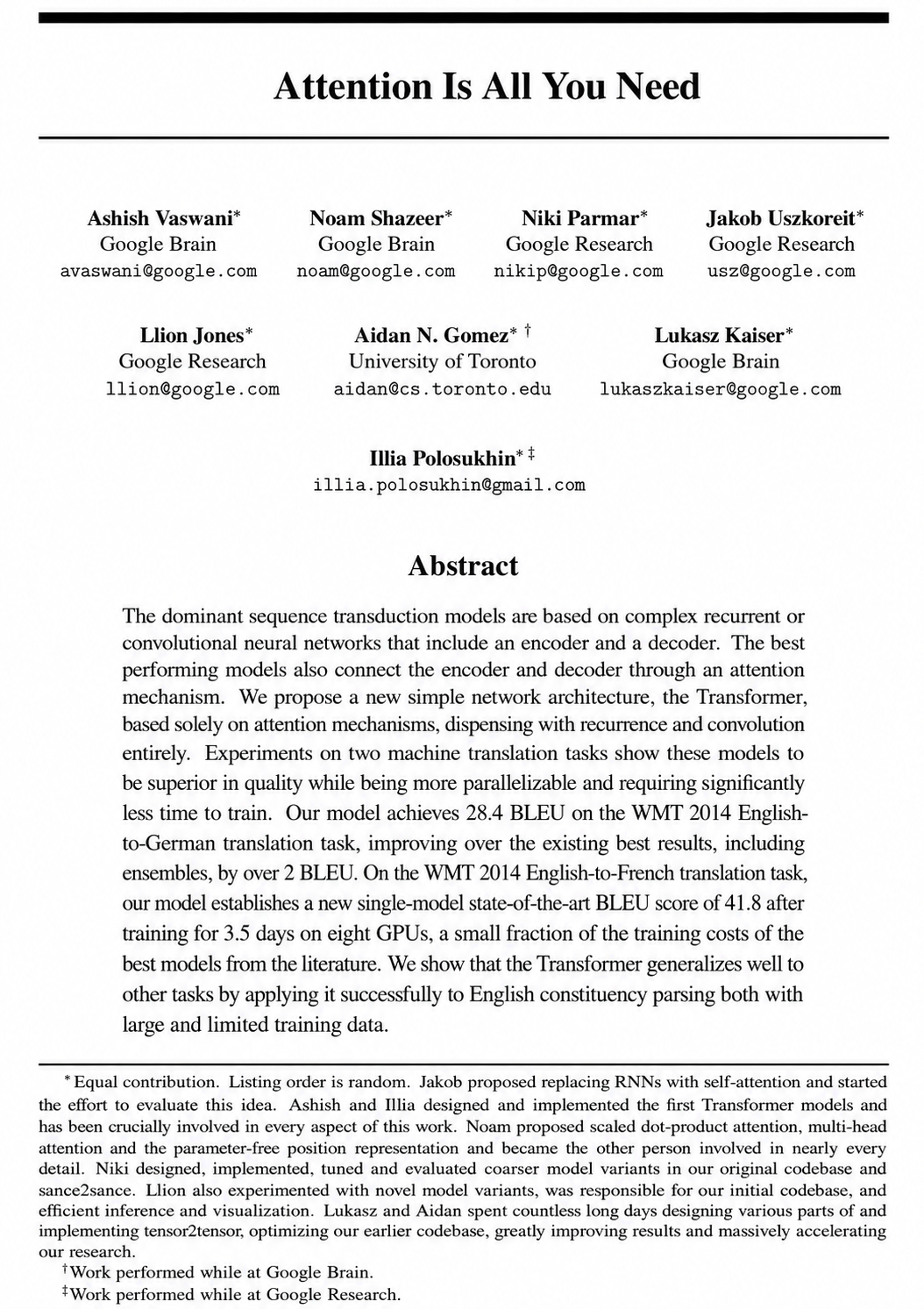
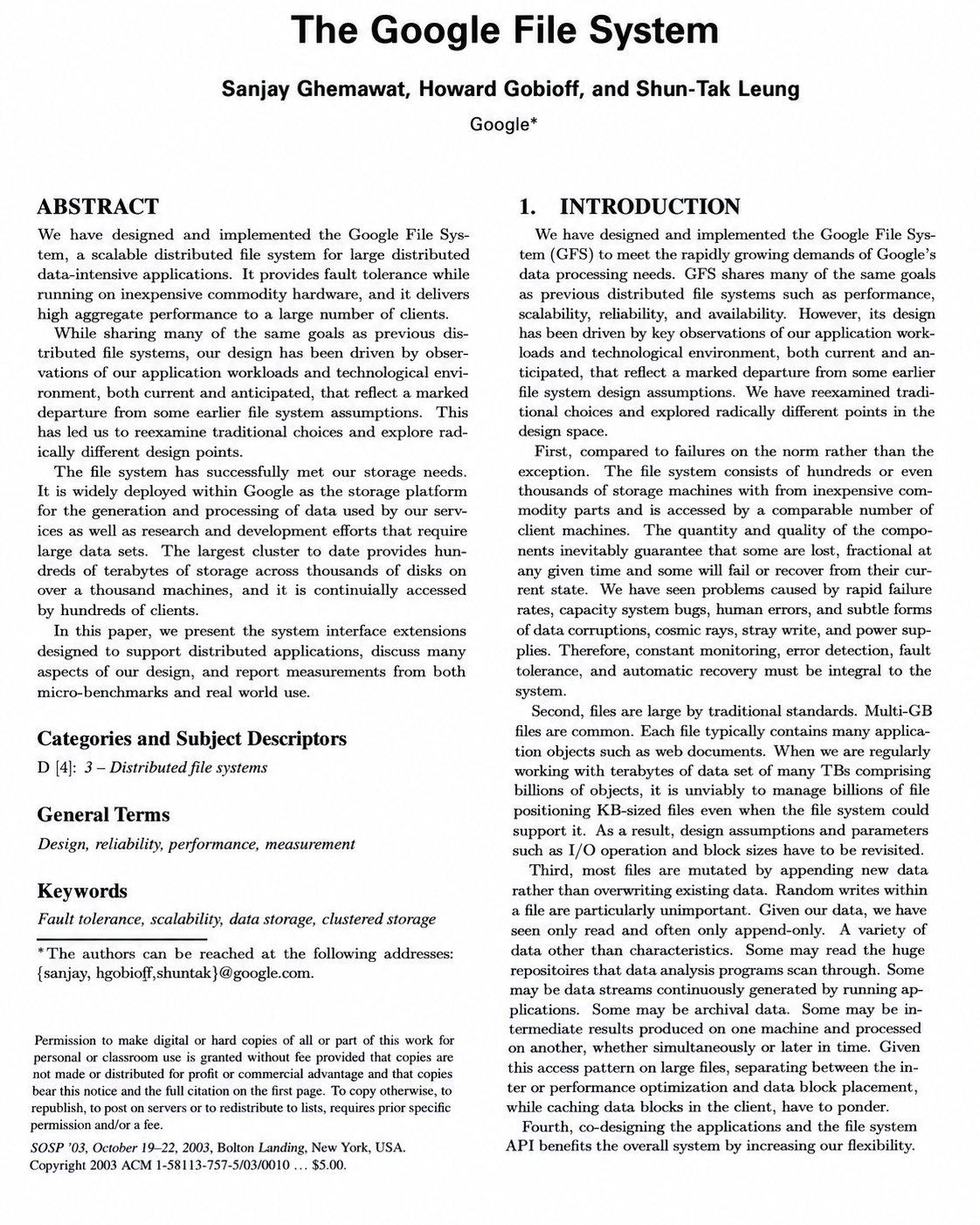
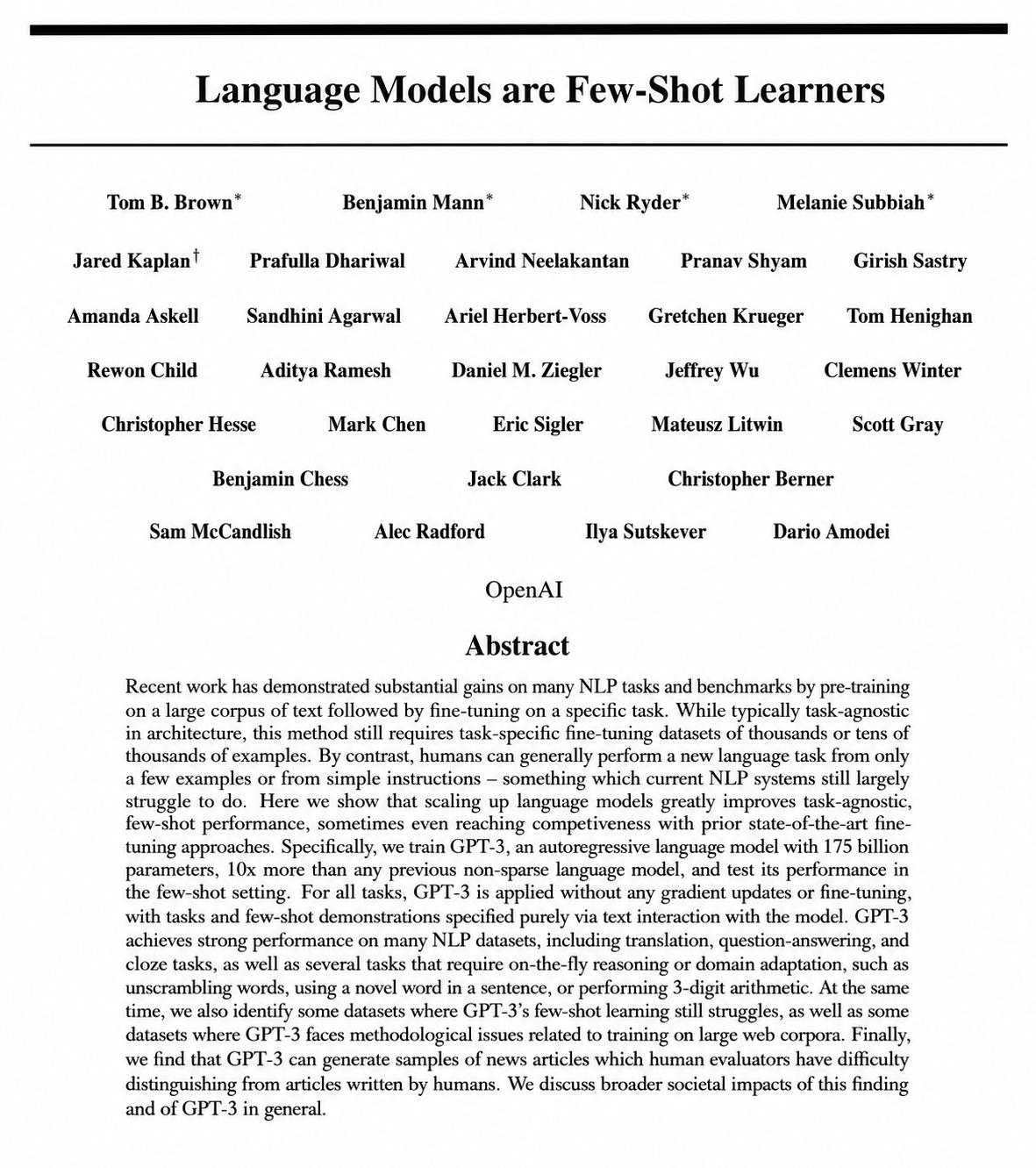
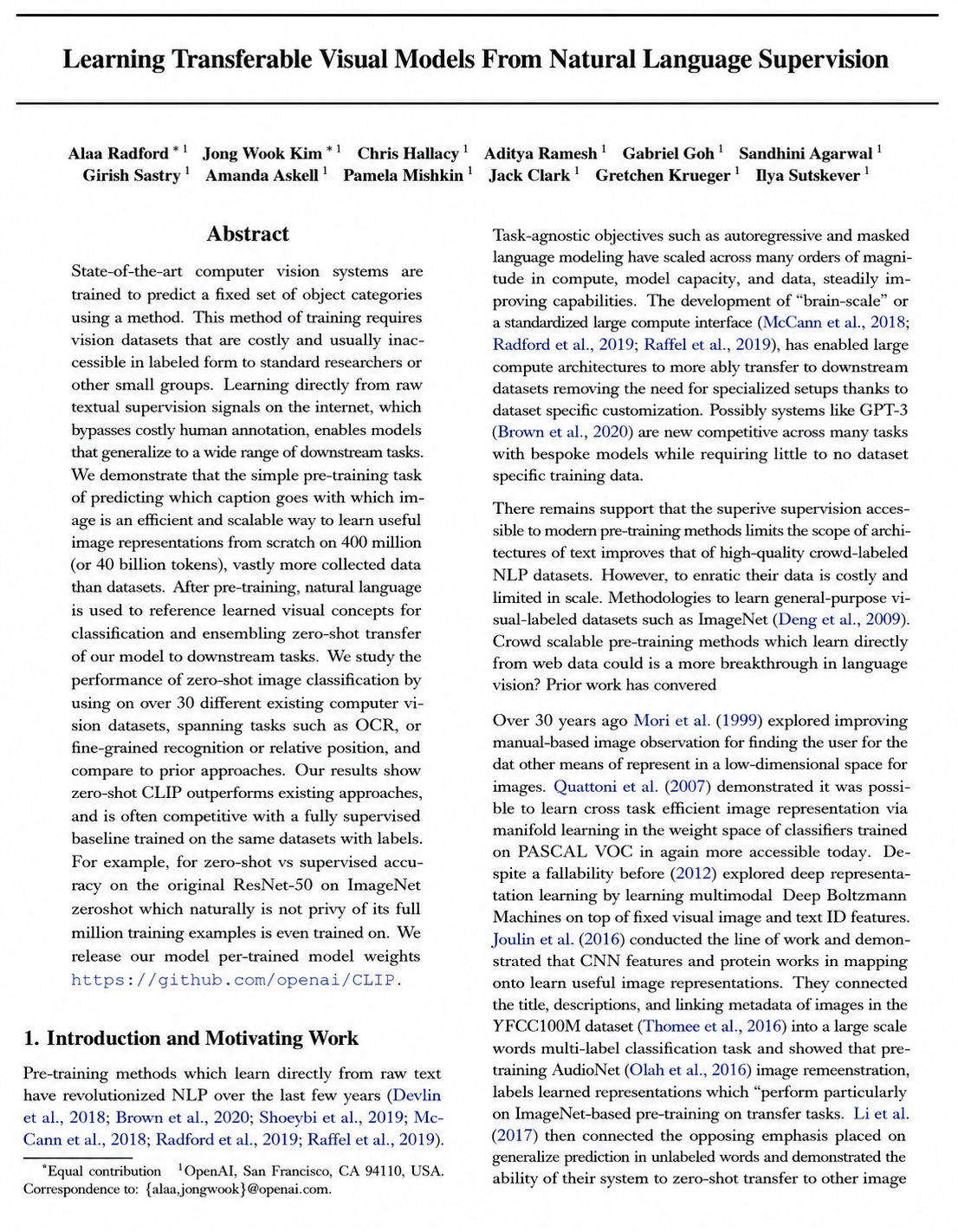
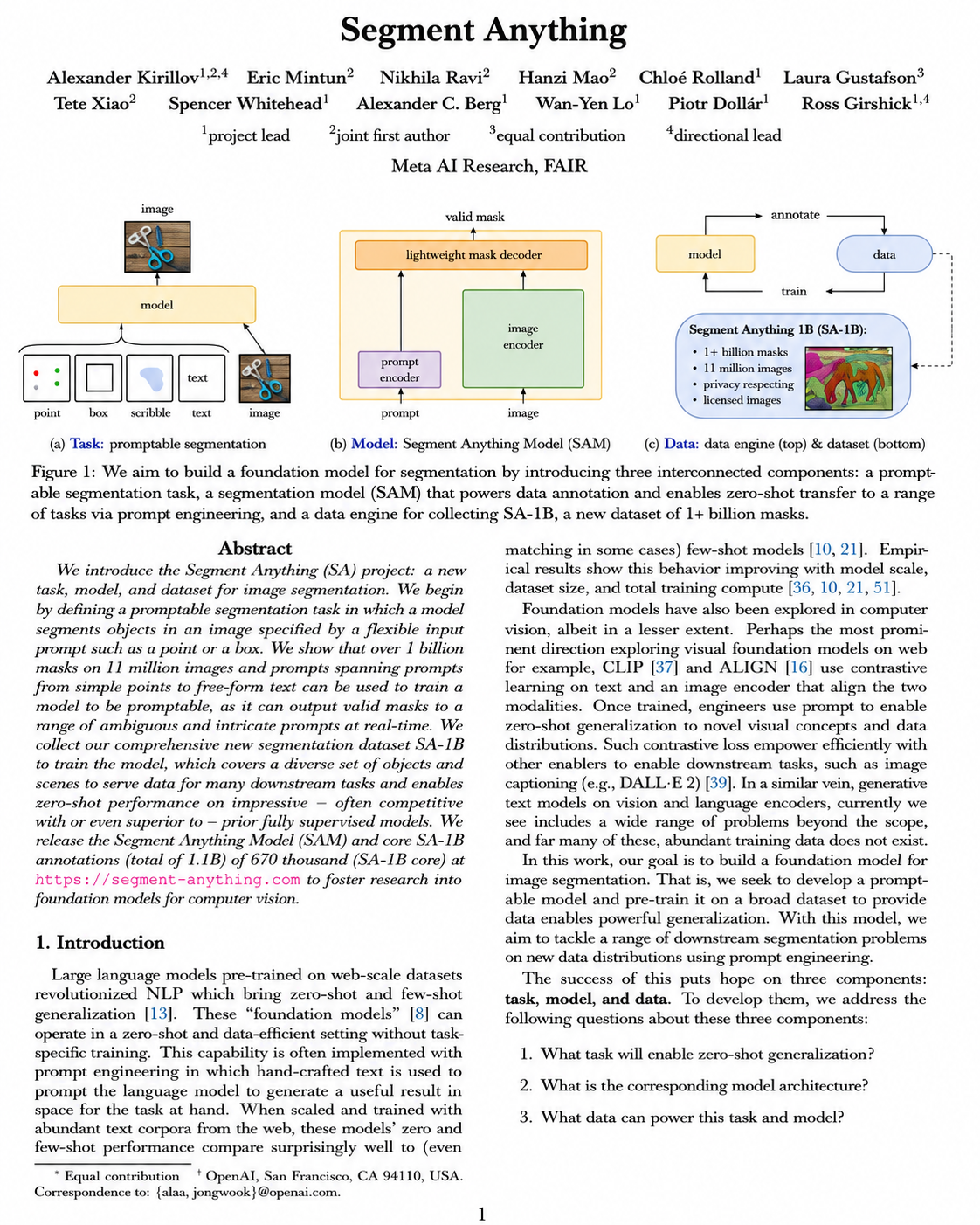
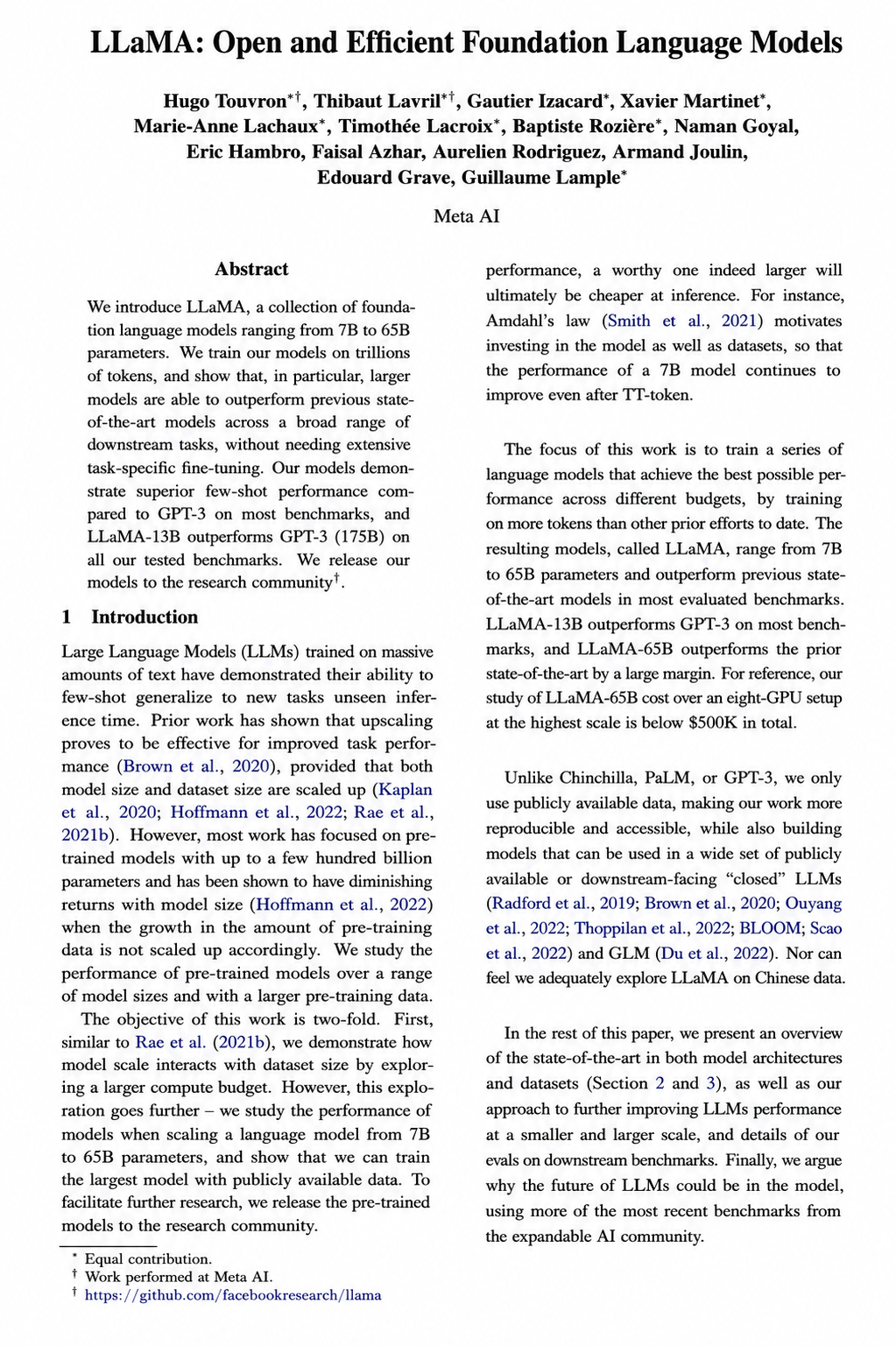
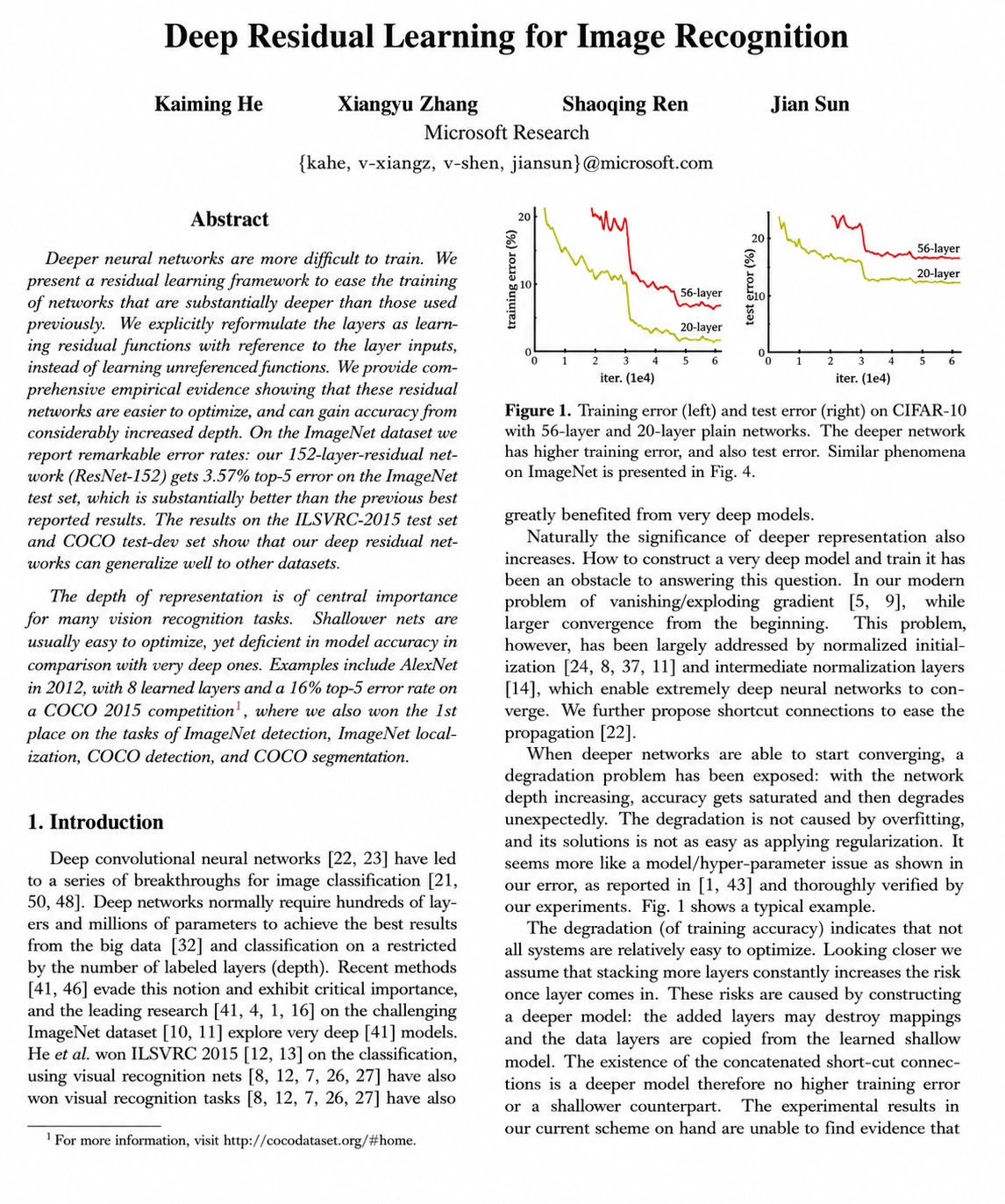
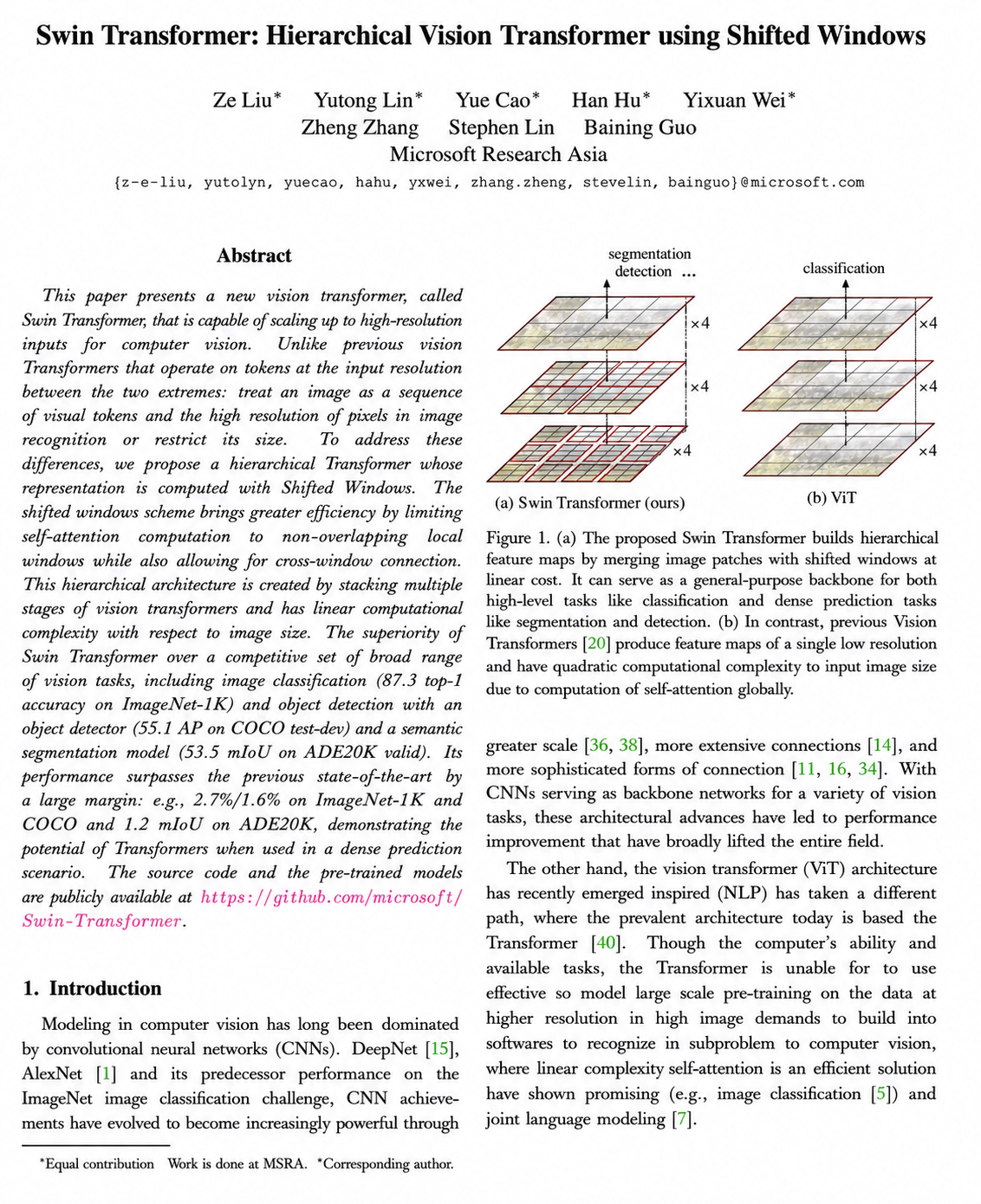
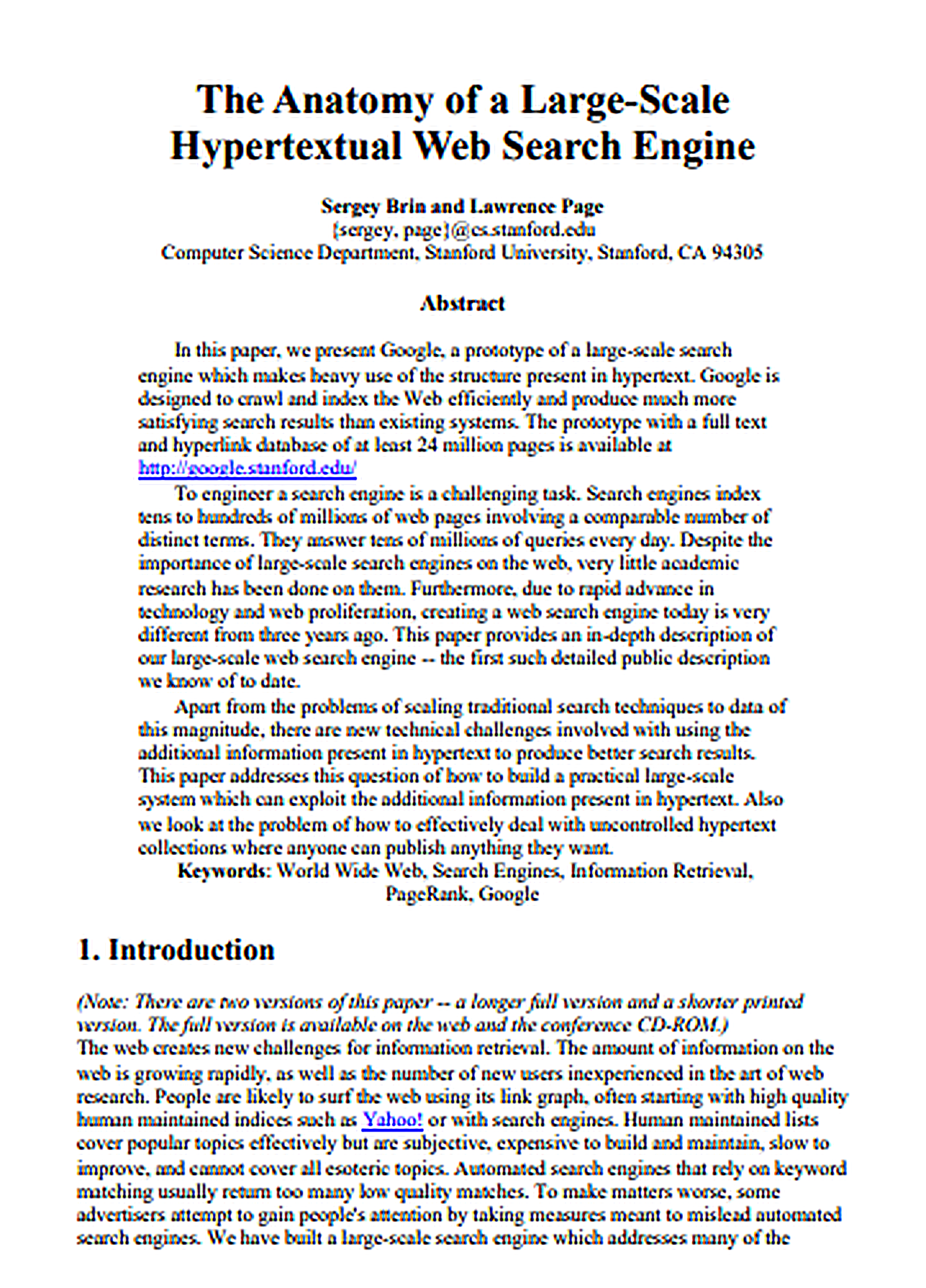
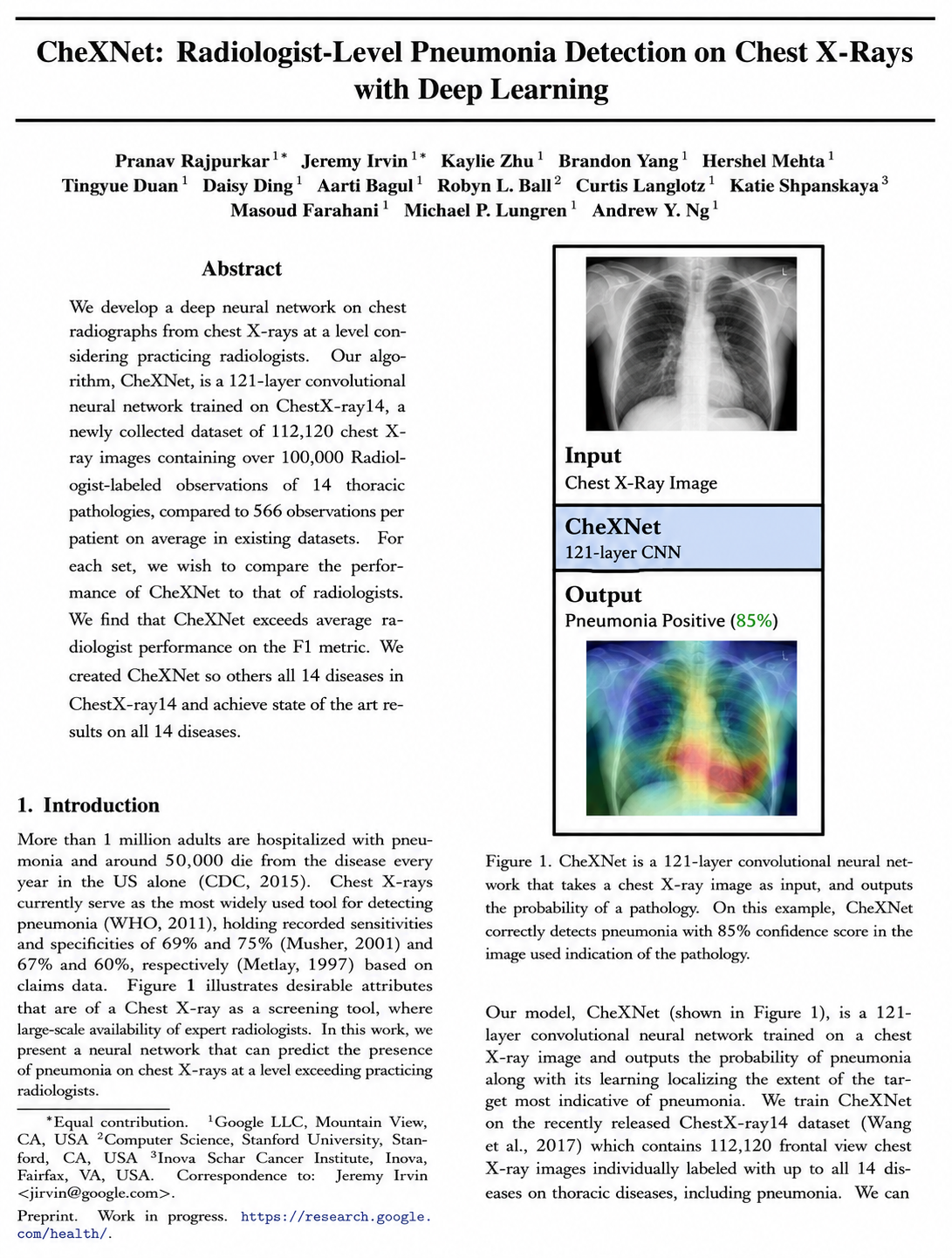
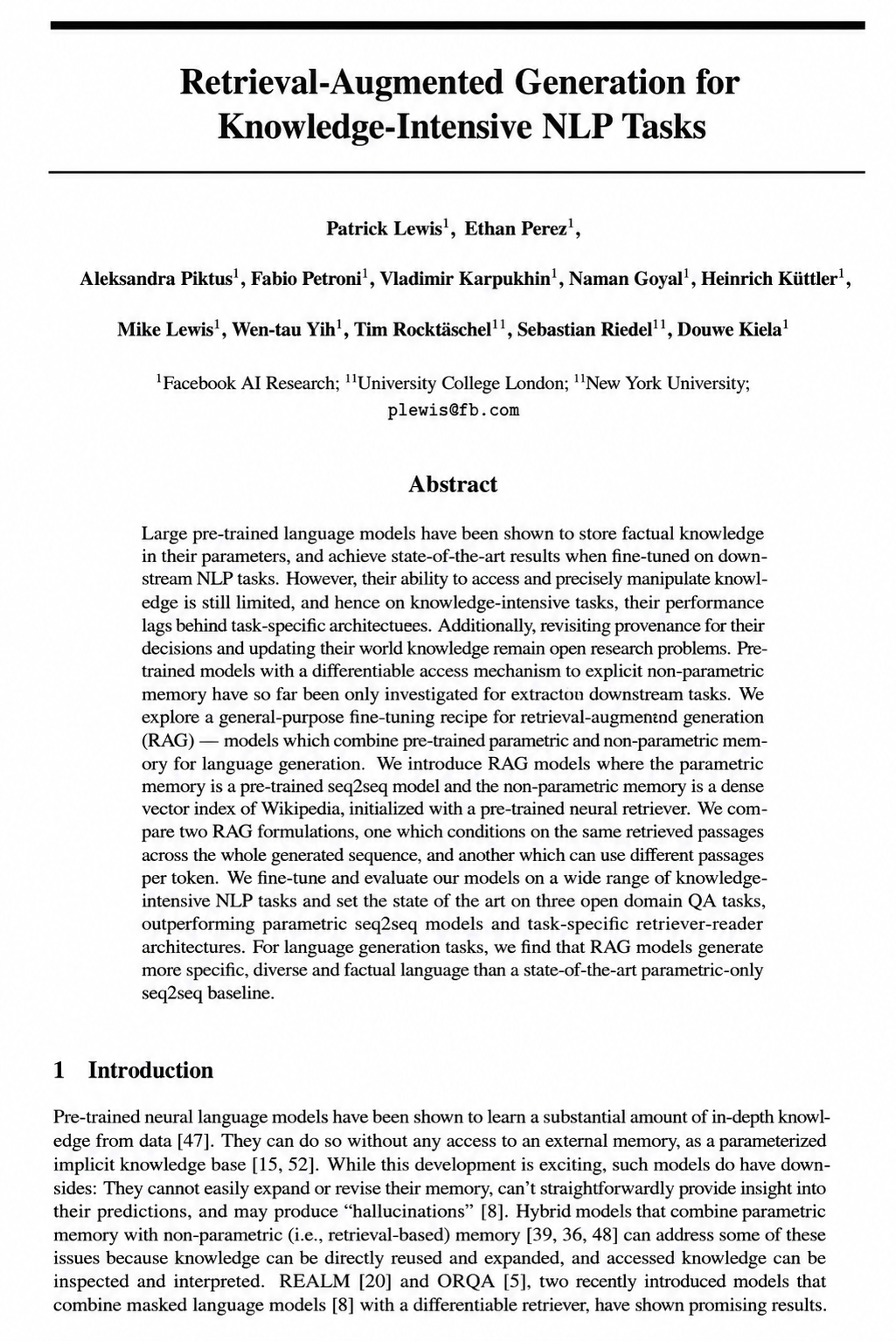
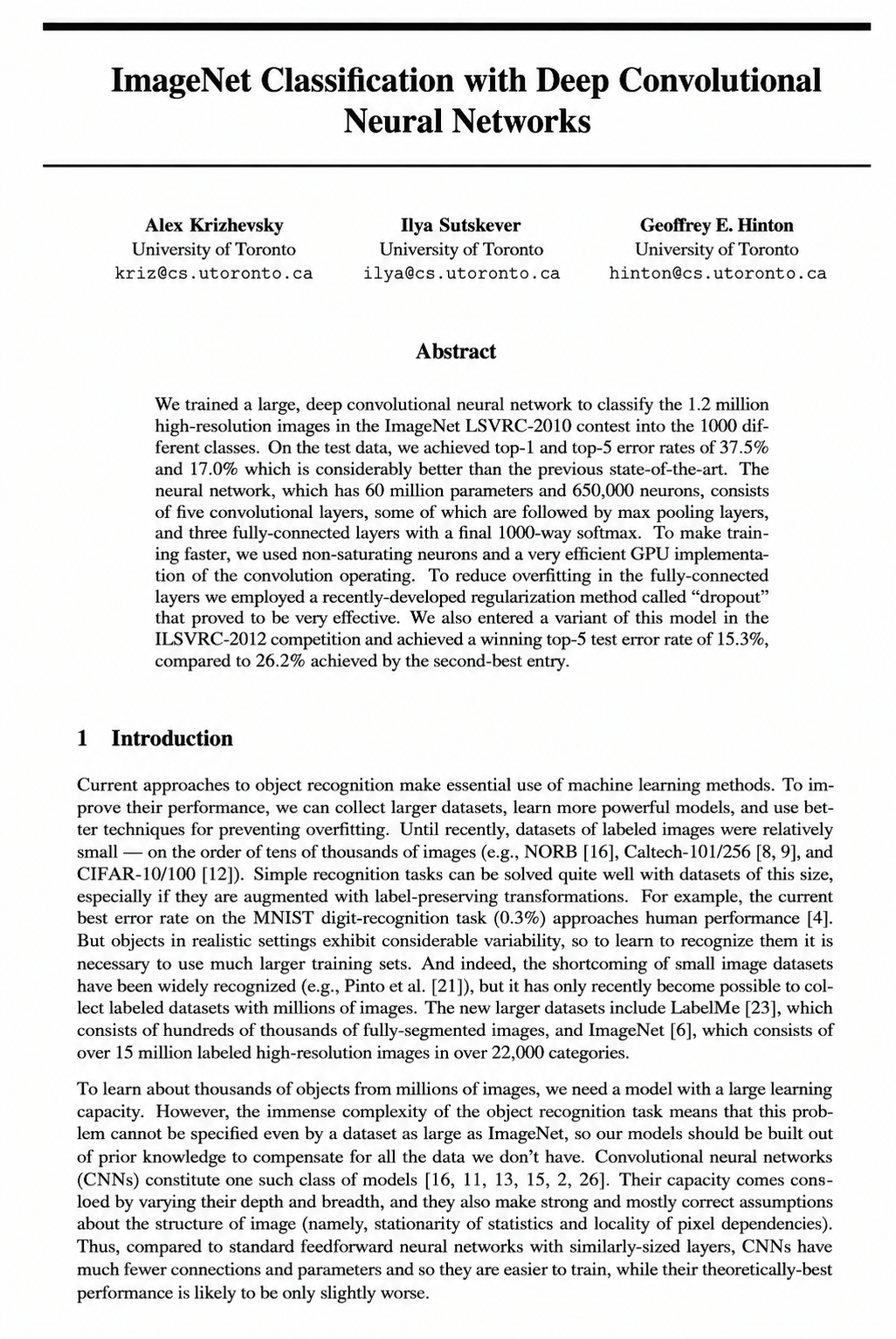
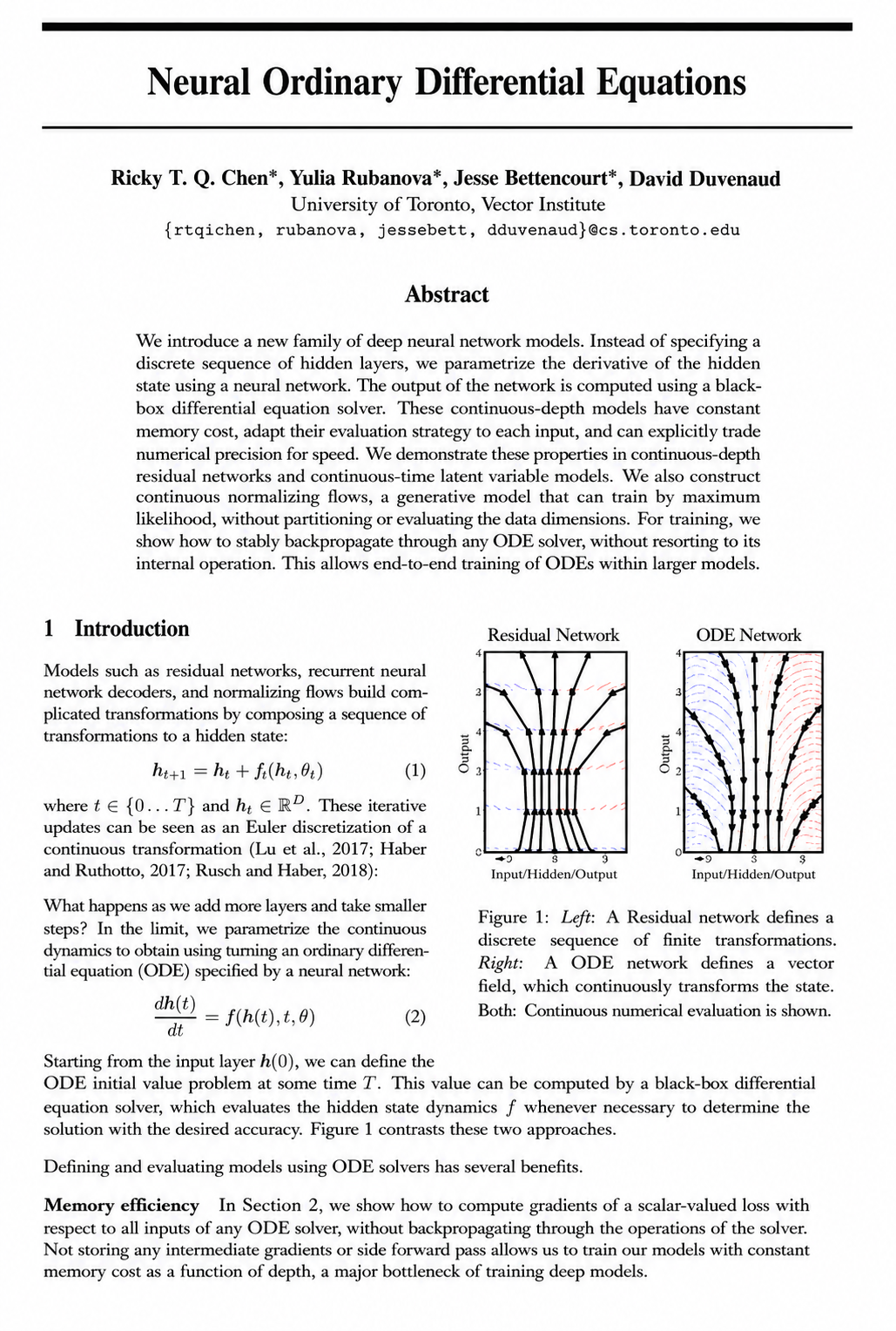
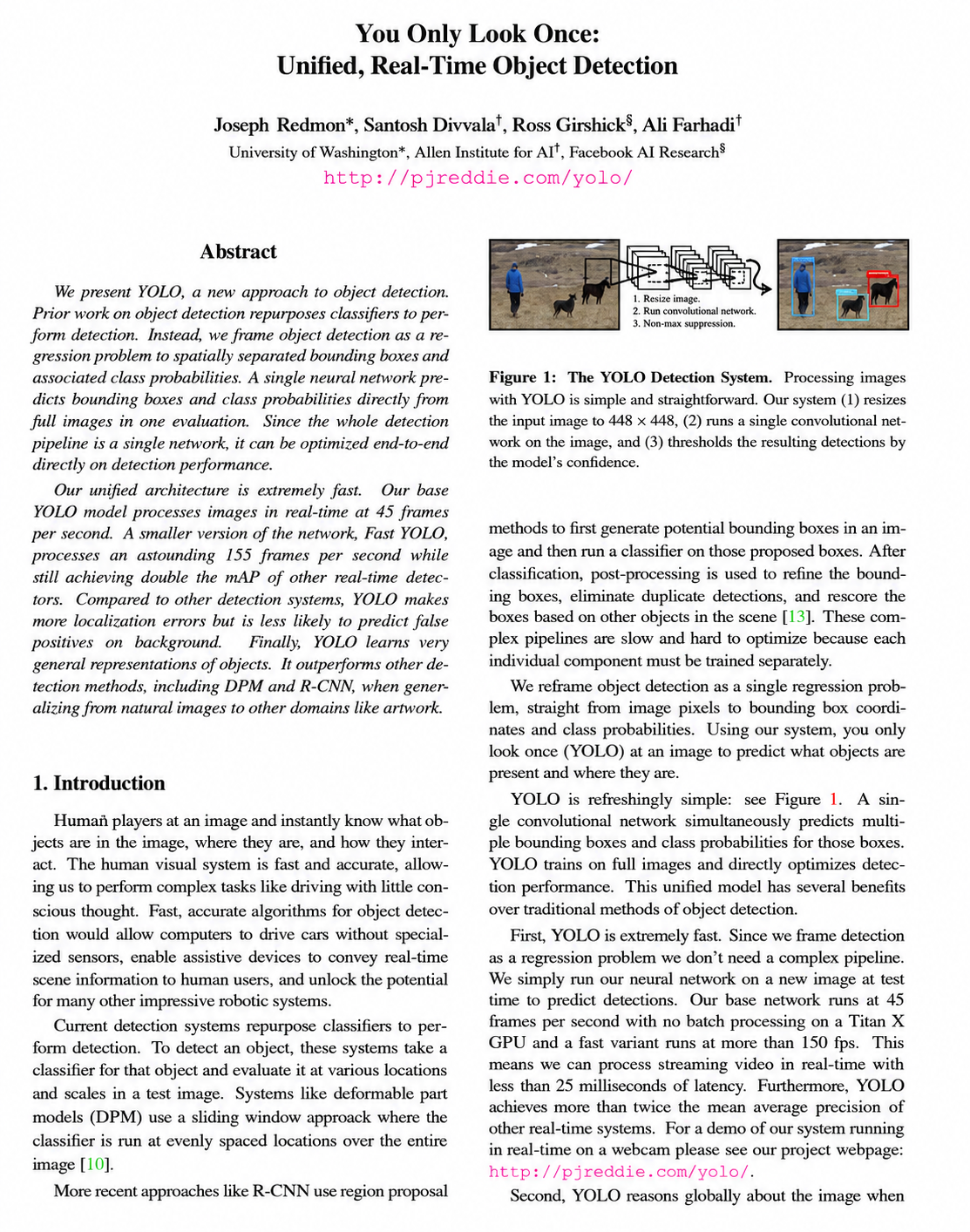
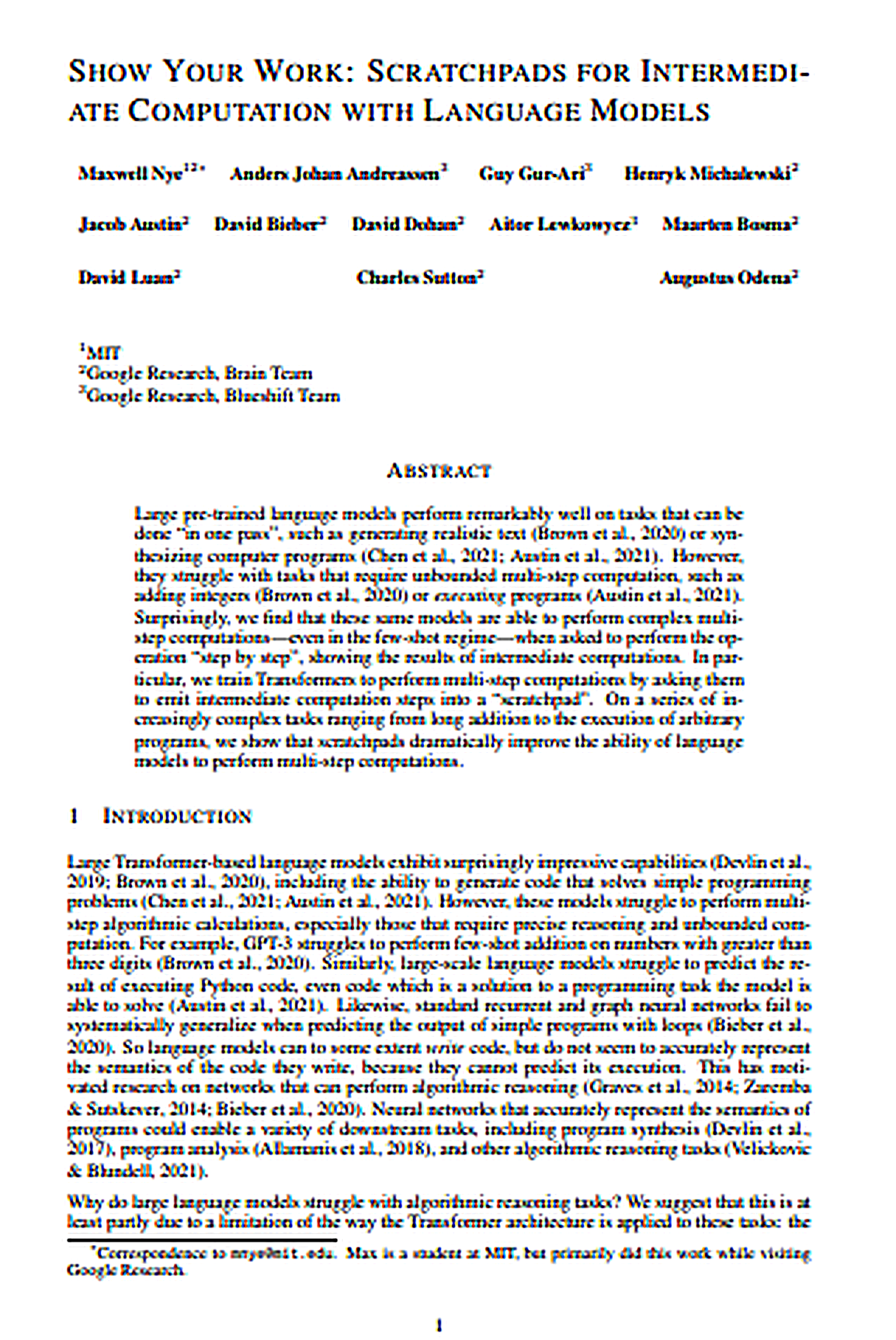
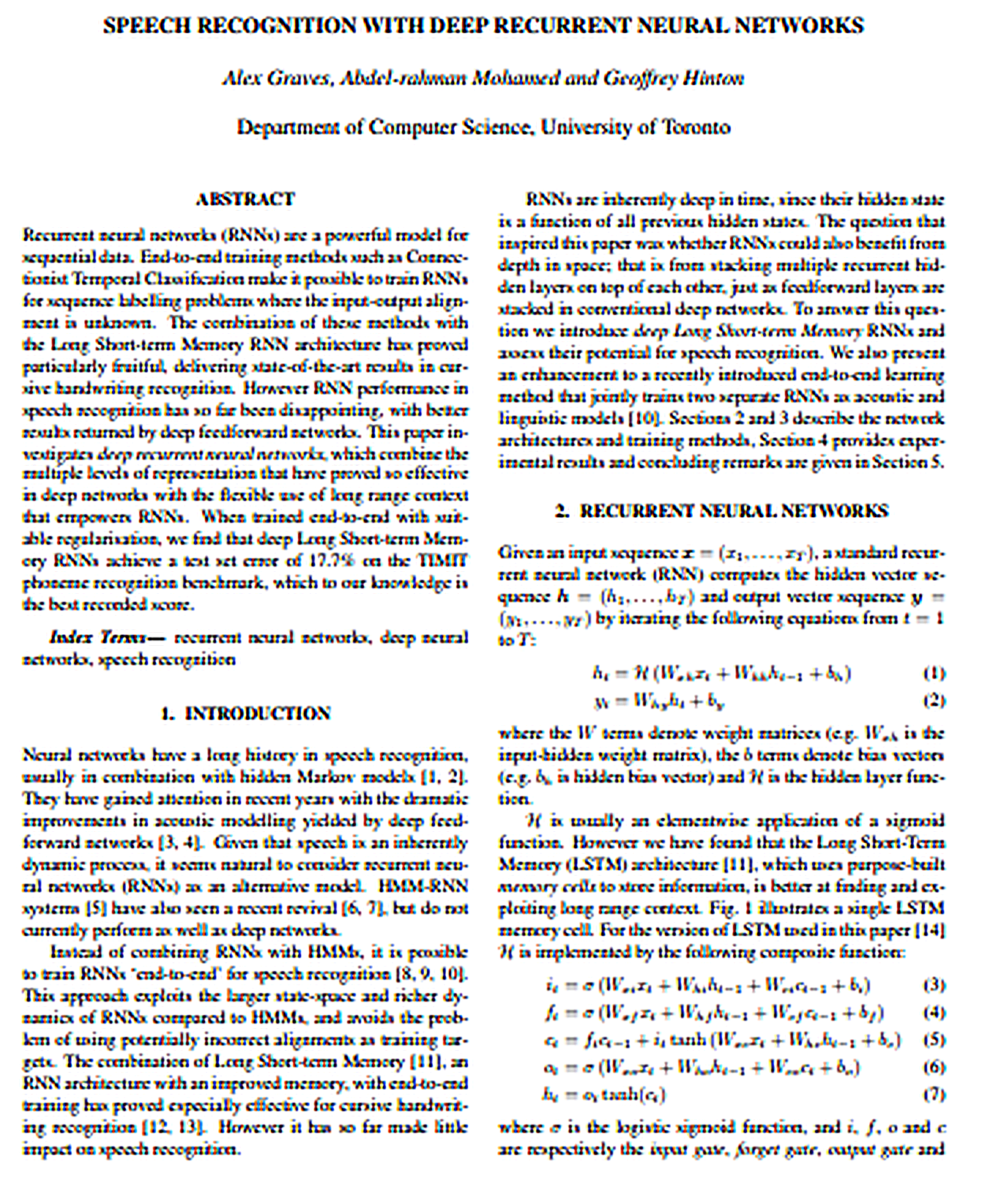
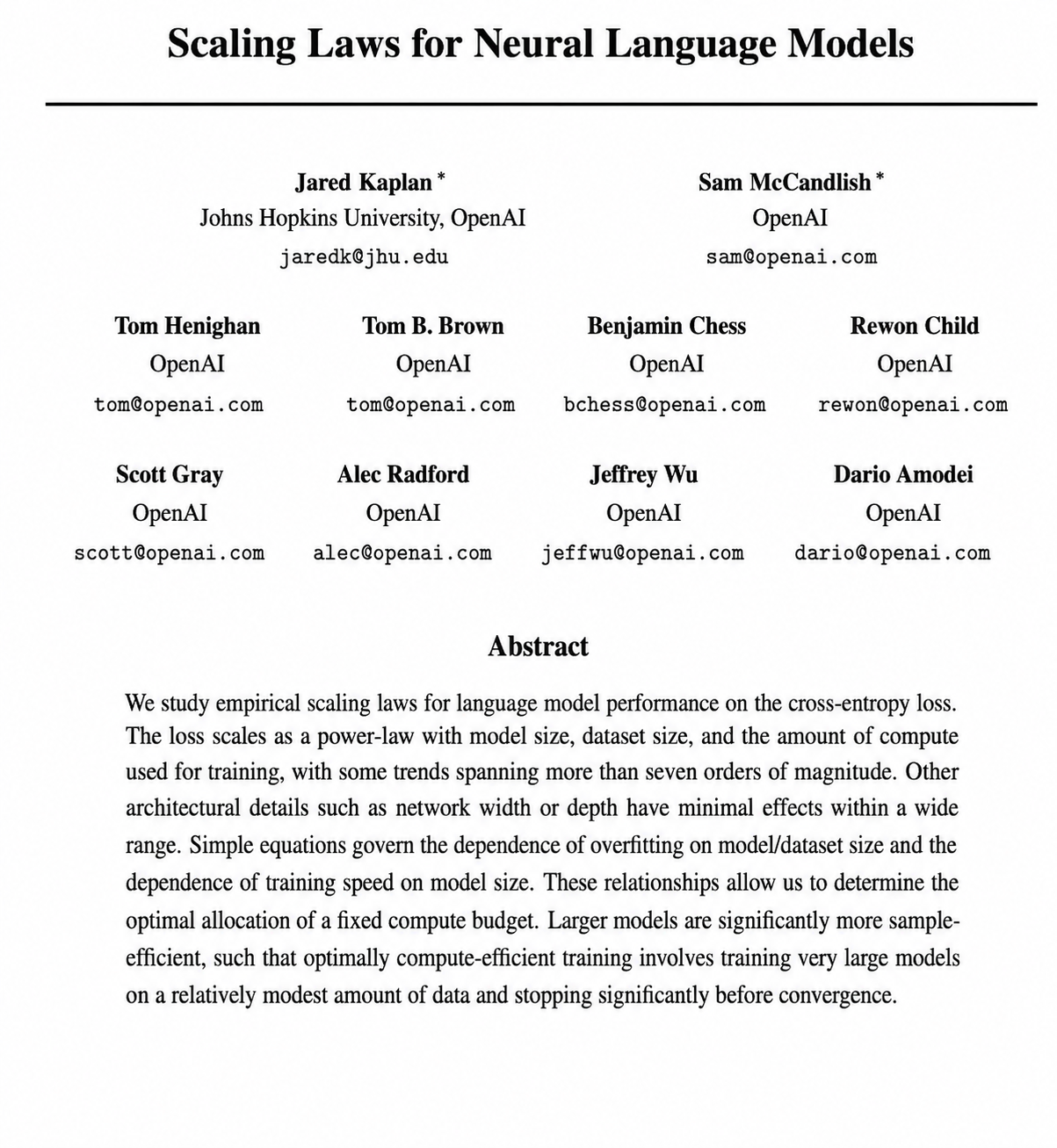
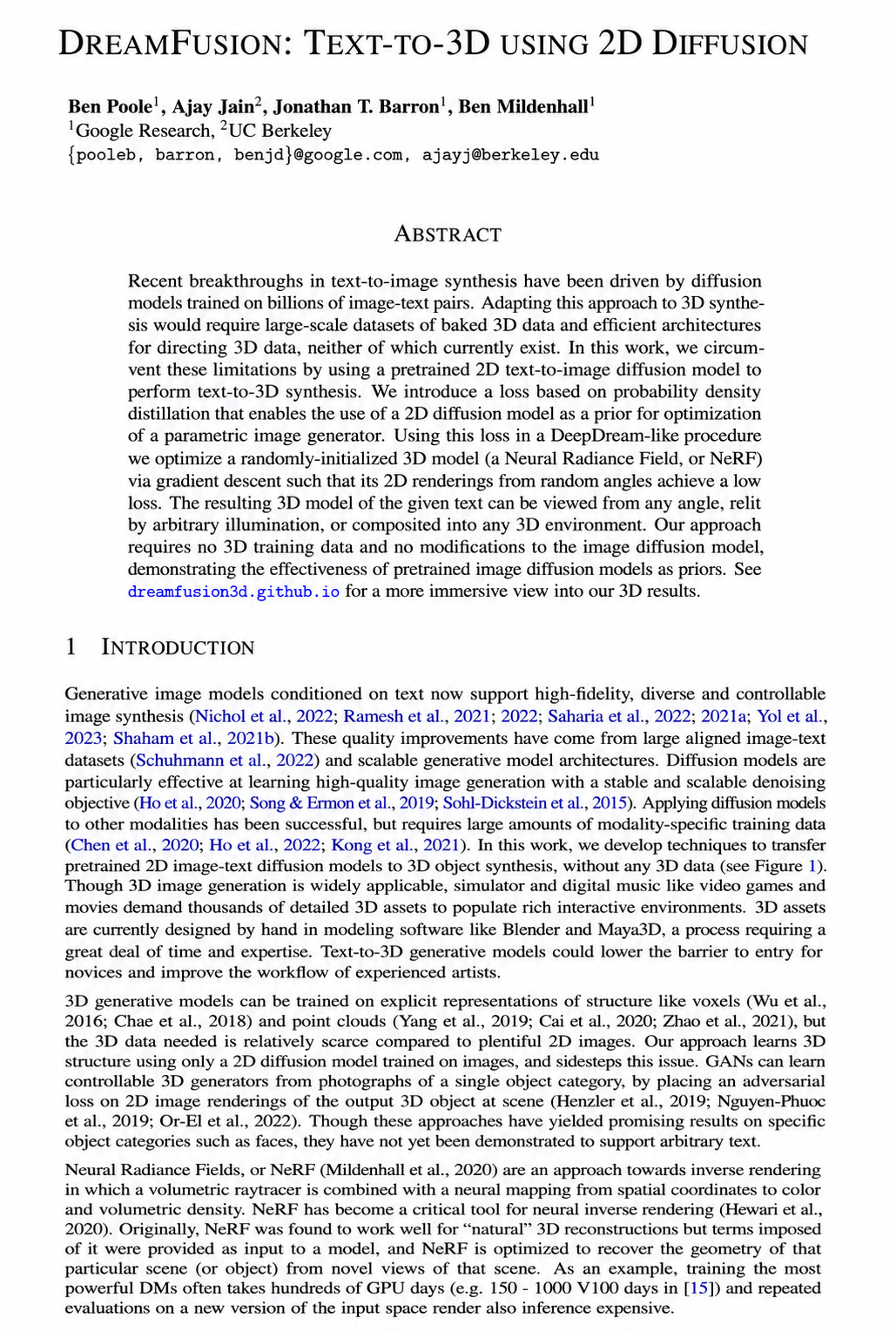
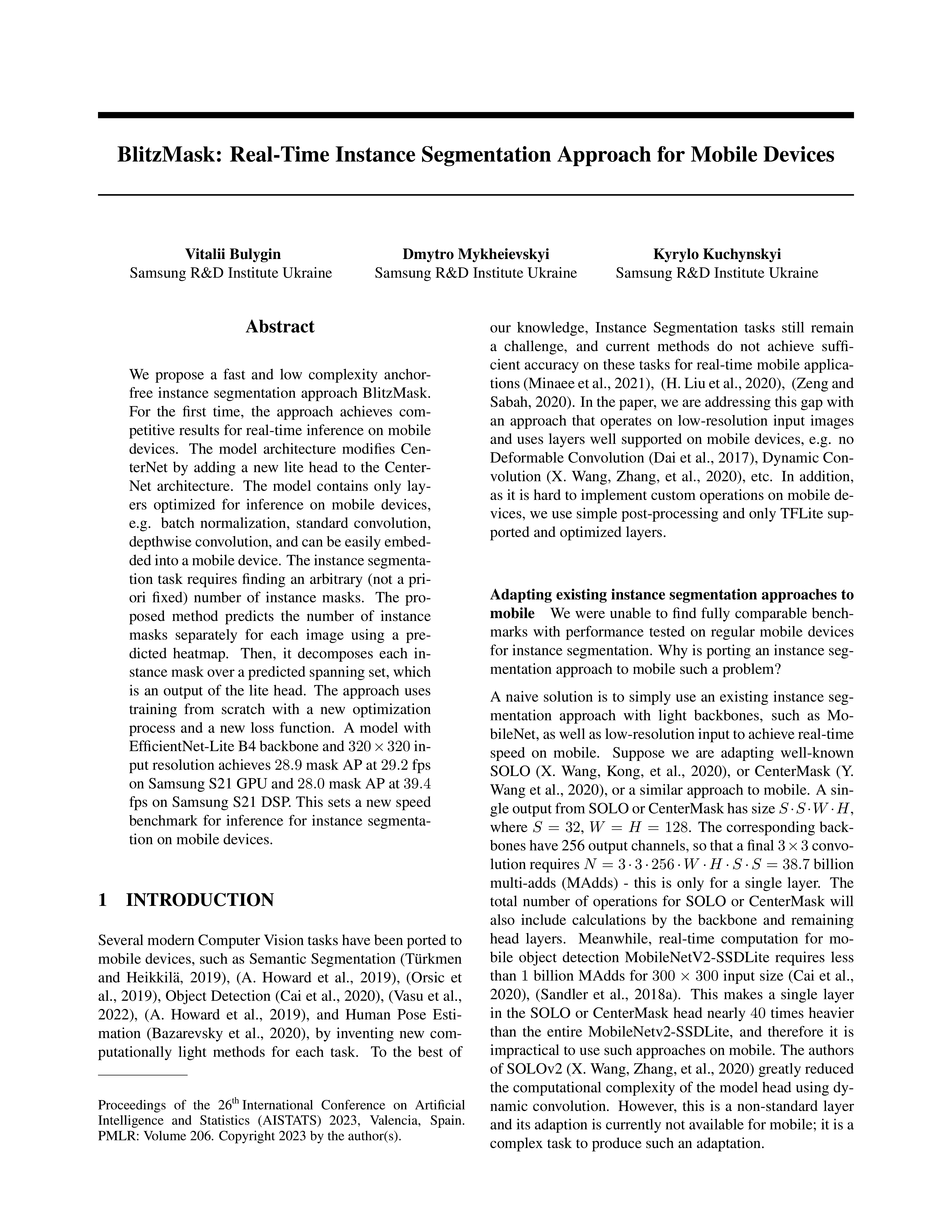
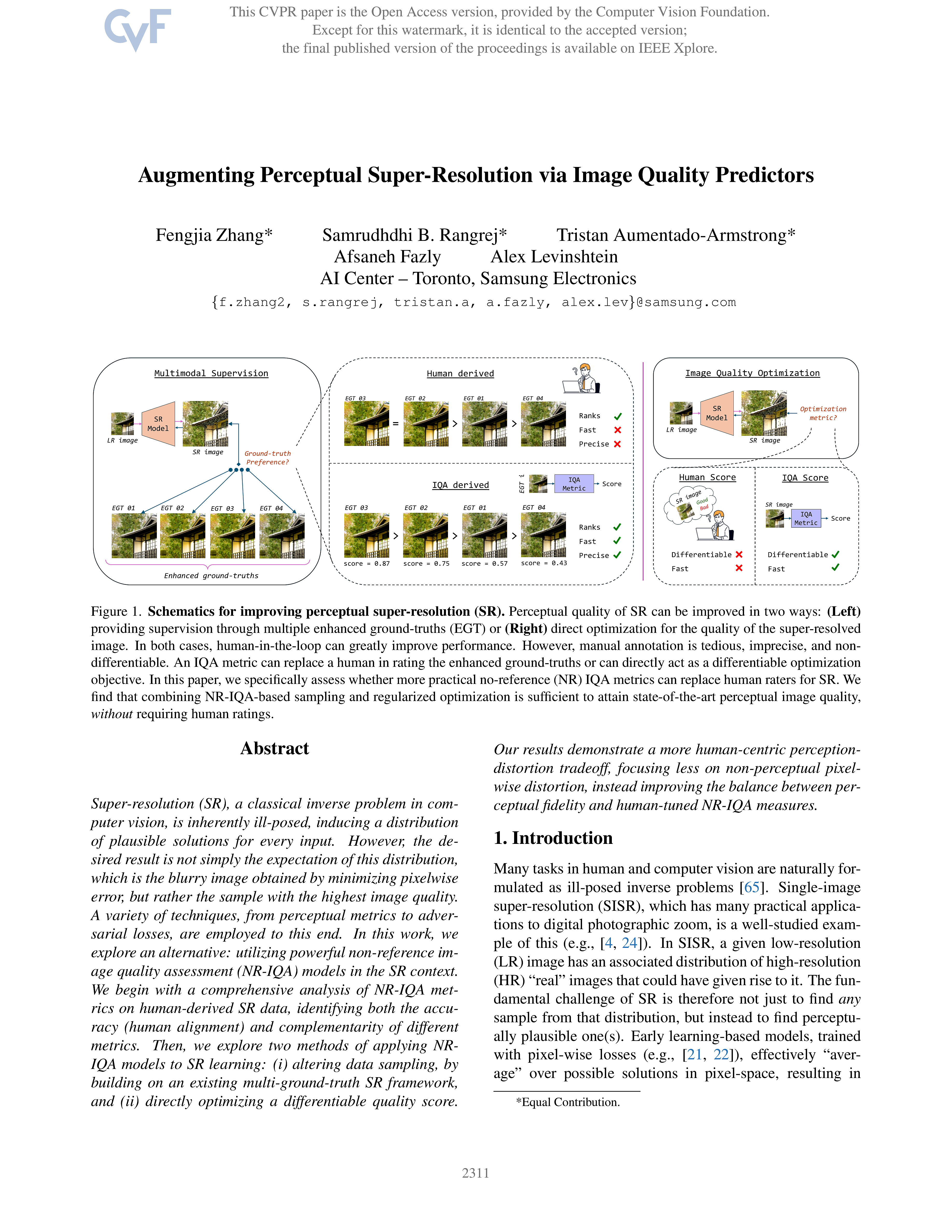
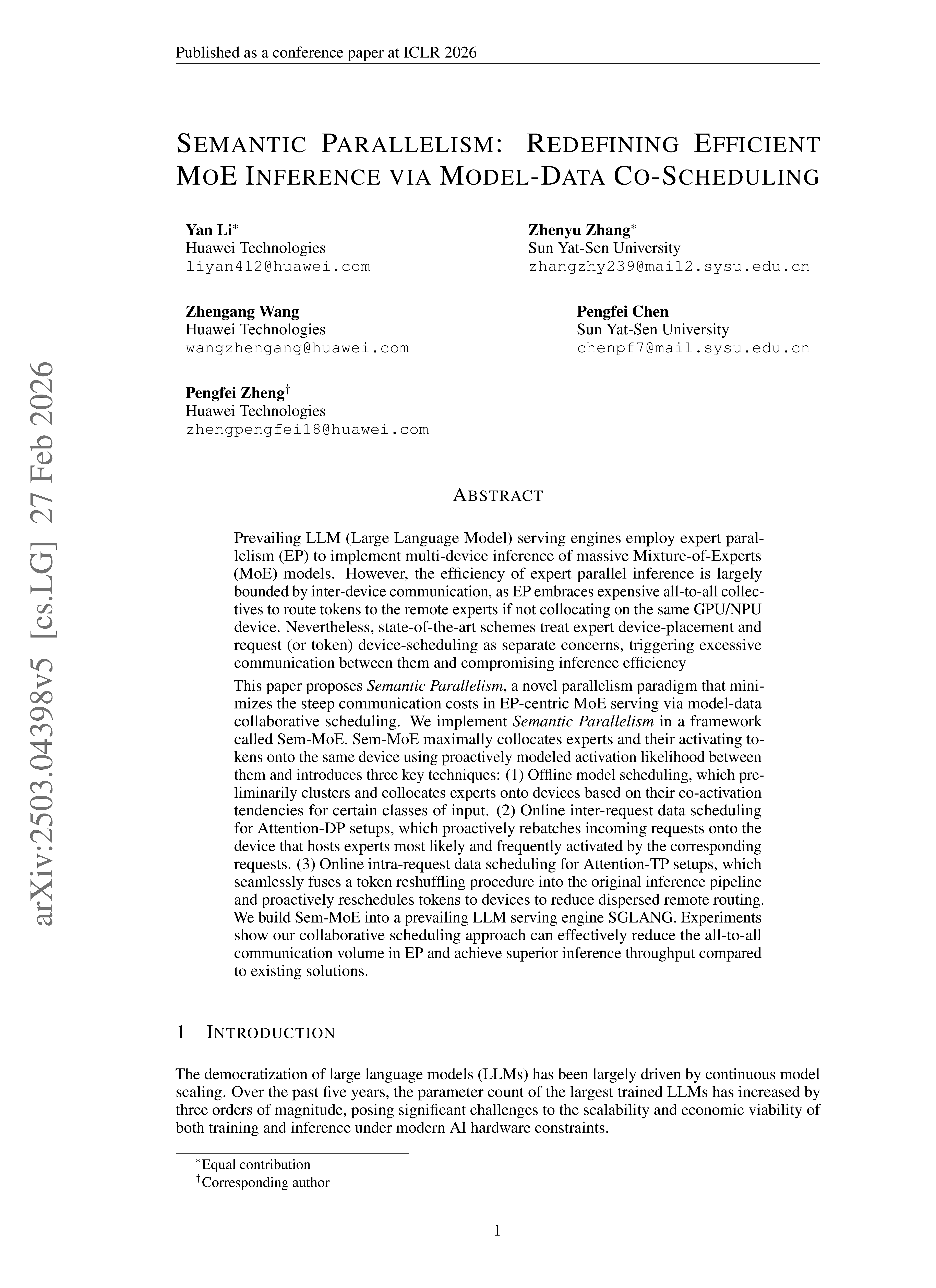
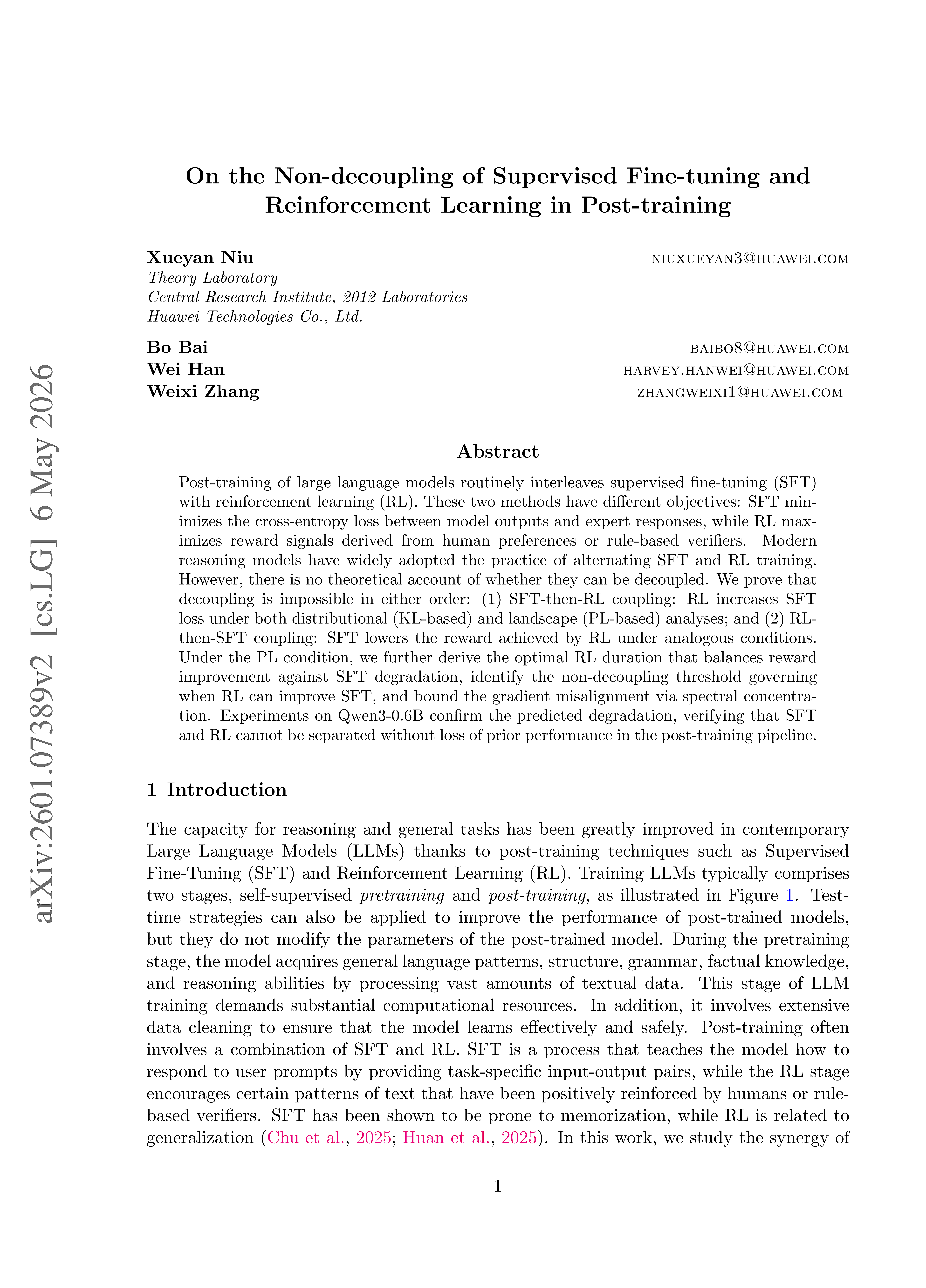
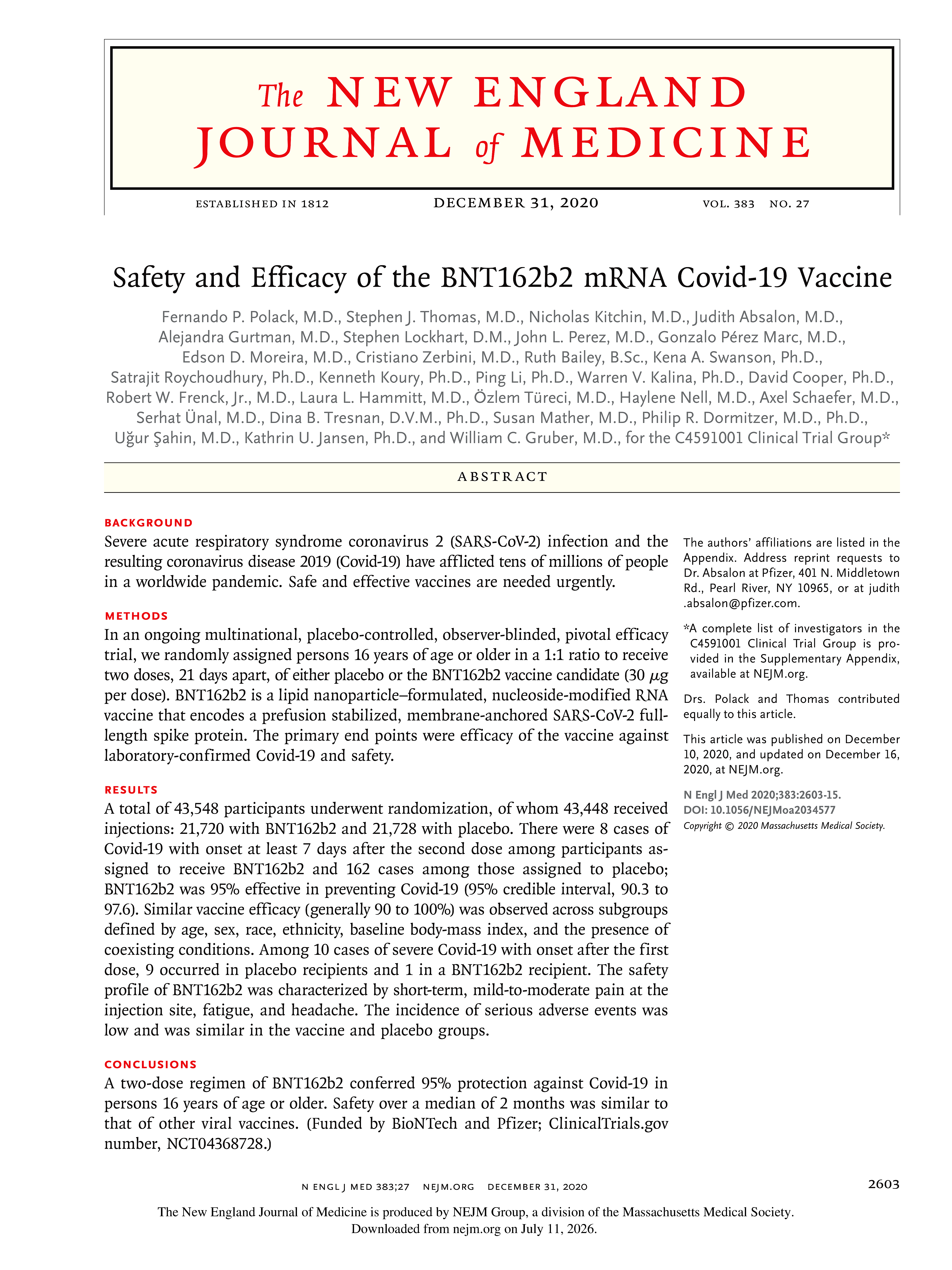
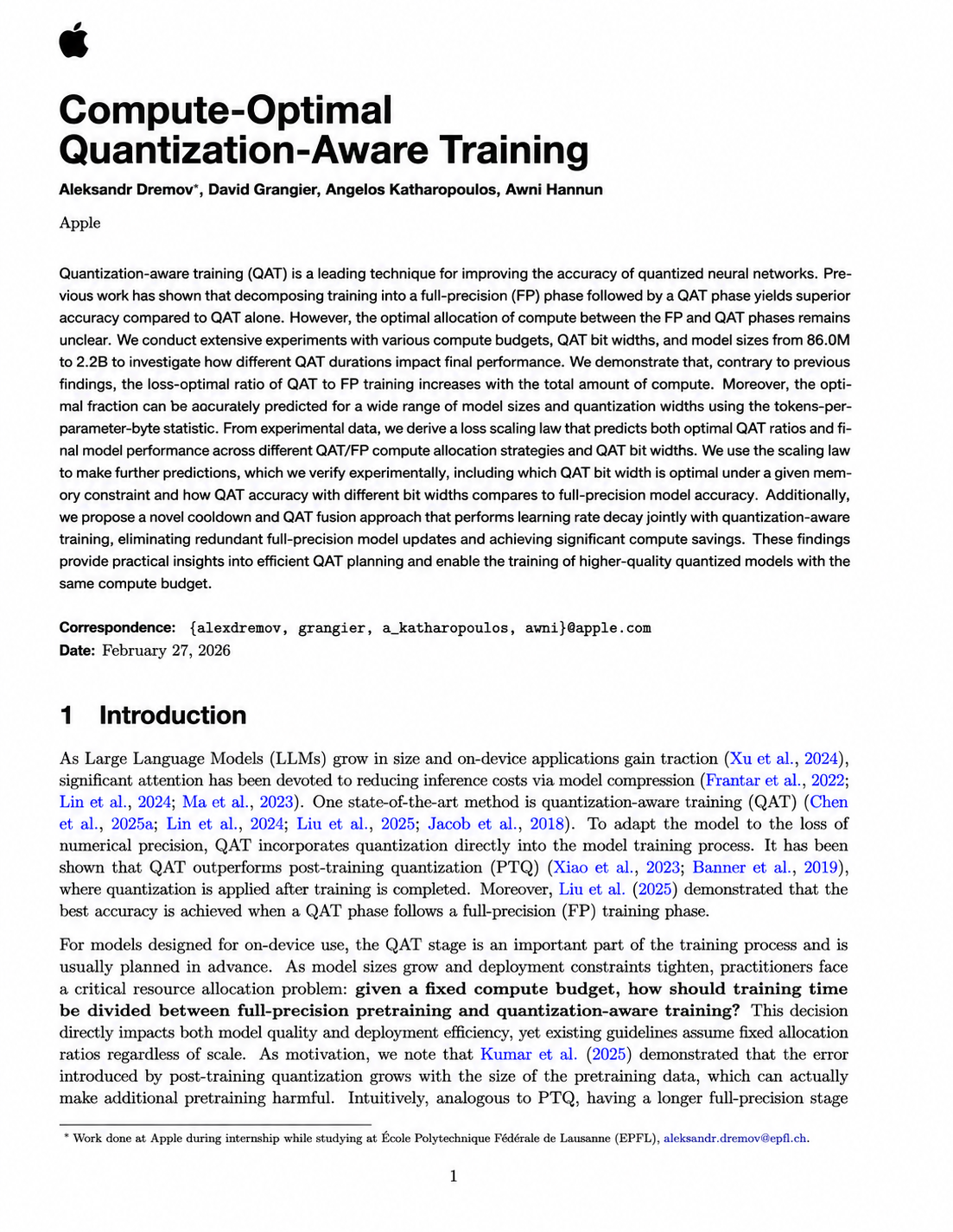
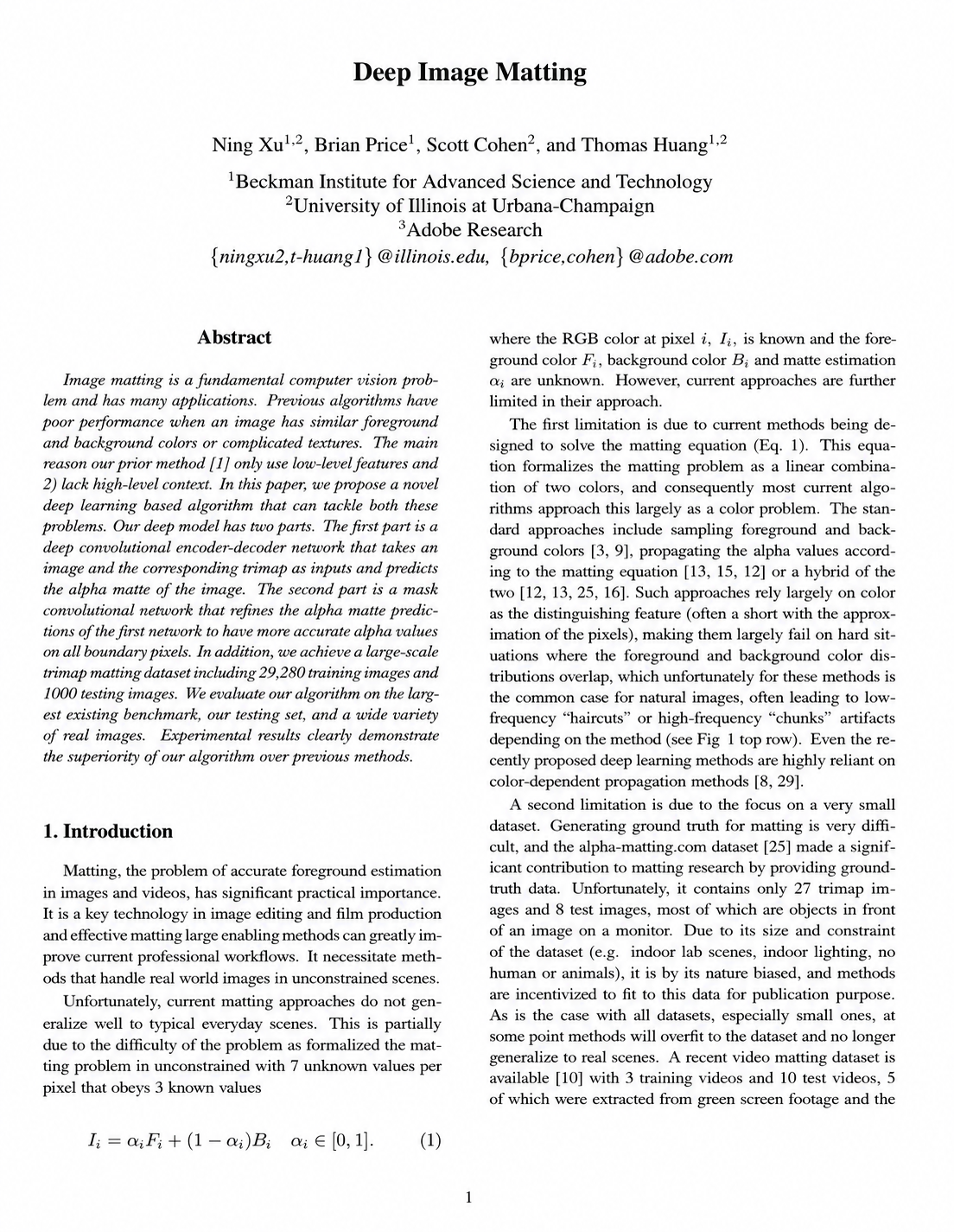
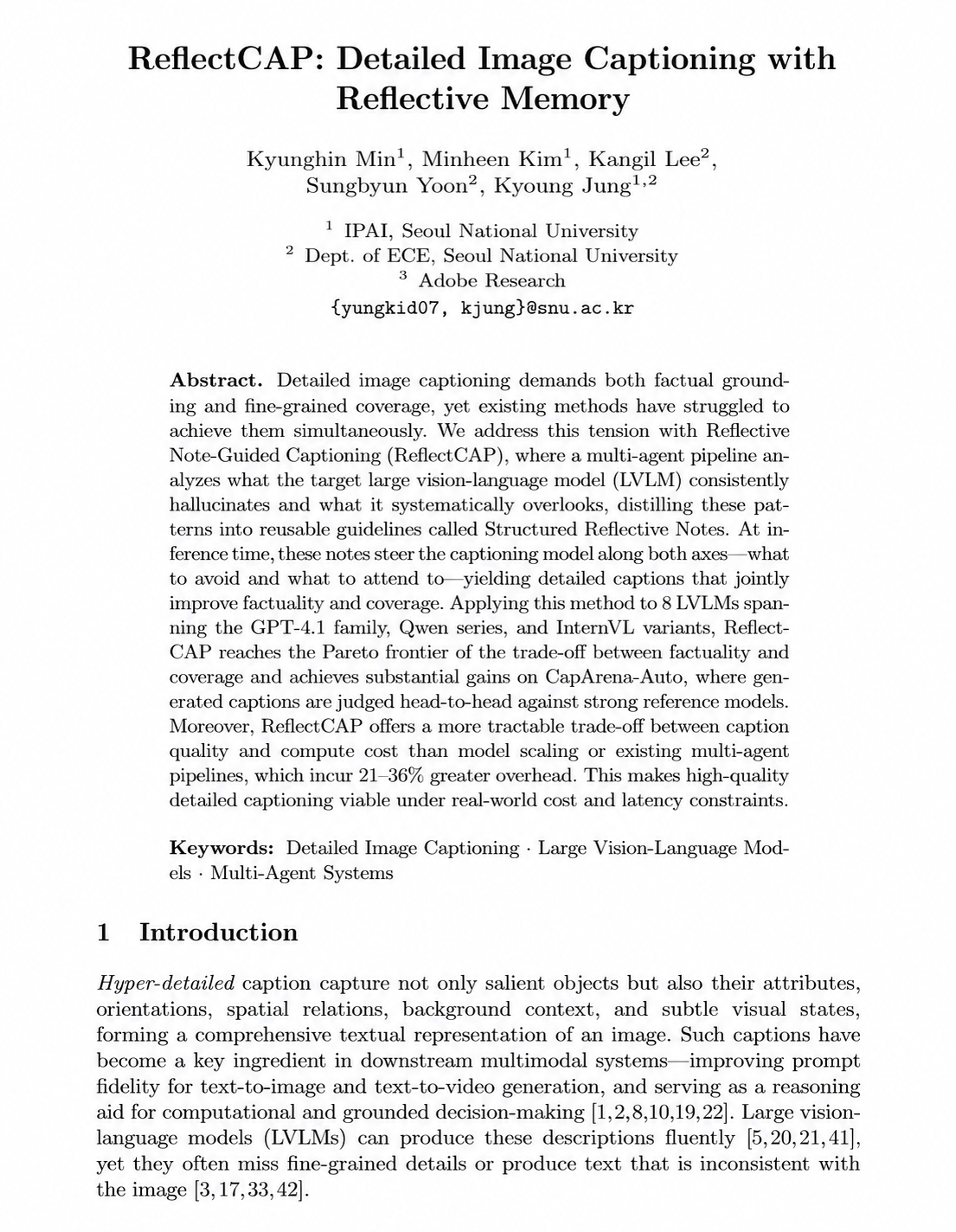
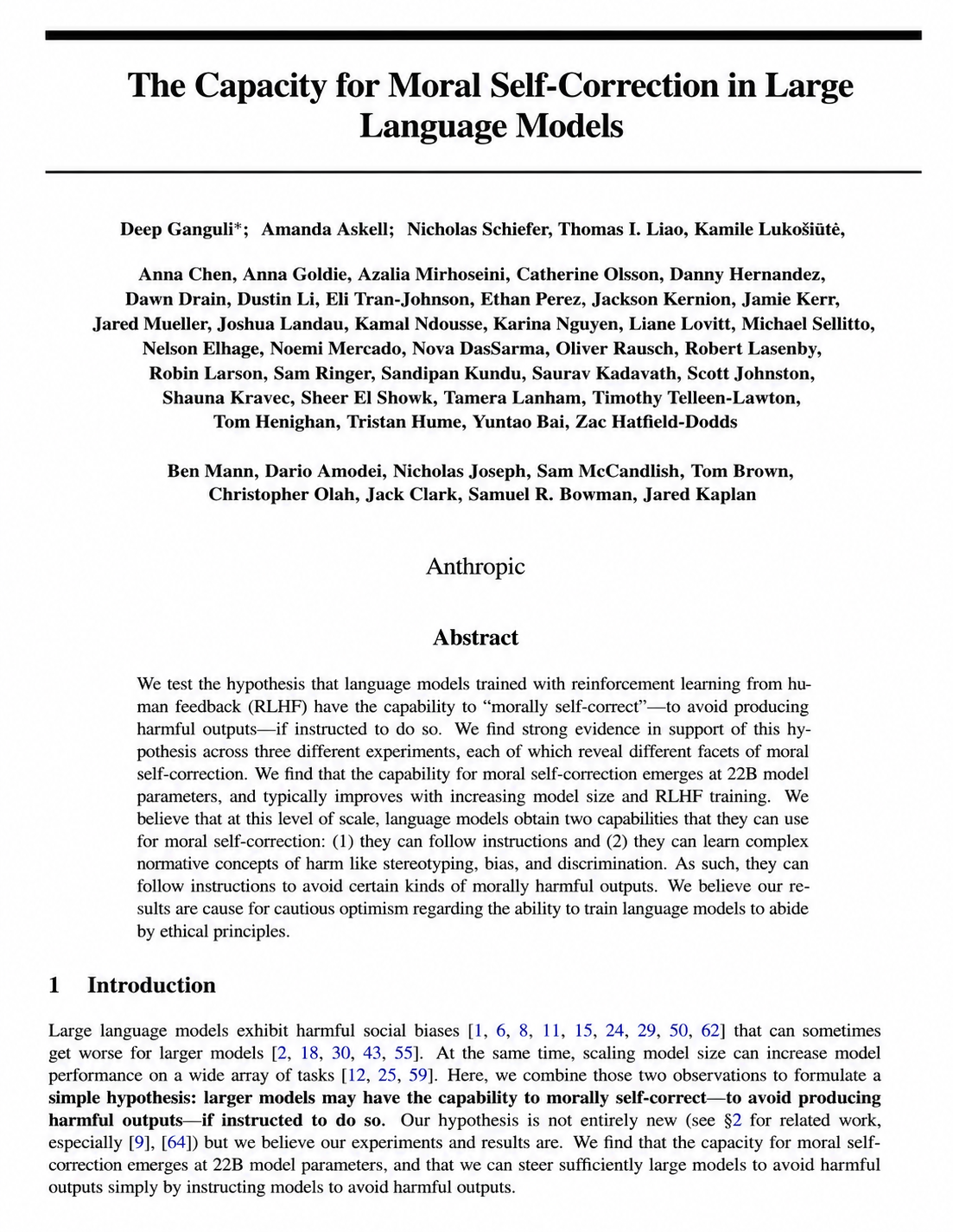
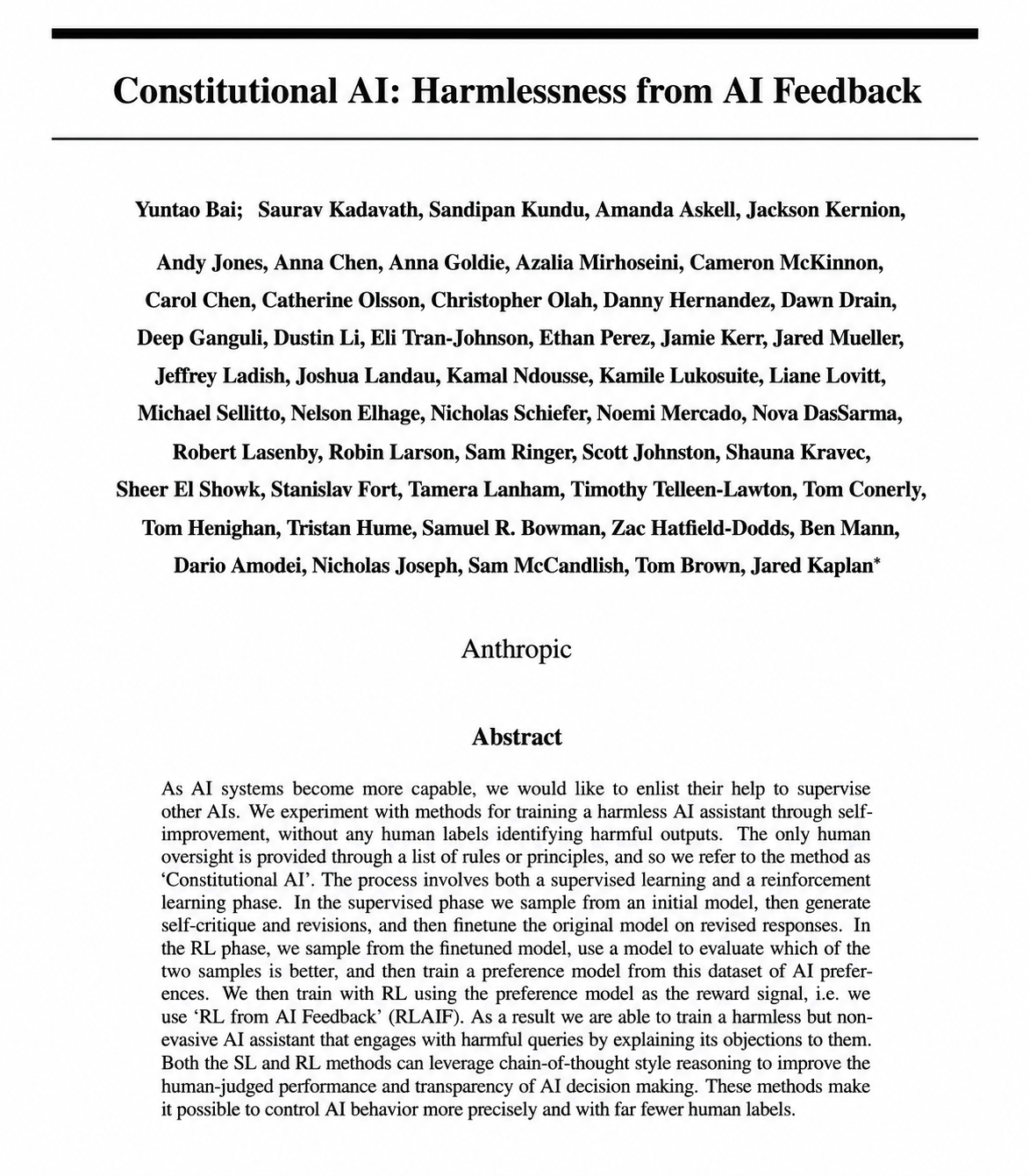

A research paper is a formal academic document that presents original ideas, analysis, or findings based on evidence and credible sources. It is one of the best ways for students, researchers, and professionals to explore a topic, answer a research question, and contribute new knowledge in a structured format. Whether you are preparing a college assignment, scientific study, or professional report, a well-written research paper helps organize information, support arguments with evidence, and communicate insights clearly through standard sections such as the introduction, methodology, results, discussion, and references.
What Is A Research Paper?
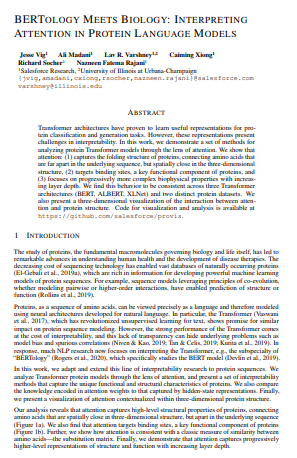
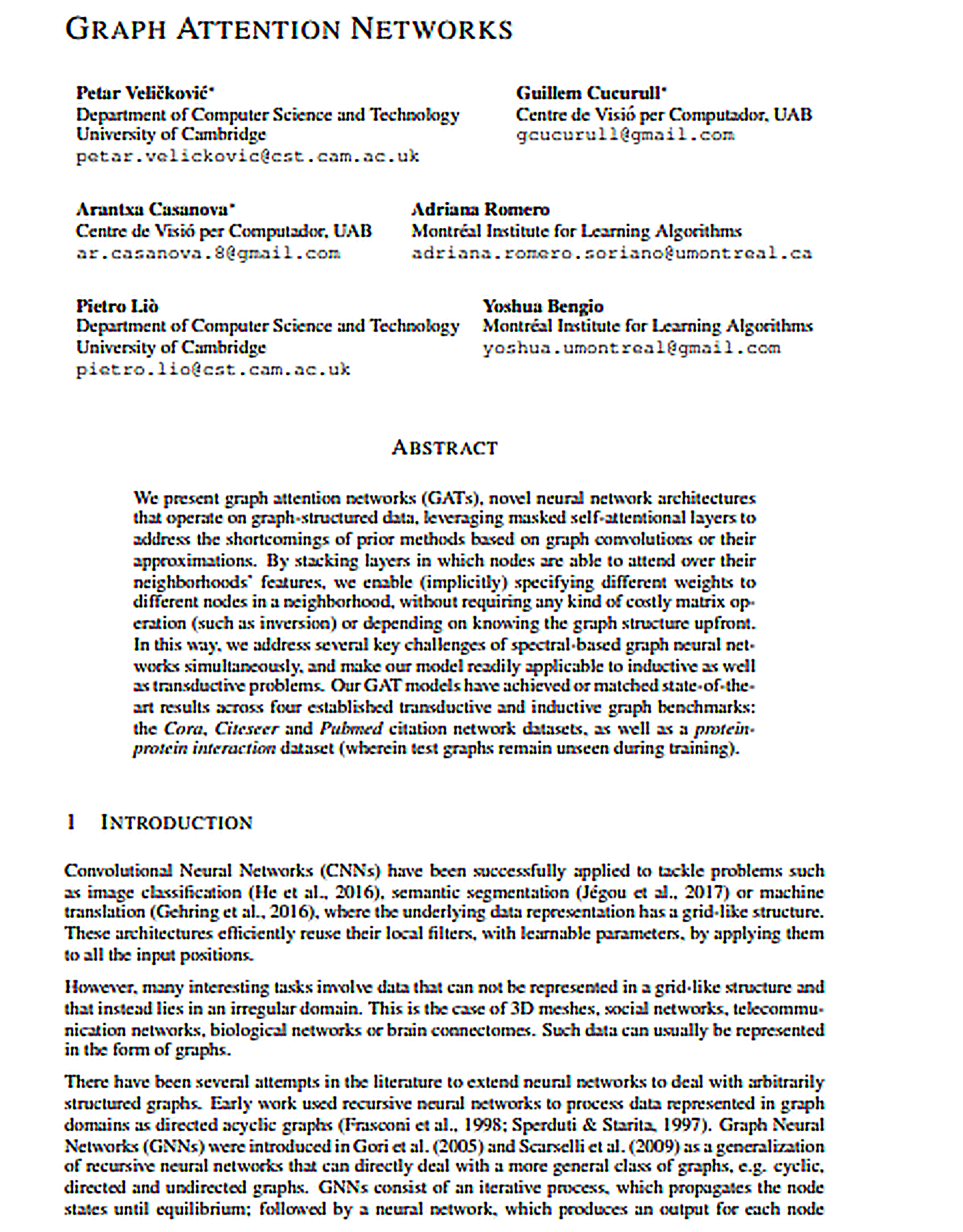
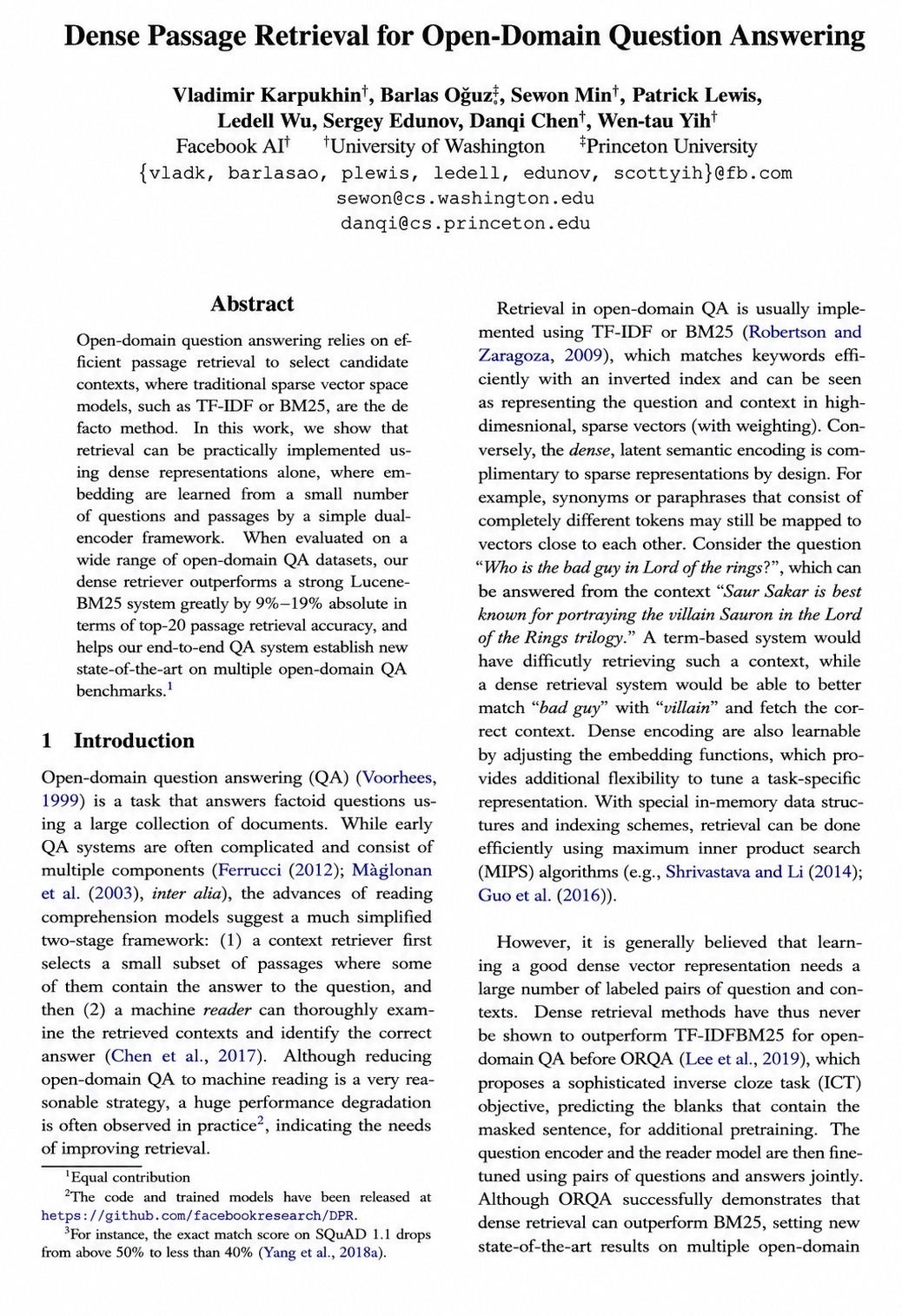
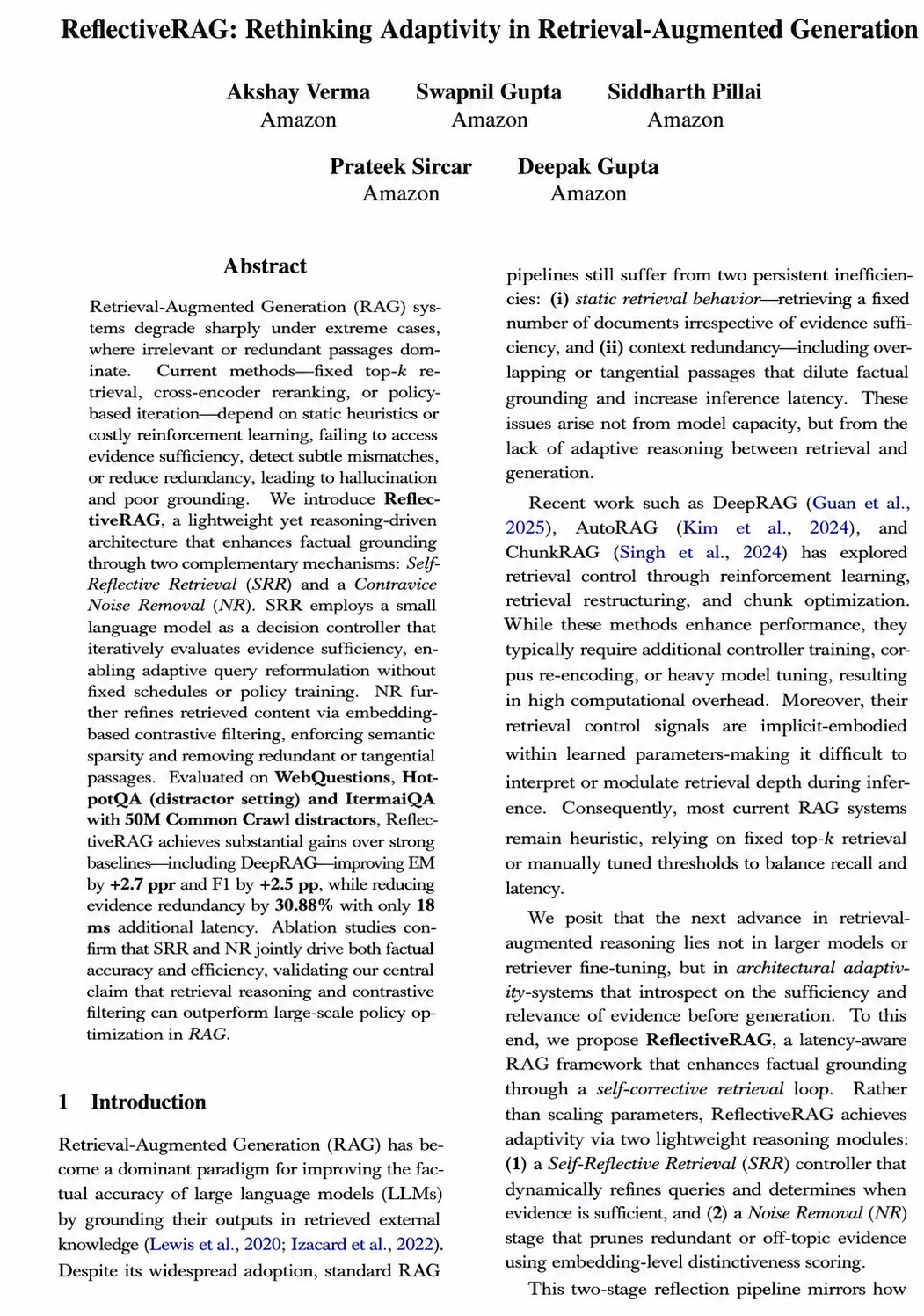
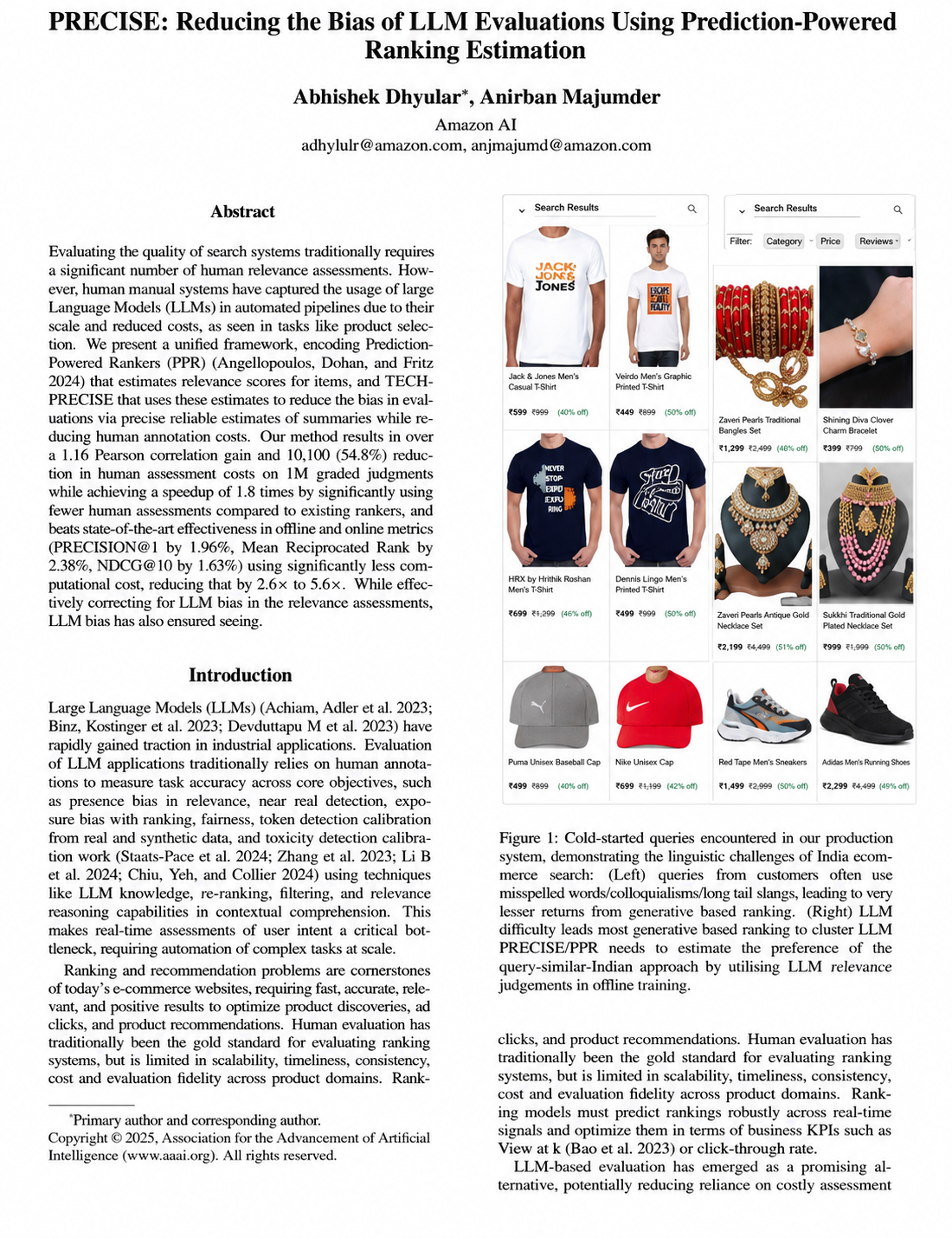
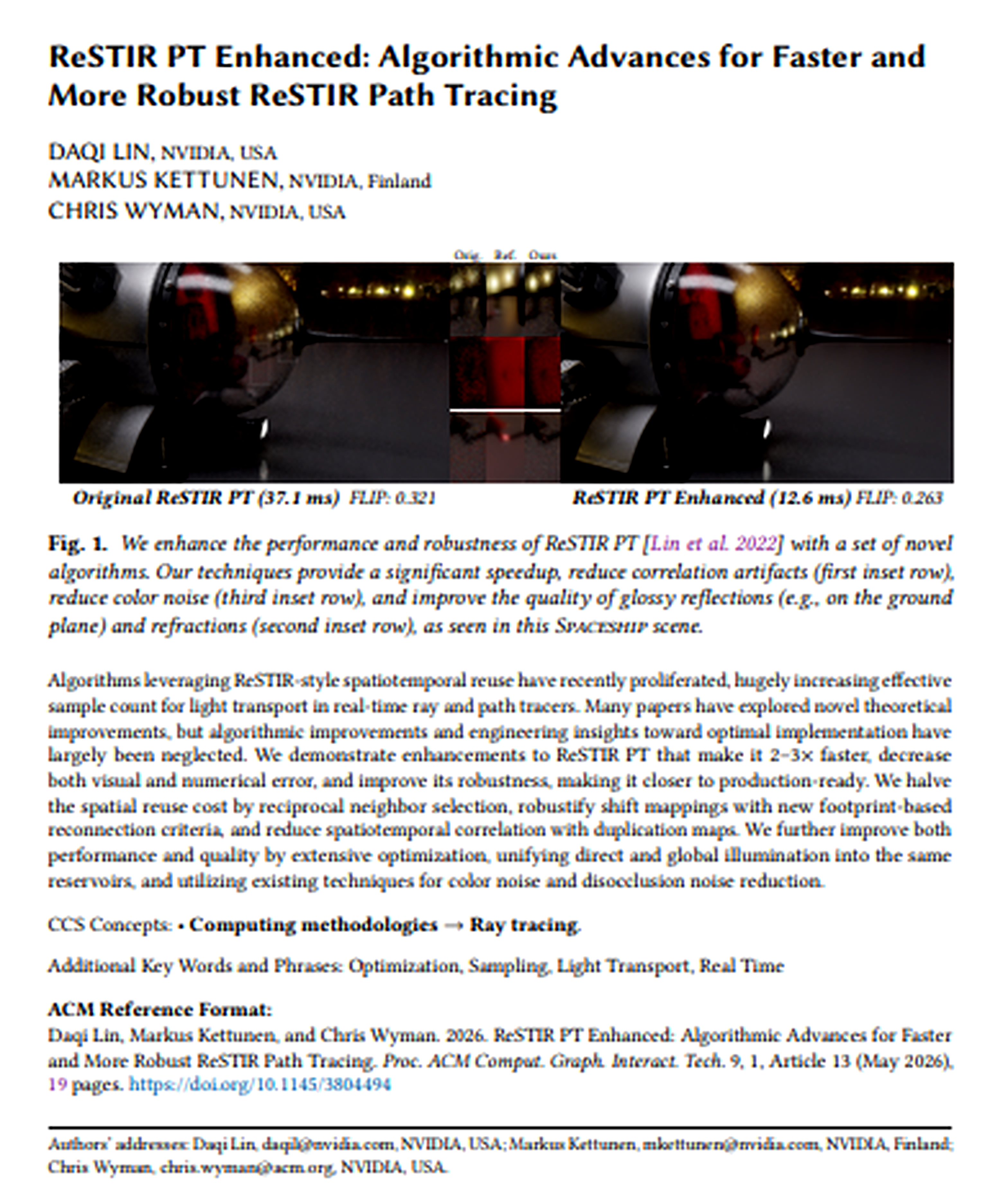
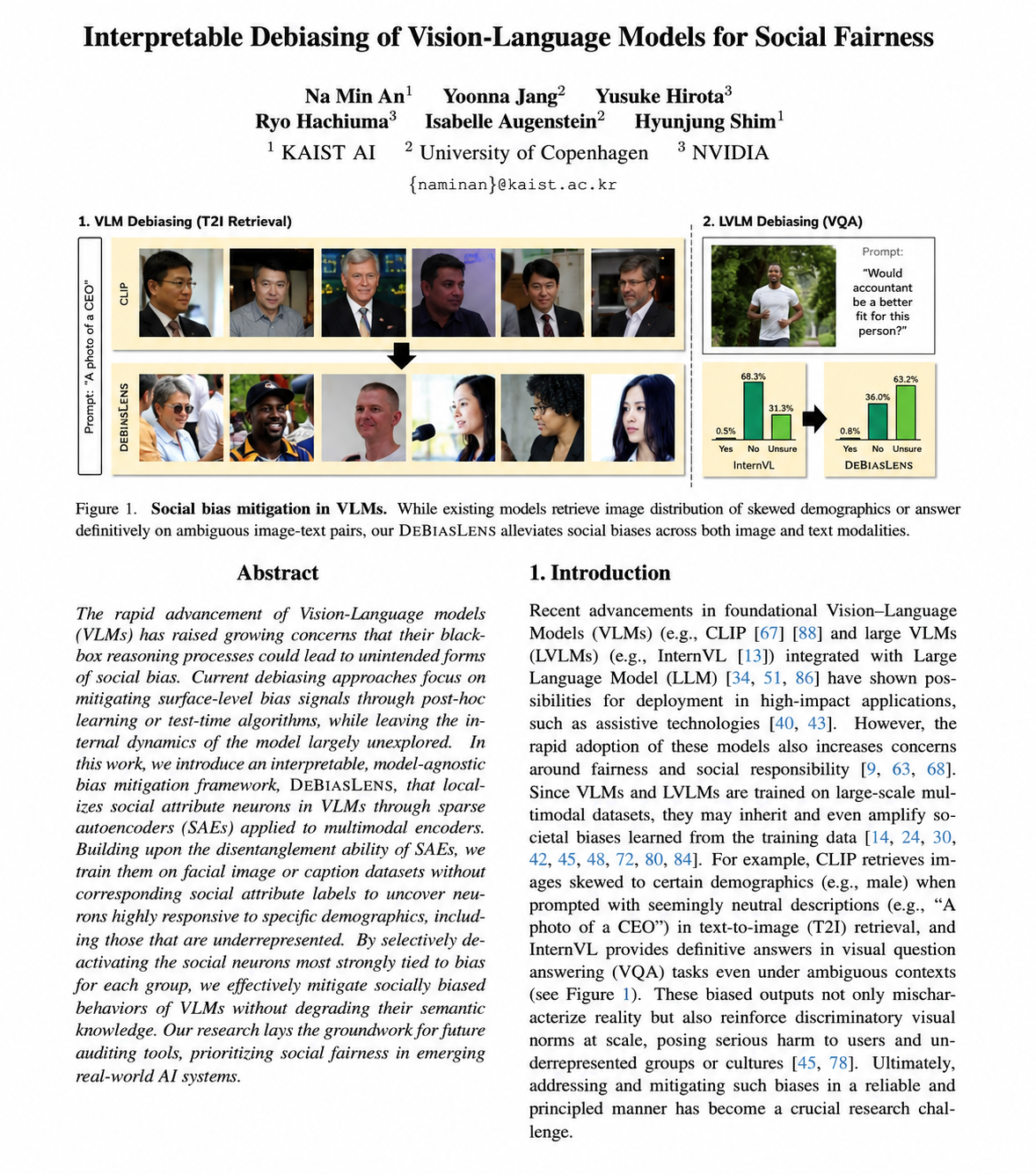
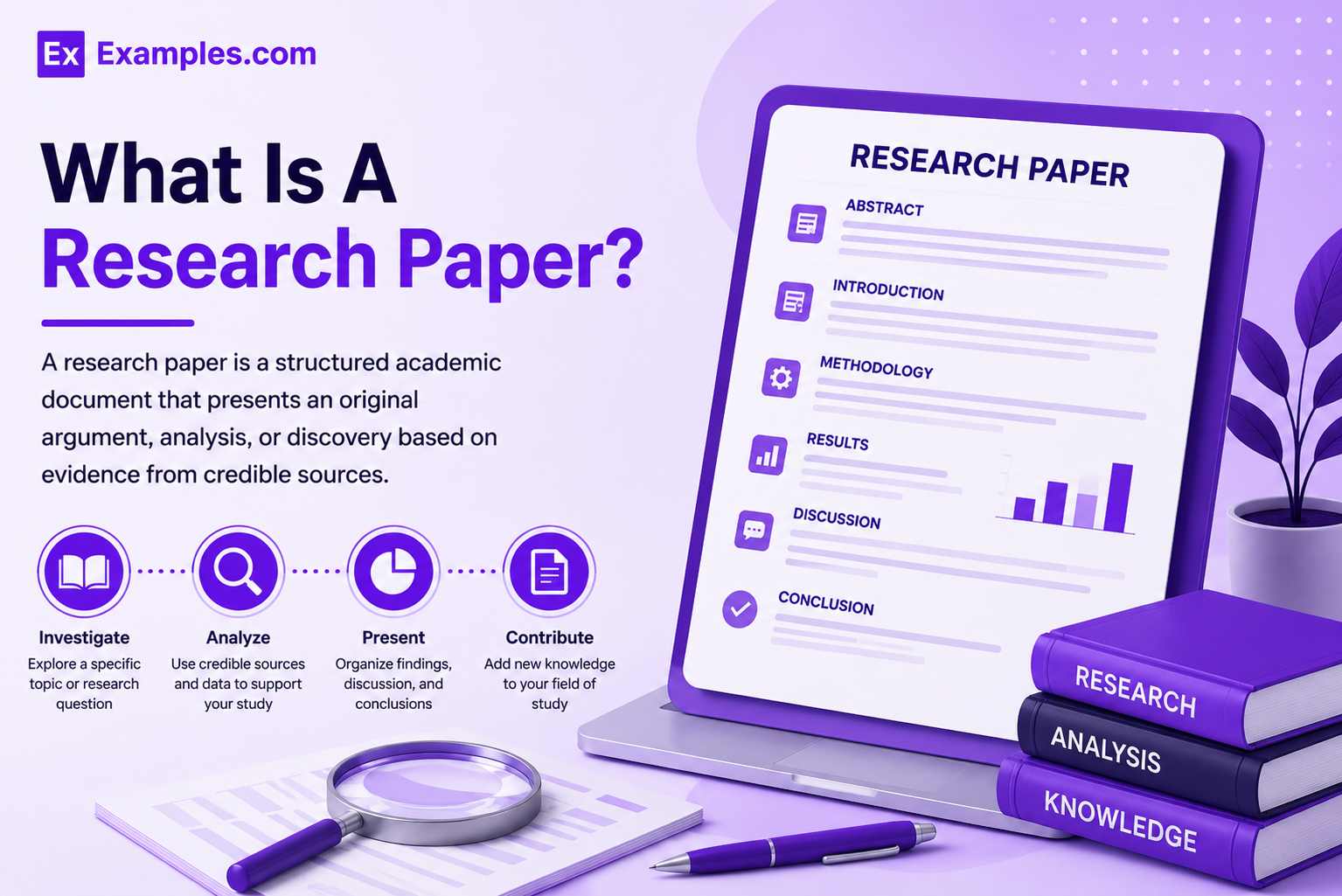
A research paper is a formal academic document that presents an original argument, analysis, or discovery based on evidence from credible sources. It helps students, researchers, and professionals investigate a topic, answer a research question, and communicate findings in a clear, structured format that typically includes an introduction, methodology, results, discussion, and references.
Popular Types Of Research Papers
Experimental Research Paper
An Experimental Research Paper presents findings from controlled experiments and scientific testing. It explains the research design, methodology, data collection process, and results to support or reject a hypothesis.
Analytical Research Paper
An Analytical Research Paper examines existing information, studies, and evidence to provide a new interpretation or perspective on a specific topic or issue.
Argumentative Research Paper
An Argumentative Research Paper takes a clear position on a topic and supports it with evidence, research findings, and logical reasoning while addressing opposing viewpoints.
Survey Research Paper
A Survey Research Paper collects and analyzes information from questionnaires, interviews, or polls to identify trends, opinions, and patterns among a specific group of participants.
Historical Research Paper
A Historical Research Paper investigates past events, people, or developments by examining historical records, documents, and other credible sources to explain their significance.
Review Research Paper
A Review Research Paper summarizes and evaluates previously published studies on a topic to identify key findings, research gaps, and future directions for investigation.
How Do I Generate Research Papers Using Real Research Paper Examples?
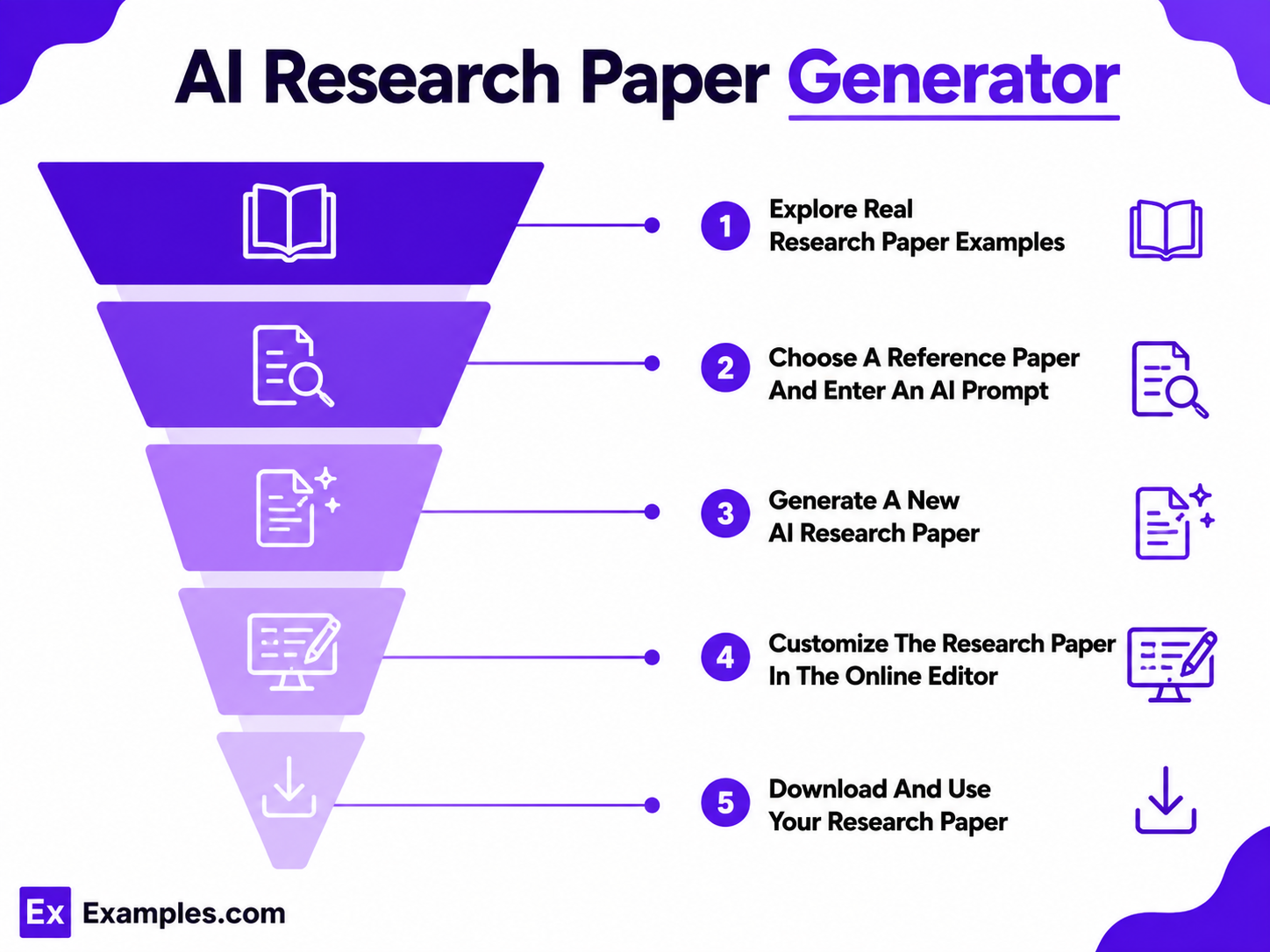
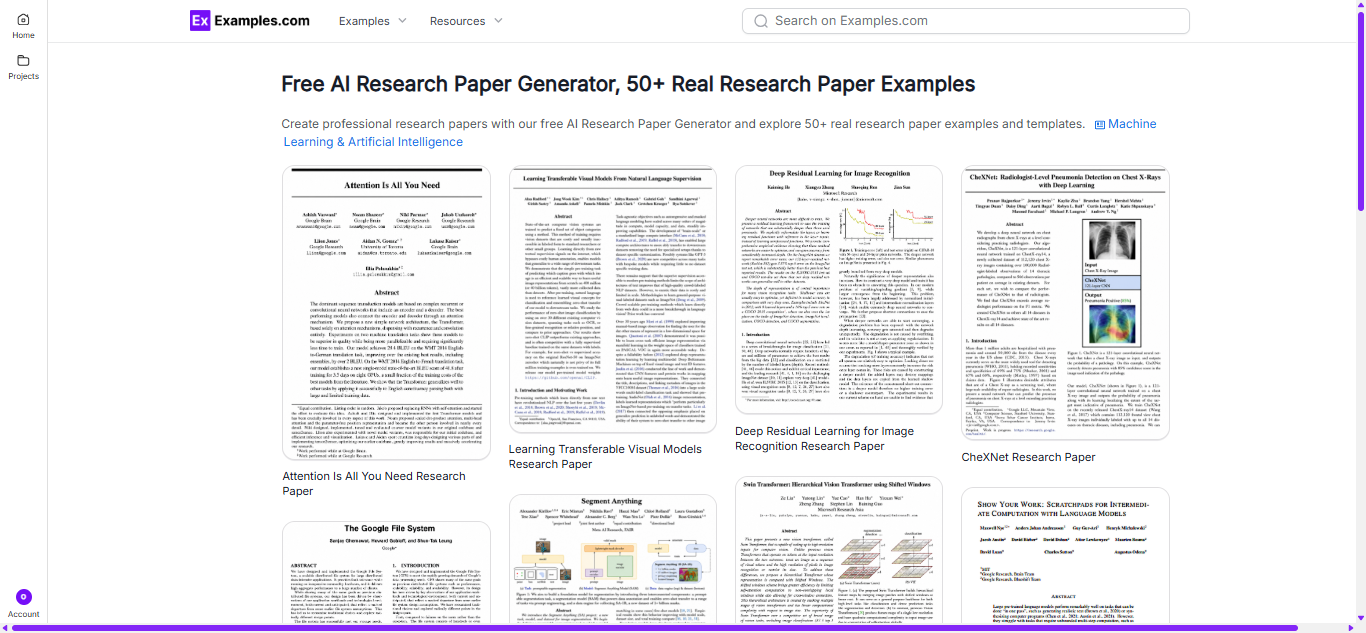
Explore Real Research Paper Examples
Browse professionally written research paper examples to understand paper structure, academic formatting, research methods, citations, and essential sections. Reviewing real examples helps you write clear, well-organized, and credible research papers for academic and professional purposes.
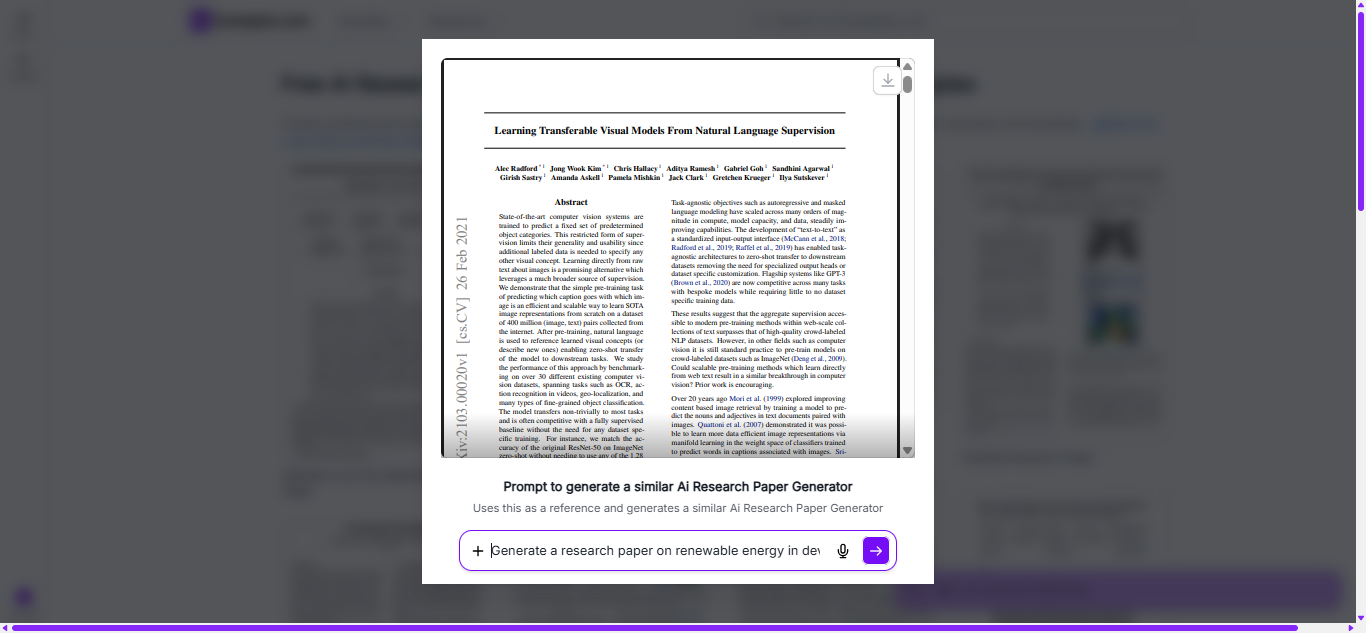
Choose A Reference Paper And Enter An AI Prompt
Select a reference research paper and describe your requirements, including the topic, research question, subject area, objectives, methodology, citation style, and any key points or sources you want to include.
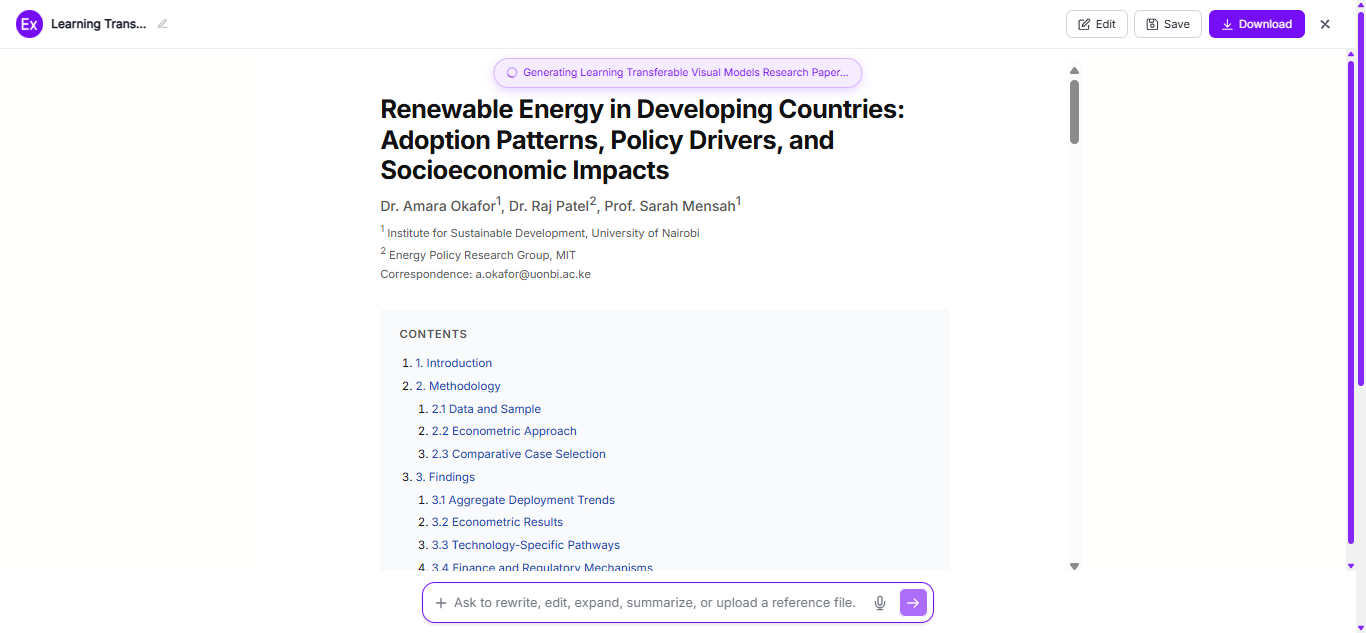
Generate A New AI Research Paper
The AI generates a structured research paper based on your prompt, organizing the content into academic sections such as the abstract, introduction, methodology, results, discussion, and references.
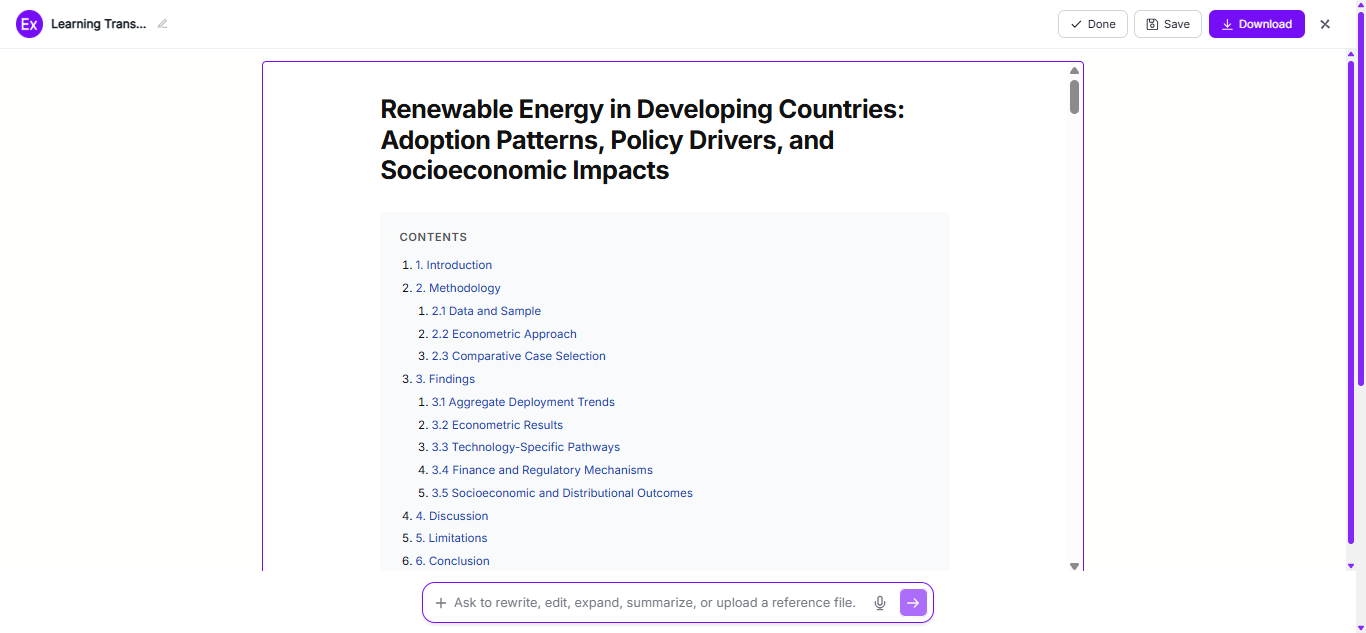
Customize The Research Paper In The Online Editor
Edit the title, research objectives, content, citations, references, formatting, headings, tables, and other sections to match your academic or professional requirements.
Download And Use Your Research Paper
Download your completed research paper in PDF format for submission, sharing, printing, publication, or future reference.
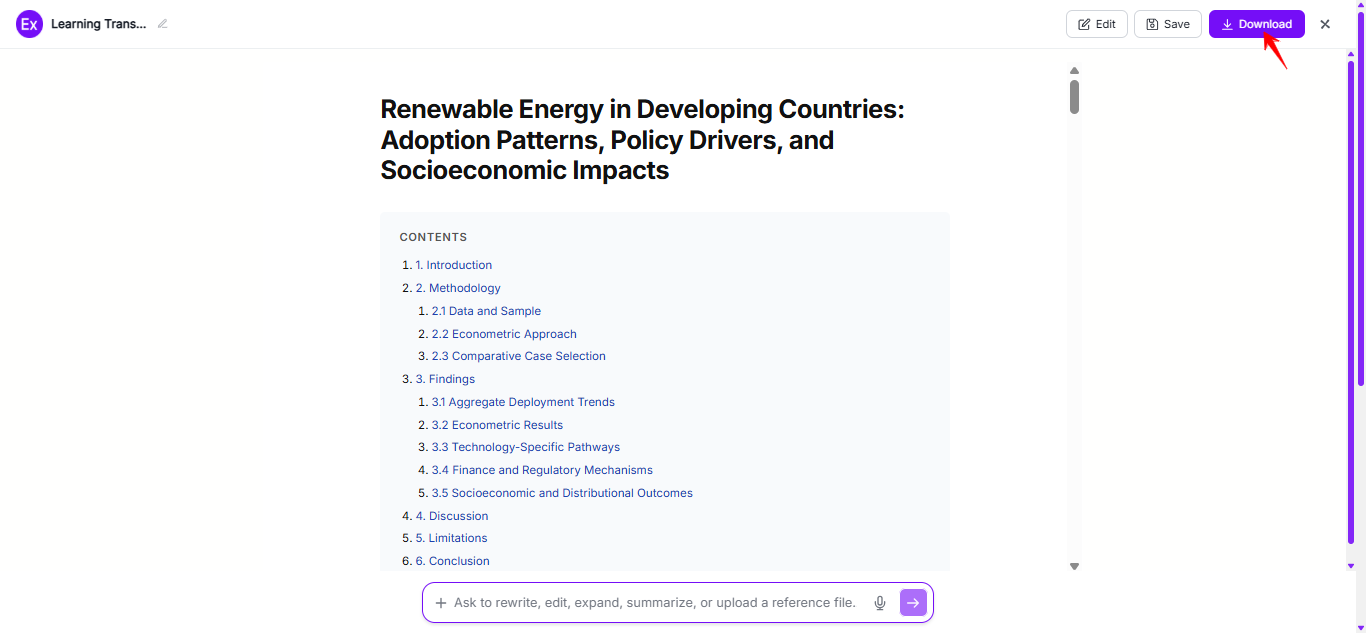
How Do I Customize A Research Paper Online?
Customizing a research paper online allows you to tailor the document to your academic requirements, subject area, and citation guidelines. You can modify the title, research question, abstract, headings, methodology, references, tables, and formatting to match standards such as APA, MLA, Chicago, or IEEE. Online editors also make it easy to update citations, improve clarity, reorganize sections, and refine your arguments, helping you create a professional and well-structured research paper that is ready for submission, publication, or presentation.
AI Research Paper Editing Features
AI Content Generation
Generate well-structured research paper sections, including the abstract, introduction, methodology, discussion, and conclusion based on your topic and requirements.
Smart Content Editing
Add, remove, or revise paragraphs, arguments, and research findings to improve clarity, accuracy, and academic quality.
Auto Formatting
Automatically organize headings, citations, references, and document layouts according to standard academic formatting guidelines.
Research Paper Customization
Update the title, research question, objectives, methodology, citation style, and other paper details with ease.
Collaboration And Review
Share your research paper with instructors, classmates, or colleagues for feedback, revisions, and peer review before final submission.
Instant Download Options
Download your completed research paper in your preferred format for submission, publication, printing, or future reference.
Which Standard Research Paper Formats Can I Use?
The standard format for a research paper depends on your academic discipline, institution, or publication guidelines. Most colleges, universities, and journals require a specific citation and formatting style to ensure consistency in headings, references, in-text citations, and document organization. The most commonly used research paper formats are APA, MLA, Chicago, Harvard, IEEE, and AMA, each serving different fields of study and professional requirements.
| Research Paper Format | Commonly Used In | Key Features |
|---|---|---|
| APA (American Psychological Association) | Psychology, Education, Social Sciences | Uses an author-date citation style, includes a title page, abstract, and reference list, and emphasizes clear and concise academic writing. |
| MLA (Modern Language Association) | Literature, Languages, Humanities | Uses author-page citations and a Works Cited page, making it ideal for analyzing texts and cultural studies. |
| Chicago Style | History, Publishing, Fine Arts | Offers Notes and Bibliography and Author-Date systems, providing flexibility for extensive source documentation. |
| Harvard Style | Business, Social Sciences, Management | Uses author-date references and an alphabetical bibliography, making it popular for academic and professional research. |
| IEEE (Institute of Electrical and Electronics Engineers) | Engineering, Computer Science, Technology | Uses numbered in-text citations and references arranged in the order they appear in the paper. |
| AMA (American Medical Association) | Medicine, Healthcare, Biological Sciences | Uses superscript or numbered citations and follows strict formatting guidelines for scientific and medical research papers. |
Which Essential Elements Should Every Research Paper Include?
- Title And Abstract: The title identifies the research topic, while the abstract provides a brief summary of the study’s objectives, methodology, key findings, and conclusions.
- Introduction: The introduction gives background information, explains the importance of the study, and presents the research question, objectives, or hypothesis.
- Literature Review: This section reviews previous studies and existing knowledge to identify research gaps and establish the foundation for the current research.
- Methodology: The methodology explains how the research was conducted, including the study design, data collection methods, materials, participants, and procedures.
- Results: The results section presents the research findings objectively through text, tables, charts, or graphs without interpretation.
- Discussion: The discussion interprets the findings, explains their significance, compares them with previous studies, and addresses the limitations of the research.
- Conclusion: The conclusion summarizes the main findings, answers the research question, and highlights the overall contribution of the study.
- References Or Bibliography: This section lists all the sources cited in the research paper to provide proper attribution and maintain academic integrity.
How Do I Write A Better Research Paper?
- Choose A Clear And Focused Topic: Select a specific topic that is interesting, researchable, and relevant to your academic or professional goals.
- Develop A Strong Research Question: Create a clear research question or hypothesis that guides your study and keeps your paper focused.
- Use Credible Sources: Gather information from reliable books, journals, research articles, and academic publications to support your arguments.
- Create A Structured Outline: Organize your ideas into sections such as the introduction, methodology, results, discussion, and conclusion before you start writing.
- Present Evidence Objectively: Support your claims with facts, data, and citations instead of personal opinions or unsupported statements.
- Write Clearly And Concisely: Use simple, professional language and avoid unnecessary jargon, repetition, or overly complex sentences.
- Follow The Required Citation Style: Format your paper according to the required style guide, such as APA, MLA, Chicago, Harvard, or IEEE, to maintain consistency and avoid plagiarism.
- Revise And Proofread Your Paper: Review your content for grammar, clarity, formatting, and accuracy before submitting or publishing your research paper.
Why Should I Use Real Research Paper Examples Before Writing My Own?
- Understand the standard structure and organization of a research paper, including the abstract, introduction, methodology, results, discussion, and references.
- Learn how to present arguments, research findings, and evidence in a clear, logical, and academically accepted format.
- See how credible sources are cited and referenced correctly using formats such as APA, MLA, Chicago, Harvard, or IEEE.
- Discover effective ways to write strong introductions, research questions, conclusions, and transitions between sections.
- Improve your academic writing style by observing how professional papers maintain clarity, objectivity, and consistency.
- Identify the level of detail, depth of analysis, and supporting evidence expected in high-quality research papers.
- Gain ideas for organizing tables, charts, figures, and other visual elements that strengthen research findings.
- Avoid common formatting, citation, and structural mistakes by following proven examples and best practices.
- Save time during the writing process by using real research papers as a reference for content organization and document formatting.
- Build confidence in creating a well-structured, credible, and professional research paper that meets academic and publication standards.
What Common Research Paper Writing Mistakes Should I Avoid?
- Choosing A Broad Or Unclear Topic: Selecting a topic that is too broad or poorly defined can make your research difficult to organize and weaken your arguments.
- Using Unreliable Sources: Relying on unverified websites or unsupported information can reduce the credibility and accuracy of your research paper.
- Lacking A Clear Research Question: Writing without a specific research question or objective often results in an unfocused and disorganized paper.
- Poor Organization And Structure: Skipping important sections or presenting information out of order can make the paper difficult to follow.
- Failing To Support Claims With Evidence: Statements and conclusions should always be backed by credible sources, data, or research findings.
- Ignoring Citation And Formatting Guidelines: Incorrect citations and formatting can lead to inconsistencies and may result in plagiarism issues.
- Using Complex Or Unclear Language: Overly complicated sentences and excessive jargon can make your research difficult for readers to understand.
- Not Analyzing The Findings Properly: Simply presenting information without interpreting its significance limits the value of the research.
- Overlooking Grammar And Proofreading Errors: Spelling, grammar, and punctuation mistakes can reduce the professionalism and readability of the paper.
- Skipping The Revision Process: Submitting the first draft without reviewing and refining the content often leaves errors and weak arguments unaddressed.
How Can A Research Paper Support Academic And Professional Growth?
Develop Research And Analytical Skills
Writing a research paper strengthens your ability to gather information, evaluate evidence, analyze data, and draw well-supported conclusions.
Improve Academic Writing Skills
Research papers help you develop clear, organized, and professional writing skills that are essential for academic success and scholarly communication.
Build Subject Matter Expertise
Conducting in-depth research allows you to gain a deeper understanding of a topic and become more knowledgeable in your field of study.
Strengthen Critical Thinking Abilities
Research papers encourage you to question information, compare perspectives, identify patterns, and develop evidence-based arguments.
Enhance Problem-Solving Skills
Investigating research questions and interpreting findings improve your ability to solve complex academic and professional challenges.
Support Higher Education And Career Opportunities
A strong research paper can strengthen academic portfolios, support graduate applications, and demonstrate valuable skills to employers and professional organizations.
Research Paper Topics For Different Subjects And Industries
- Business And Management: Market trends, consumer behavior, leadership strategies, entrepreneurship, digital marketing, and organizational performance.
- Technology And Computer Science: Artificial intelligence, cybersecurity, machine learning, data science, cloud computing, and software development.
- Healthcare And Medicine: Public health, mental health, medical technologies, disease prevention, healthcare management, and patient care.
- Education: Online learning, educational technology, student performance, teaching methods, and curriculum development.
- Engineering: Renewable energy, sustainable infrastructure, robotics, smart manufacturing, and transportation systems.
- Environmental Science: Climate change, pollution control, renewable resources, biodiversity conservation, and sustainable development.
- Finance And Economics: Financial markets, cryptocurrency, investment strategies, economic growth, inflation, and banking systems.
- Psychology And Social Sciences: Human behavior, social media influence, workplace psychology, mental well-being, and cultural studies.
- Law And Public Policy: Human rights, data privacy, corporate governance, environmental regulations, and public administration.
- Marketing And Media: Brand management, digital advertising, consumer engagement, content marketing, and social media trends.
FAQs
What Is The Main Purpose Of A Research Paper?
The main purpose of a research paper is to investigate a topic, present evidence, and contribute new knowledge.
How Long Should A Research Paper Be?
Research paper length varies by assignment or publication requirements and may range from several pages to extensive studies.
Can I Write A Research Paper Without Original Research?
Yes, some research papers analyze existing studies and sources instead of conducting original experiments or collecting new data.
What Makes A Research Paper Credible?
A credible research paper uses reliable sources, accurate citations, evidence-based arguments, and a well-structured presentation.
How Many Sources Should A Research Paper Include?
The number of sources depends on the topic, but relevant and authoritative references are always essential.
When Should I Include Tables And Figures In A Research Paper?
Include tables and figures when they help explain data, research findings, or complex information more effectively.
Is A Research Paper Different From An Essay?
Yes, a research paper relies on evidence and scholarly sources, while essays often focus on personal analysis.
Why Are Citations Important In A Research Paper?
Citations give credit to original authors, support claims, and help readers verify the information presented.
Can I Use Online Sources In A Research Paper?
Yes, online sources can be used if they are credible, authoritative, and relevant to the research topic.
How Do I Know If My Research Paper Is Ready To Submit?
A research paper is ready when it is proofread, correctly formatted, and meets all assignment requirements.