
Introduction
Retaining key facts, dates, and definitions in History is much easier with active recall. History Flashcards turn passive notes into an interactive study routine. You can also build a ready-made set of flashcards on this exact topic instead of writing your own from scratch.
What Are History Flashcards?
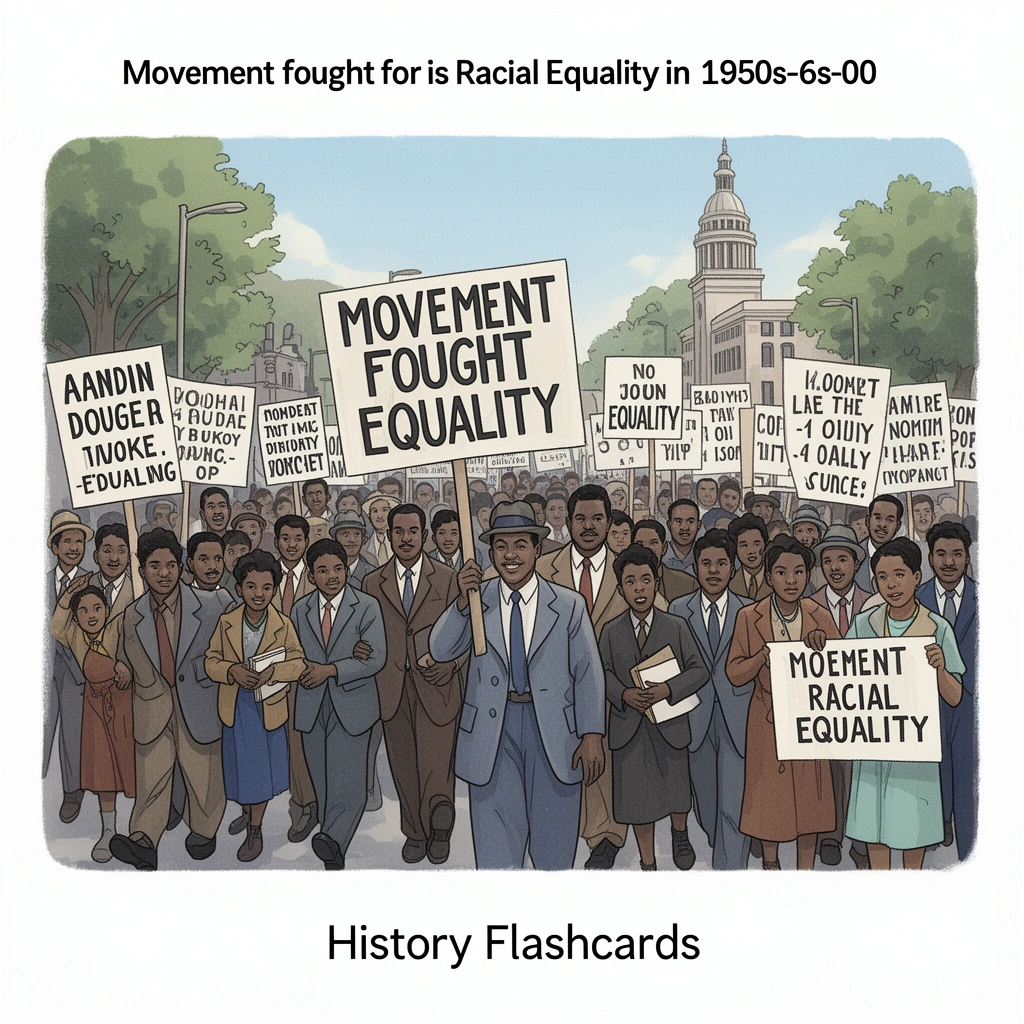
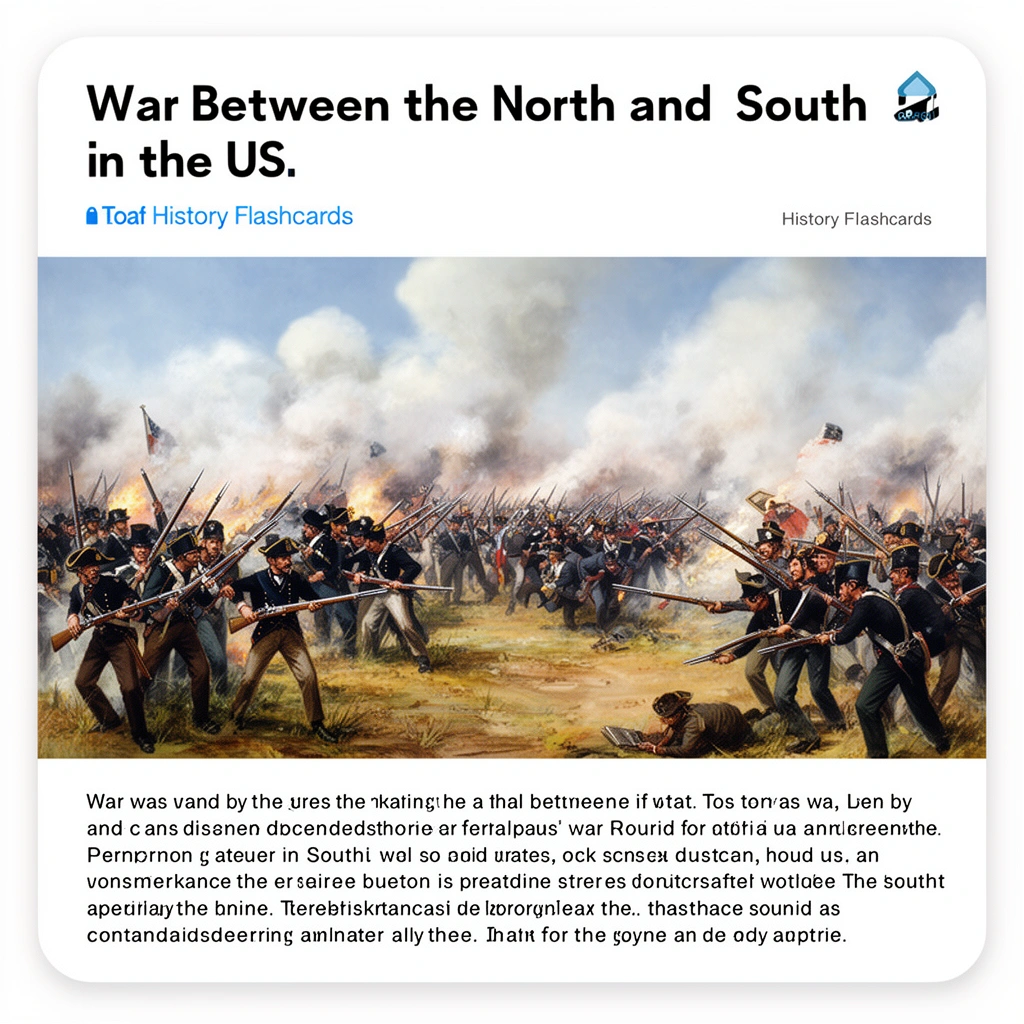
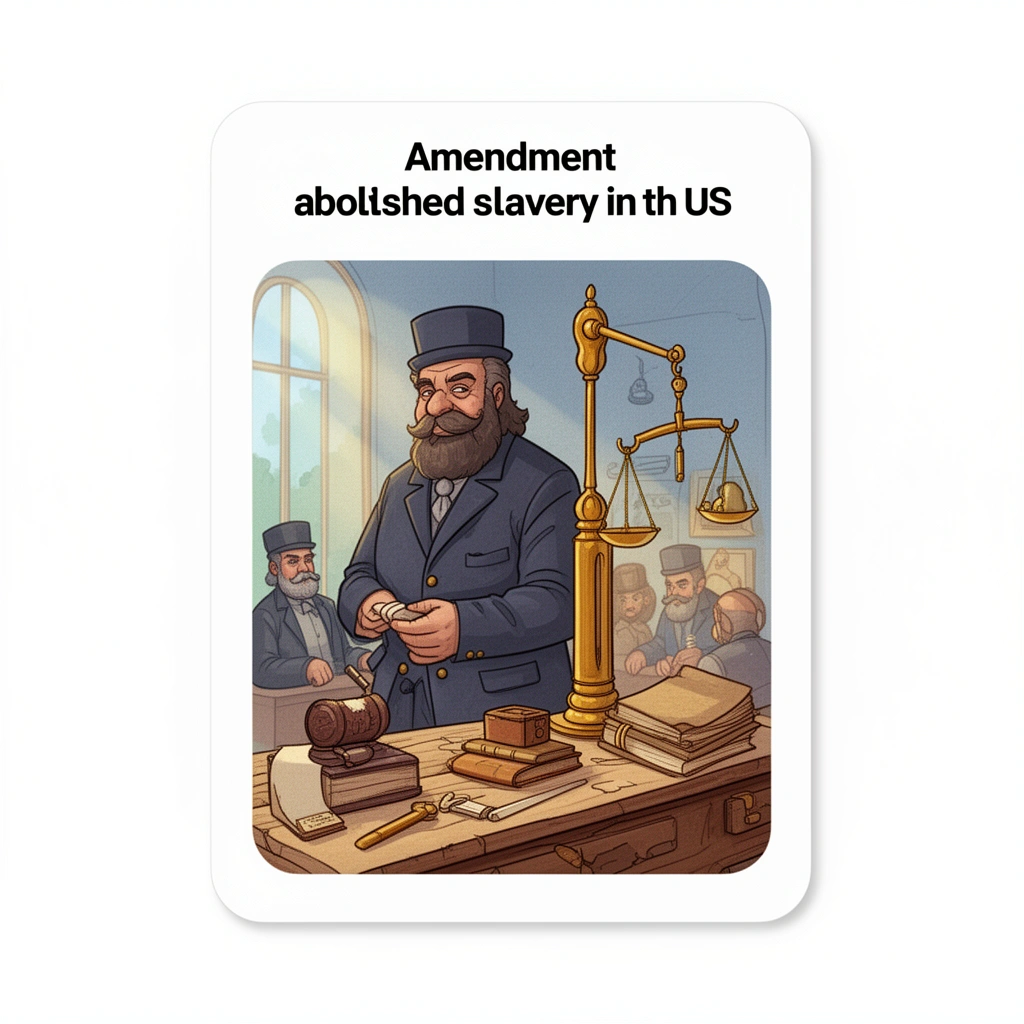
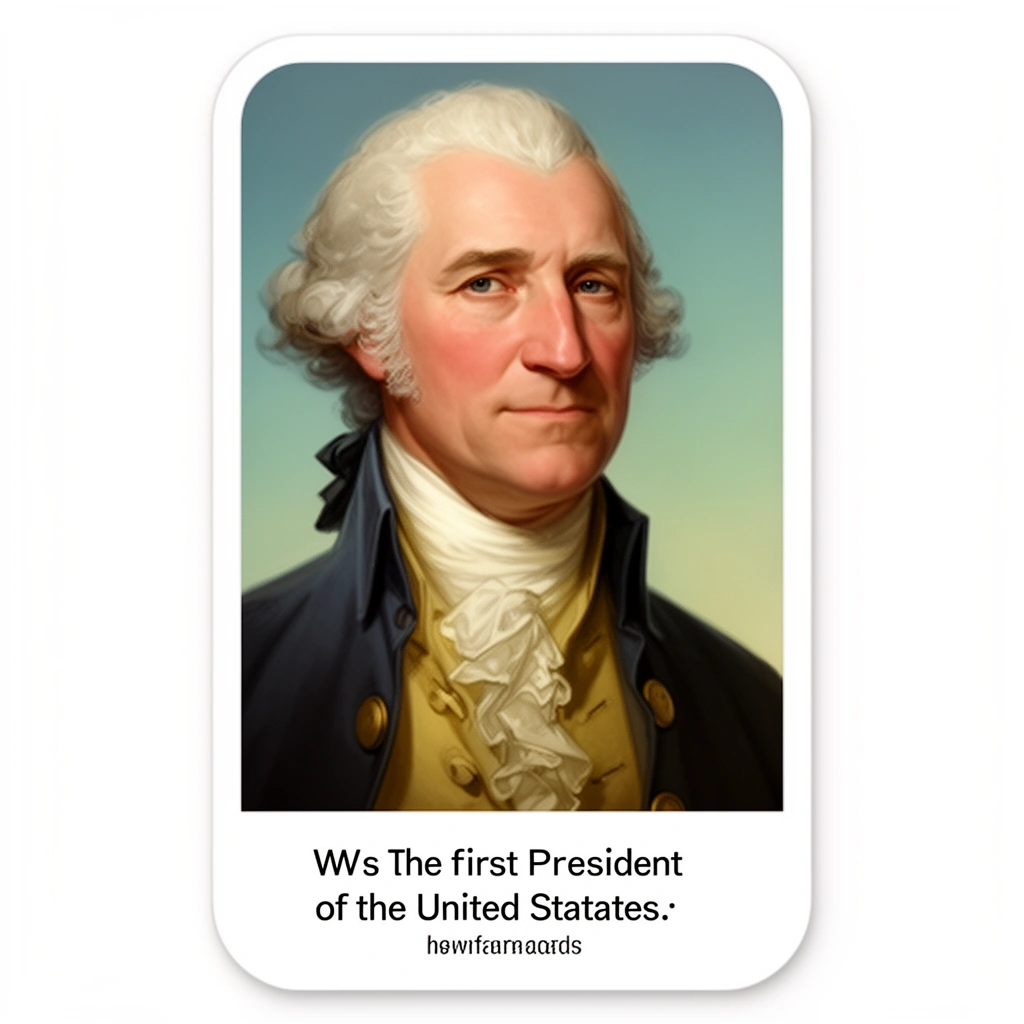
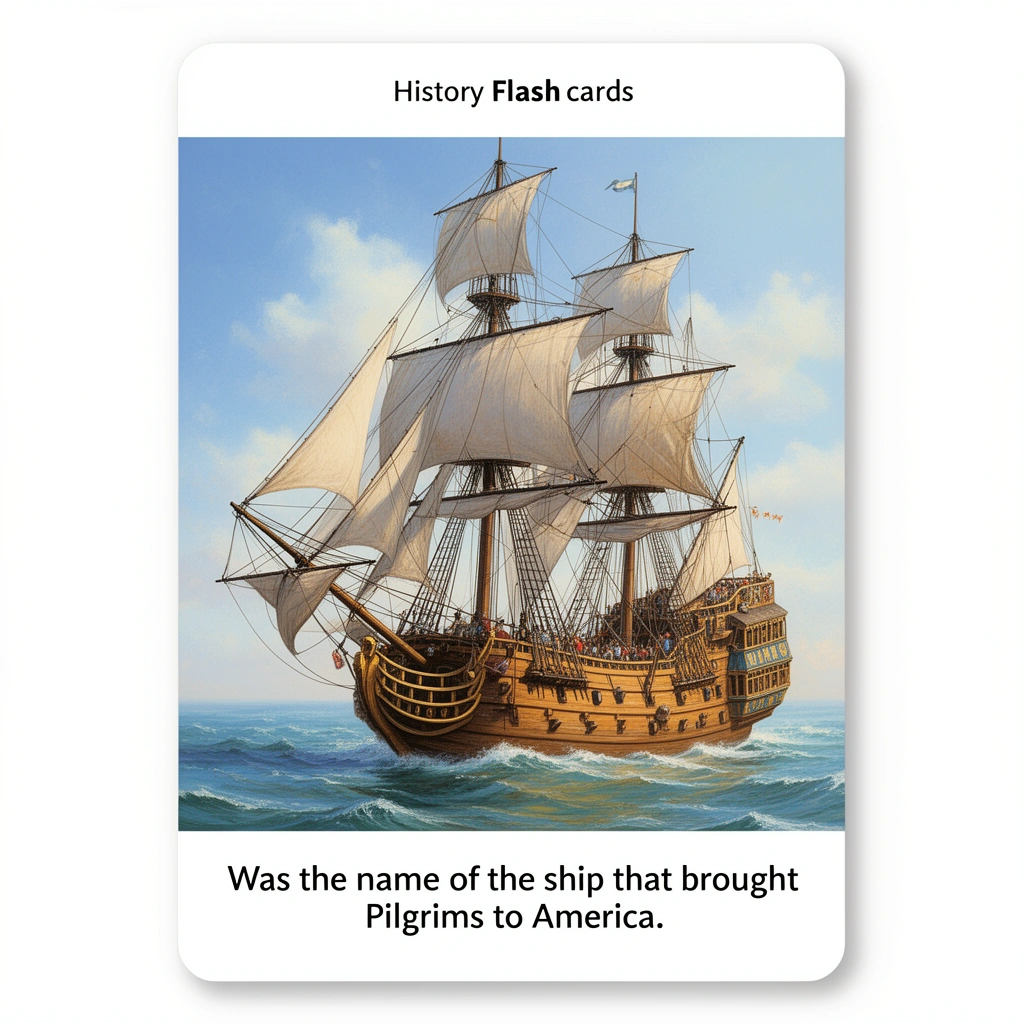
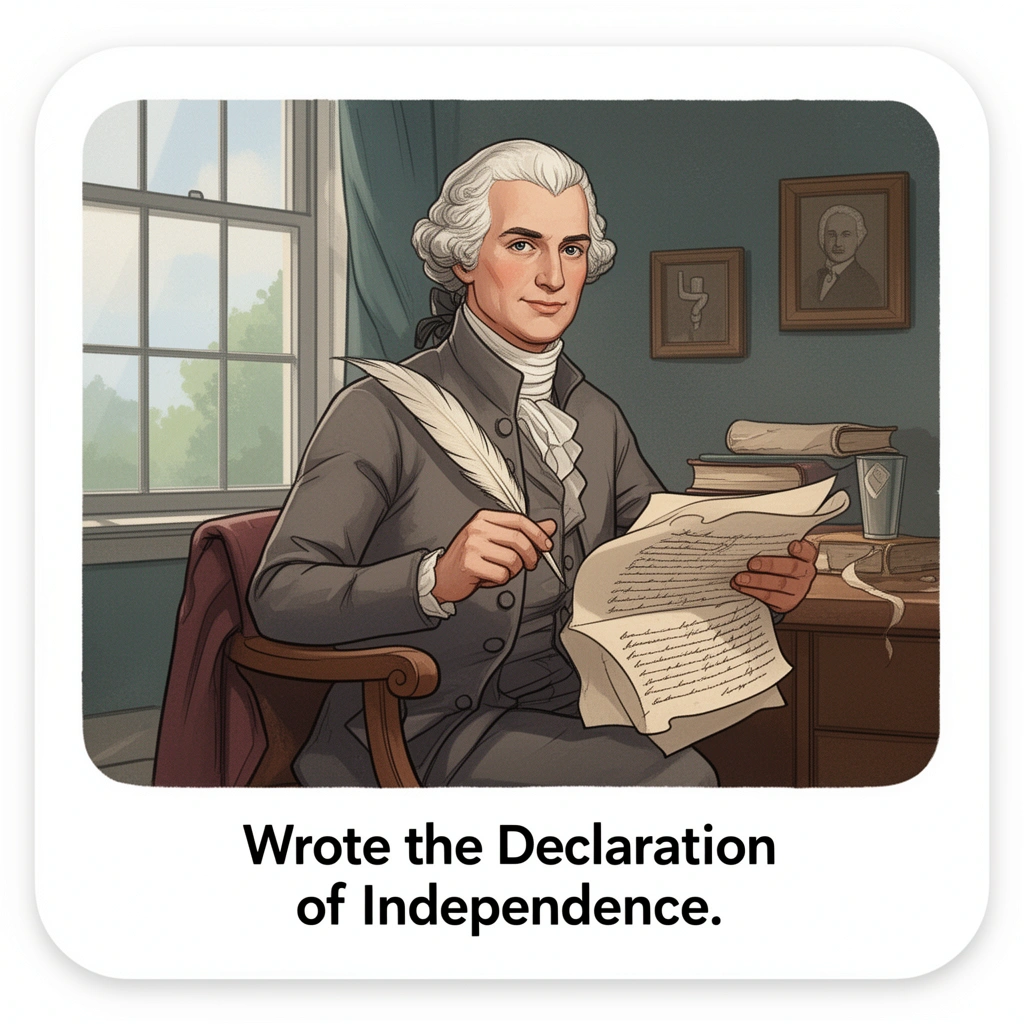
History Flashcards turn key terms, dates, theories, and definitions from History into simple question-and-answer cards, making it easy to test recall rather than just re-reading notes. Looking at real history flashcard examples can help clarify what a well-built card should look like before you start your own deck.
Why Flashcards Are Effective for History
Active Recall Over Passive Review
Re-reading notes or a textbook chapter can feel like studying, but it doesn’t test whether the information has actually been retained. Flashcards require you to retrieve the answer from memory, which builds stronger long-term recall.
Breaking Down Large Amounts of Content
History often involves a large volume of terms, dates, or concepts to remember. Breaking that material into individual cards makes it far less overwhelming than trying to review it all at once.
Easy to Fit Into a Study Routine
Short, frequent review sessions with History Flashcards fit easily into a daily study routine, even on busy days when a full study session isn’t possible.
How to Study Effectively With History Flashcards
- Organize cards by topic or unit so related concepts reinforce each other.
- Review a little every day rather than cramming right before a test.
- Test yourself in both directions — term to definition and definition to term — for deeper understanding.
- Separate cards you know well from ones you’re still learning, and spend more time on the latter.
- Combine with practice questions to apply the knowledge, not just recall isolated facts.
A flashcard maker can put together a full deck like this automatically, which is useful when time is limited.
Example in Practice
A student preparing for a History assessment might create a deck covering key vocabulary, then quiz themselves for ten minutes each evening, moving mastered cards to a separate pile and keeping the rest in rotation until they’re consistently answered correctly. An AI flashcard generator can also build this kind of deck automatically, complete with hints and multiple-choice options for quiz practice.
FAQs
How many history flashcards should I review each day?
Reviewing 20–30 cards a day is manageable for most students, with extra time spent on cards that are consistently answered incorrectly.
Should I make my own flashcards or use pre-made ones?
Making your own cards can improve retention through the act of writing them, though pre-made decks save time and can be a useful starting point.
Can history flashcards help with exam essay questions, not just facts?
Yes — cards covering key terms and concepts build the foundational recall needed to then construct stronger essay answers under exam conditions.
Conclusion
History Flashcards offer a simple, proven way to build stronger recall and confidence around History. Used consistently — in short, regular sessions rather than occasional cramming — they can turn what feels like a mountain of material into steady, manageable progress.