
Introduction
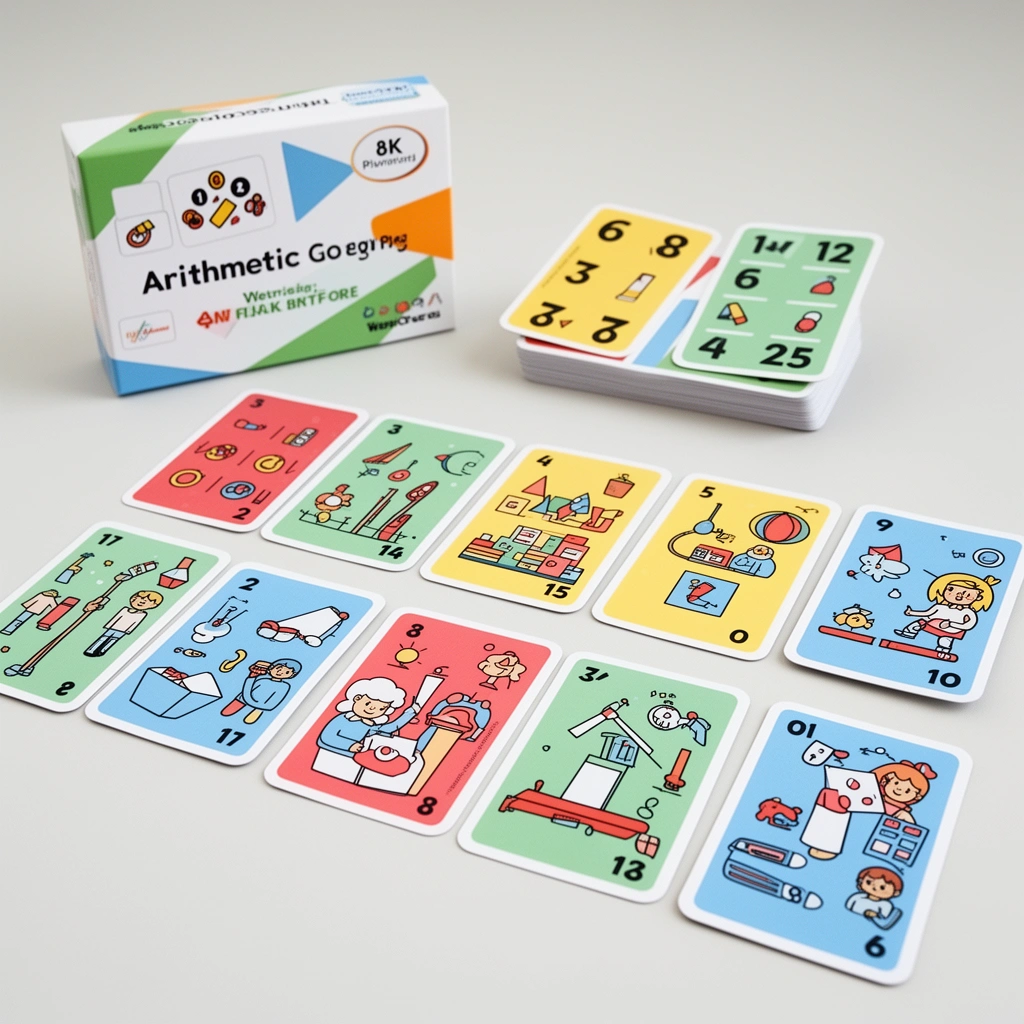
Fluency in Arithmetic comes from repetition, not just understanding the concept once. Arithmetic Flashcards give you a fast, low-pressure way to drill facts until they become automatic. For a quicker start, a set of flashcards can be generated for this topic automatically.
What Are Arithmetic Flashcards?
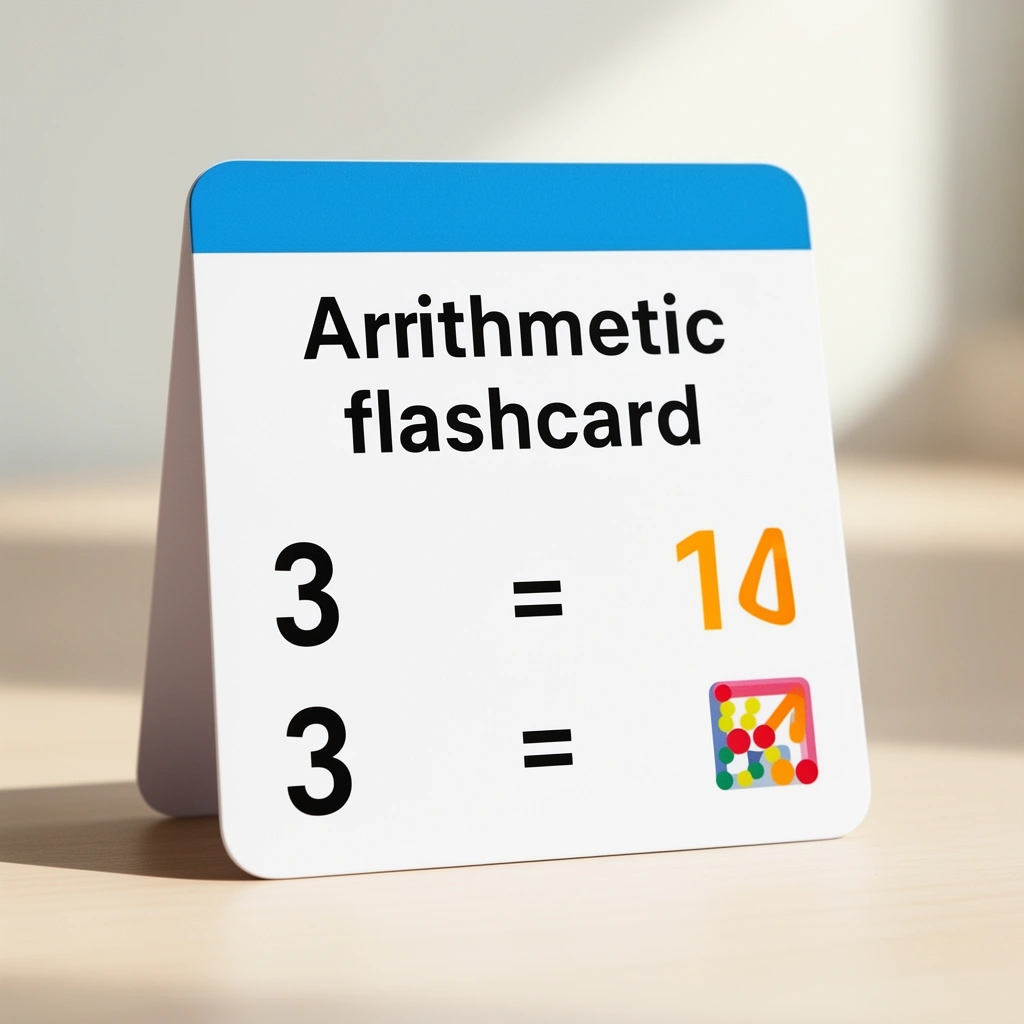
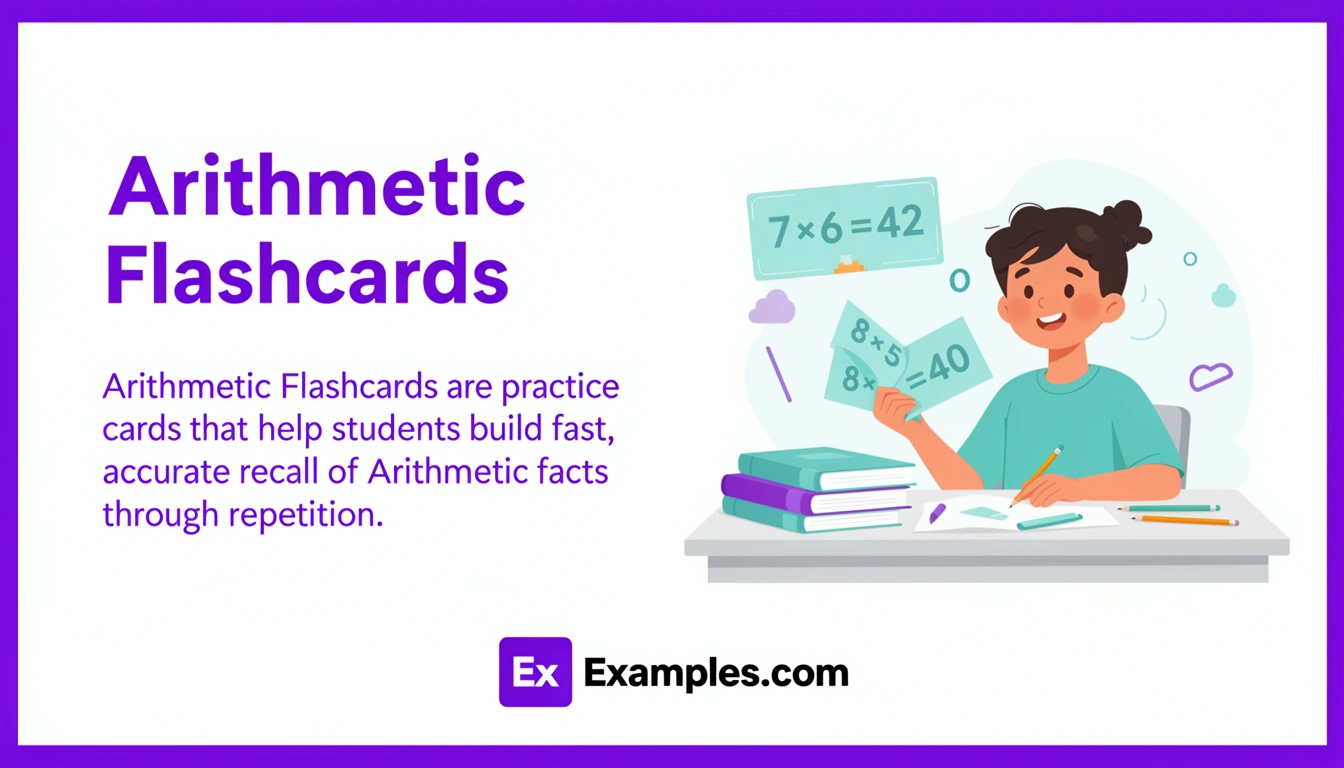
Arithmetic Flashcards present a math problem on one side and the answer on the other, letting learners test speed and accuracy without a full worksheet. They’re one of the simplest tools for building number fluency. A few arithmetic flashcard examples can serve as a helpful template before writing your own questions.
Why Arithmetic Fluency Matters
Being able to recall Arithmetic facts quickly frees up mental energy for more complex problem-solving later on. A student who has to pause and calculate a basic fact mid-problem loses track of the bigger process they’re working through. Fluency built through flashcard repetition removes that bottleneck.
How to Use Arithmetic Flashcards Effectively
- Start with a manageable deck. Ten to twenty cards at a time is easier to focus on than an entire set.
- Time yourself. Tracking how quickly you can get through a deck accurately gives a clear measure of progress.
- Separate “known” and “still learning” piles. Spend more repetitions on the cards you get wrong.
- Mix up the order. Reviewing cards in the same sequence every time can lead to memorizing the order instead of the facts.
- Revisit older decks periodically to prevent forgetting facts you’ve already learned.
Using a flashcard maker is often the fastest way to turn this kind of material into a study-ready deck.
Practical Example
If a child is working on Arithmetic, a parent might hold up a card reading “7 x 8” and ask for the answer within a few seconds. Correct answers move to a “mastered” pile; incorrect ones get shuffled back in for extra practice a few cards later.
Making Practice Fun
Turning flashcard review into a quick game — racing against a timer, competing with a sibling, or earning a small reward for a mastered deck — helps maintain motivation, especially for younger learners who might otherwise find repetitive drills tedious. For a faster approach, an AI flashcard generator can generate this entire deck automatically, hints and all.
FAQs
What age is appropriate to start arithmetic flashcards?
Most children begin building basic fact fluency around ages 6–9, though the right time depends on the specific math skill and the individual child’s readiness.
How long should a flashcard session last?
Short sessions of 5–10 minutes, done consistently, tend to be more effective than long, infrequent sessions.
Should arithmetic flashcards replace other math practice?
No — flashcards work best alongside other methods like worksheets and hands-on problem solving, focusing specifically on building quick recall of facts.
Conclusion
Arithmetic Flashcards offer a simple, proven way to build stronger recall and confidence around Arithmetic. Used consistently — in short, regular sessions rather than occasional cramming — they can turn what feels like a mountain of material into steady, manageable progress.