
Introduction
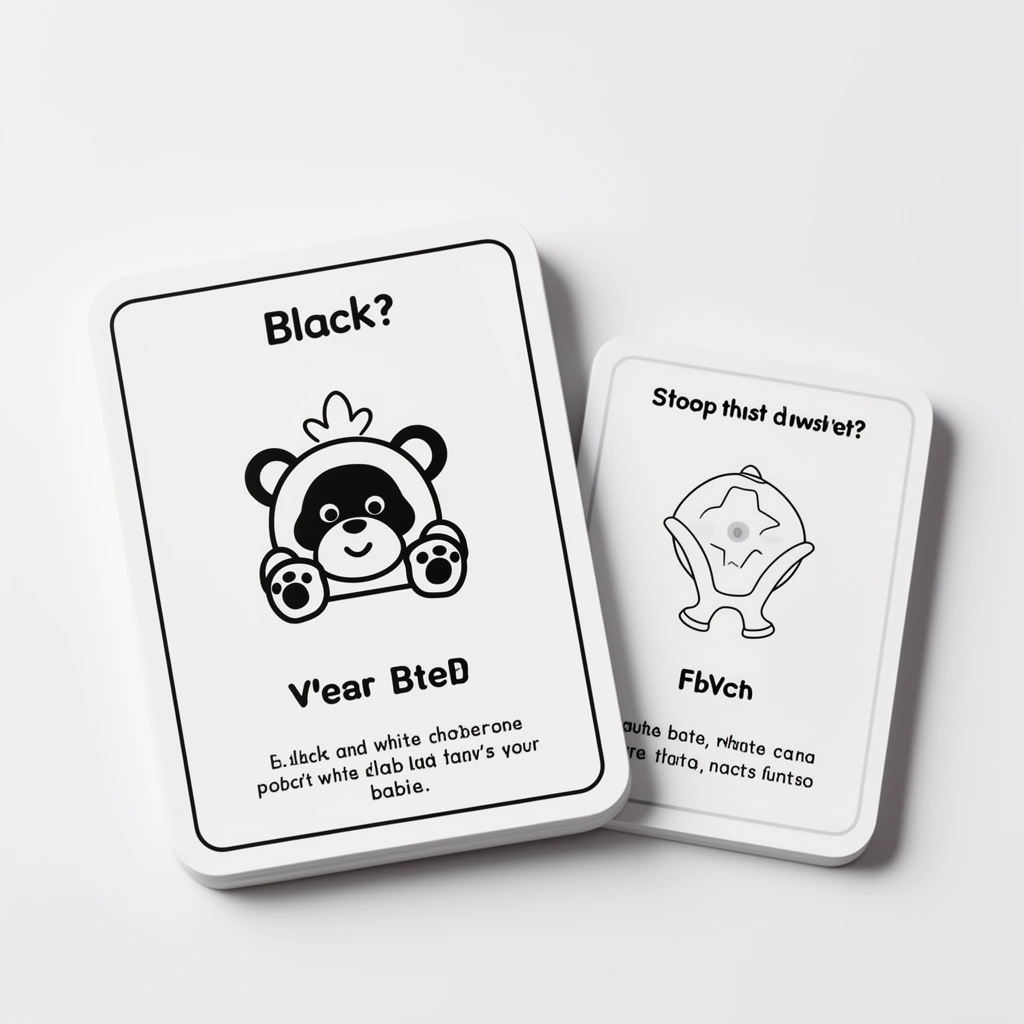
The earliest years are a critical window for language and visual development. Black and White Cards for Babies turn everyday objects, words, and images into simple, engaging moments of learning. You can also build a ready-made set of flashcards on this exact topic instead of writing your own from scratch.
What Are Black and White Cards for Babies?
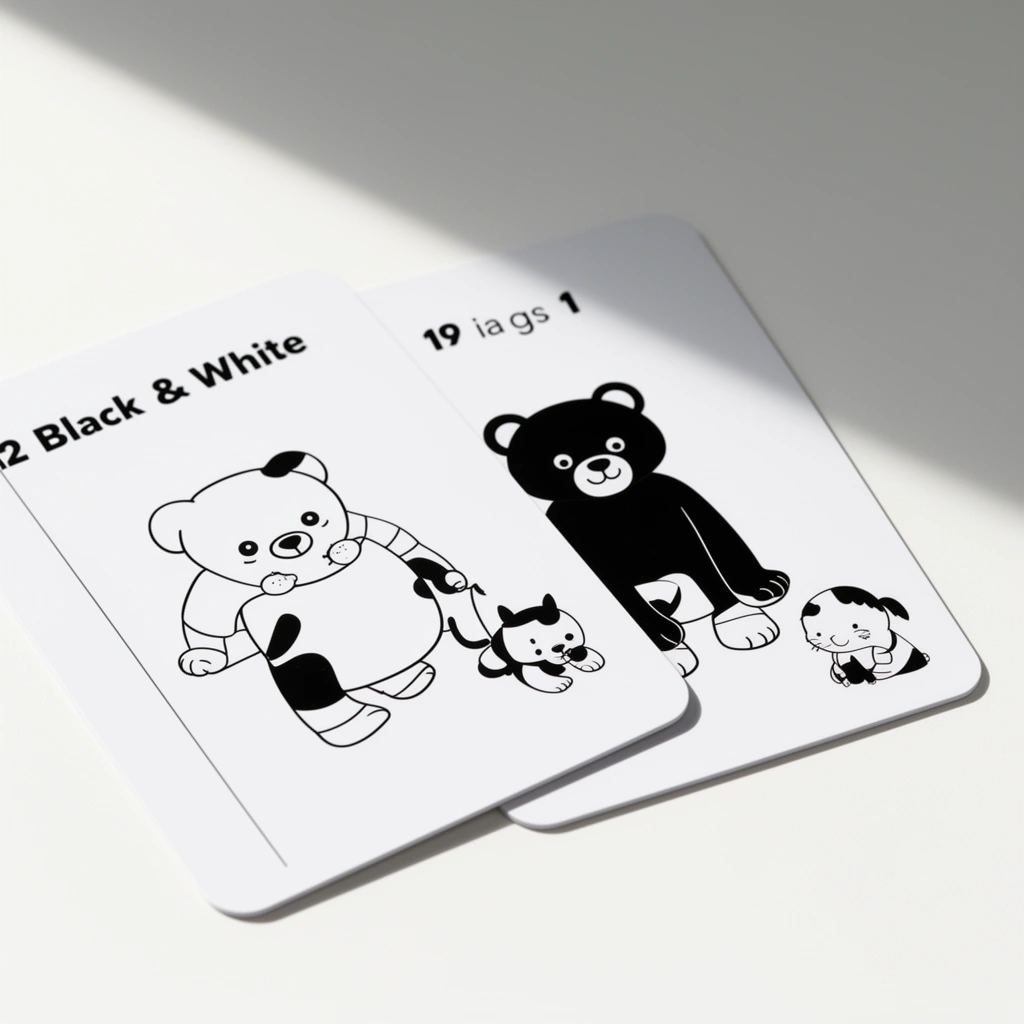
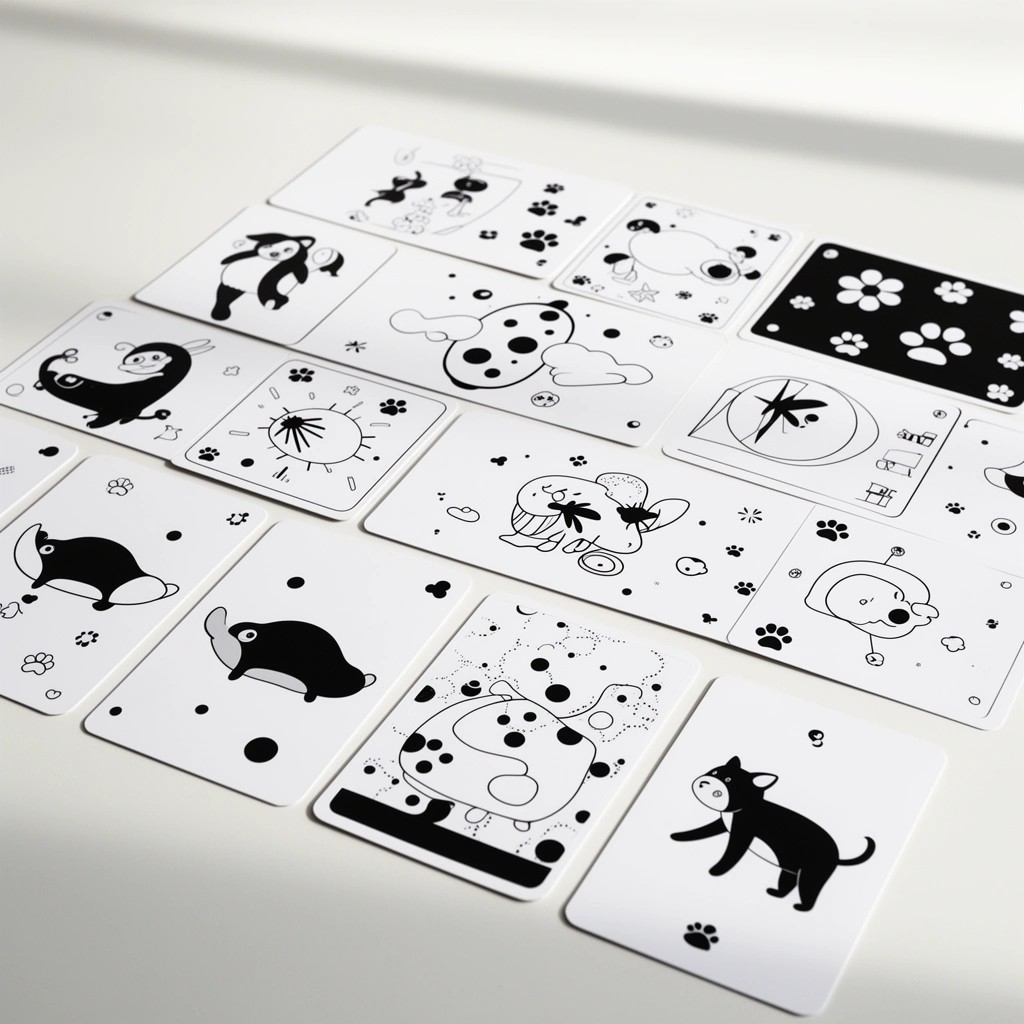
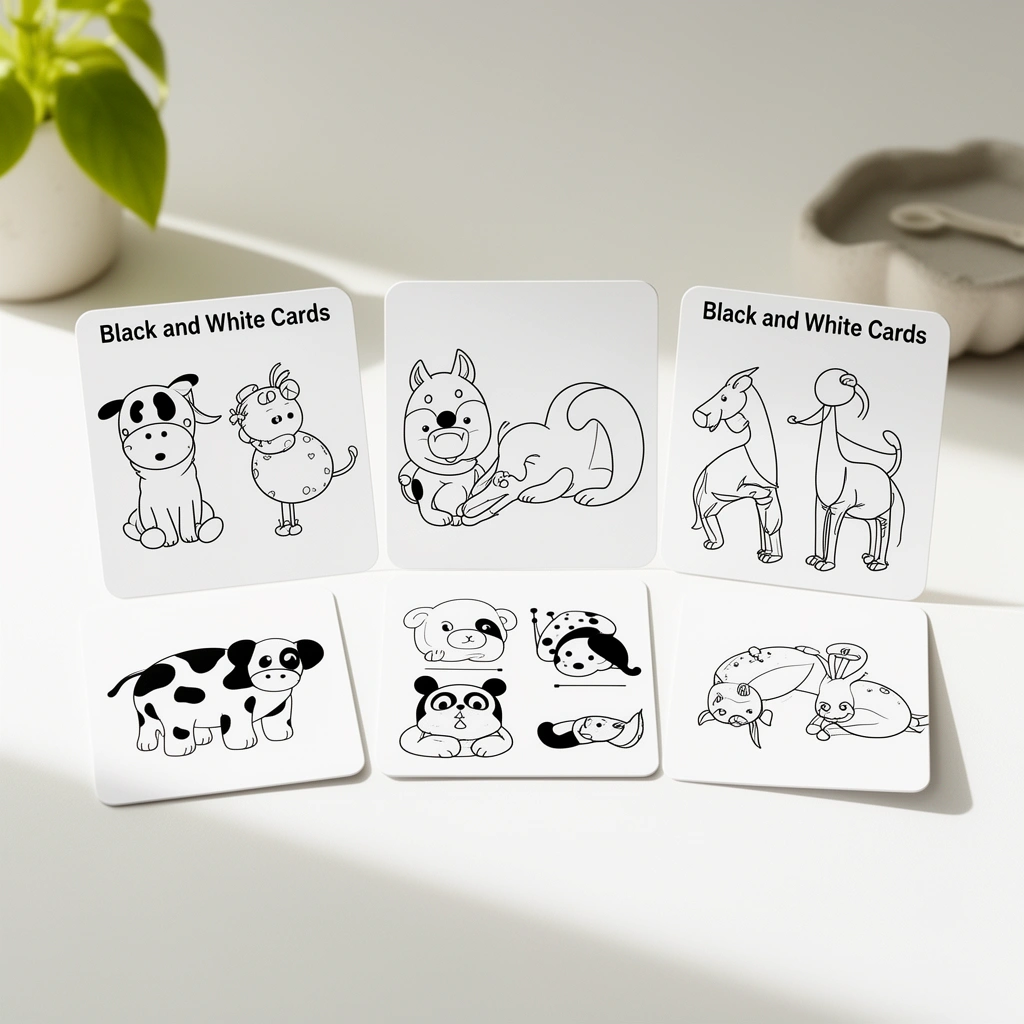
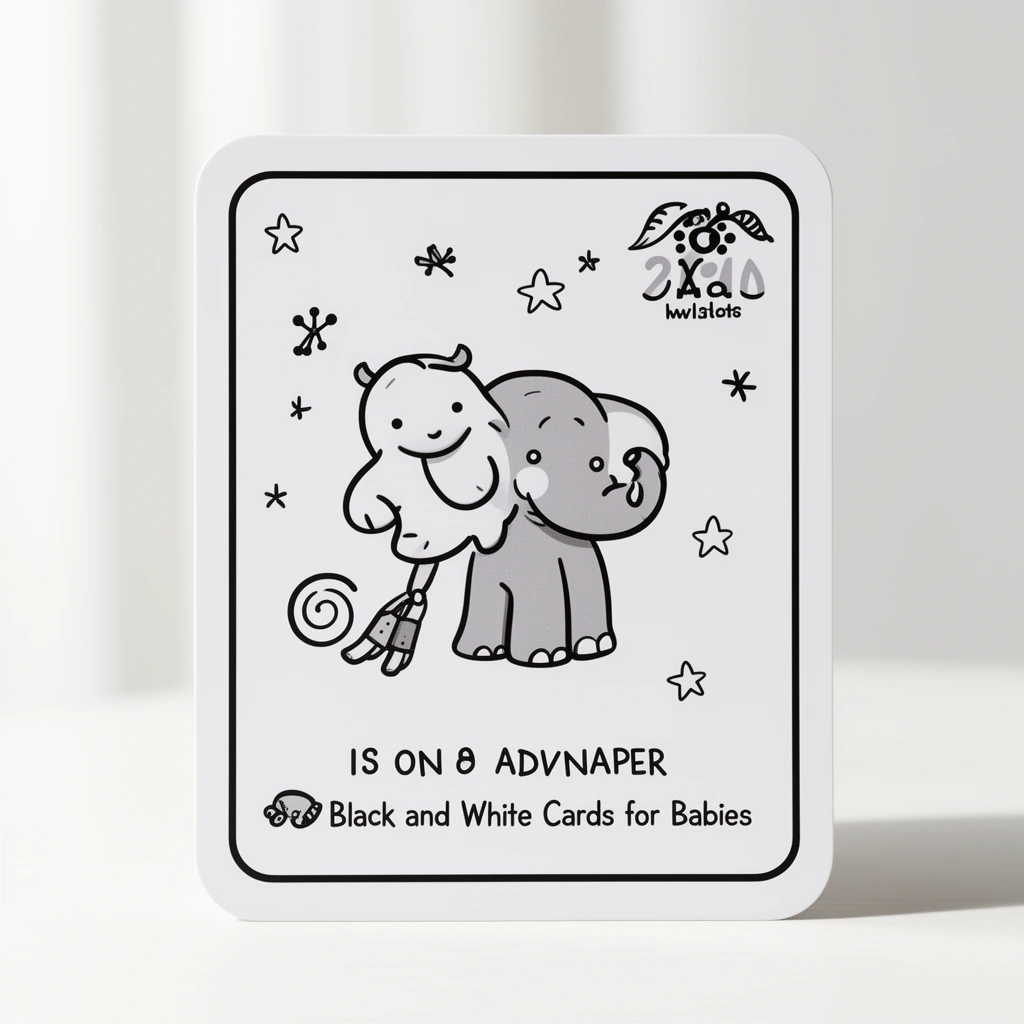
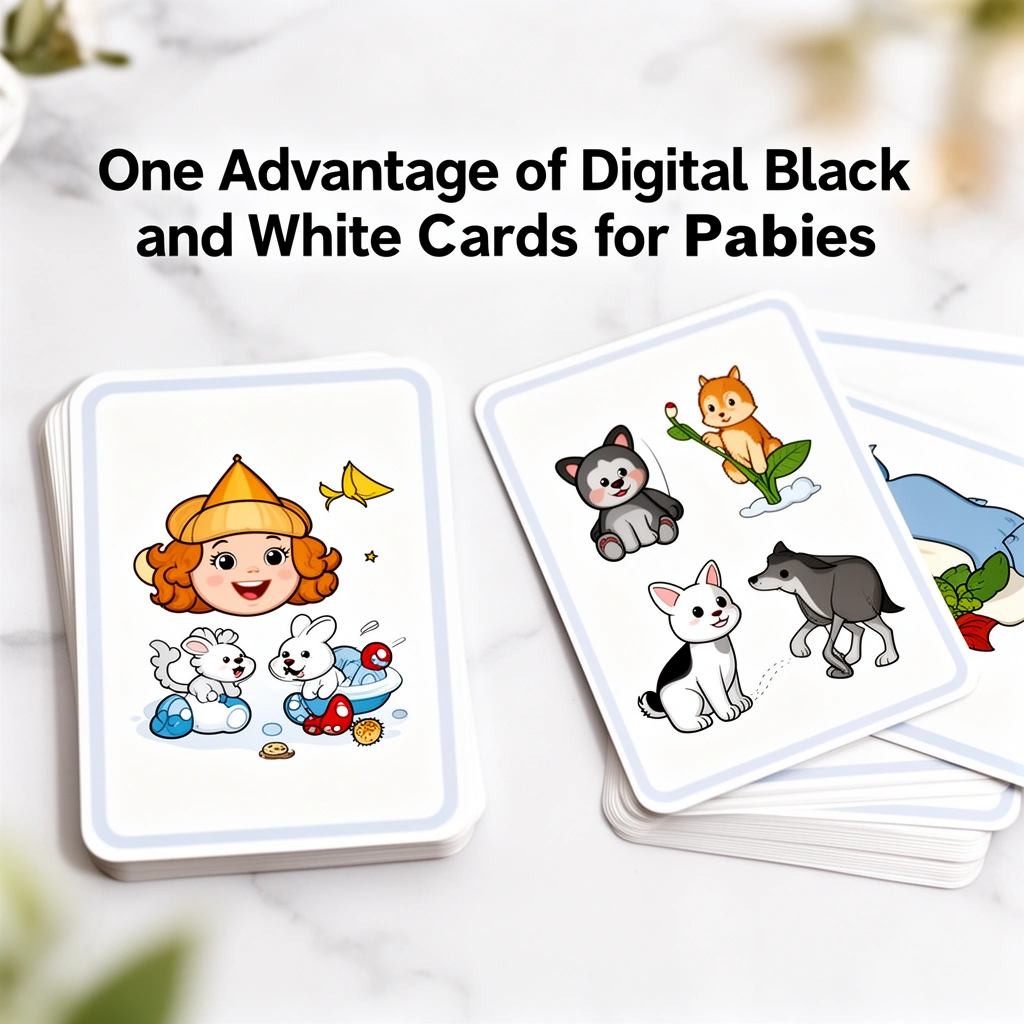
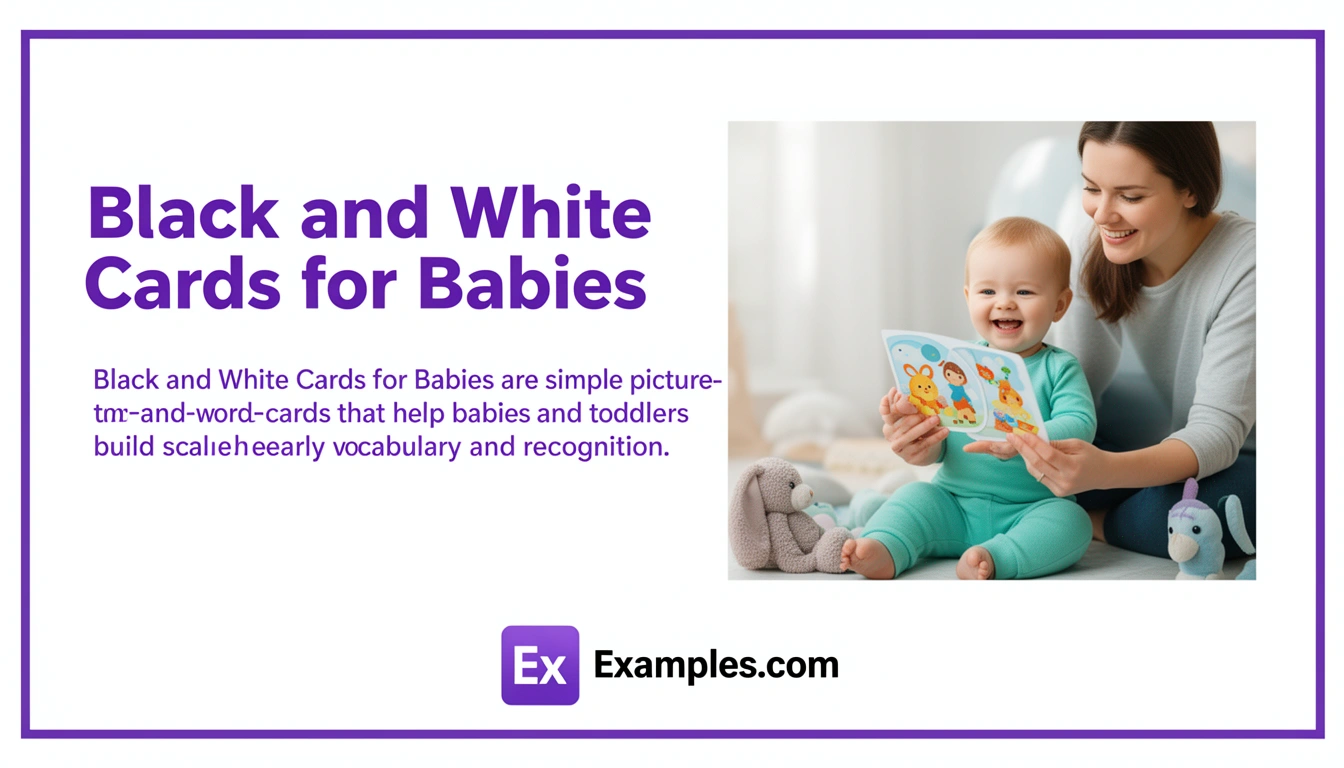
Black and White Cards for Babies use bold images, simple words, and high contrast to capture a young child’s attention and support early language development, well before formal reading instruction begins. Reviewing existing black and white for babies flashcard examples can make it easier to judge what belongs on a good card and what doesn’t.
Why Early Flashcard Exposure Helps
Building Vocabulary Early
Repeated exposure to a word alongside its picture helps children build receptive vocabulary — the words they understand — long before they can speak them.
Supporting Visual Development
For very young babies, high-contrast black-and-white or brightly colored images help develop visual tracking and focus, since infants’ vision is still developing.
Creating Bonding Time
Flashcard sessions double as one-on-one interaction time between a caregiver and child, which supports language development through conversation as much as the cards themselves.
How to Use Black and White Cards for Babies With Young Children
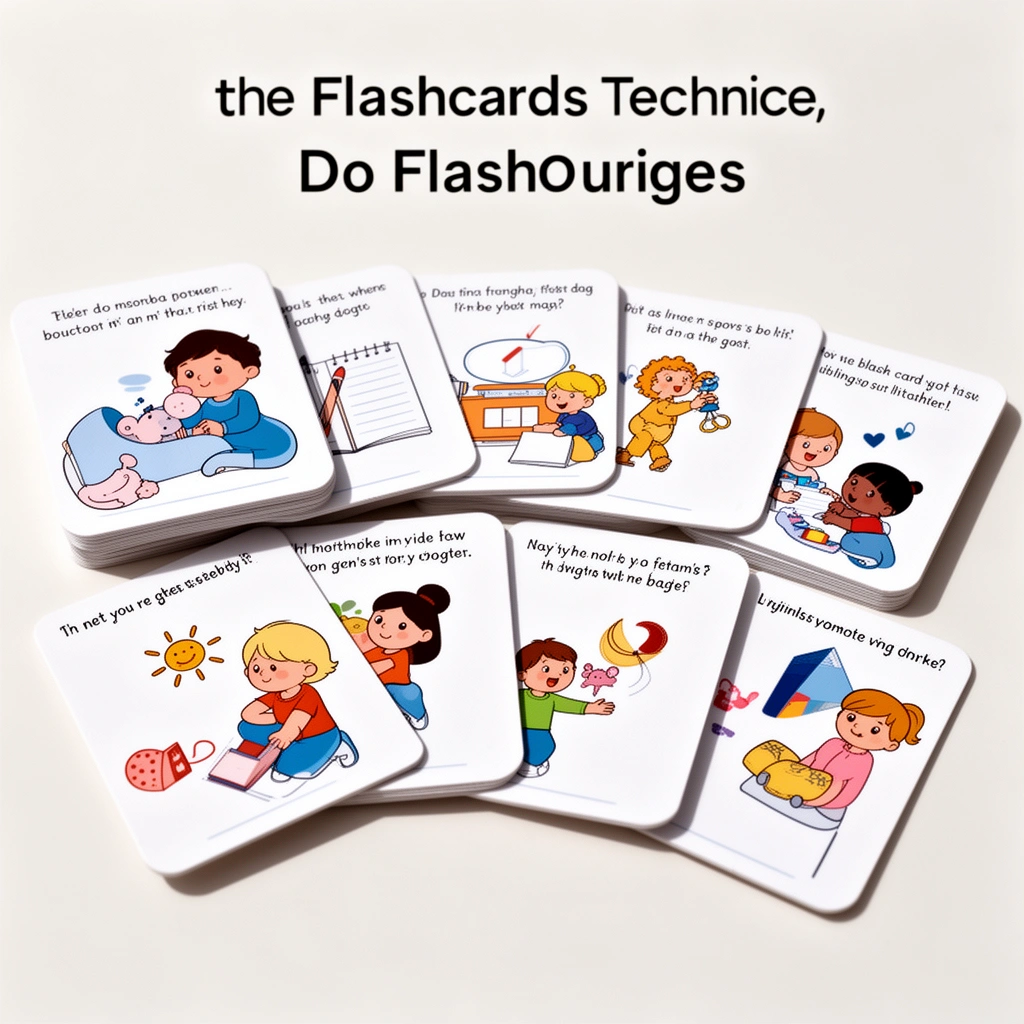
- Keep sessions short. A few minutes at a time holds attention better than a long session.
- Name the object clearly and repeat it. Repetition across many short sessions builds recognition over time.
- Let the child touch and explore the cards if age-appropriate, rather than only viewing them passively.
- Rotate cards regularly to maintain interest and gradually expand vocabulary.
- Follow the child’s lead. If they lose interest, it’s fine to stop and try again later.
For a faster setup, a flashcard maker can generate this whole deck automatically rather than writing each card by hand.
What to Look for When Choosing Cards
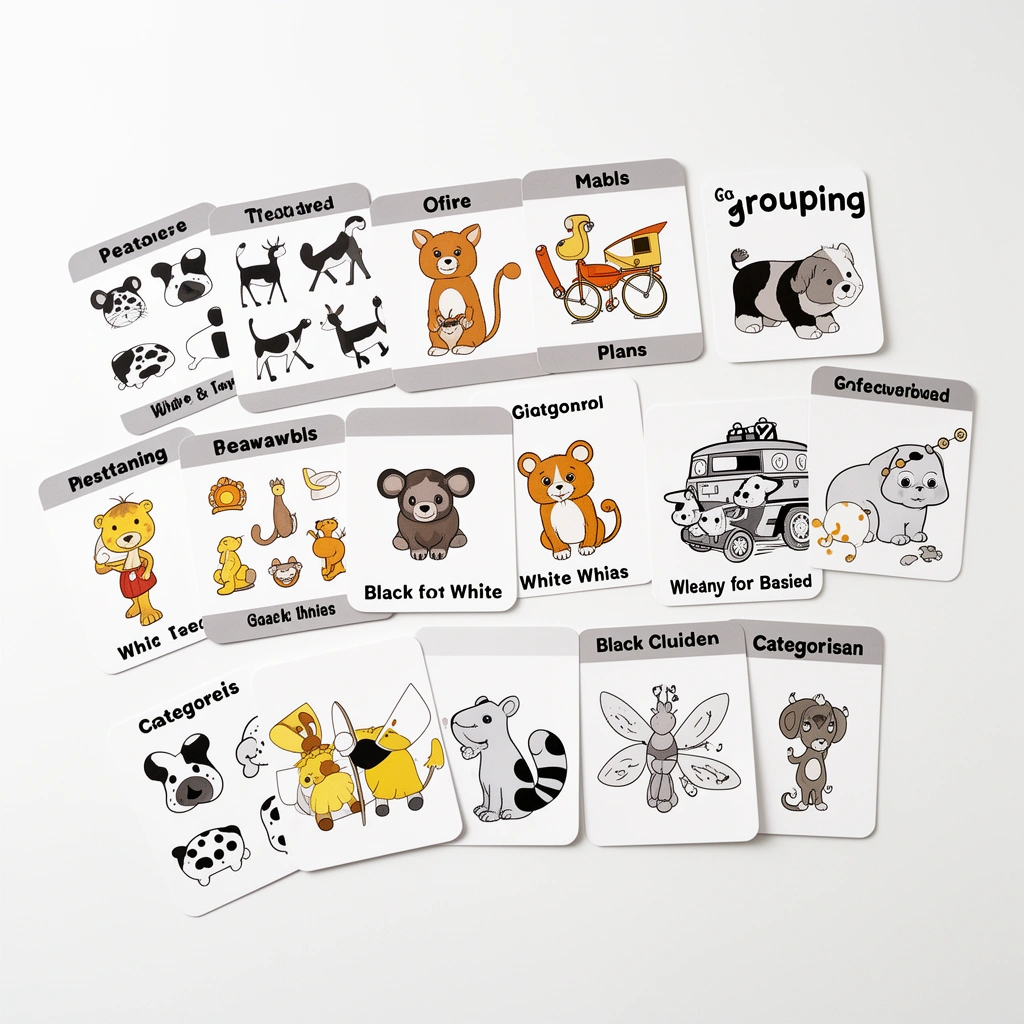
Sturdy, easy-to-clean materials matter for cards that will end up in little hands and mouths. Clear, uncluttered images without excessive background detail also make it easier for a young child to focus on the object being named. For a faster approach, an AI flashcard generator can generate this entire deck automatically, hints and all.
FAQs
What age can I start using black and white cards for babies?
Simple high-contrast cards can be introduced from a few months old, while word-and-picture cards are often used from around 12 months onward.
How long should a session last with a baby or toddler?
A few minutes is usually enough — young children have short attention spans, so short, frequent sessions work better than long ones.
Do flashcards actually help early development?
Repeated, positive exposure to words and images can support vocabulary building and visual development, especially when paired with conversation from a caregiver.
Conclusion
Black and White Cards for Babies offer a simple, proven way to build stronger recall and confidence around Black and White for Babies. Used consistently — in short, regular sessions rather than occasional cramming — they can turn what feels like a mountain of material into steady, manageable progress.