

International Journal of All Research Education and Scientific Methods (IJARESM),
ISSN: 2455-6211, Volume 12, Issue 8, August-2024,
Available online at:
www.ijaresm.com
Page | 2762
Leveraging Machine Learning and Data Visualization for
Real-Time Fraud Detection in FinTech
Saugat Nayak
-----------------------------------------------------------------****************------------------------------------------------------------
ABSTRACT
Self-generated complexity and the growth in the volume of digital operations indicate that fraud remains a
significant threat to the FinTech industry, sourcing the need for more effective fraud prevention solutions. The
purpose of this paper is to review the utilization of ML and tools for data visualization to improve the timely
identification of fraud. Machine-level Algorithms like random forests and LSTM networks are used for better fraud
detection in contrast to decisions that traditional rule-based systems could make. These models learn the new fraud
patterns with an improved ability to identify the negatives while minimizing the positives. Furthermore, applying
heat maps and other interactive dashboards gives the fraud analyst a quick and efficient way of decision-making.
Therefore, this paper recommends sloth ML and visualization tools to enhance fraud detection systems and build
customer trust.
Keywords: Machine Learning, Fraud Detection, Data Visualization, Random Forest, Long Short-Term Memory
(LSTM), FinTech, Anomaly Detection, Real-Time Analytics, Predictive Analytics, Interactive Dashboards
INTRODUCTION
The consolidation of the financial technologies (FinTech) sector has led to a revolution in transactions between individuals
and companies. This expansion has created more significance to the industry's growth, where services such as mobile
money, online banking, and investment firms are now standard. Nonetheless, as society develops, harm or unlawful
activities have grown, which have increasingly presented themselves as complicated to solve. Hackers find weak links in
digital environments with the sheer volumes of transactions and weak security measures that are valid these days.
Moreover, the type of crime has expanded from simple identity theft to payment fraud, which results in loss and building
distrust among the owners. Although rendering a straightforward and integrated user experience is one of the main goals for
FinTech companies, it has become another challenge that the industry needs to address: balancing the simplicity of the
experience and the efficiency of fraud prevention. The consumer always anticipates faster and more seamless service
delivery methods, particularly in digital and Internet banking (Jarvenpaa& Todd, 1996). However, high levels of security
can also inhibit this process and result in delays, erroneous results, and unsatisfied customers. Modern fraud schemes fail to
be detected by traditional systems, which primarily entail using rules of engagement since the fraudster evolves in his or her
techniques of acquiring illicit gains. So, the management has to look for new technologies that identify fraud while it
happens simultaneously and does not hinder legitimate operations.
To meet the challenge of fraud and shifting consumer expectations, FinTech organizations are looking to apply AI and Data
Visualization, particularly ML. With the help of machine learning, it is possible to develop a more dynamic approach to
fraud detection since the systems involved use data about previous transactions and can work with new types of fraud. In
contrast, a rule-based system cannot process increased data, make real-time decisions, and continuously recognize
fraudulent activities. This proactive approach is vital because consumers and businesses need real-time data protection in an
increasingly complex marketplace. Data visualization ensures that the fraud detection system becomes efficient and
machine learning becomes an essential part of the process. Visualization tools allow the analyst to easily understand
patterns and trends in the massive data set and respond faster and more effectively to threats. Evaluating key exposures at
the speed and frequency of change makes it possible for the fraud detection teams to act proactively and ascertain that the
measures cutting out the threats are ever-improving. The use of machine learning and data visualization in fraud detection
within the FinTech sector will be discussed in this article. Moreover, it will explain the type of fraud prevalent in e-
commerce and m-commerce transactions and the shortcomings of the conventional detection frameworks. The discussion
will then turn to how Random Forests, LSTM networks and other machine learning models enhance the Detect and Repel
capabilities. The place of unsupervised learning and anomaly detection will also be discussed, with particular emphasis on
how these methods work supremely in terms of identifying out-of-sample fraud patterns.

International Journal of All Research Education and Scientific Methods (IJARESM),
ISSN: 2455-6211, Volume 12, Issue 8, August-2024,
Available online at:
www.ijaresm.com
Page | 2763
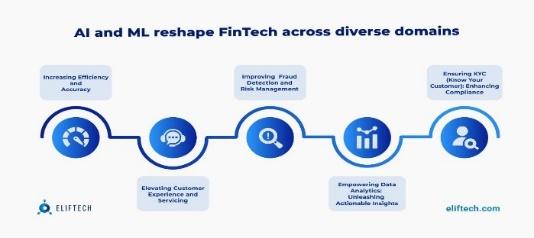
Figure 1: AI in FinTech: A Comprehensive Guide
This article will discuss the role of data visualization in understanding and improving the decision-making process about
fraud detection using machine learning. Some primary forms of visualization, such as heat maps, geographical data
analysis, and live dashboards, will be described, showing how they help fraud analysts make timely and accurate decisions.
The article will also give insight into some of these technologies and how some top FinTech organizations use them to fight
fraudsters. It will also speak to FinTech companies' experiences regarding regulation and deploying intelligent fraud
detection solutions. The conclusion will call for a more integrated, technology-centered approach to this global threat to the
potential of digital businesses while maintaining the customer experience.
MACHINE LEARNING IN FRAUD DETECTION
Overview of Machine Learning (ML) in Fraud Detection
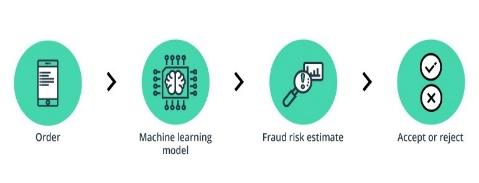
There is no doubt that fraud detection has been transformed by machine learning (ML) owing to the system's flexibility and
its relative intelligence compared to rule-based systems (Malouin, 2021). In contrast to these approaches, which use
informed scenarios, machine learning algorithms can detect and learn in real-time and work out fraud scenarios that are not
possibly detectable under static methods. Such adaptability in real-time is significant in making fraud detection systems
adapt to different strategies used by fraudsters and leading to more enhanced security for businesses, especially in fintech
industries. Due to the ability to process large amounts of information over time, systems make fraud detection faster and
more accurate. Unlike conventional systems involving specific transaction characteristics like the quantity or place of
transactions, ML algorithms can quickly establish the correlation between two variables and consequently recognize fraud
markers .This capability is essential because millions of transactions can occur in seconds, and ML allows the system to
recognize existing fraud schemes and novel ones. This has the added advantage of allowing systems to grow and adapt to
new data on fraud, giving them the flexibility to enter new levels of fraud mitigation.
Figure 2: How to Use Machine Learning in Fraud Detection
Key ML Algorithms for Fraud Detection
Random Forests and one of the most powerful algorithms, Gradient Boosting Machines (GBMs): Two of the most
commonly used and highly accurate algorithms for fraud detection belong to supervised learning: Random Forest and
Gradient Boosting Machines. These algorithms' functioning relies on the idea that a set of decision trees can be applied and
can all contribute to the final classification. In the case of fraud detection, both Random Forest and GBMs consider many
factors concerning the ownership of a given transaction, transaction history, geographical location, user behavior, or details
about the device being used for the transaction.

International Journal of All Research Education and Scientific Methods (IJARESM),
ISSN: 2455-6211, Volume 12, Issue 8, August-2024,
Available online at:
www.ijaresm.com
Page | 2764
Random Forest: This is done by building many decision trees based on training, and after the models are trained, the
algorithm returns the class that is most frequent or a mode of the classes (classification) among all the trees. It is highly
accurate because it can process large amounts of data with different dimensions, which is typical for financial operations.
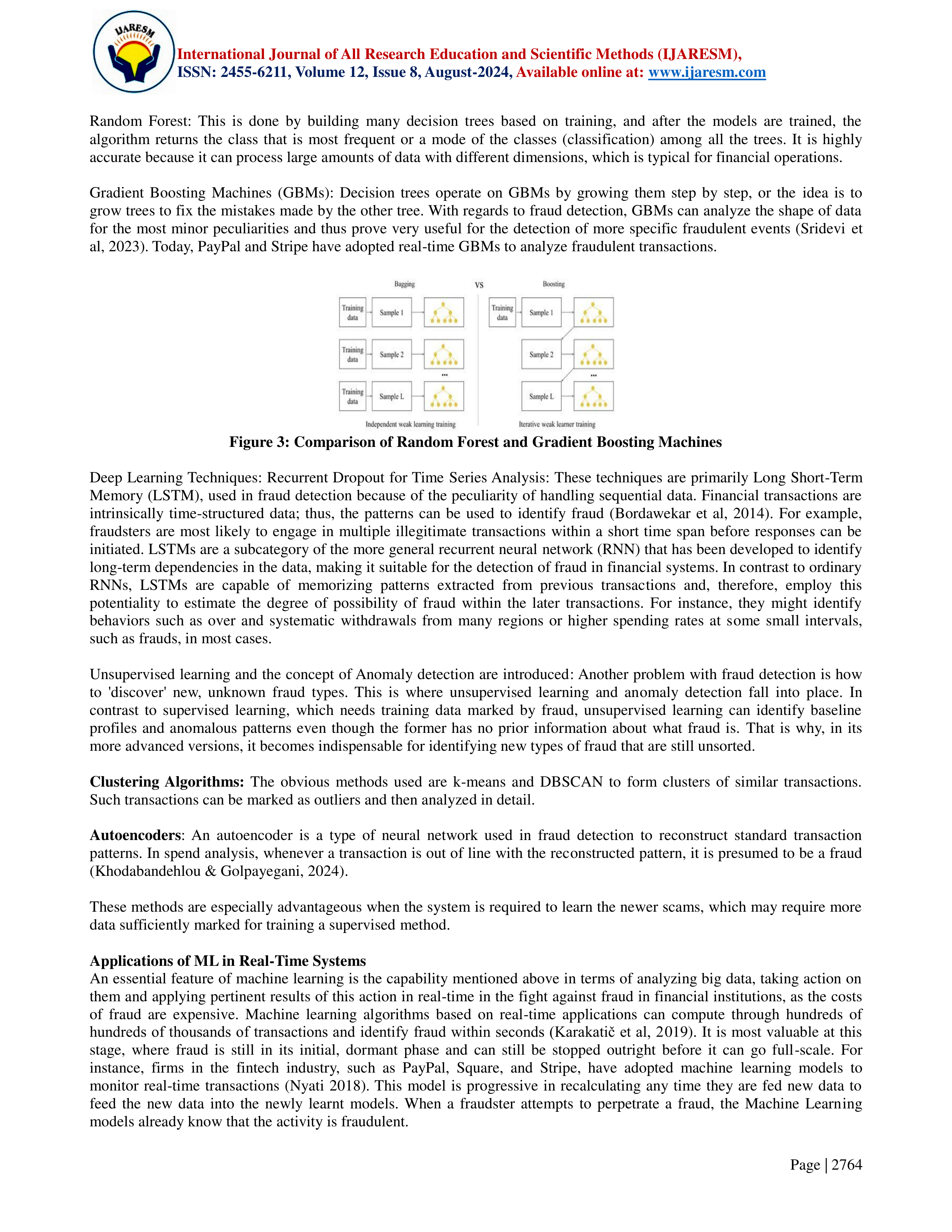
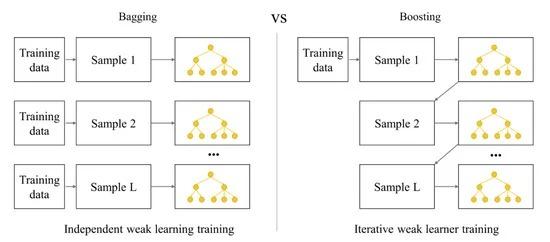
Gradient Boosting Machines (GBMs): Decision trees operate on GBMs by growing them step by step, or the idea is to
grow trees to fix the mistakes made by the other tree. With regards to fraud detection, GBMs can analyze the shape of data
for the most minor peculiarities and thus prove very useful for the detection of more specific fraudulent events (Sridevi et
al, 2023). Today, PayPal and Stripe have adopted real-time GBMs to analyze fraudulent transactions.
Figure 3: Comparison of Random Forest and Gradient Boosting Machines
Deep Learning Techniques: Recurrent Dropout for Time Series Analysis: These techniques are primarily Long Short-Term
Memory (LSTM), used in fraud detection because of the peculiarity of handling sequential data. Financial transactions are
intrinsically time-structured data; thus, the patterns can be used to identify fraud (Bordawekar et al, 2014). For example,
fraudsters are most likely to engage in multiple illegitimate transactions within a short time span before responses can be
initiated. LSTMs are a subcategory of the more general recurrent neural network (RNN) that has been developed to identify
long-term dependencies in the data, making it suitable for the detection of fraud in financial systems. In contrast to ordinary
RNNs, LSTMs are capable of memorizing patterns extracted from previous transactions and, therefore, employ this
potentiality to estimate the degree of possibility of fraud within the later transactions. For instance, they might identify
behaviors such as over and systematic withdrawals from many regions or higher spending rates at some small intervals,
such as frauds, in most cases.
Unsupervised learning and the concept of Anomaly detection are introduced: Another problem with fraud detection is how
to 'discover' new, unknown fraud types. This is where unsupervised learning and anomaly detection fall into place. In
contrast to supervised learning, which needs training data marked by fraud, unsupervised learning can identify baseline
profiles and anomalous patterns even though the former has no prior information about what fraud is. That is why, in its
more advanced versions, it becomes indispensable for identifying new types of fraud that are still unsorted.
Clustering Algorithms:
The obvious methods used are k-means and DBSCAN to form clusters of similar transactions.
Such transactions can be marked as outliers and then analyzed in detail.
Autoencoders
: An autoencoder is a type of neural network used in fraud detection to reconstruct standard transaction
patterns. In spend analysis, whenever a transaction is out of line with the reconstructed pattern, it is presumed to be a fraud
(Khodabandehlou & Golpayegani, 2024).
These methods are especially advantageous when the system is required to learn the newer scams, which may require more
data sufficiently marked for training a supervised method.
Applications of ML in Real-Time Systems
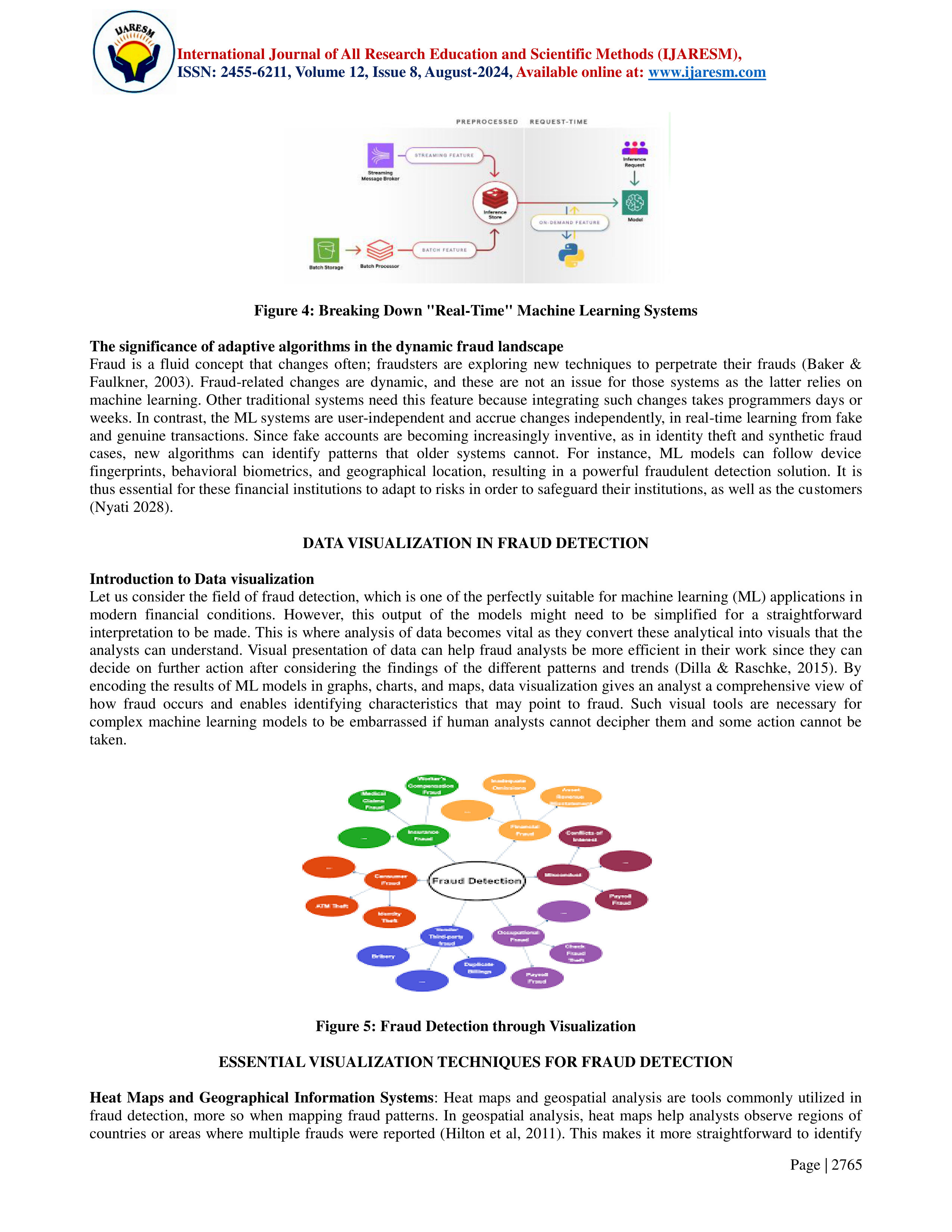
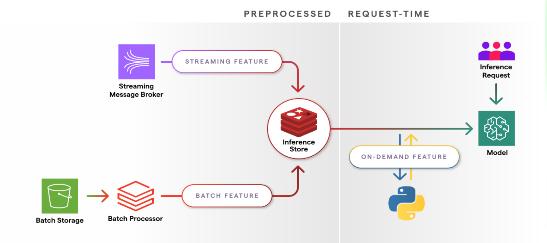
An essential feature of machine learning is the capability mentioned above in terms of analyzing big data, taking action on
them and applying pertinent results of this action in real-time in the fight against fraud in financial institutions, as the costs
of fraud are expensive. Machine learning algorithms based on real-time applications can compute through hundreds of
hundreds of thousands of transactions and identify fraud within seconds (Karakatič et al, 2019). It is most valuable at this
stage, where fraud is still in its initial, dormant phase and can still be stopped outright before it can go full-scale. For
instance, firms in the fintech industry, such as PayPal, Square, and Stripe, have adopted machine learning models to
monitor real-time transactions (Nyati 2018). This model is progressive in recalculating any time they are fed new data to
feed the new data into the newly learnt models. When a fraudster attempts to perpetrate a fraud, the Machine Learning
models already know that the activity is fraudulent.

International Journal of All Research Education and Scientific Methods (IJARESM),
ISSN: 2455-6211, Volume 12, Issue 8, August-2024,
Available online at:
www.ijaresm.com
Page | 2765
Figure 4: Breaking Down "Real-Time" Machine Learning Systems
The significance of adaptive algorithms in the dynamic fraud landscape
Fraud is a fluid concept that changes often; fraudsters are exploring new techniques to perpetrate their frauds (Baker &
Faulkner, 2003). Fraud-related changes are dynamic, and these are not an issue for those systems as the latter relies on
machine learning. Other traditional systems need this feature because integrating such changes takes programmers days or
weeks. In contrast, the ML systems are user-independent and accrue changes independently, in real-time learning from fake
and genuine transactions. Since fake accounts are becoming increasingly inventive, as in identity theft and synthetic fraud
cases, new algorithms can identify patterns that older systems cannot. For instance, ML models can follow device
fingerprints, behavioral biometrics, and geographical location, resulting in a powerful fraudulent detection solution. It is
thus essential for these financial institutions to adapt to risks in order to safeguard their institutions, as well as the customers
(Nyati 2028).
DATA VISUALIZATION IN FRAUD DETECTION
Introduction to Data visualization
Let us consider the field of fraud detection, which is one of the perfectly suitable for machine learning (ML) applications in
modern financial conditions. However, this output of the models might need to be simplified for a straightforward
interpretation to be made. This is where analysis of data becomes vital as they convert these analytical into visuals that the
analysts can understand. Visual presentation of data can help fraud analysts be more efficient in their work since they can
decide on further action after considering the findings of the different patterns and trends (Dilla & Raschke, 2015). By
encoding the results of ML models in graphs, charts, and maps, data visualization gives an analyst a comprehensive view of
how fraud occurs and enables identifying characteristics that may point to fraud. Such visual tools are necessary for
complex machine learning models to be embarrassed if human analysts cannot decipher them and some action cannot be
taken.
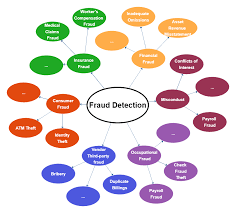
Figure 5: Fraud Detection through Visualization
ESSENTIAL VISUALIZATION TECHNIQUES FOR FRAUD DETECTION
Heat Maps and Geographical Information Systems
: Heat maps and geospatial analysis are tools commonly utilized in
fraud detection, more so when mapping fraud patterns. In geospatial analysis, heat maps help analysts observe regions of
countries or areas where multiple frauds were reported (Hilton et al, 2011). This makes it more straightforward to identify

International Journal of All Research Education and Scientific Methods (IJARESM),
ISSN: 2455-6211, Volume 12, Issue 8, August-2024,
Available online at:
www.ijaresm.com
Page | 2766
fraud patterns in specific geographical regions. For instance, some areas could record an increased incidence of online
payment scams, and the heat map can zoom in for scrutiny separately. Heat maps can also demonstrate temporal patterns,
thus presenting the times and dates when fraud peaks, allowing for early management action. Using spatial and temporal
data representation of fraud incidents enables an organization to deploy its resources strategically and proactively respond
to emerging fraud patterns.
Interactive Dashboards:
Real-time frauds, daily performance, and quick decision-making: These features make interactive
dashboards a standard tool among fraud analysts as they provide integral visual plans of current activities. These
dashboards contain general information on high-risk transactions, false-positive ratios, and the progress of ongoing
investigations. Since users can interact with the data in real-time, interactive dashboards provide interactivity that is
impossible with other forms of reports (Stehle & Kitchin, 2020). For example, an analyst can sort fraud cases by
geographical area, kind of transaction, or user activity to provide detailed information that enhances the strength of
antifraud measures. Finally, the feature to choose columns to display will allow the fraud analyst to filter the view of data
according to their requirements, thus improving the work going into handling fraud metering.
A/B Testing for Fraud Models:
While A/B testing is mainly applied in marketing, it is equally beneficial when used to
compare the effectiveness of various fraud detection models. When used to represent the performance of different ML
models, metrics such as Accuracy, precision, and recall give fraud analysts an easy way of comparing different approaches
and identifying which model is suitable for use in a given fraud detection case. For instance, one model might have a high
True Positive Rate, while the other has more False Positives; comparing the visual representation of these outcomes will
help to make the right choice for the company's needs. In A/B testing, visualization also plays a role in helping us
understand which kind of fraud patterns each model is most sensitive to, thus improving the detection.
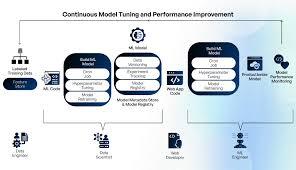
Figure 6: A/B Testing Machine Learning Models – ML in Production
Benefits of Combining ML and Visualization
Improving Outputs of ML for Effective Decision-Making:The advantage of data visualization in dovetail with ML is the
improvement of the outputs to ML, enhancing the information provided and the ability for human interpreters to use this
output directly (Ng et al, 2023). Although different ML models can handle big data and identify novel structures, the
outcomes are generally hard to comprehend without employing diagrams. Thus, by applying visualization tools to these
outputs, fraud analysts get a sense of how the models arrive at a specific conclusion. For instance, a fraud analyst will
employ a decision tree to explain how exactly an ML model came up with a decision that a particular transaction is
fraudulent in light of some given features, such as the size of the transaction, time of occurrence, or geographical region.
Visualization also assists in expressing the outcome of fraud detection models. As one can find in the finance industry and
other similarly stringent industries, showing how this or that decision was made is paramount. In addition to visualization
of the results, graphs, charts, and dashboards help to work with large amounts of data, which ordinary people will need help
deciphering. This is especially important given the fact that decisions made in detecting fraud can be costly—both in terms
of financial outcome and company reputation.
Improving Response Times: It also entails quick identification, where every moment matters regarding fraud aversions that
may lead to many losses. Real-time visualizations of the fraud detection results mean that analysts can quickly respond to
potential threats (Sudjianto et al, 2008). Real-time dashboards are helpful in instantly marking suspicious activities so that
fraud analysts can step in before the fraud is accomplished. For example, in real-time analytics, a real-time dashboard with
analysis of unusual transactions can cause a vigilant analyst to freeze transactions in that location until the matter is
resolved. Furthermore, the health check indicators of the visualization solutions can also be applied to check the condition
and efficiency of the fraud detection systems. Data analysts can also visualize different performance metrics of an ML

International Journal of All Research Education and Scientific Methods (IJARESM),
ISSN: 2455-6211, Volume 12, Issue 8, August-2024,
Available online at:
www.ijaresm.com
Page | 2767
model at periodic intervals, where they can see that false favorable rates are standard, or fraud cases are being missed
frequently. They can fine-tune their models as needed for ongoing real-time use should the fraudsters change their tactics in
their attempt to steal.
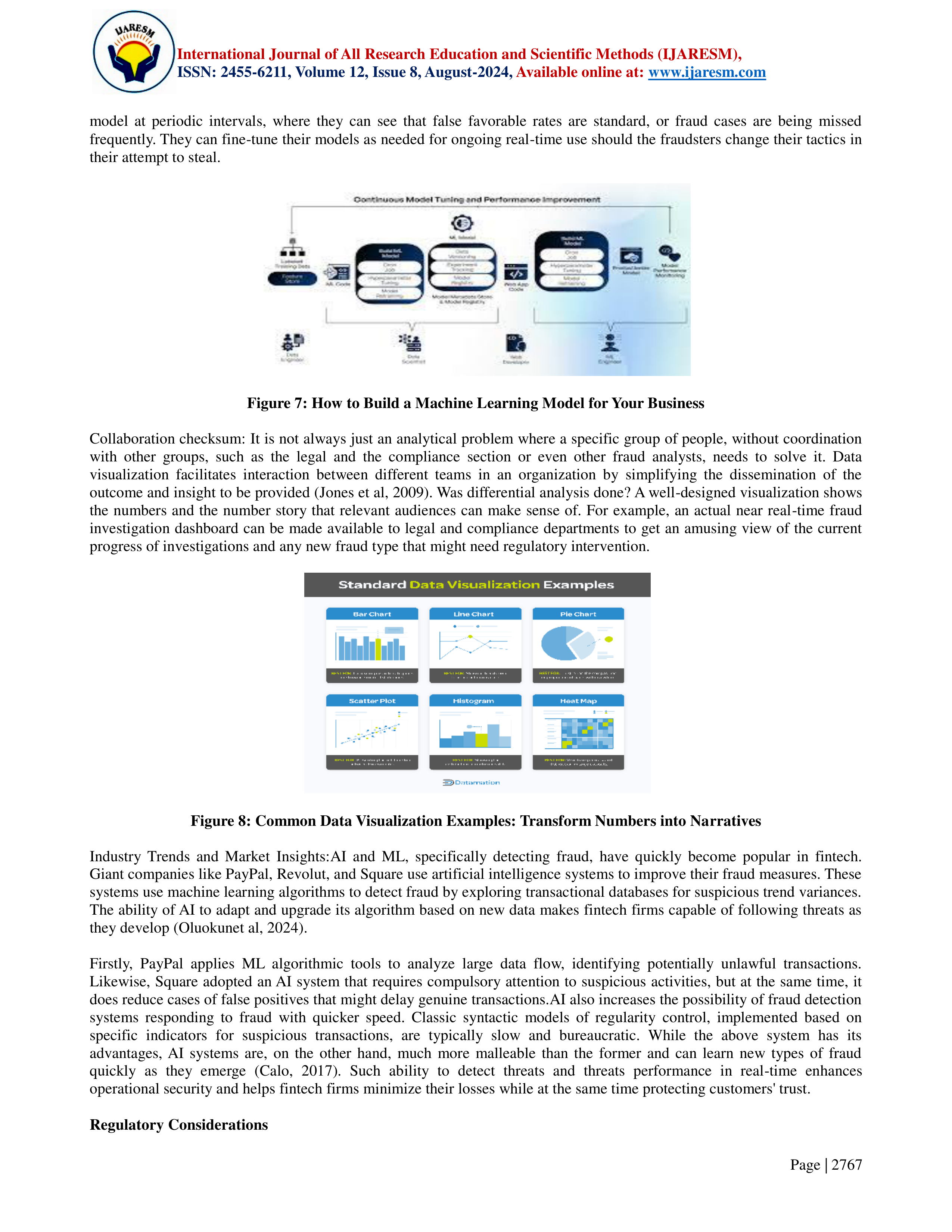
Figure 7: How to Build a Machine Learning Model for Your Business
Collaboration checksum: It is not always just an analytical problem where a specific group of people, without coordination
with other groups, such as the legal and the compliance section or even other fraud analysts, needs to solve it. Data
visualization facilitates interaction between different teams in an organization by simplifying the dissemination of the
outcome and insight to be provided (Jones et al, 2009). Was differential analysis done? A well-designed visualization shows
the numbers and the number story that relevant audiences can make sense of. For example, an actual near real-time fraud
investigation dashboard can be made available to legal and compliance departments to get an amusing view of the current
progress of investigations and any new fraud type that might need regulatory intervention.
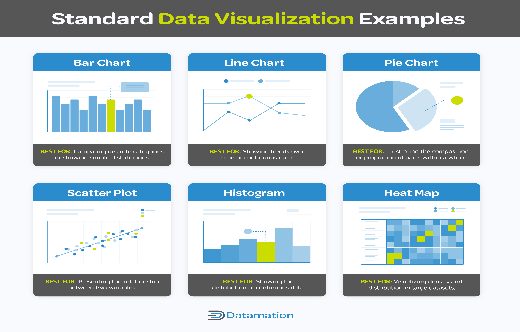
Figure 8: Common Data Visualization Examples: Transform Numbers into Narratives
Industry Trends and Market Insights:AI and ML, specifically detecting fraud, have quickly become popular in fintech.
Giant companies like PayPal, Revolut, and Square use artificial intelligence systems to improve their fraud measures. These
systems use machine learning algorithms to detect fraud by exploring transactional databases for suspicious trend variances.
The ability of AI to adapt and upgrade its algorithm based on new data makes fintech firms capable of following threats as
they develop (Oluokunet al, 2024).
Firstly, PayPal applies ML algorithmic tools to analyze large data flow, identifying potentially unlawful transactions.
Likewise, Square adopted an AI system that requires compulsory attention to suspicious activities, but at the same time, it
does reduce cases of false positives that might delay genuine transactions.AI also increases the possibility of fraud detection
systems responding to fraud with quicker speed. Classic syntactic models of regularity control, implemented based on
specific indicators for suspicious transactions, are typically slow and bureaucratic. While the above system has its
advantages, AI systems are, on the other hand, much more malleable than the former and can learn new types of fraud
quickly as they emerge (Calo, 2017). Such ability to detect threats and threats performance in real-time enhances
operational security and helps fintech firms minimize their losses while at the same time protecting customers' trust.
Regulatory Considerations

International Journal of All Research Education and Scientific Methods (IJARESM),
ISSN: 2455-6211, Volume 12, Issue 8, August-2024,
Available online at:
www.ijaresm.com
Page | 2768
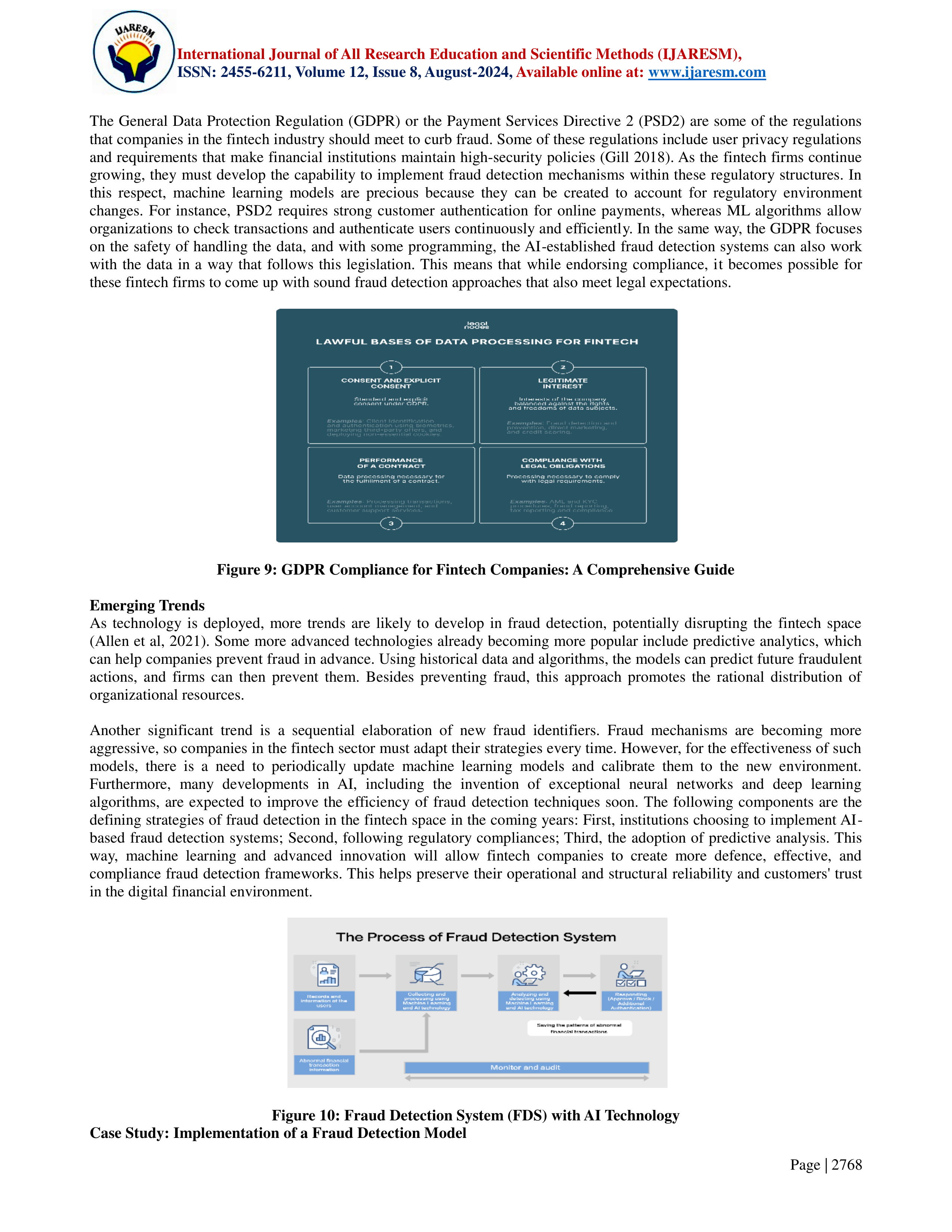
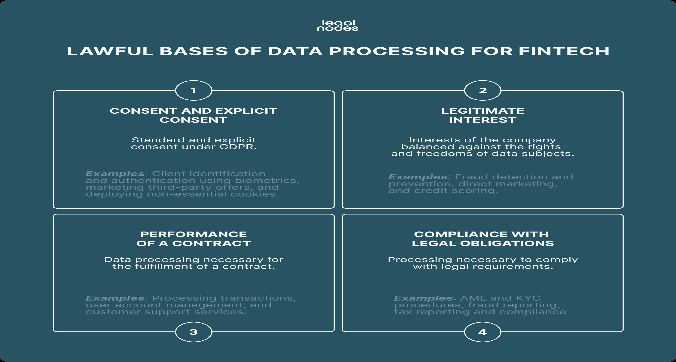
The General Data Protection Regulation (GDPR) or the Payment Services Directive 2 (PSD2) are some of the regulations
that companies in the fintech industry should meet to curb fraud. Some of these regulations include user privacy regulations
and requirements that make financial institutions maintain high-security policies (Gill 2018). As the fintech firms continue
growing, they must develop the capability to implement fraud detection mechanisms within these regulatory structures. In
this respect, machine learning models are precious because they can be created to account for regulatory environment
changes. For instance, PSD2 requires strong customer authentication for online payments, whereas ML algorithms allow
organizations to check transactions and authenticate users continuously and efficiently. In the same way, the GDPR focuses
on the safety of handling the data, and with some programming, the AI-established fraud detection systems can also work
with the data in a way that follows this legislation. This means that while endorsing compliance, it becomes possible for
these fintech firms to come up with sound fraud detection approaches that also meet legal expectations.
Figure 9: GDPR Compliance for Fintech Companies: A Comprehensive Guide
Emerging Trends
As technology is deployed, more trends are likely to develop in fraud detection, potentially disrupting the fintech space
(Allen et al, 2021). Some more advanced technologies already becoming more popular include predictive analytics, which
can help companies prevent fraud in advance. Using historical data and algorithms, the models can predict future fraudulent
actions, and firms can then prevent them. Besides preventing fraud, this approach promotes the rational distribution of
organizational resources.
Another significant trend is a sequential elaboration of new fraud identifiers. Fraud mechanisms are becoming more
aggressive, so companies in the fintech sector must adapt their strategies every time. However, for the effectiveness of such
models, there is a need to periodically update machine learning models and calibrate them to the new environment.
Furthermore, many developments in AI, including the invention of exceptional neural networks and deep learning
algorithms, are expected to improve the efficiency of fraud detection techniques soon. The following components are the
defining strategies of fraud detection in the fintech space in the coming years: First, institutions choosing to implement AI-
based fraud detection systems; Second, following regulatory compliances; Third, the adoption of predictive analysis. This
way, machine learning and advanced innovation will allow fintech companies to create more defence, effective, and
compliance fraud detection frameworks. This helps preserve their operational and structural reliability and customers' trust
in the digital financial environment.
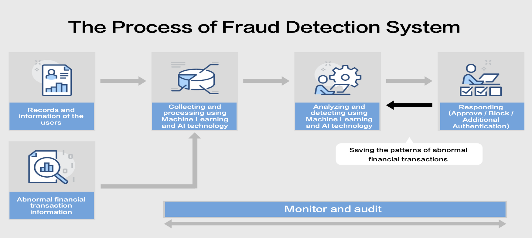
Figure 10: Fraud Detection System (FDS) with AI Technology
Case Study: Implementation of a Fraud Detection Model

International Journal of All Research Education and Scientific Methods (IJARESM),
ISSN: 2455-6211, Volume 12, Issue 8, August-2024,
Available online at:
www.ijaresm.com
Page | 2769
Identifying fraud is an essential component of the financial services facing the world of digitalization. As organizations
transact more and more online, they constantly search for new tools to prevent fraud that can happen in real time (Bolton &
Hand, 2002). The presented case applies and compares the Random Forest and Long Short-Term Memory (LSTM)
networks in building the machine learning-based fraud detection model. Such a model was conceivable in increasing
specificity and sensitivity to identify instances of suspicious transactions while reducing the number of false alarms, which
boosts the system's security and efficiency of operation.
Project Background
In the financial segment, antifraud is a topic that is becoming more critical because of the upgraded approaches to scams.
Most earlier systems that involved simple rule-based approaches to detecting fraud using pre-defined parameters to trigger
any suspicion have been found lacking as they cannot keep pace with quickly changing fraud techniques. To mitigate these
challenges, a fintech organization began a project to develop an enhanced dynamic fraud detection system. The
fundamentals were constructed using Random Forest and LSTM models, which were established to identify anomalies in
real-time transaction data (Xu & Zhang, 2024). This system was built with high-dimensional data sets, such as details of
transactions, user behavioral patterns, and geo-location. Random Forest is one of the most versatile machine learning
algorithms capable of efficiently solving classification problems with many characteristics; therefore, it was used to identify
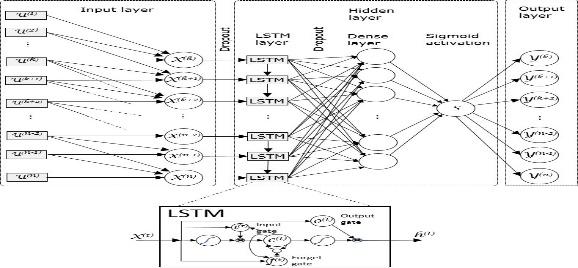
outliers in transaction data. On the other hand, LSTM, a type of recurrent neural network, was used because it is well suited
for analyzing fraud patterns over time because of its sequential data analysis capability. In combination, these models
offered a systematic approach to identifying fraud in a continuously evolving financial environment.
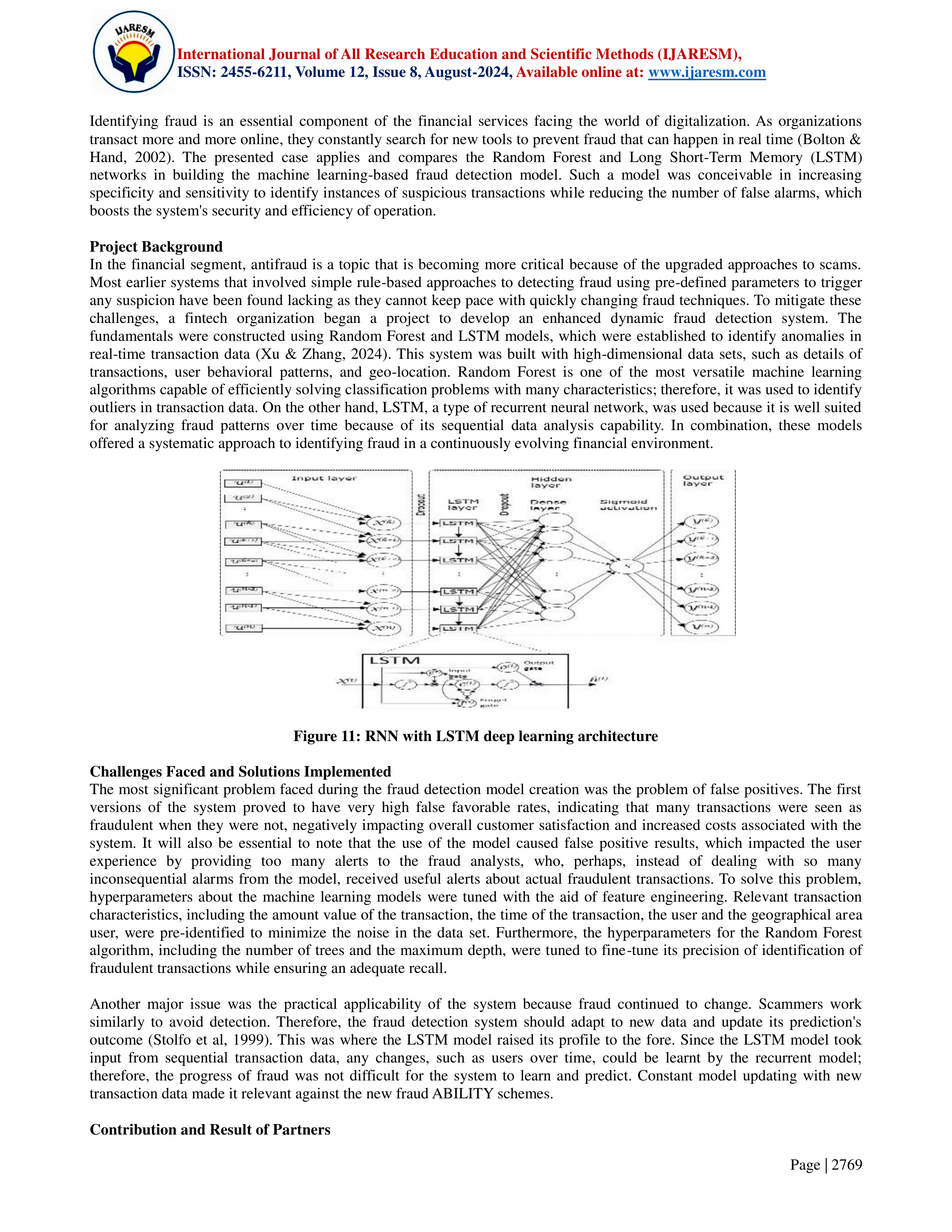
Figure 11: RNN with LSTM deep learning architecture
Challenges Faced and Solutions Implemented
The most significant problem faced during the fraud detection model creation was the problem of false positives. The first
versions of the system proved to have very high false favorable rates, indicating that many transactions were seen as
fraudulent when they were not, negatively impacting overall customer satisfaction and increased costs associated with the
system. It will also be essential to note that the use of the model caused false positive results, which impacted the user
experience by providing too many alerts to the fraud analysts, who, perhaps, instead of dealing with so many
inconsequential alarms from the model, received useful alerts about actual fraudulent transactions. To solve this problem,
hyperparameters about the machine learning models were tuned with the aid of feature engineering. Relevant transaction
characteristics, including the amount value of the transaction, the time of the transaction, the user and the geographical area
user, were pre-identified to minimize the noise in the data set. Furthermore, the hyperparameters for the Random Forest
algorithm, including the number of trees and the maximum depth, were tuned to fine-tune its precision of identification of
fraudulent transactions while ensuring an adequate recall.
Another major issue was the practical applicability of the system because fraud continued to change. Scammers work
similarly to avoid detection. Therefore, the fraud detection system should adapt to new data and update its prediction's
outcome (Stolfo et al, 1999). This was where the LSTM model raised its profile to the fore. Since the LSTM model took
input from sequential transaction data, any changes, such as users over time, could be learnt by the recurrent model;
therefore, the progress of fraud was not difficult for the system to learn and predict. Constant model updating with new
transaction data made it relevant against the new fraud ABILITY schemes.
Contribution and Result of Partners

International Journal of All Research Education and Scientific Methods (IJARESM),
ISSN: 2455-6211, Volume 12, Issue 8, August-2024,
Available online at:
www.ijaresm.com
Page | 2770
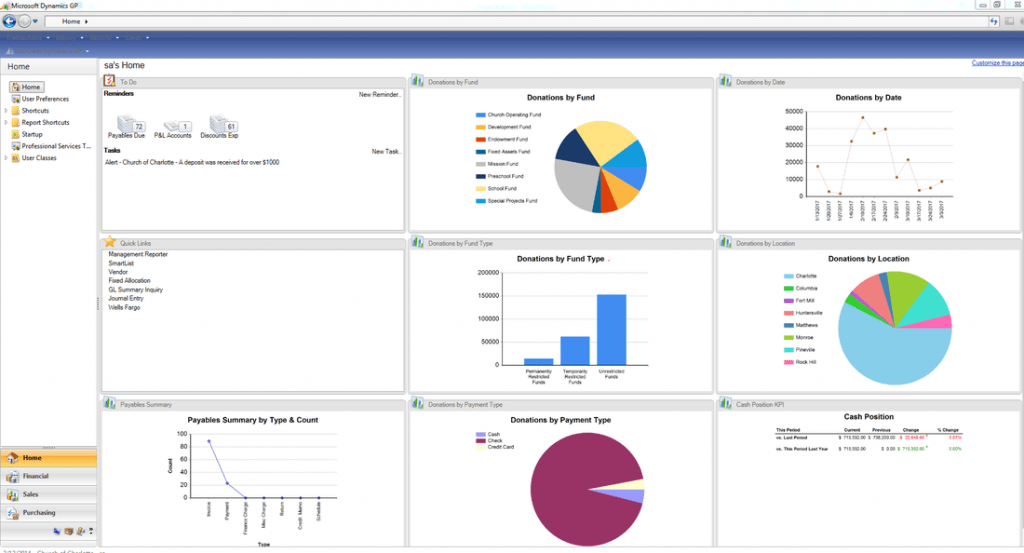
The project's main contribution was to improve the machine learning models and create dashboards to support fraud
detection in real time. With the coming of fraud, we also had to optimize the Random Forest and LSTM models to be
suitable for updating fraud. By continuously running test checks and model validation sessions, I could prove the results
right and retune the system by bringing down the false positives percentage by 20%. To this, I added my skills in deploying
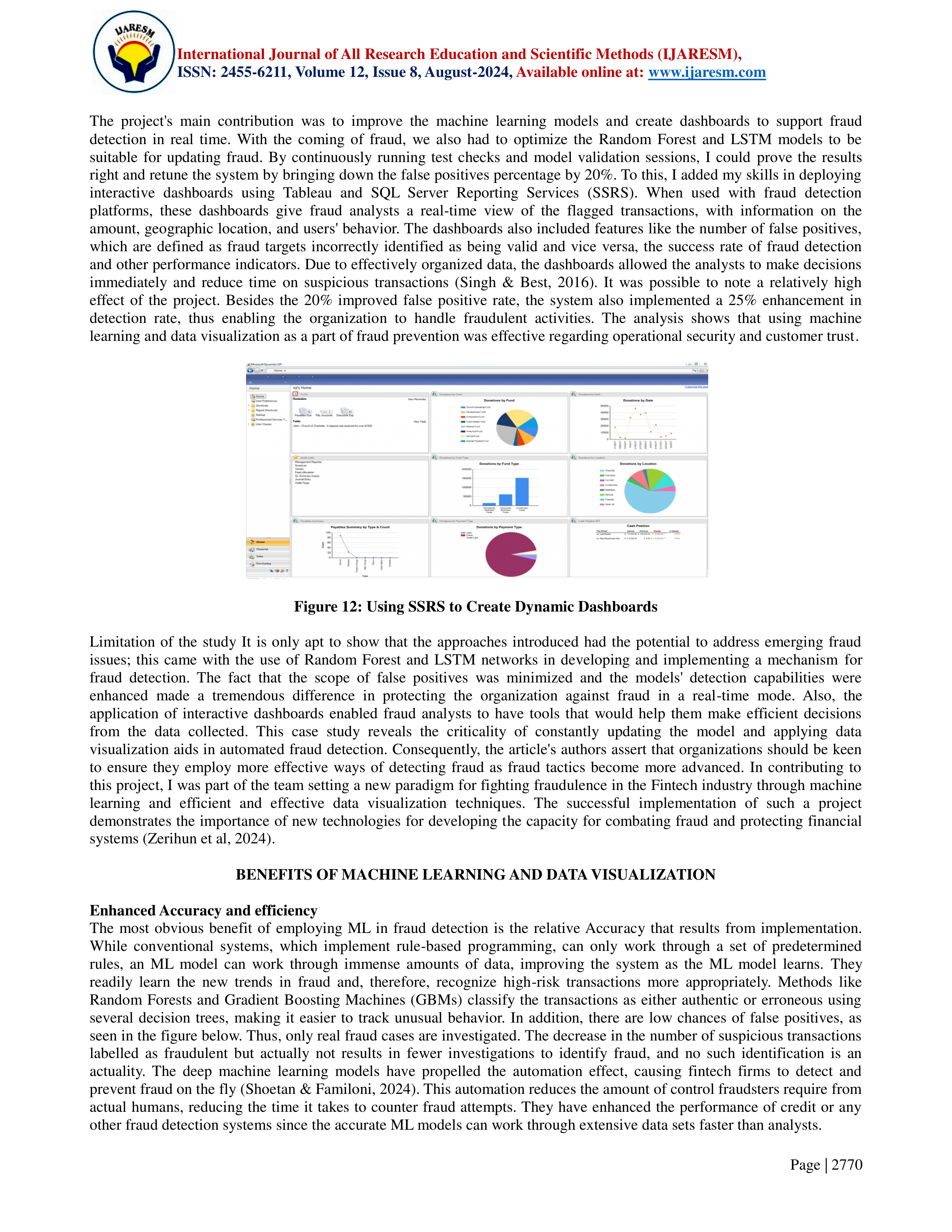
interactive dashboards using Tableau and SQL Server Reporting Services (SSRS). When used with fraud detection
platforms, these dashboards give fraud analysts a real-time view of the flagged transactions, with information on the
amount, geographic location, and users' behavior. The dashboards also included features like the number of false positives,
which are defined as fraud targets incorrectly identified as being valid and vice versa, the success rate of fraud detection
and other performance indicators. Due to effectively organized data, the dashboards allowed the analysts to make decisions
immediately and reduce time on suspicious transactions (Singh & Best, 2016). It was possible to note a relatively high
effect of the project. Besides the 20% improved false positive rate, the system also implemented a 25% enhancement in
detection rate, thus enabling the organization to handle fraudulent activities. The analysis shows that using machine
learning and data visualization as a part of fraud prevention was effective regarding operational security and customer trust.
Figure 12: Using SSRS to Create Dynamic Dashboards
Limitation of the study It is only apt to show that the approaches introduced had the potential to address emerging fraud
issues; this came with the use of Random Forest and LSTM networks in developing and implementing a mechanism for
fraud detection. The fact that the scope of false positives was minimized and the models' detection capabilities were
enhanced made a tremendous difference in protecting the organization against fraud in a real-time mode. Also, the
application of interactive dashboards enabled fraud analysts to have tools that would help them make efficient decisions
from the data collected. This case study reveals the criticality of constantly updating the model and applying data
visualization aids in automated fraud detection. Consequently, the article's authors assert that organizations should be keen
to ensure they employ more effective ways of detecting fraud as fraud tactics become more advanced. In contributing to
this project, I was part of the team setting a new paradigm for fighting fraudulence in the Fintech industry through machine
learning and efficient and effective data visualization techniques. The successful implementation of such a project
demonstrates the importance of new technologies for developing the capacity for combating fraud and protecting financial
systems (Zerihun et al, 2024).
BENEFITS OF MACHINE LEARNING AND DATA VISUALIZATION
Enhanced Accuracy and efficiency
The most obvious benefit of employing ML in fraud detection is the relative Accuracy that results from implementation.
While conventional systems, which implement rule-based programming, can only work through a set of predetermined
rules, an ML model can work through immense amounts of data, improving the system as the ML model learns. They
readily learn the new trends in fraud and, therefore, recognize high-risk transactions more appropriately. Methods like
Random Forests and Gradient Boosting Machines (GBMs) classify the transactions as either authentic or erroneous using
several decision trees, making it easier to track unusual behavior. In addition, there are low chances of false positives, as
seen in the figure below. Thus, only real fraud cases are investigated. The decrease in the number of suspicious transactions
labelled as fraudulent but actually not results in fewer investigations to identify fraud, and no such identification is an
actuality. The deep machine learning models have propelled the automation effect, causing fintech firms to detect and
prevent fraud on the fly (Shoetan & Familoni, 2024). This automation reduces the amount of control fraudsters require from
actual humans, reducing the time it takes to counter fraud attempts. They have enhanced the performance of credit or any
other fraud detection systems since the accurate ML models can work through extensive data sets faster than analysts.

International Journal of All Research Education and Scientific Methods (IJARESM),
ISSN: 2455-6211, Volume 12, Issue 8, August-2024,
Available online at:
www.ijaresm.com
Page | 2771
Cost and Resource Efficiency
There are also cost and resource-efficient outputs, such as machine learning and data visualization tools. If checked at the
nascent stage, such activities can save money. Implementing automated fraud processing systems helps organizations avoid
spending much money manually examining potentially fraudulent activities. For example, the group of unsupervised
learning methods, such as clustering ones, can identify outliers with no need for the labelled data that may come in handy
for identifying new, heretofore unknown types of fraud (Myllykoski, 2024). Thus, fintech companies can avert or minimize
critical financial losses if these abnormalities are detected in advance. Additional tools increase cost efficiency through
improved resource utilization because of the ideal data visualization. Maps and other graphical displays help a fraud analyst
concentrate on avenues where fraud is most likely to occur. This approach means that a lot of effort and resources will be
given to the areas that require extra attention, and the overall operation cost will be reduced. In addition, the dynamic and
flexible approach of the interactive dashboards helps elaborate and observe transaction activities in real-time, therefore
developing an improved understanding and facilitation of recognizing fraud trends and mitigating strategies.
Improved User Experience
Another essential advantage of applying machine learning in fraud detection is that the program does not impact the user
experience in any negative manner. Customers who choose a particular financial service provider require fast and secure
transactions, which is why fraud detection and prevention work are significant (Fawcett & Provost, 1997). Machine
learning models can reduce interruptions in proper user activity by precisely identifying such a fraudulent transaction. For
example, when a transaction is qualified as fraudulent yet authentic, the customer feels annoyed and thus becomes
dissatisfied. Using machine learning to discharge its operations assists in minimizing such incidents, making the customer
experience as seamless and secure as possible. Flawless fraud detection also increases people's confidence in the operation
of fintech organizations. Consumers can be trusted to stick with a service provider who makes their security paramount, all
while ensuring that they do not have to suffer from dull interfaces. Examples of fintech firms such as PayPal and Square
have shown the necessity of incorporating AI-based fraud-checking tools. These companies have realized how to lower the
false positive rate while at the same time continuing to fight fraud, thus increasing the trust of customers in their companies.
Understanding how this integration process has been done in other companies will be a good starting point towards
achieving this business objective. The firms that have successfully incorporated machine learning and data visualization
tools for transactional fraud detection become role models of such values. For example, Revolut, an international digital
banking firm, uses machine learning to study transactions in real-time. The company's analysis has also benefitted from its
enhancements since it has noticed a decrease in false positives in its current state. With the help of some data visualization
tools, Revolut could regularly control the performance of its fraud detection models, and appropriate adjustments could be
made.
Figure 13: API Integration: Unlocking Efficiency: How API Integration with Revolut Business Can Transform Your
Company
In the same way, PayPal uses machine learning technology to identify fraudulent charge-backs based on patterns in the
users' actions, amounts of the transaction and their geographical location. The company's real-time dashboards have been
developed with data visualization technologies, which immediately give feedback on further fraud cases. It has not only
increased the efficiency of PayPal's fraud detection but also increased the efficiency of PayPal's fraud management as a
whole. Machine learning coupled with data visualization holds critical benefits for fintech firms in fraud detection (Cui,
1987). The technologies above improve the reliability and speed of fraud identification, decrease expenditures, and
facilitate optimal resource management. In addition, they help reduce and prevent numerous false positive results and

International Journal of All Research Education and Scientific Methods (IJARESM),
ISSN: 2455-6211, Volume 12, Issue 8, August-2024,
Available online at:
www.ijaresm.com
Page | 2772
guarantee easy sales to customers. PayPal and Revolut are good examples of fintech, proving that such tools can be
practical both from the standpoint of security and customer experience. Over the years, machine learning has played a
significant role in detecting fraud that helps protect the financial ecosystem.
CHALLENGES AND CONSIDERATIONS
Data Privacy Concerns
The most significant problem that fintech organizations experience when providing machine learning (ML) systems for
fraud detection is related to data protection. Although the primary purpose of these systems is to comb through massive
amounts of user-generated data to flag abnormal transactions that might be fraudulent, this operation could be more
problematic when regulated by data protection laws such as the GDPR. Control is something that must be taken into
account, and it is essential to find a way to protect users from fraud and, at the same time, keep their information
confidential. Fraud detection is detailed information about the user's activity, transaction history, and geographic location;
this information may be considered a conflict of ethics due to the amount of data being gathered and its misuse (Swan,
1975). Fintech organizations face the major challenge of acquiring sufficient data within their business processes to detect
fraud and simultaneously comply with data protection laws and regulations. Furthermore, privacy threats inherent to ML
come into play, where anonymizing and securely storing user data provide the ideal solution. The last dimension of data
concerns the ethical liabilities fintech firms take. Analyzing the storage and usage of transaction data obtained without prior
permission from the users demeans the level of trust consumers have for the business. To avoid this risk, many fintech
organizations already clearly state how users' data will be used. However, there are constant changes in the legislation
around protecting personal data, such as GDPR and the CCPA, which are critical to adhere to, and failure results in fines
and reputational loss.
Technical Complexity of ML models
Establishing and maintaining artificial intelligence-based fraud detection systems is a technical process. For this reason,
when developing models that can learn to detect such fraudulent activities in real-time, it is of essence to have
comprehensive knowledge of the various ML algorithmic models at disposal, demography, history of frauds in specific
regions, and computational capacity. Smaller firms are commonly in the industry with less talent or capital to invest in
developing and maintaining such systems. Furthermore, it remains a problem to include these systems in the current finance
structure and to provide them with the capabilities to work against new types of fraud. For example, educating deep
learning models, such as LSTM, which detects changes in fraud patterns, provides significant computational power.
(Engelbrecht, 2007). This may pose a headache, especially for these fintech firms operating on lean capital. Furthermore,
applying these models in a production environment requires interactive monitoring of false positives and optimal
parameters for training to minimize them while achieving good results on the detection task. Misclassifications such as
identifying genuine transactions as fraudulent are costly to the business, tank the customer experience and erode the
customer's trust.
Possible Strategies for Small Fintech Companies
Some techniques enable smaller FinTech firms to overcome these technical challenges; some methods include hiring third-
party fraud detection services or using open-source machine learning services. These solutions can present efficient
purchasing options instead of designing specific systems inside the organization. These include intelligent fraud detection
solutions through which fintech firms can grow their machine learning models without needing significant capital in fixed
infrastructure. Further, the capability to outsource the development of the ML model or use pre-built models can limit the
technical know-how involved and enable petty firms to give attention to establishing these models inside the firm. Another
approach would be to use this model and reduce the approach to simply dealing with specific fraud rather than making an
all-covering system. Fintech firms can limit coverage by reducing complexity and required calculations for a fraud
detection system (Zagaris& MacDonald, 1992). For instance, using machine learning for outlier detection in specific types
of transactions would enable small firms to develop and integrate models that are more accessible and more convenient to
update and expand.
CONCLUSION
One of the most innovative applications of technology seen in the anti-fraud segment in the fintech space is machine
learning and data visualization. Applying the two technologies collectively helps financial institutions identify fraud within
the same financial year, limiting exposure and increasing customer confidence. The importance of this integration cannot be
quantified as it allows high volumes of transactional data to be analyzed, subsequent patterns that would otherwise go
unnoticed by human analysts. Machine learning models are constantly improving and gaining experience, and when

International Journal of All Research Education and Scientific Methods (IJARESM),
ISSN: 2455-6211, Volume 12, Issue 8, August-2024,
Available online at:
www.ijaresm.com
Page | 2773
designed to work within the framework of historical fraud, they adapt to the appearance of new frauds, analyzing new
trends for them; data visualization tools are a more convenient way for business representatives to analyze these patterns to
make a decision. These technologies have helped organizations manage fraud by changing their stance from reactive to
proactive regarding other technologies.
In the future, and especially going forward, there is near certainty that fraud detection in the fintech industry will involve
more complex use of Artificial Intelligence and machine learning. Big data-driven predictive analytics will further
strengthen their role in the process to help financial institutions envision fraud schemes before they occur. In the future,
achieving higher levels of learning, the model identifies fraud and indicates the probability of fraud occurring by given
parameters. The application of growing unsupervised learning techniques, which do not require referenced data sets, should
increase, providing even more details of possible further fraud developments. These principles remain as relevant in the
future of fraud detection as they are today because the ability to treat data in real-time will define the outcome of fraud
prevention efforts. Data visualization is also critically important in this future landscape. Visualization tools will remain an
issue of concern, with an increasing ability to provide insights into large datasets. Since fintechs are producing more data,
visualization will ensure financial analysts and decision-makers identify trends or issues that need correction from a single
glance. Real-time updates, a glimpse of a company’s fraud detection health at any one time, will become business as usual.
As a result of this research, the author can make further contributions to the extant literature by illuminating the potential of
applying both machine learning and data visualization in fortifying the ability to identify fraud. Realizing current uses and
future developments of these technologies, it is evident that they are essential in today’s world. Thus, by adopting these
technologies, financial institutions can not only preserve their physical wealth and other assets and resources but also
conquer clients’ trust and achieve long-term success instead of numerous other financial organizations in the growing
competition both at the global and national levels as a result of the digitalization of financial services. In conclusion,
embedding machine learning and data visualization into fraud detection systems is a great leap forward for fintech. As a
result, the capability of handling enormous data quantities and real-time performance, pattern recognition, and probable
fraudulent activity detection will continue to develop, shaping the future of fraud protection. Indeed, the more this
technology is developed, the more its function will be in the financial sector, therefore protecting the institutions and
millions of customers who use secure and trustworthy services.
REFERENCES
[1].
Allen, F., Gu, X., & Jagtiani, J. (2021). A survey of fintech research and policy discussion. Review of Corporate
Finance, 1, 259-339.
[2].
Baker, W. E., & Faulkner, R. R. (2003). Diffusion of fraud: Intermediate economic crime and investor
dynamics. Criminology, 41(4), 1173-1206.
[3].
Bolton, R. J., & Hand, D. J. (2002). Statistical fraud detection: A review. Statistical science, 17(3), 235-255.
[4].
Bordawekar, R., Blainey, B., & Apte, C. (2014). Analyzing analytics. ACM SIGMOD Record, 42(4), 17-28.
[5].
Calo, R. (2017). Artificial intelligence policy: a primer and roadmap. UCDL Rev., 51, 399.
[6].
Cui, Y. (1987). Ph. D. thesis. Bioenergetics and growth of a teleost Phoxinusphoxinus (Cyprinidae).
[7].
Dilla, W. N., & Raschke, R. L. (2015). Data visualization for fraud detection: Practice implications and a call for
future research. International Journal of Accounting Information Systems, 16, 1-22.
[8].
Engelbrecht, A. P. (2007). Computational intelligence: an introduction. John Wiley & Sons.
[9].
Fawcett, T., & Provost, F. (1997). Adaptive fraud detection. Data mining and knowledge discovery, 1(3), 291-316.
[10].
Gill, A. (2018). Developing a real-time electronic funds transfer system for credit unions. International Journal of
Advanced
Research
in
Engineering
and
Technology
(IJARET),
9(1),
162-184.
https://iaeme.com/Home/issue/IJARET?Volume=9&Issue=1
[11].
Hilton, B. N., Horan, T. A., Burkhard, R., & Schooley, B. (2011). SafeRoadMaps: Communication of location and
density of traffic fatalities through spatial visualization and heat map analysis. Information Visualization, 10(1), 82-
96.
[12].
Jarvenpaa, S. L., & Todd, P. A. (1996). Consumer reactions to electronic shopping on the World Wide
Web. International Journal of electronic commerce, 1(2), 59-88.
[13].
Jones, C. E., Haklay, M., Griffiths, S., & Vaughan, L. (2009). A less‐is‐more approach to geovisualization–
enhancing knowledge construction across multidisciplinary teams. International Journal of Geographical
Information Science, 23(8), 1077-1093.
[14].
Khodabandehlou, S., & Golpayegani, A. H. (2024). FiFrauD: unsupervised financial fraud detection in dynamic
graph streams. ACM Transactions on Knowledge Discovery from Data, 18(5), 1-29.

International Journal of All Research Education and Scientific Methods (IJARESM),
ISSN: 2455-6211, Volume 12, Issue 8, August-2024,
Available online at:
www.ijaresm.com
Page | 2774
[15].
Malouin, M. (2021). The importance of learning in the age of artificial intelligence: the evolution of the role of the
auditor (Doctoral dissertation, Magyar Agrár-ésÉlettudományiEgyetem).
[16].
Myllykoski, S. (2024). Detection of Anomalies in Electric Vehicle Charging Sessions Data.
[17].
Ng, F. Y. C., Thirunavukarasu, A. J., Cheng, H., Tan, T. F., Gutierrez, L., Lan, Y., ... & Ting, D. S. W. (2023).
Artificial intelligence education: an evidence-based medicine approach for consumers, translators, and
developers. Cell Reports Medicine, 4(10).
[18].
Nyati, S. (2018). Revolutionizing LTL carrier operations: A comprehensive analysis of an algorithm-driven pickup
and delivery dispatching solution. International Journal of Science and Research (IJSR), 7(2), 1659-1666.
https://www.ijsr.net/getabstract.php?paperid=SR24203183637
[19].
Nyati, S. (2018). Transforming telematics in fleet management: Innovations in asset tracking, efficiency, and
communication.
International
Journal
of
Science
and
Research
(IJSR),
7(10),
1804-1810.
https://www.ijsr.net/getabstract.php?paperid=SR24203184230
[20].
Oluokun, A., Ige, A. B., & Ameyaw, M. N. (2024). Building cyber resilience in fintech through AI and GRC
integration: An exploratory Study. GSC Advanced Research and Reviews, 20(1), 228-237.
[21].
Shoetan, P. O., & Familoni, B. T. (2024). Transforming fintech fraud detection with advanced artificial intelligence
algorithms. Finance & Accounting Research Journal, 6(4), 602-625.
[22].
Singh, K., & Best, P. (2016). Interactive visual analysis of anomalous accounts payable transactions in SAP
enterprise systems. Managerial Auditing Journal, 31(1), 35-63.
[23].
Stehle, S., & Kitchin, R. (2020). Real-time and archival data visualisation techniques in city
dashboards. International Journal of Geographical Information Science, 34(2), 344-366.
[24].
Swan, P. N. (1975). Privacy and Record Keeping: Remedies for the Misuse of Accurate Information. NCL Rev., 54,
585.
[25].
Xu, J., & Zhang, Y. (2024). Device Fault Prediction Model based on LSTM and Random Forest. arXiv preprint
arXiv:2403.05179.
[26].
Zagaris, B., & MacDonald, S. B. (1992). Money laundering, financial fraud, and technology: The perils of an
instantaneous economy. Geo. Wash. J. Int'l L. & Econ., 26, 61.