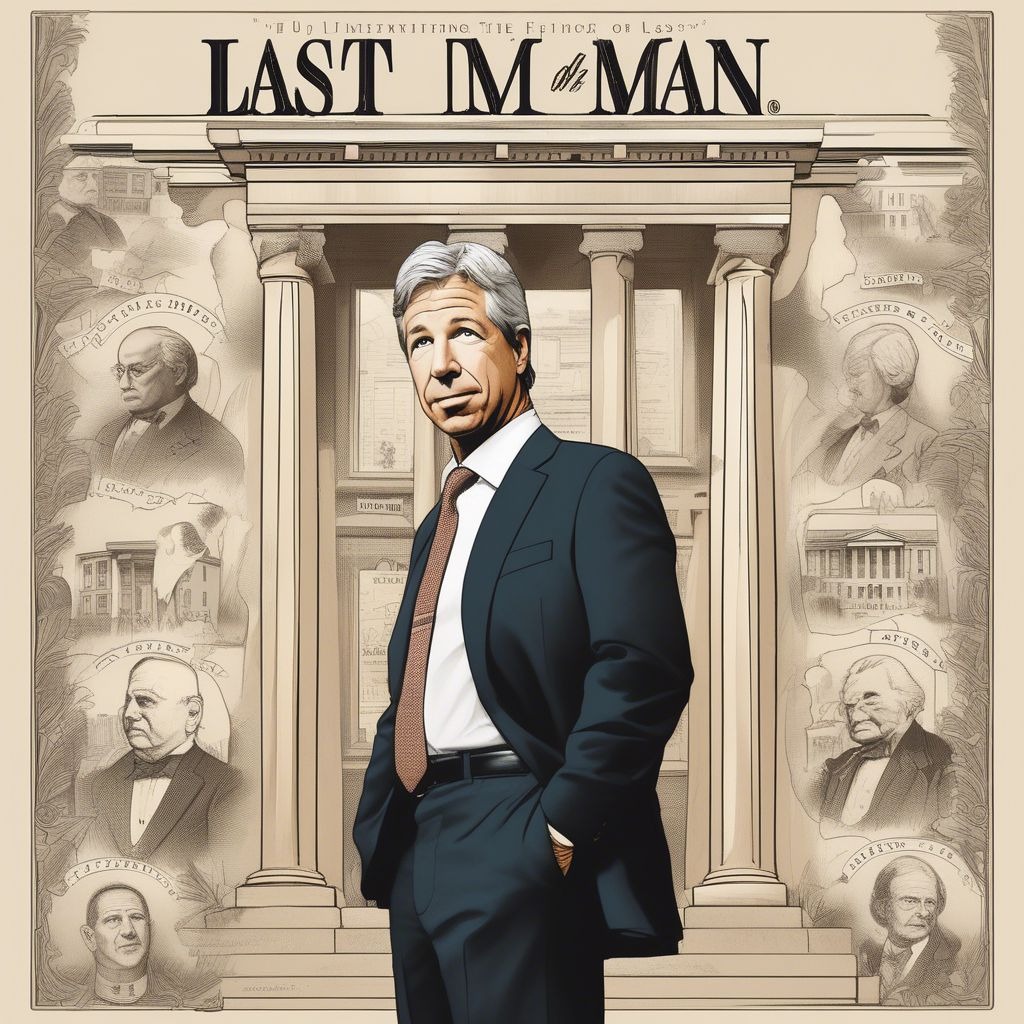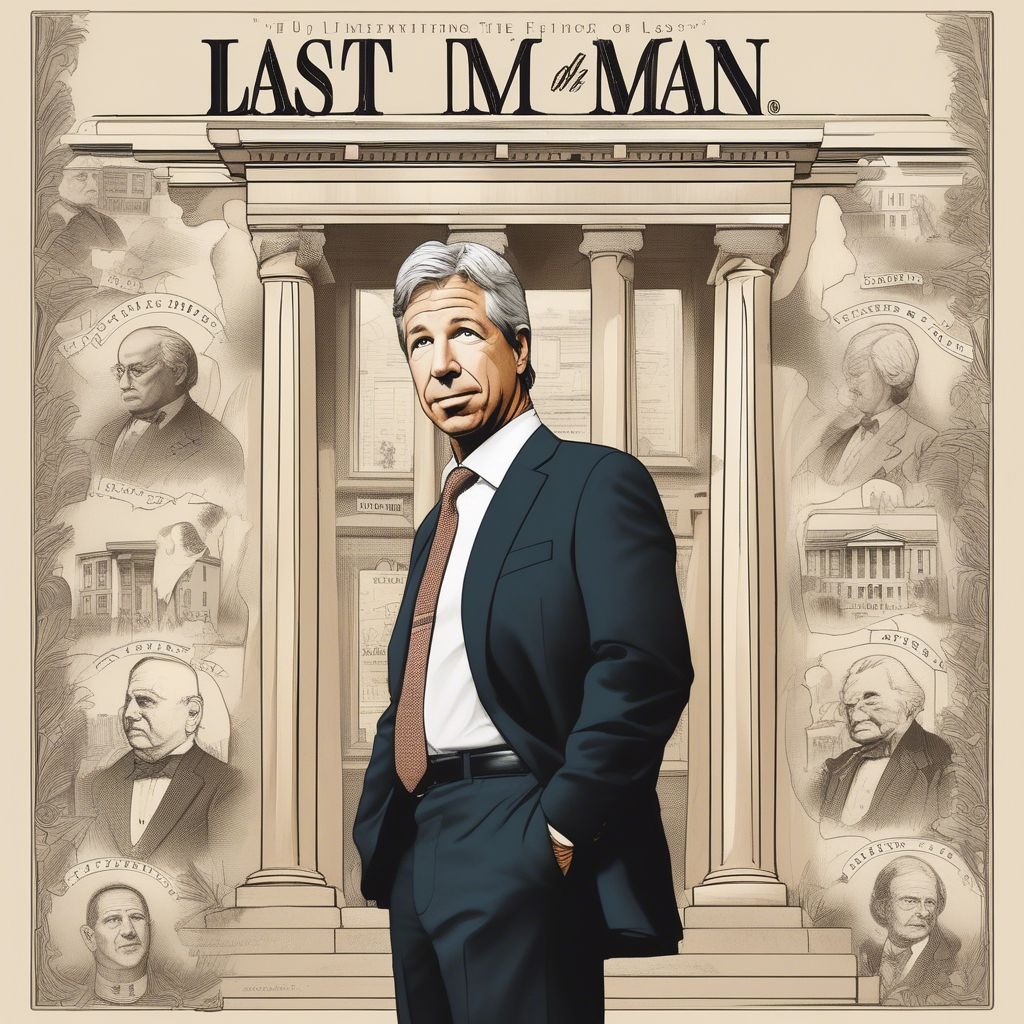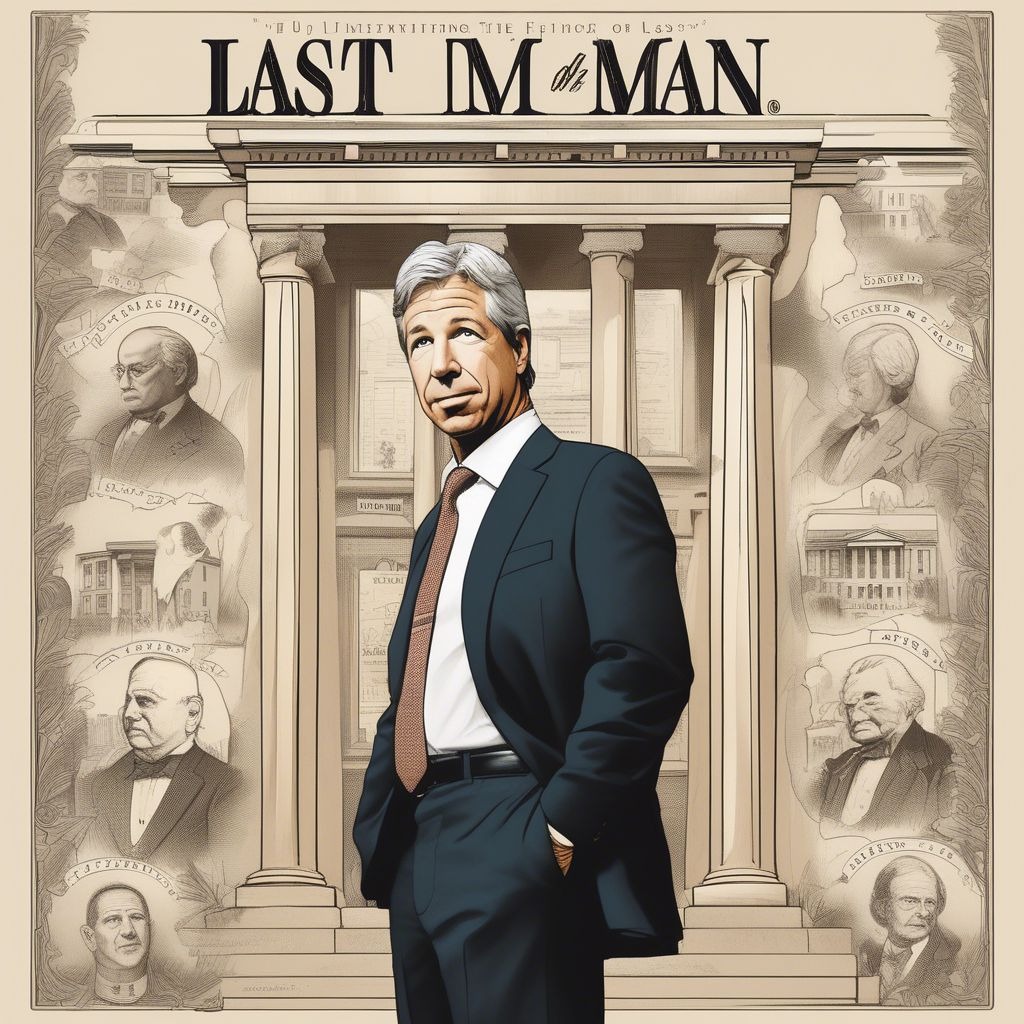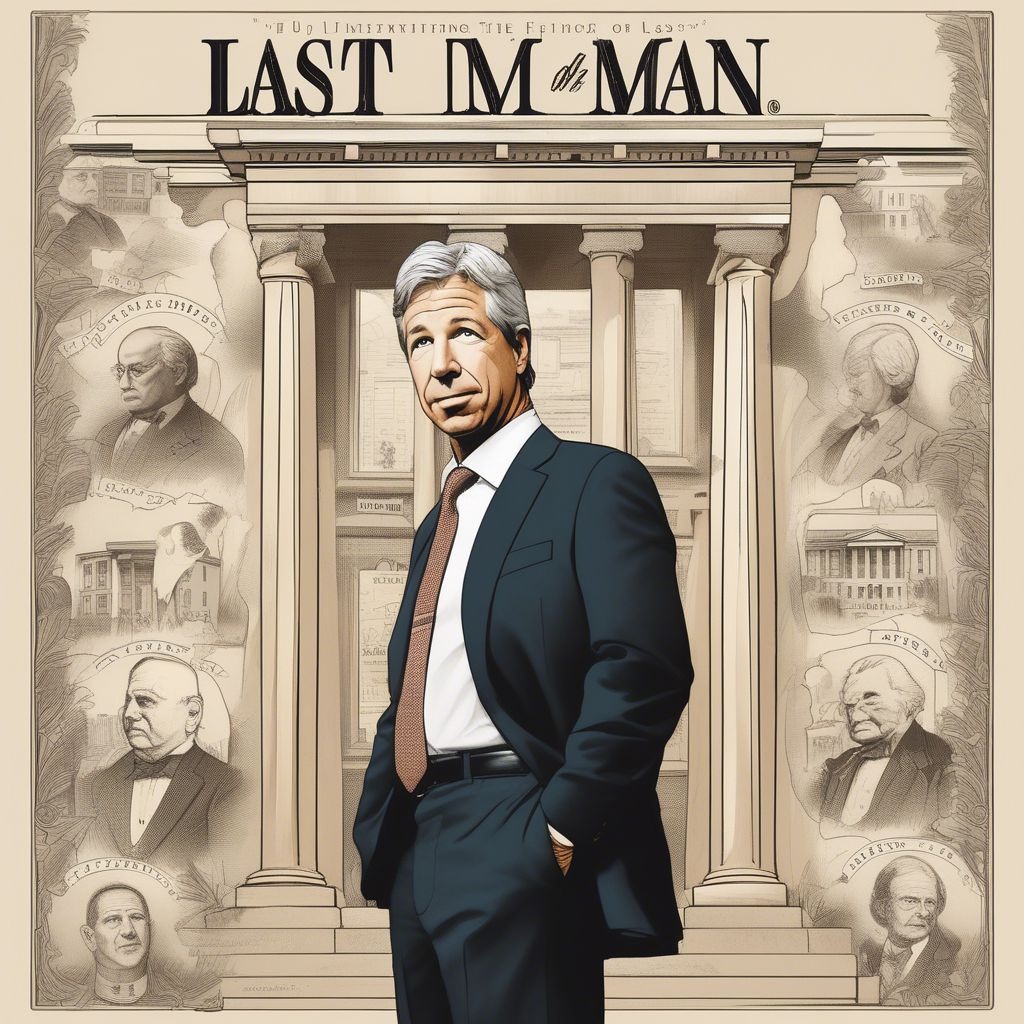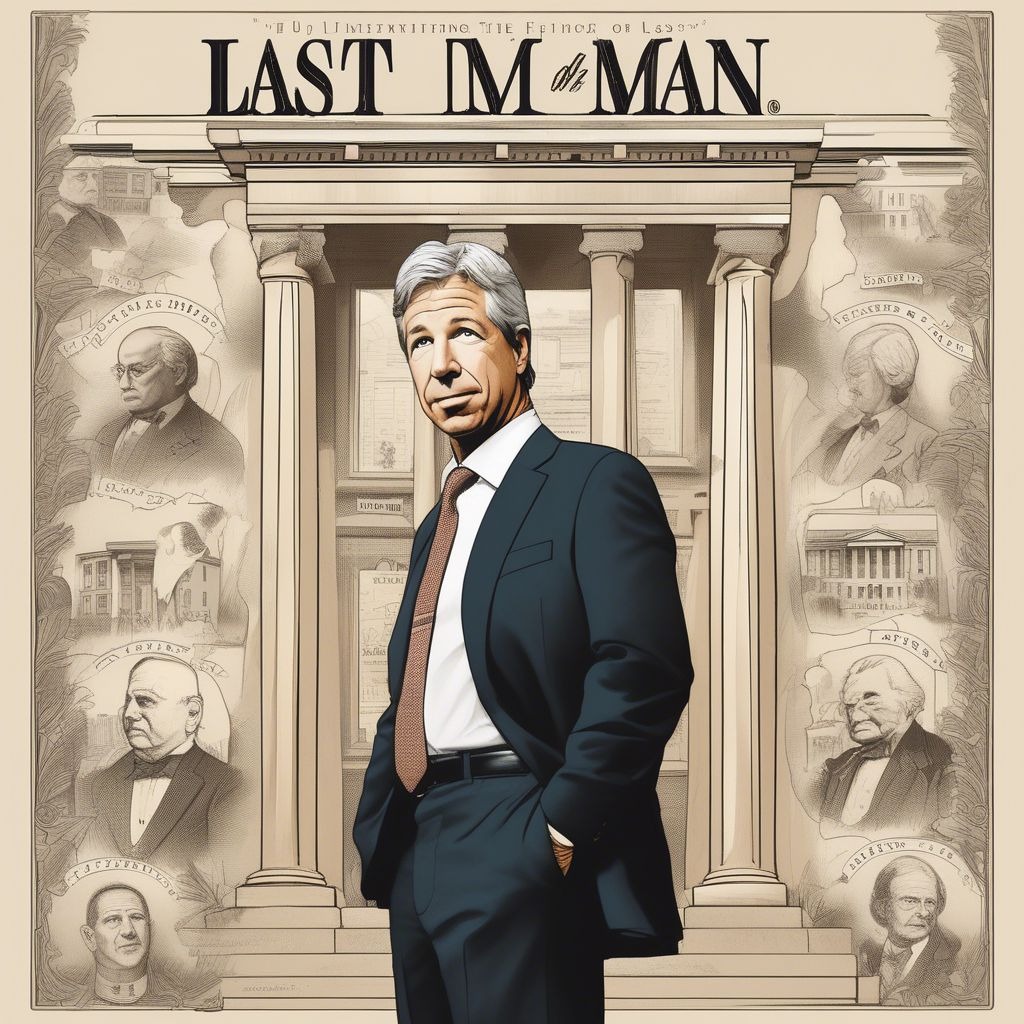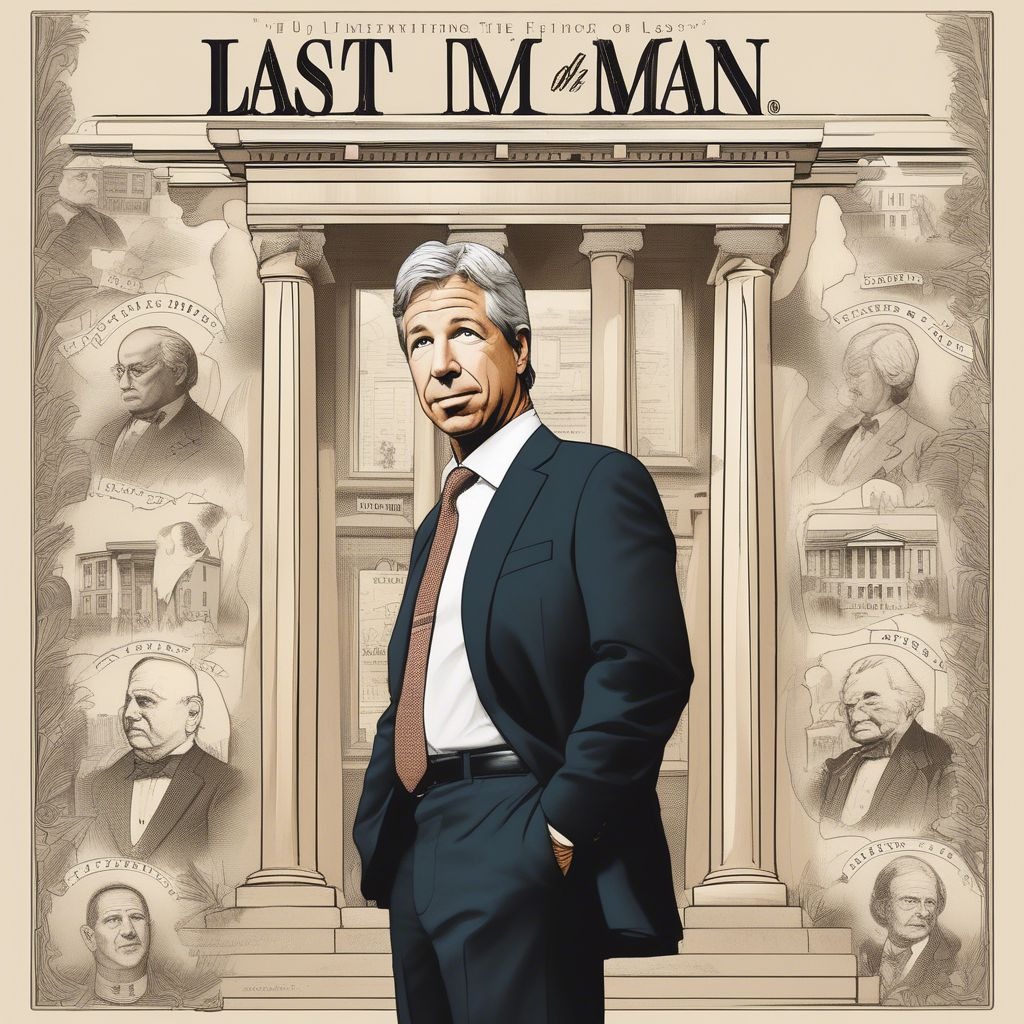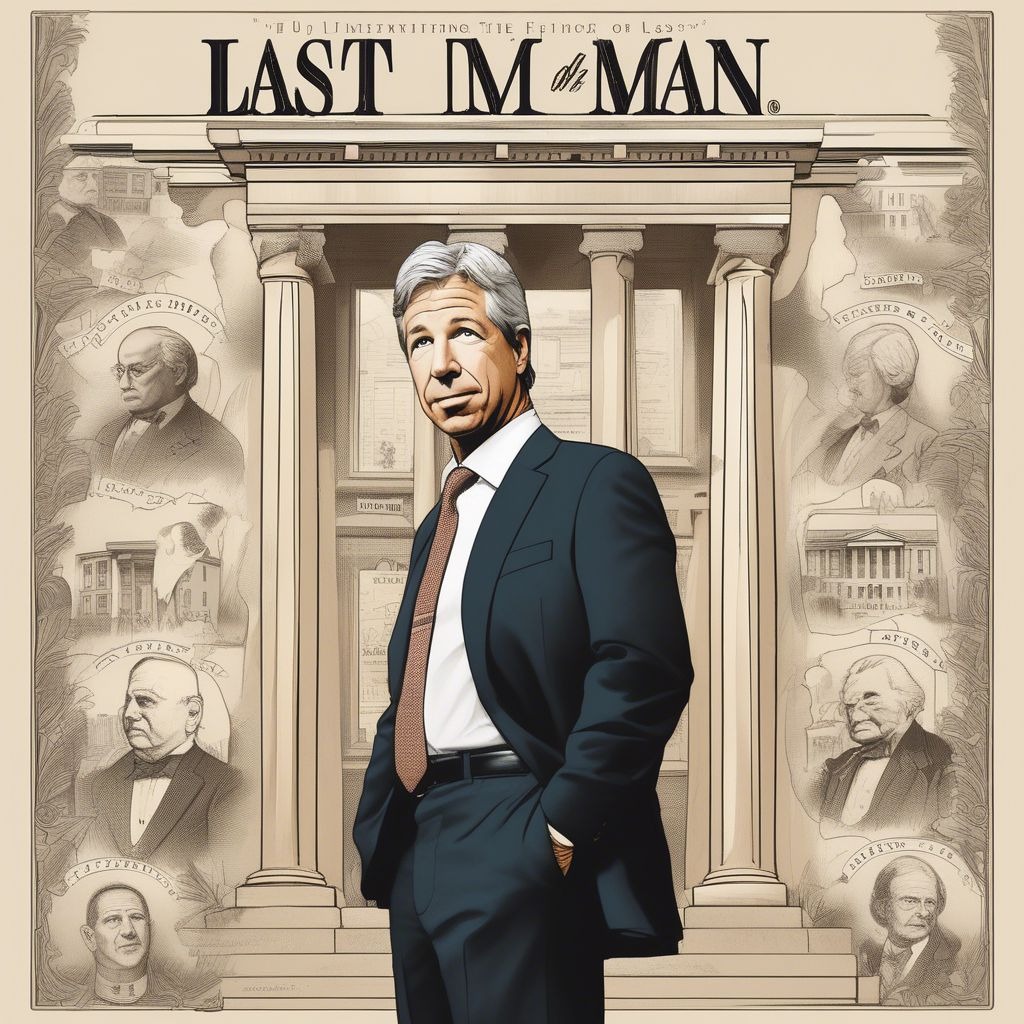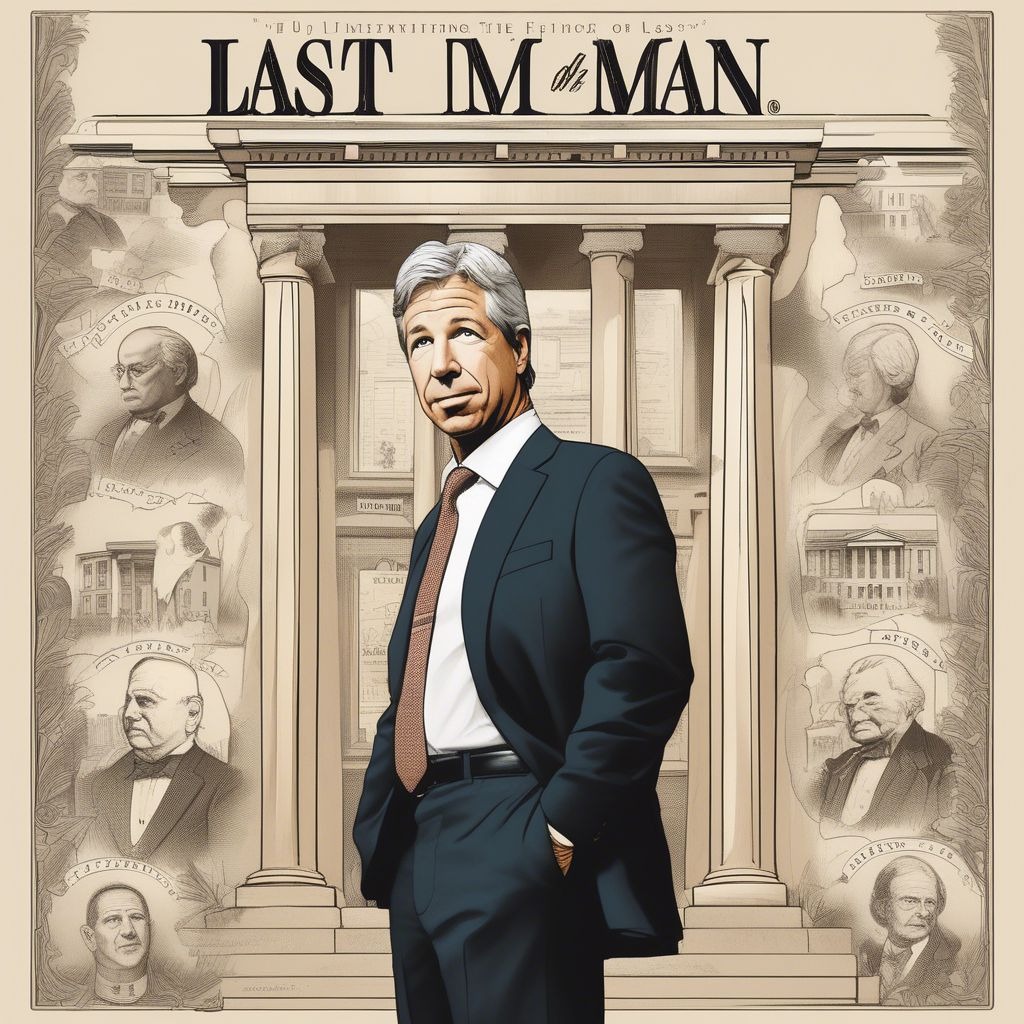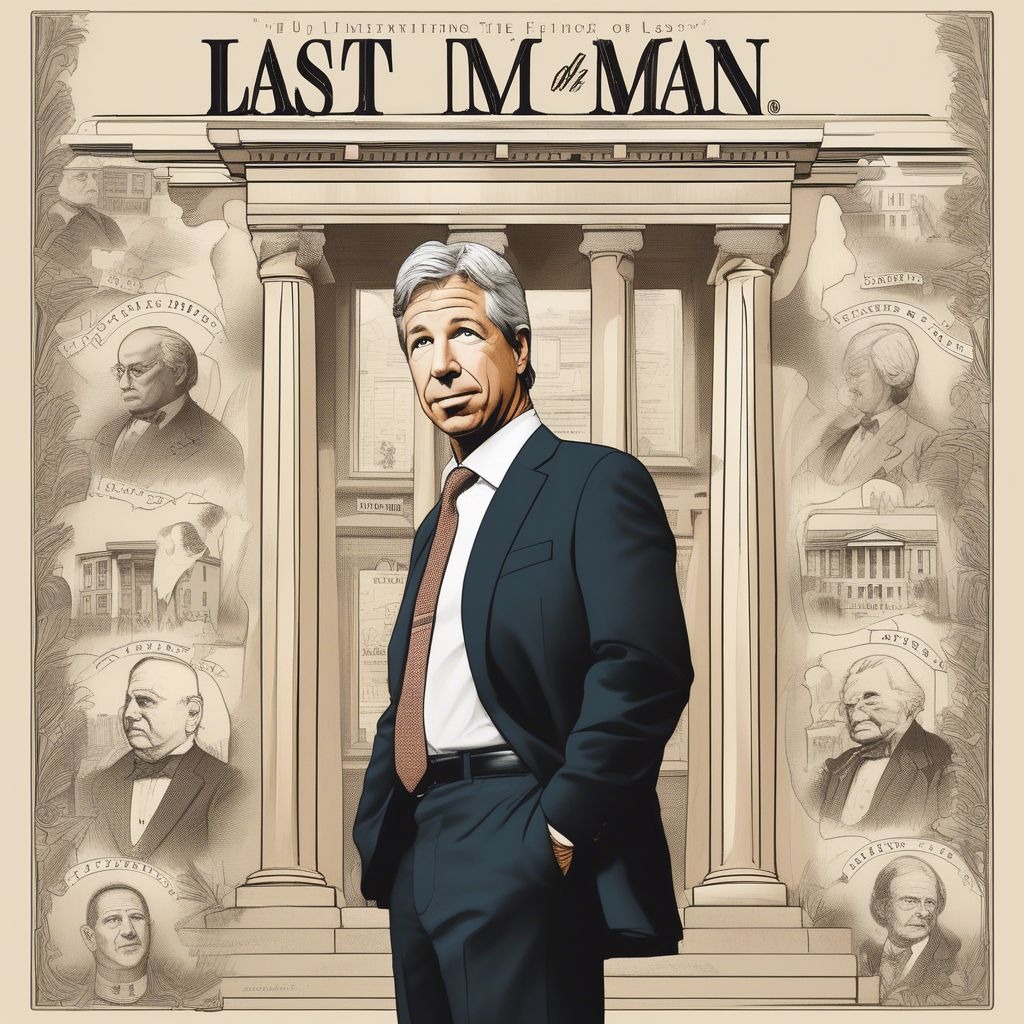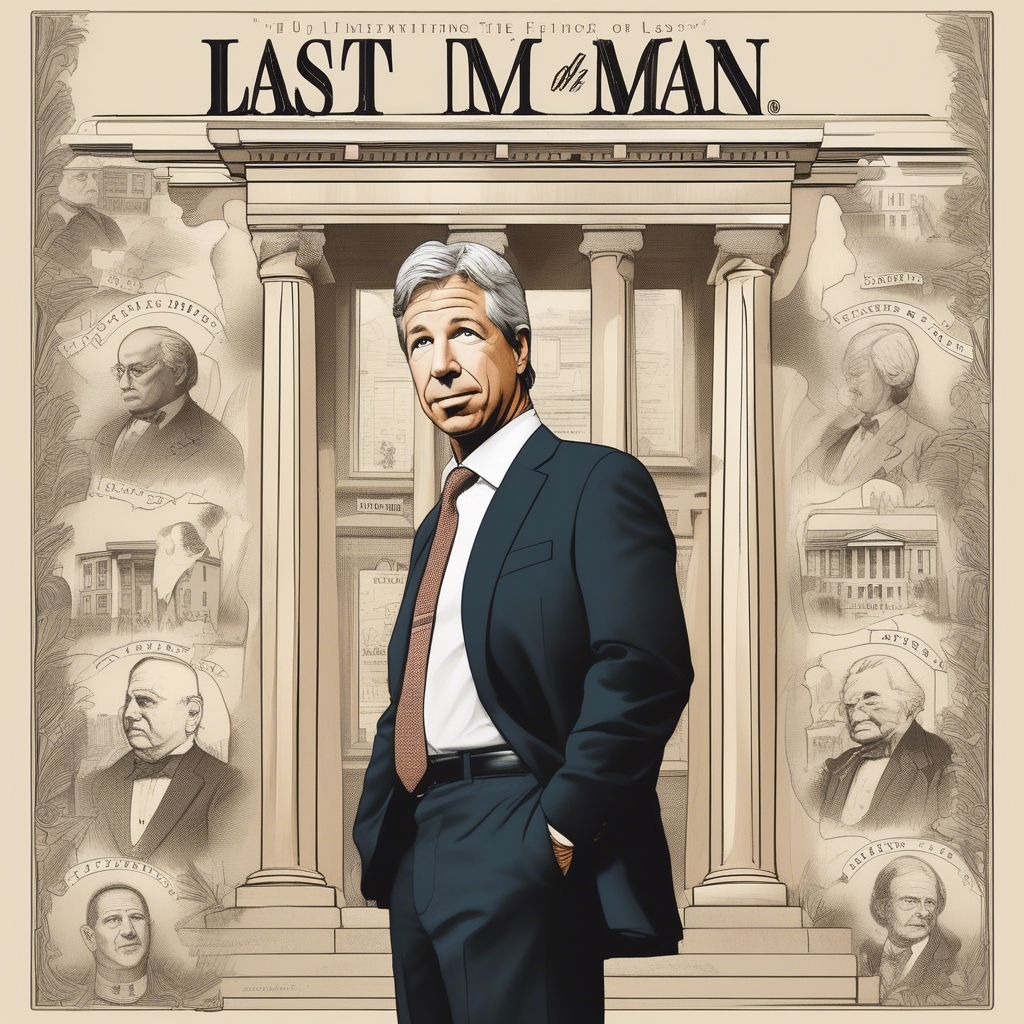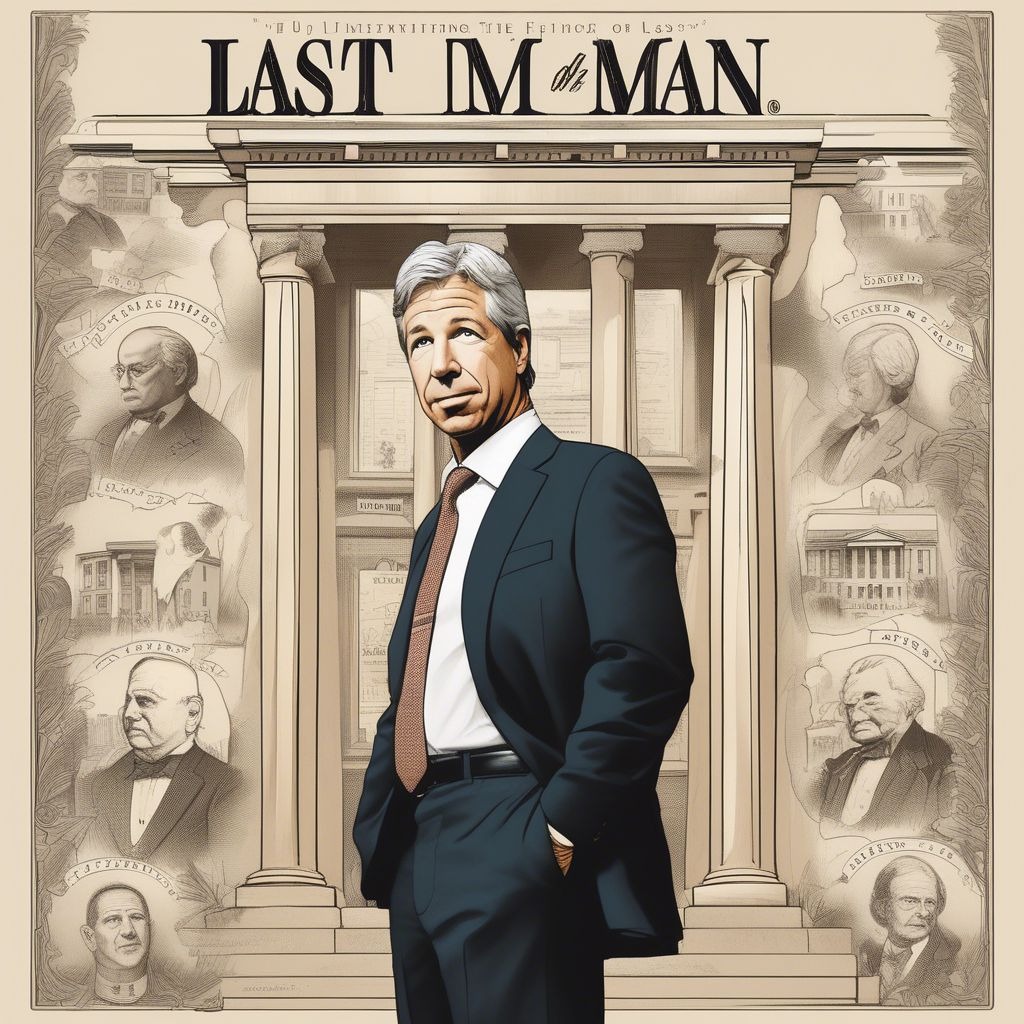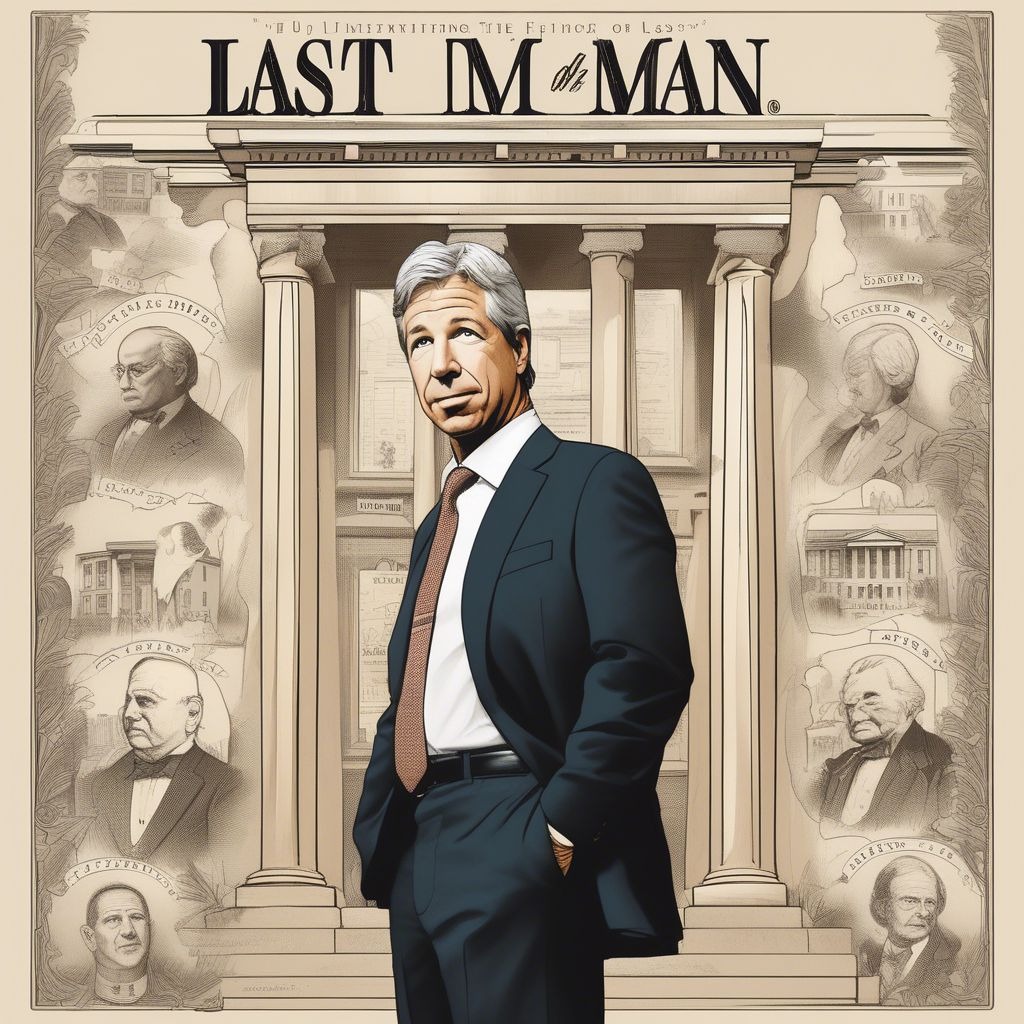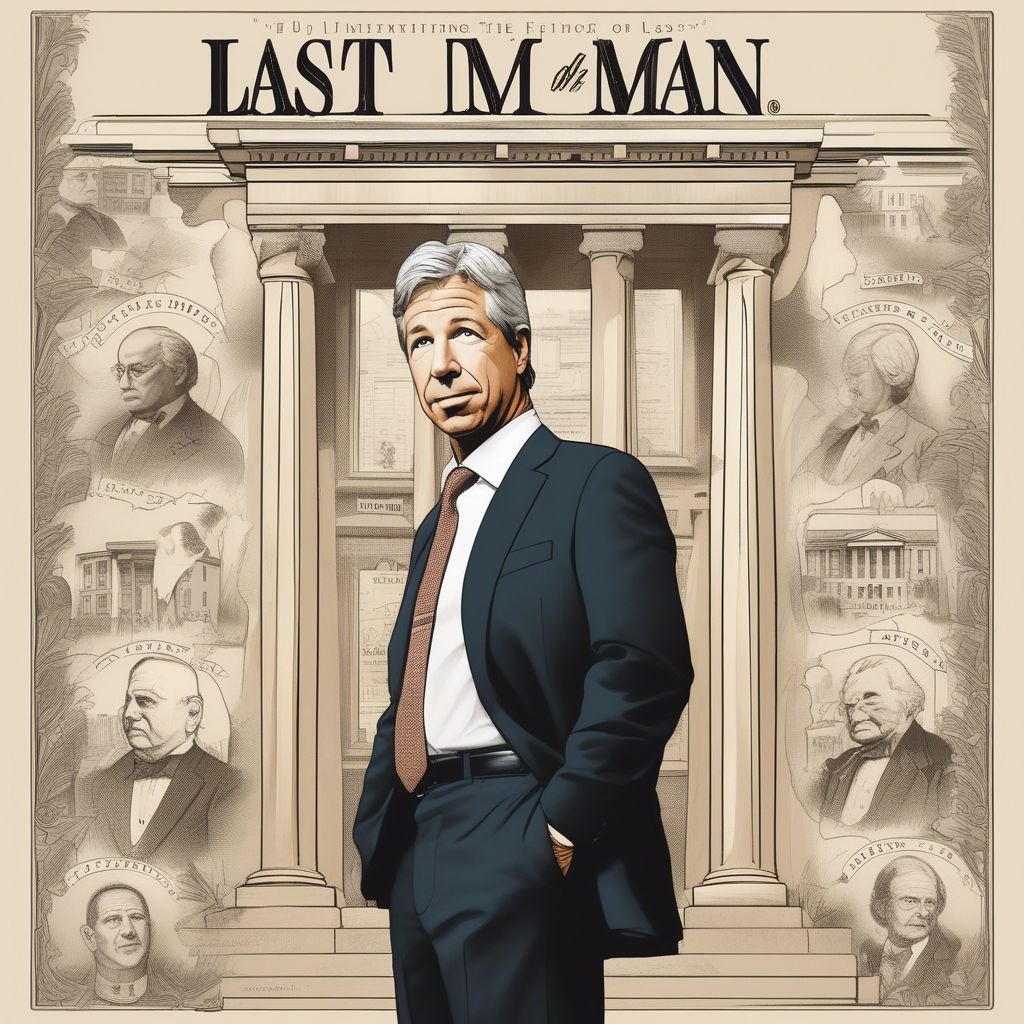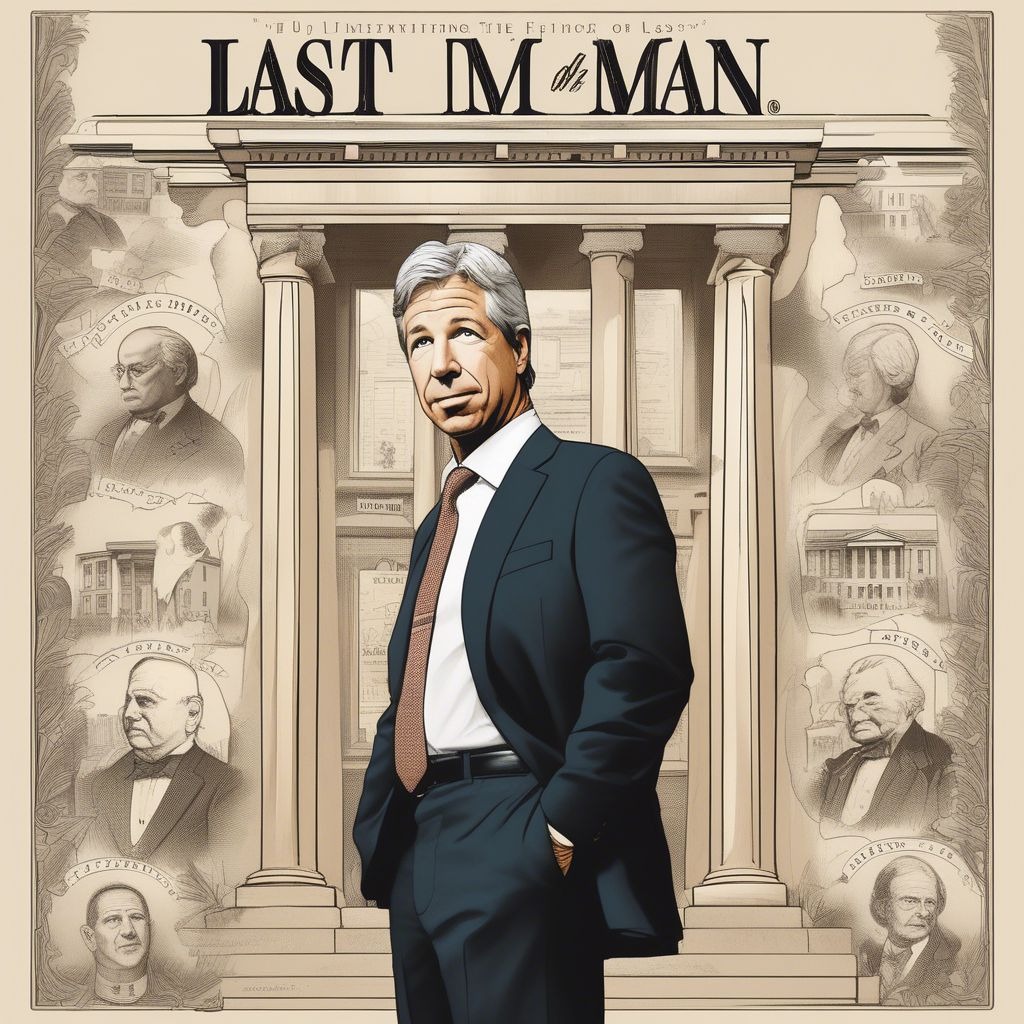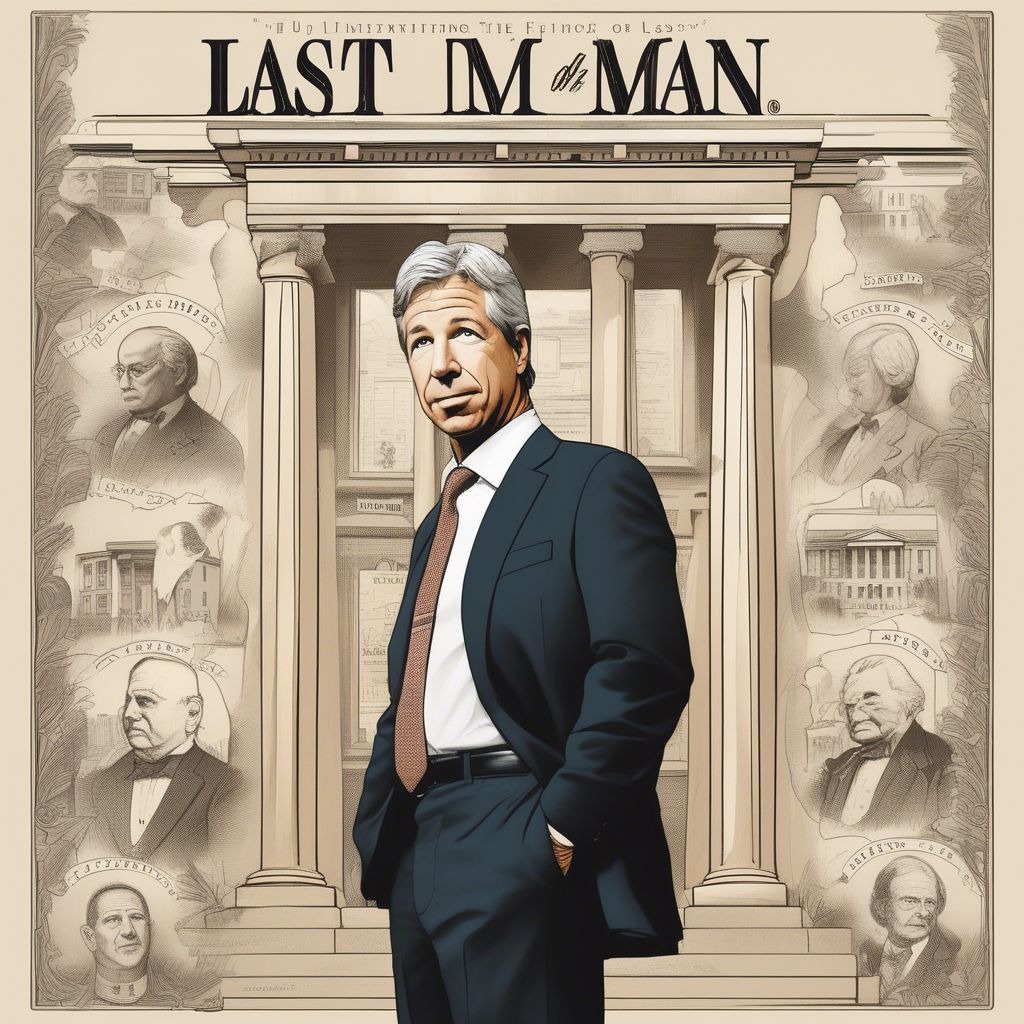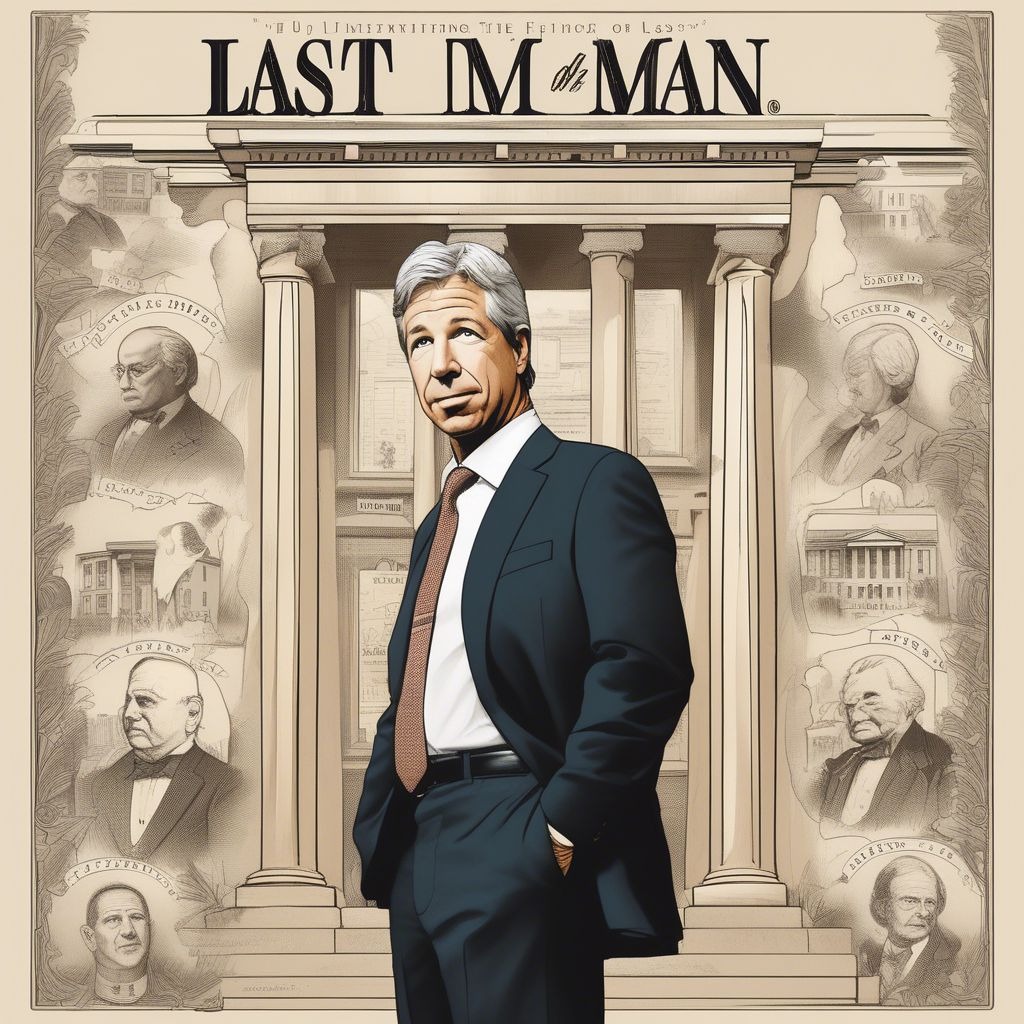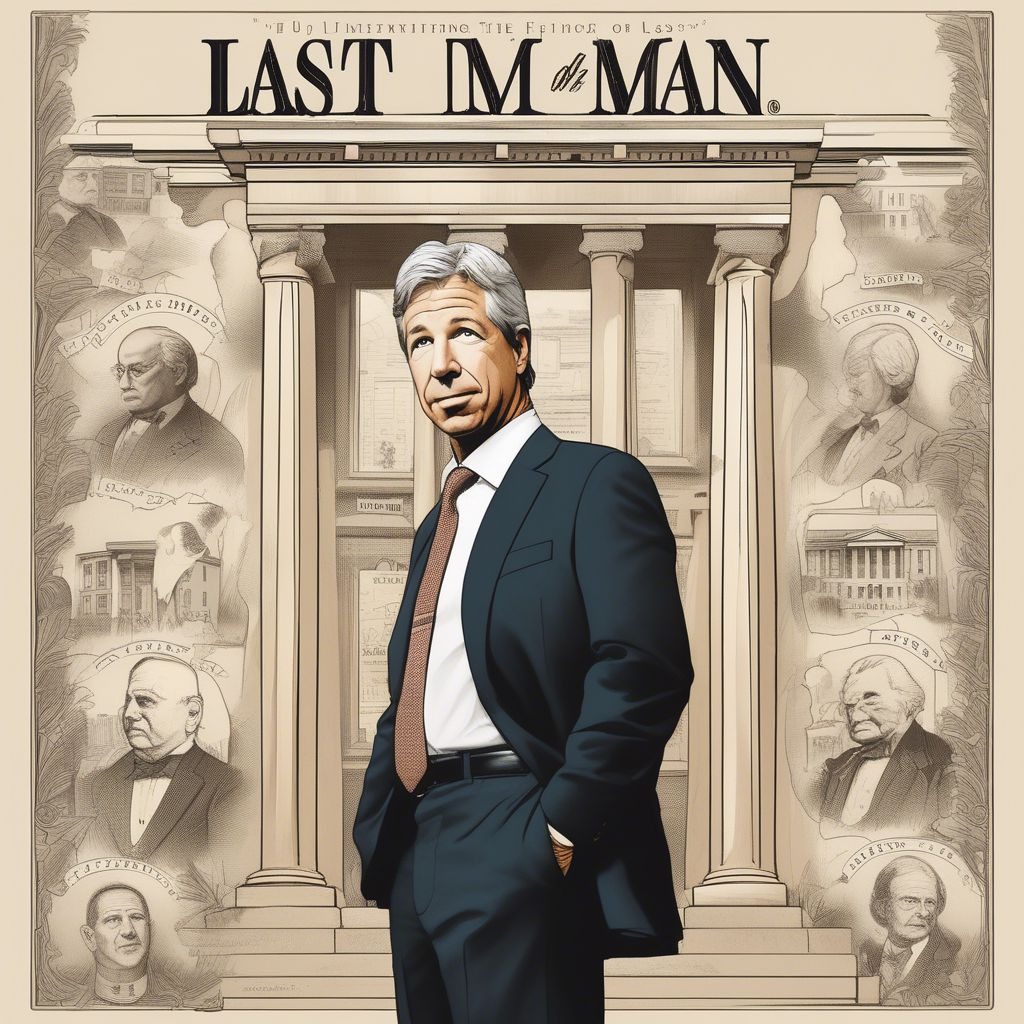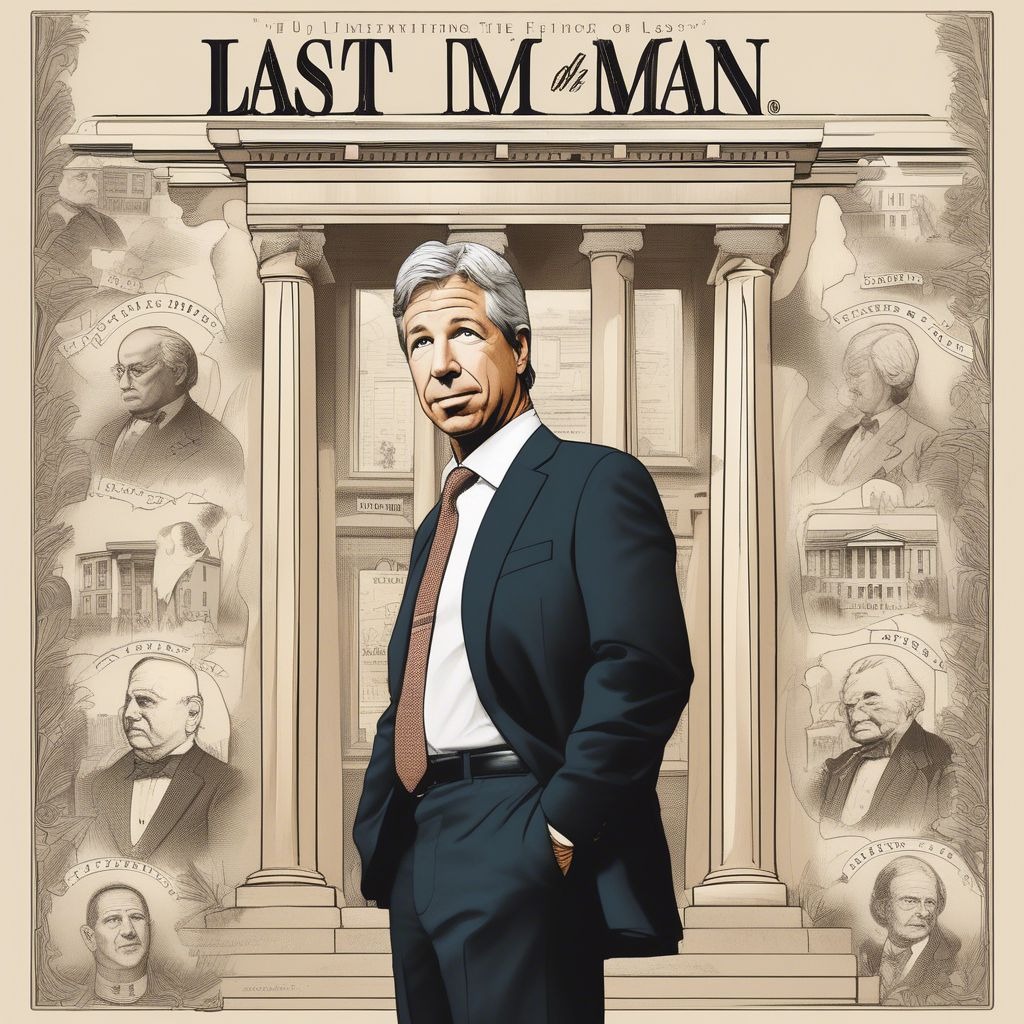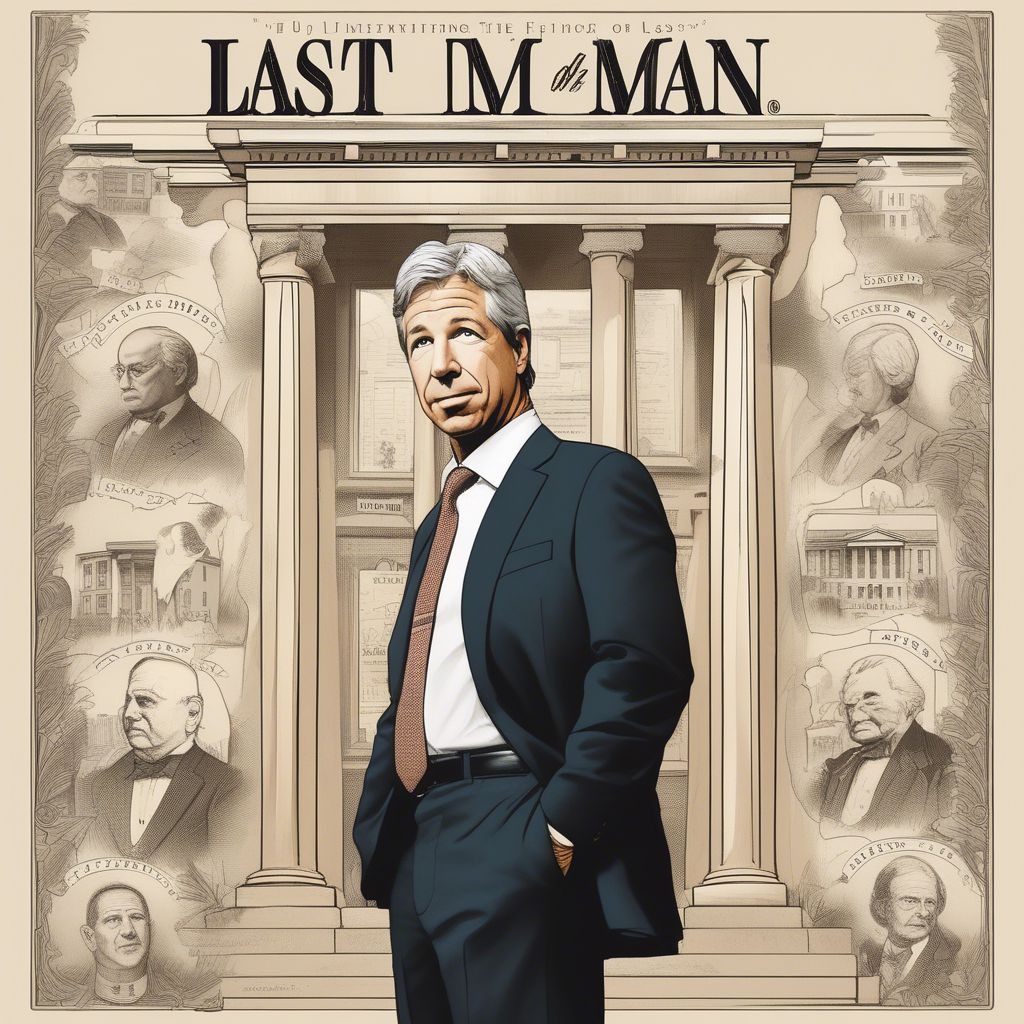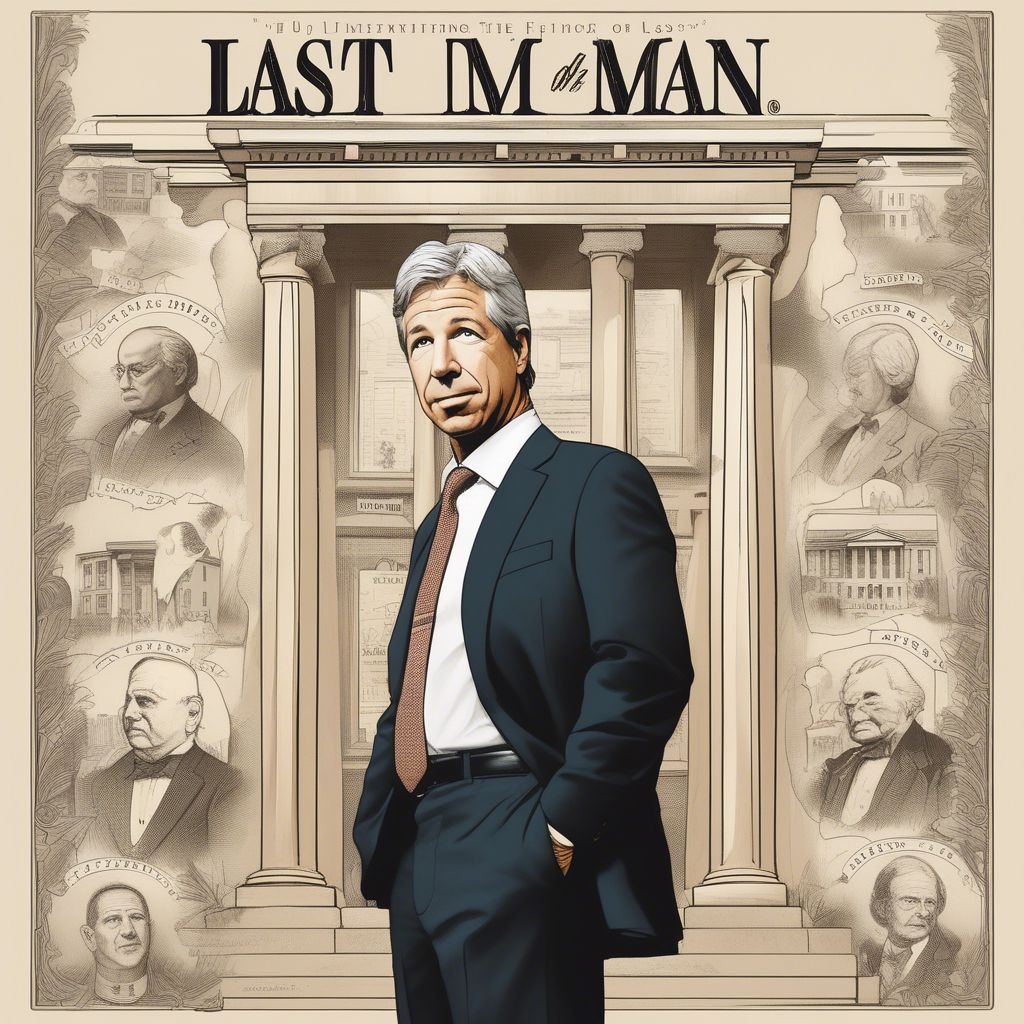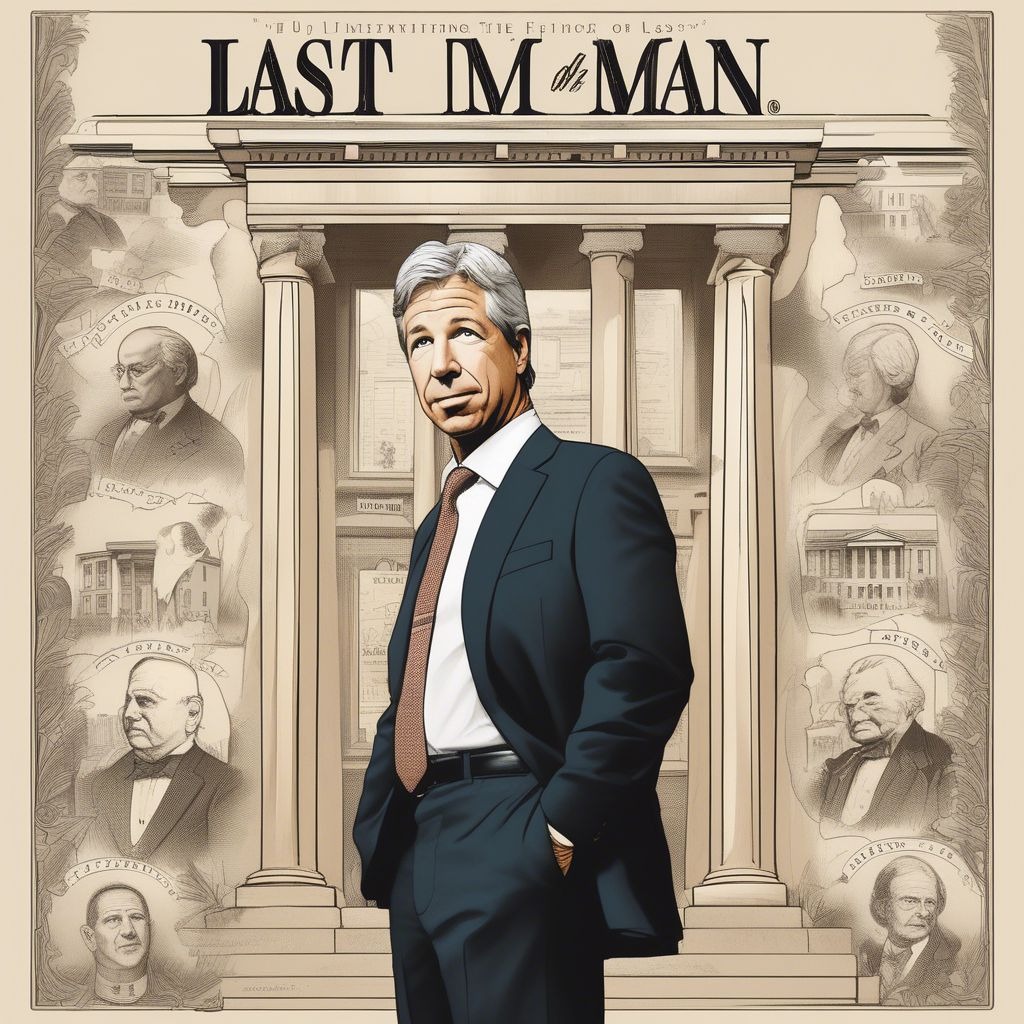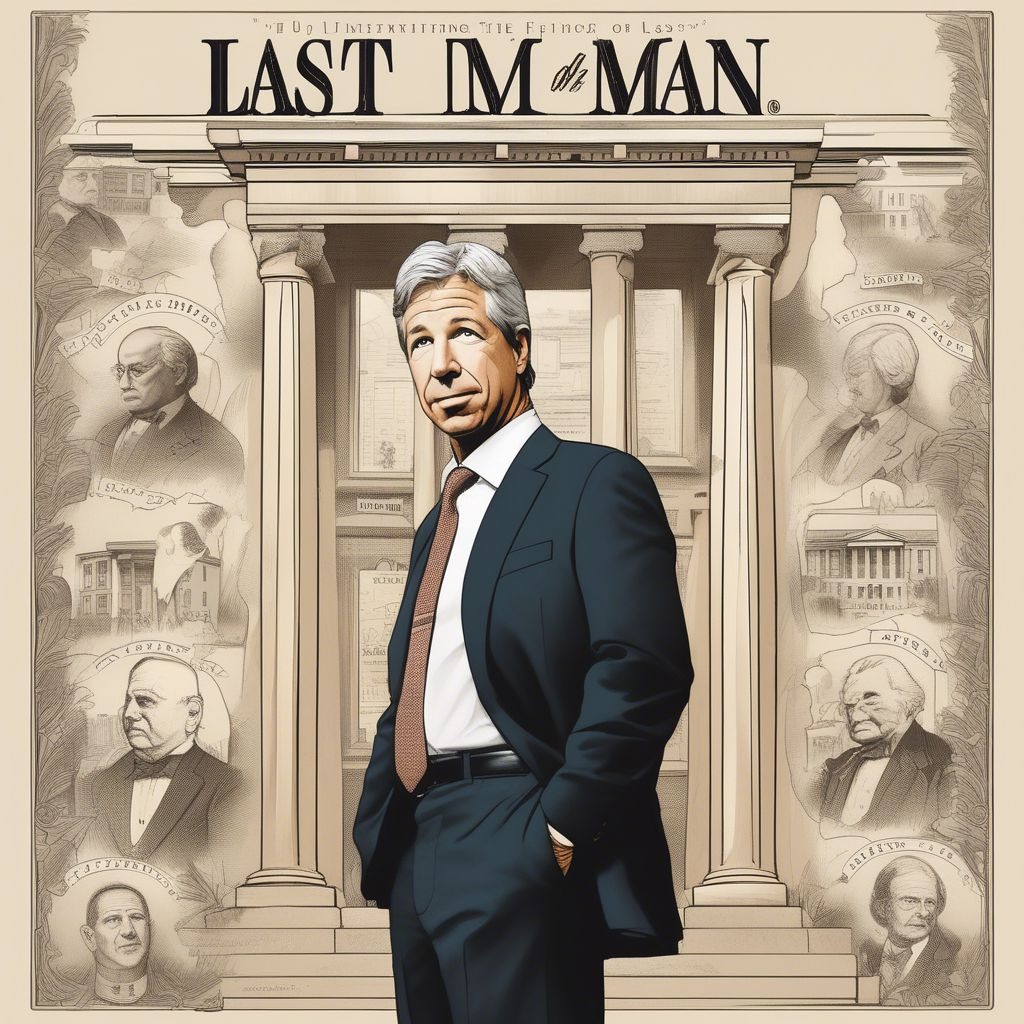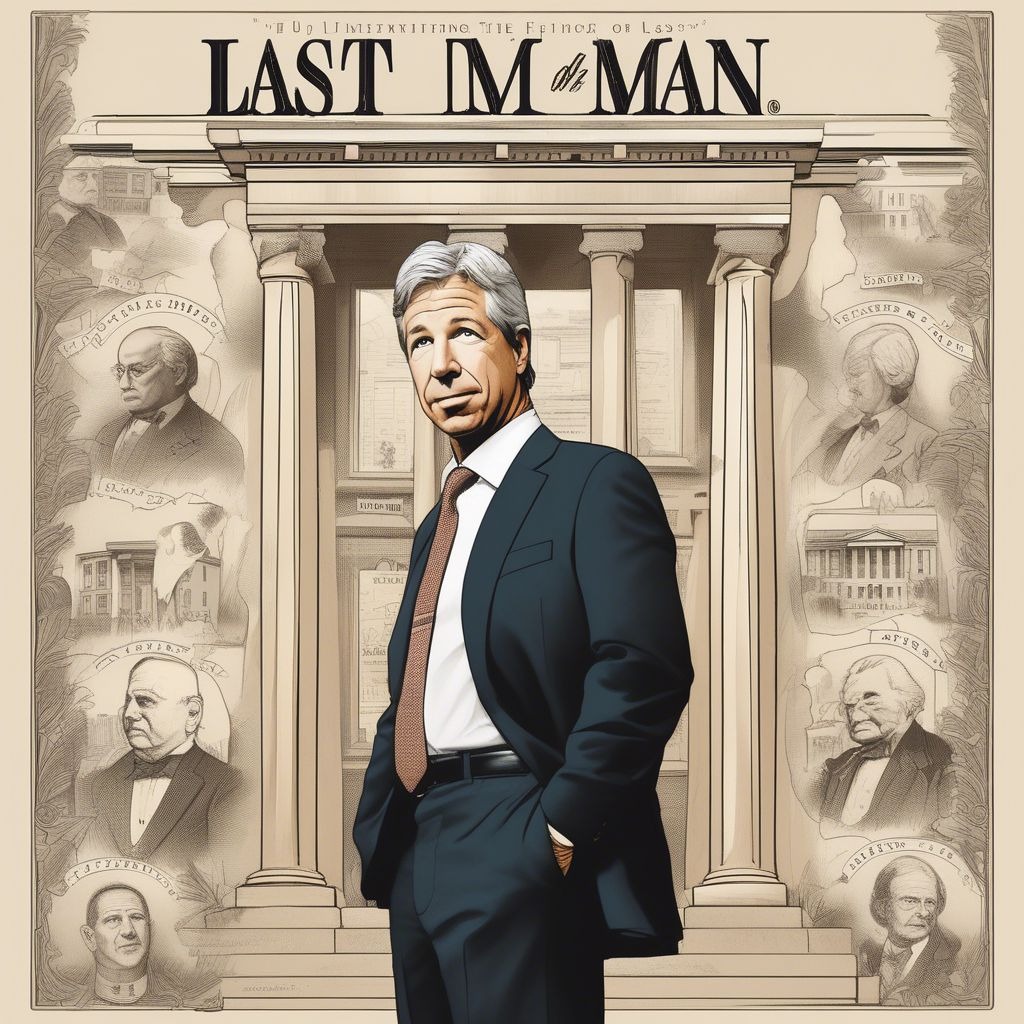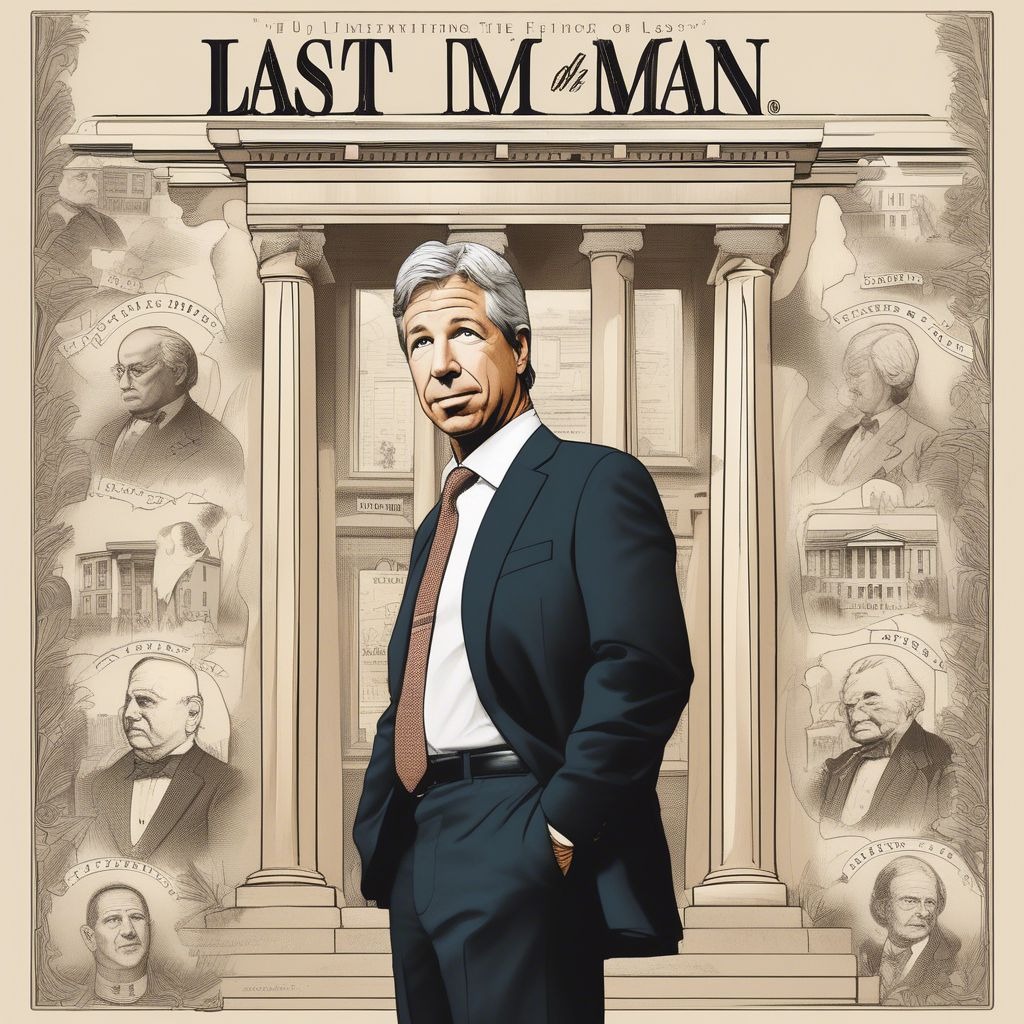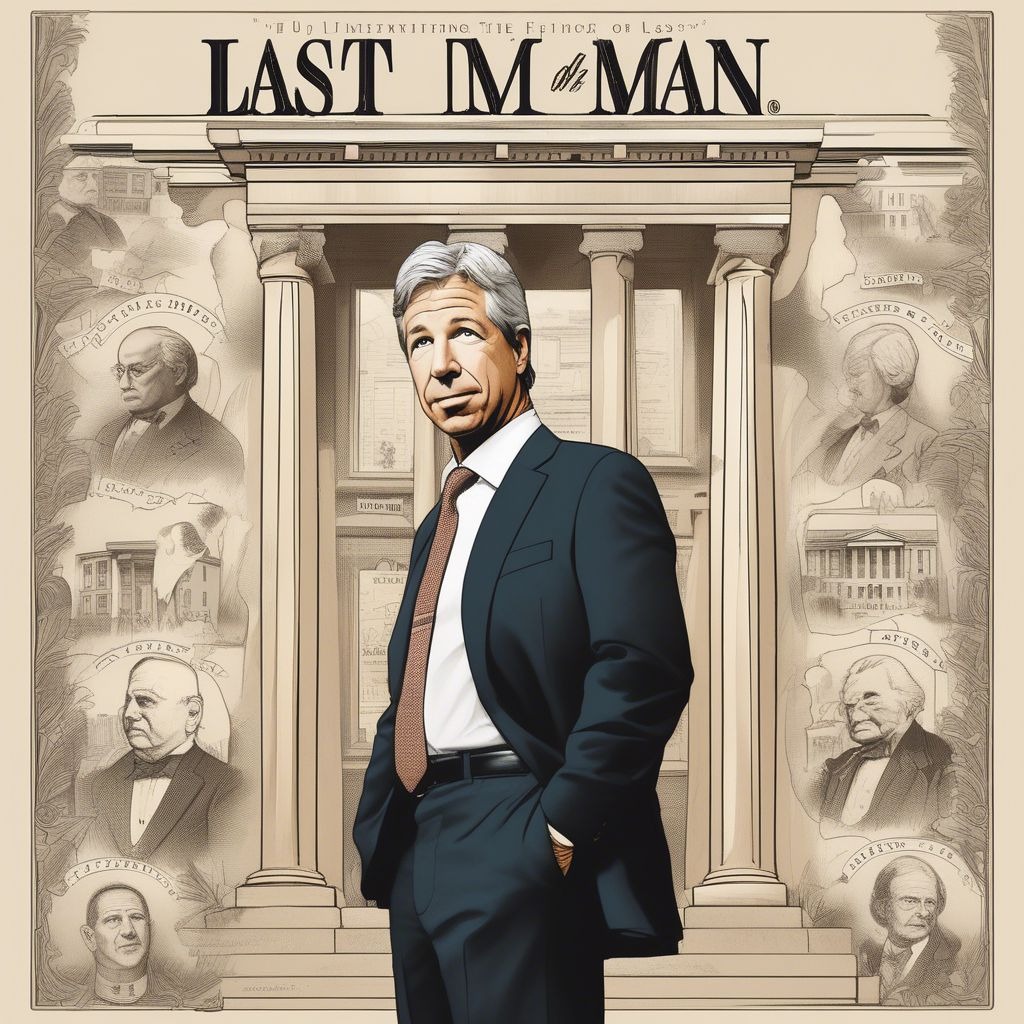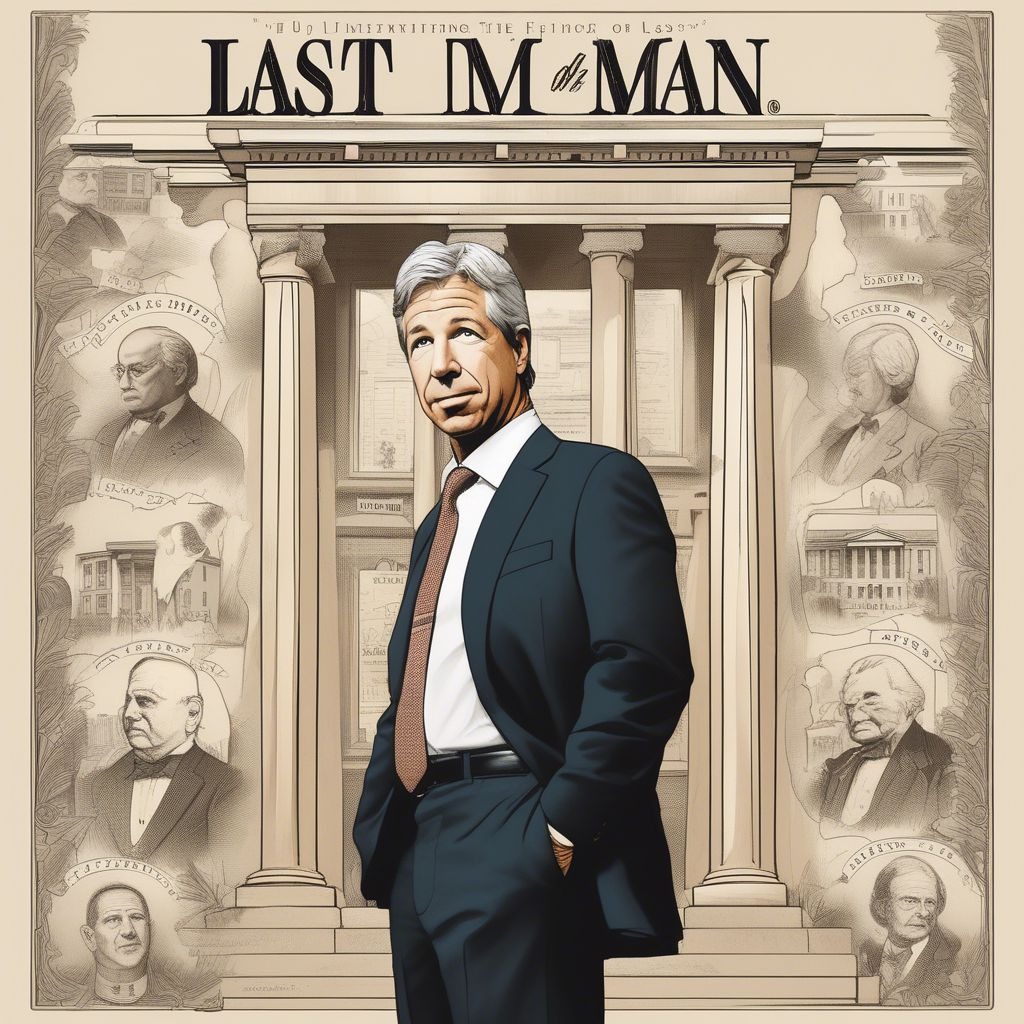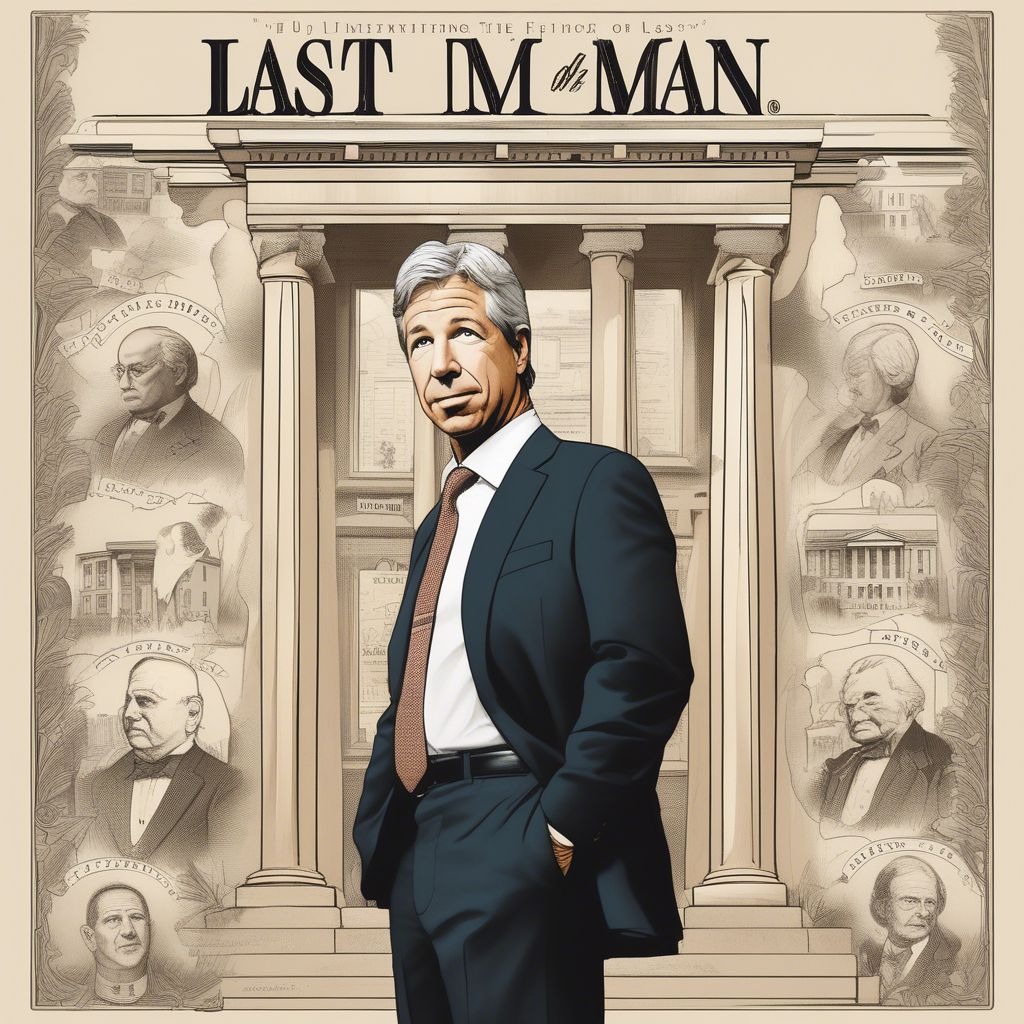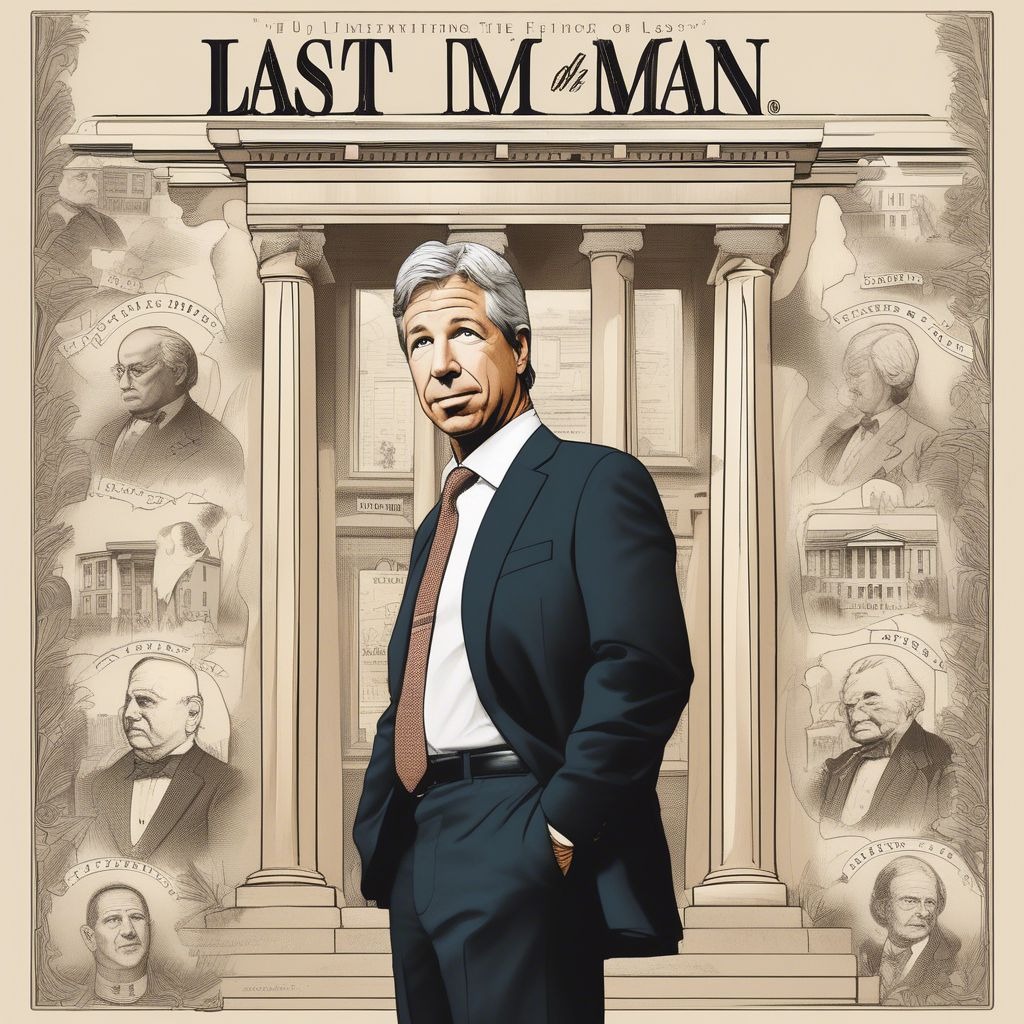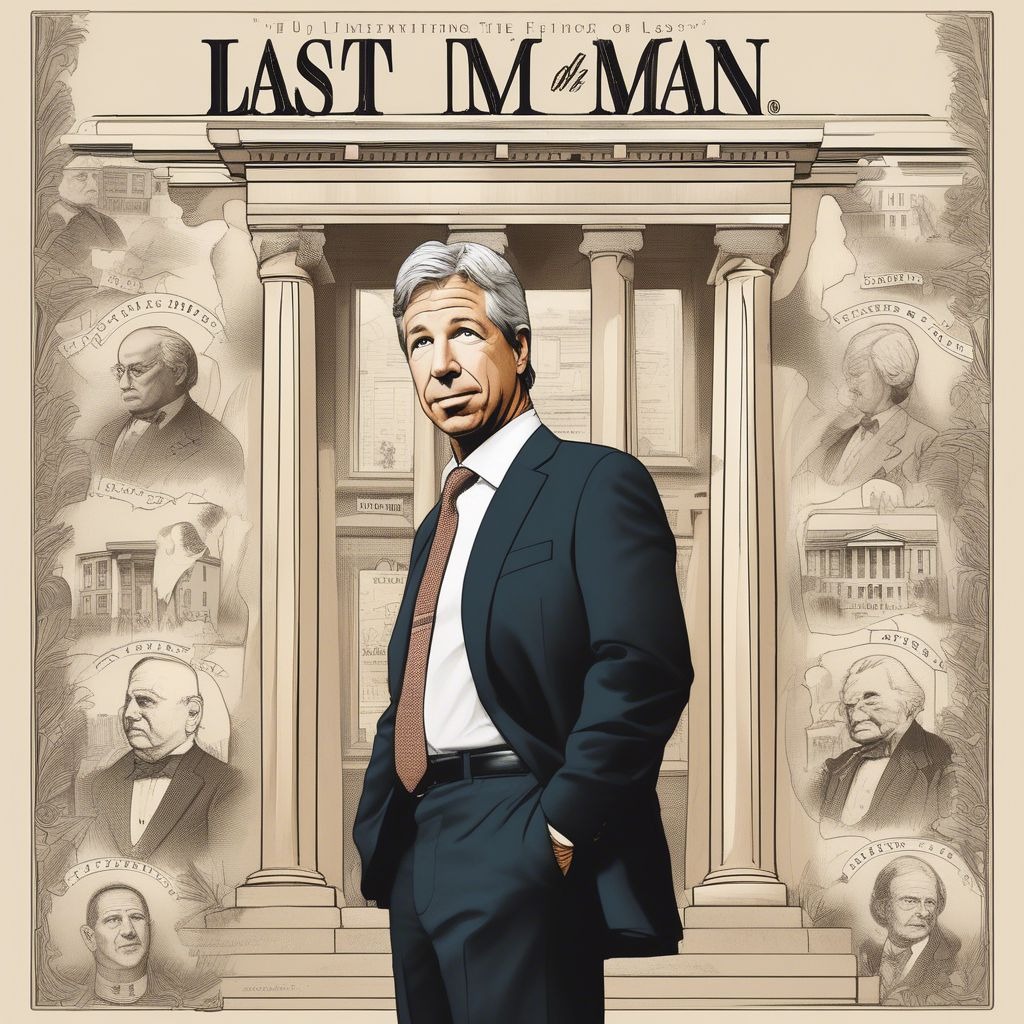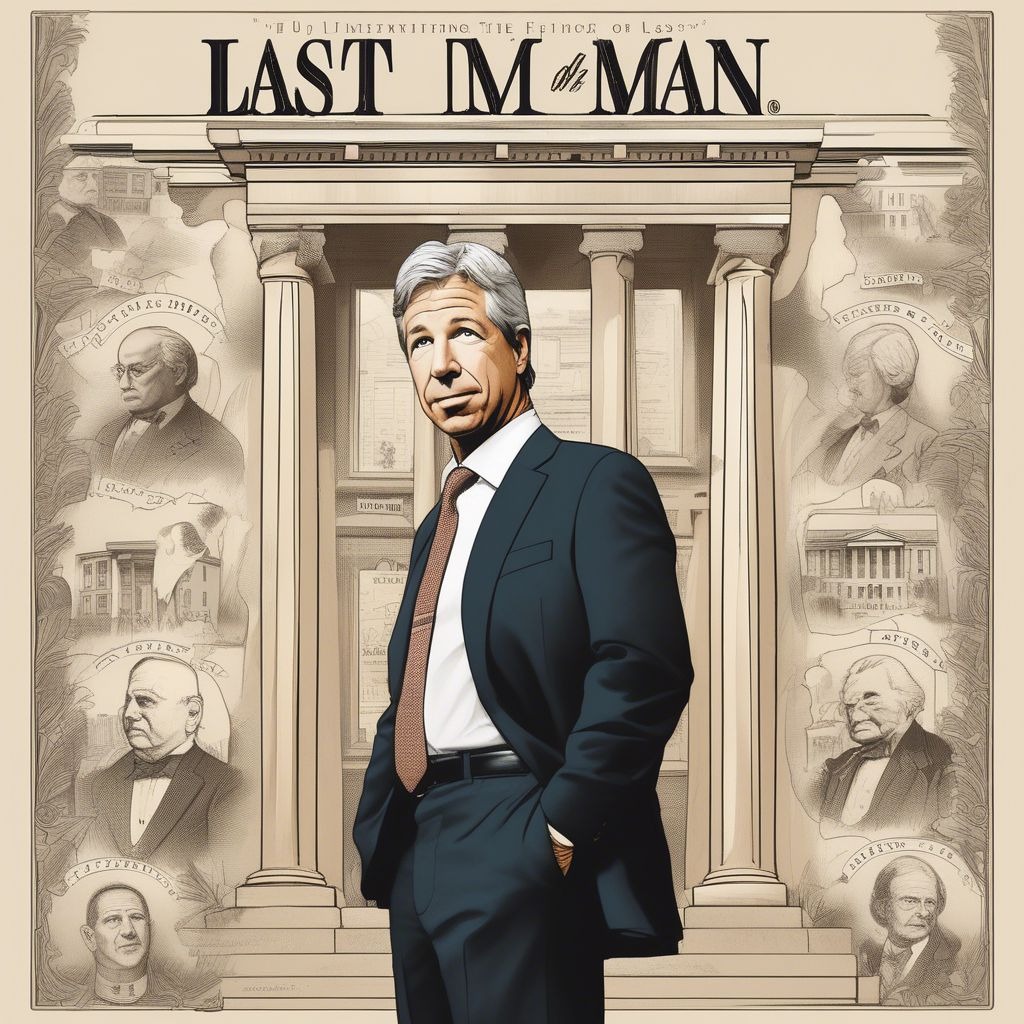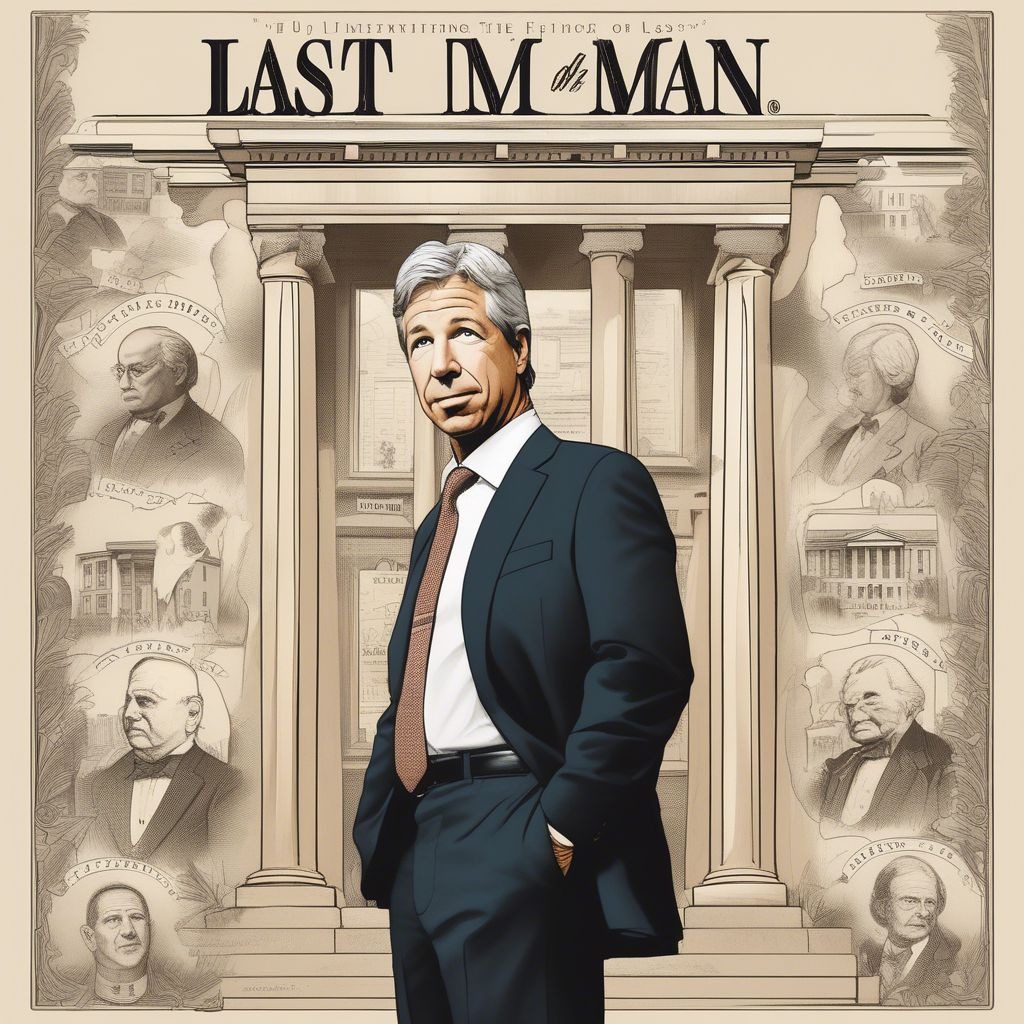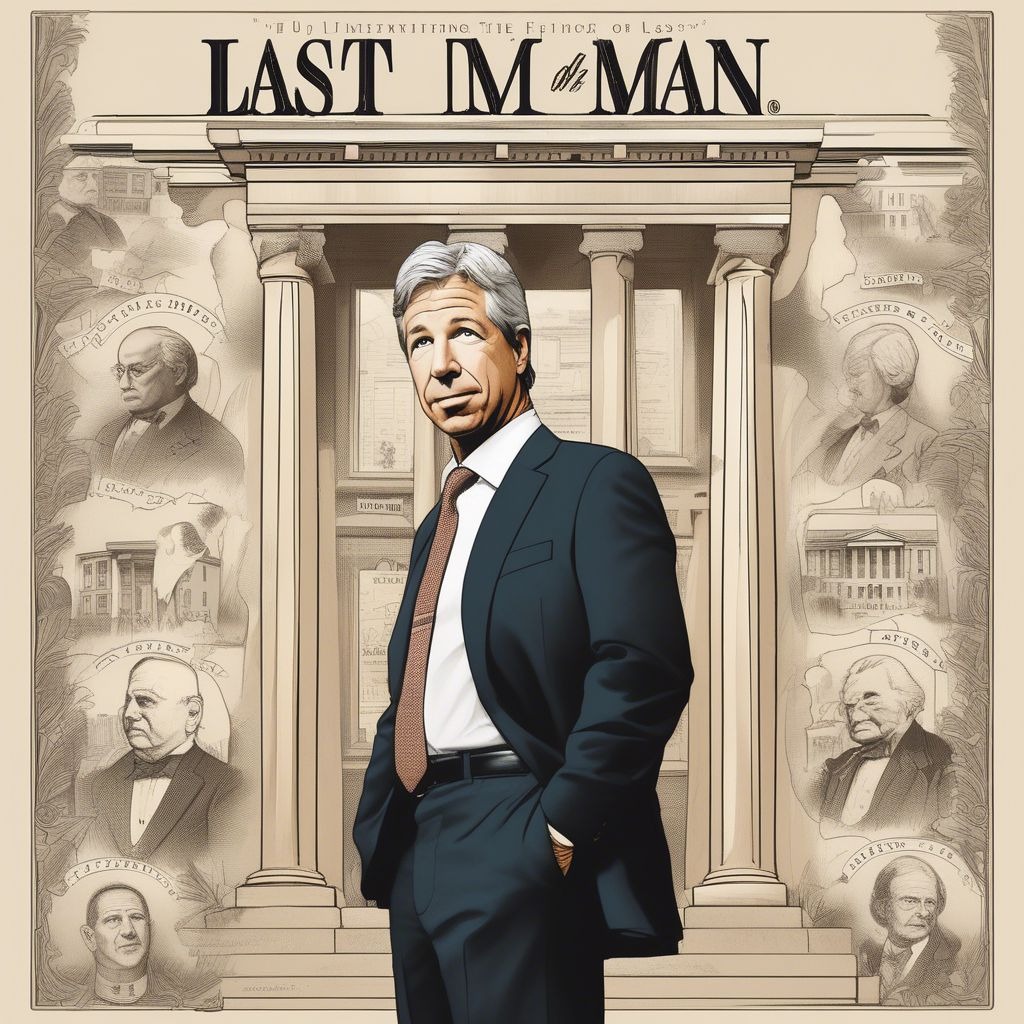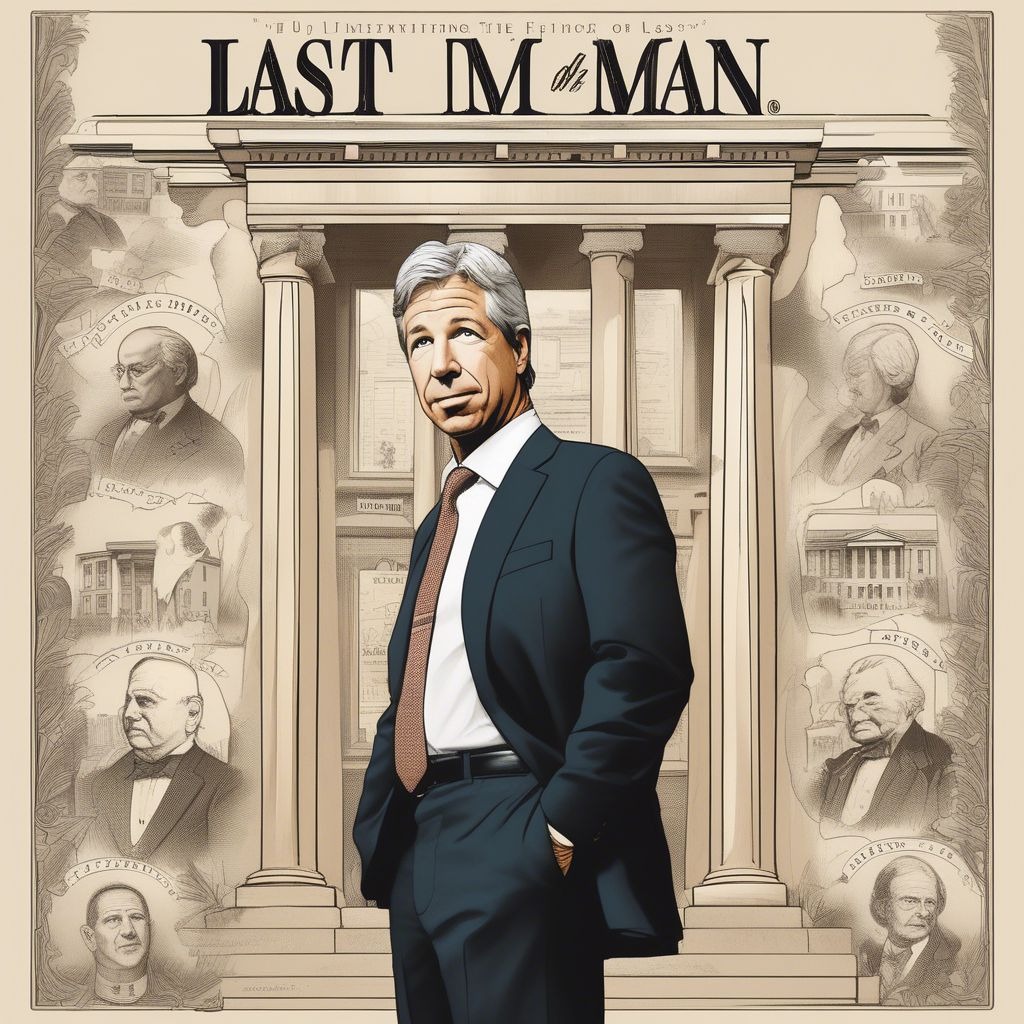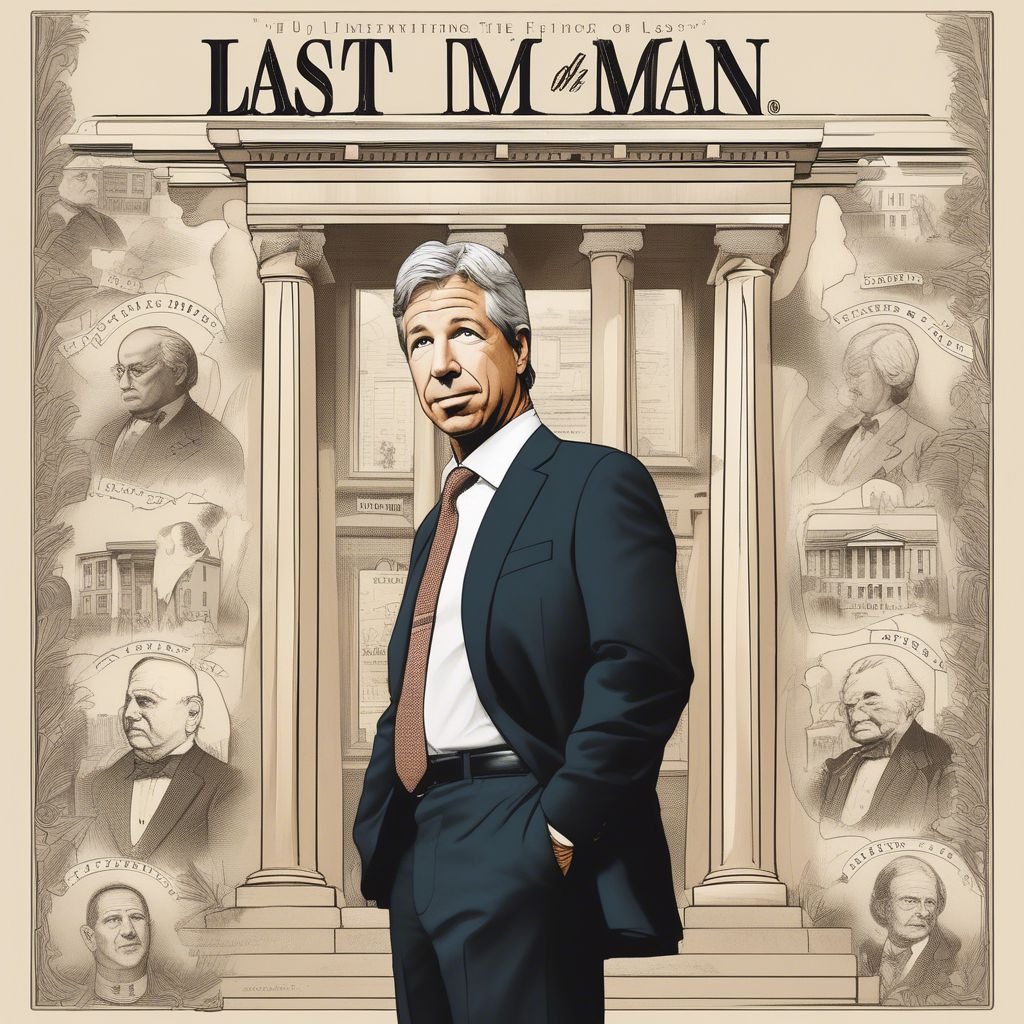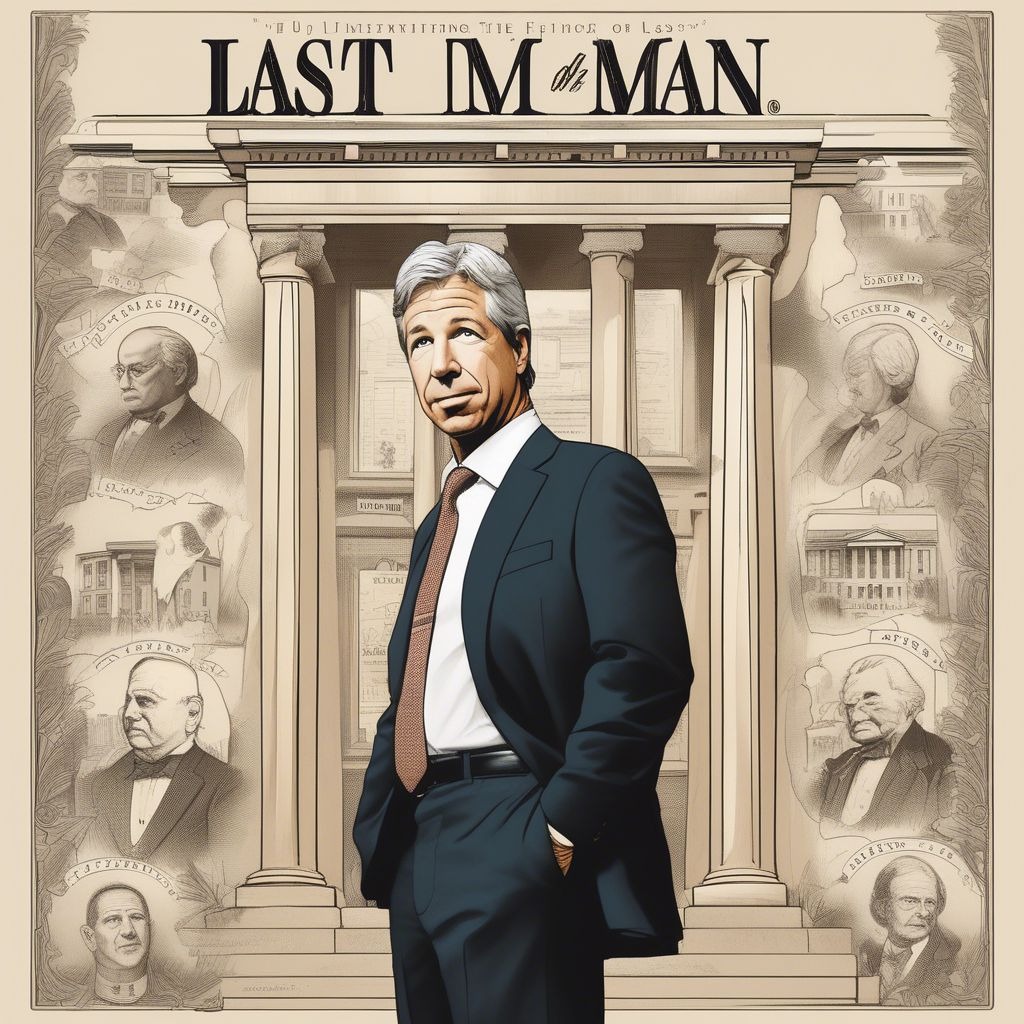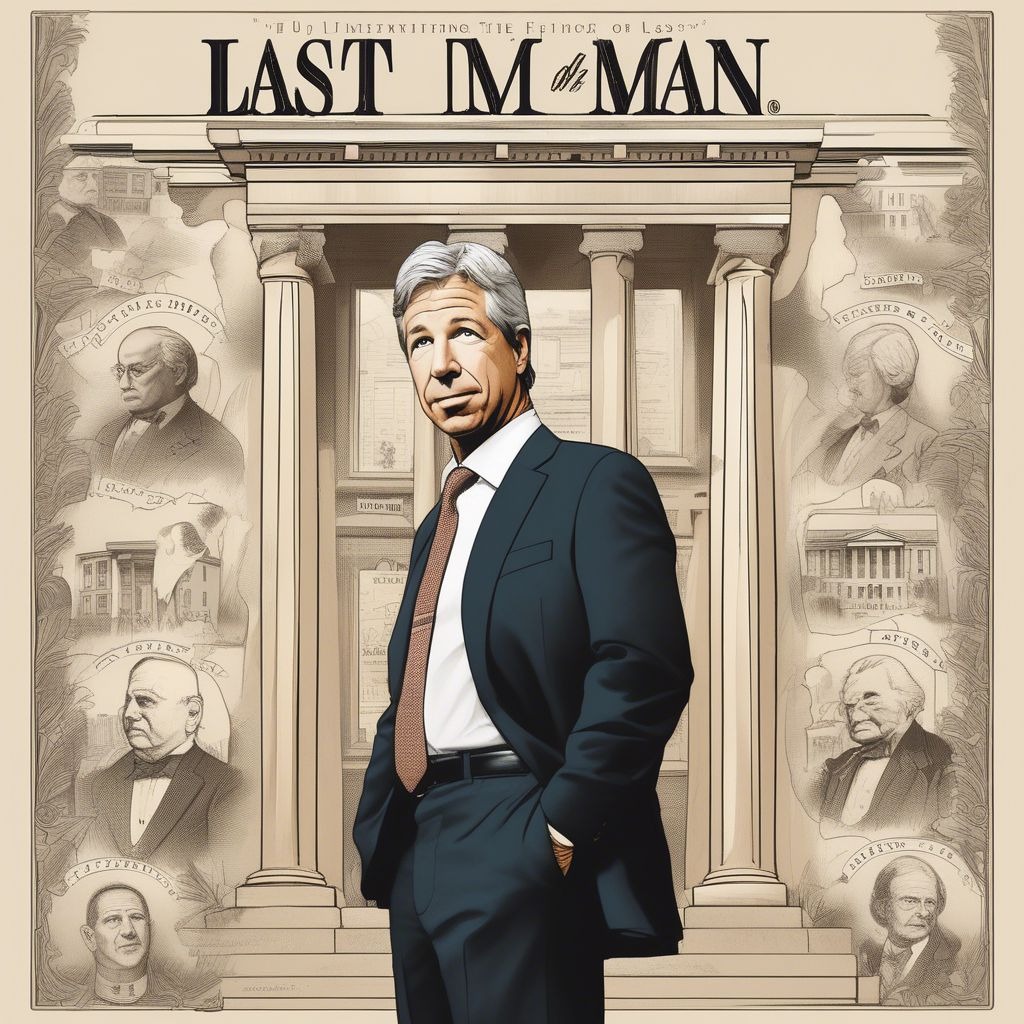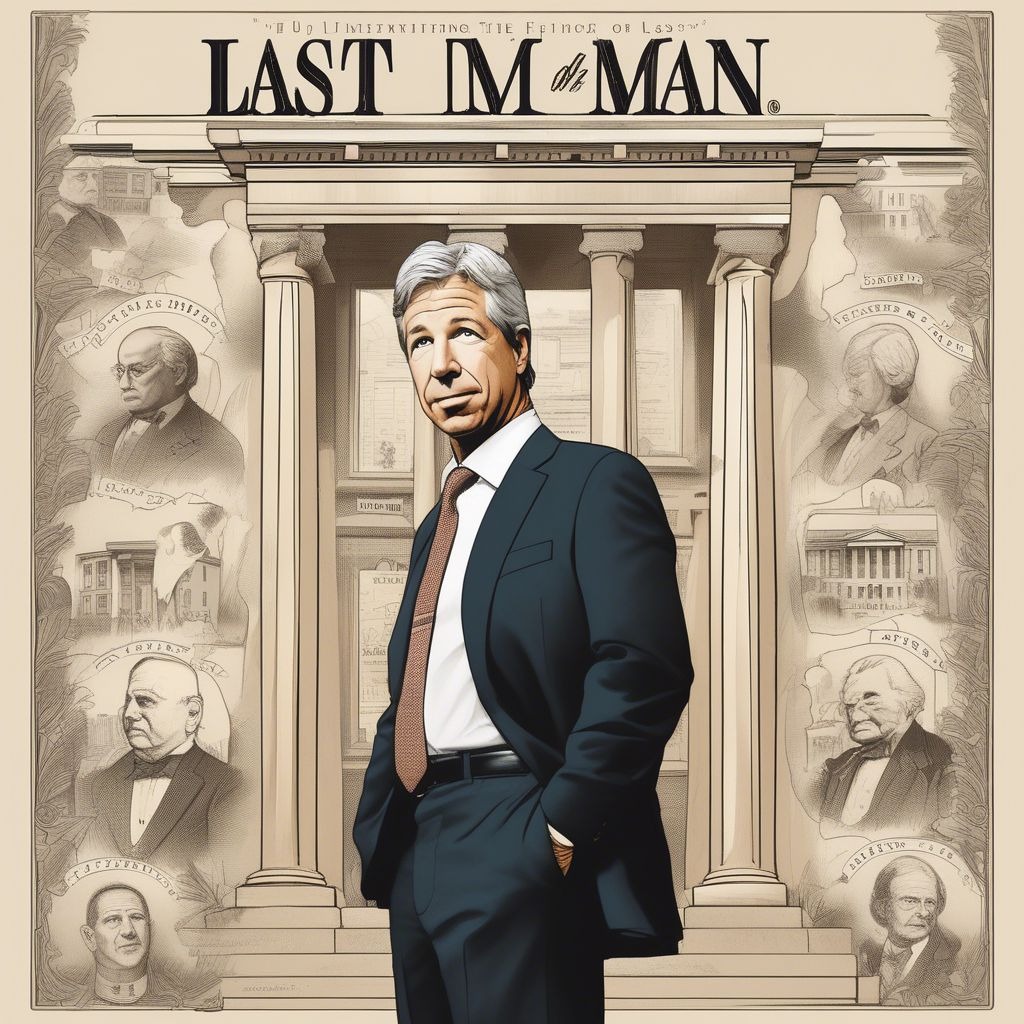








Chapter 5 Summary : 5. His Own Man
Heading
Summary
Leadership Dynamics at
Smith Barney Shearson
In 1993, Jamie Dimon took control at Smith Barney Shearson, clashing with Frank Zarb over
management approaches, leading to tensions and a proposal to replace Zarb with Bob Greenhill.
The Greenhill
Transition
Greenhill's integration of Morgan Stanley bankers disregarded existing talent, causing staff
discontent and conflicts, particularly with Steve Black, which affected management cohesion.
Clashing Management
Styles
Dimon focused on cost efficiency while Greenhill aimed at revenue generation; Greenhill’s
inability to foster client relationships or improve culture led to frustrations.
Power Struggles and
Internal Conflict
By 1996, Dimon's criticism of Greenhill and push for fiscal responsibility caused Weill to
reconsider his position, resulting in Greenhill’s departure and Dimon’s ascension.
Dimon’s Ascendancy
and Weill’s Insecurity
Dimon's growing leadership led to tensions with Weill, especially after a New York Times article
portrayed Dimon as a leader, leading to public disagreements.
Familial Tensions and
Nepotism
Disputes over personnel, particularly involving Weill’s daughter Jessica, worsened dynamics,
creating a rift between Dimon and Weill, who felt betrayed.
Resilience Amidst
Challenges
Despite conflicts, Smith Barney performed well financially under Dimon’s leadership, realigning
the investment banking division and nurturing talent, reinforcing his influence.
Conclusion
The chapter explores the complex power dynamics and rivalries between Dimon and Weill,
emphasizing how ambition can lead to organizational change and personal conflicts.
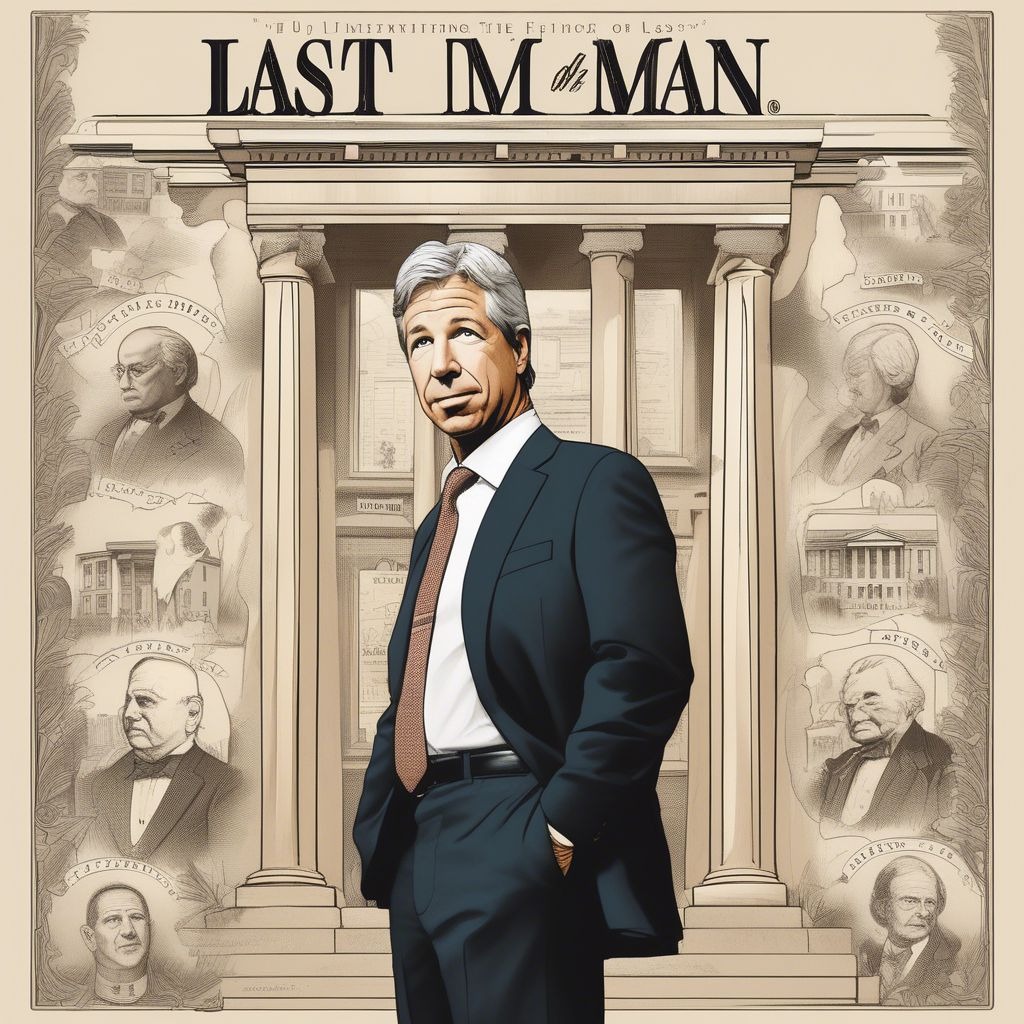
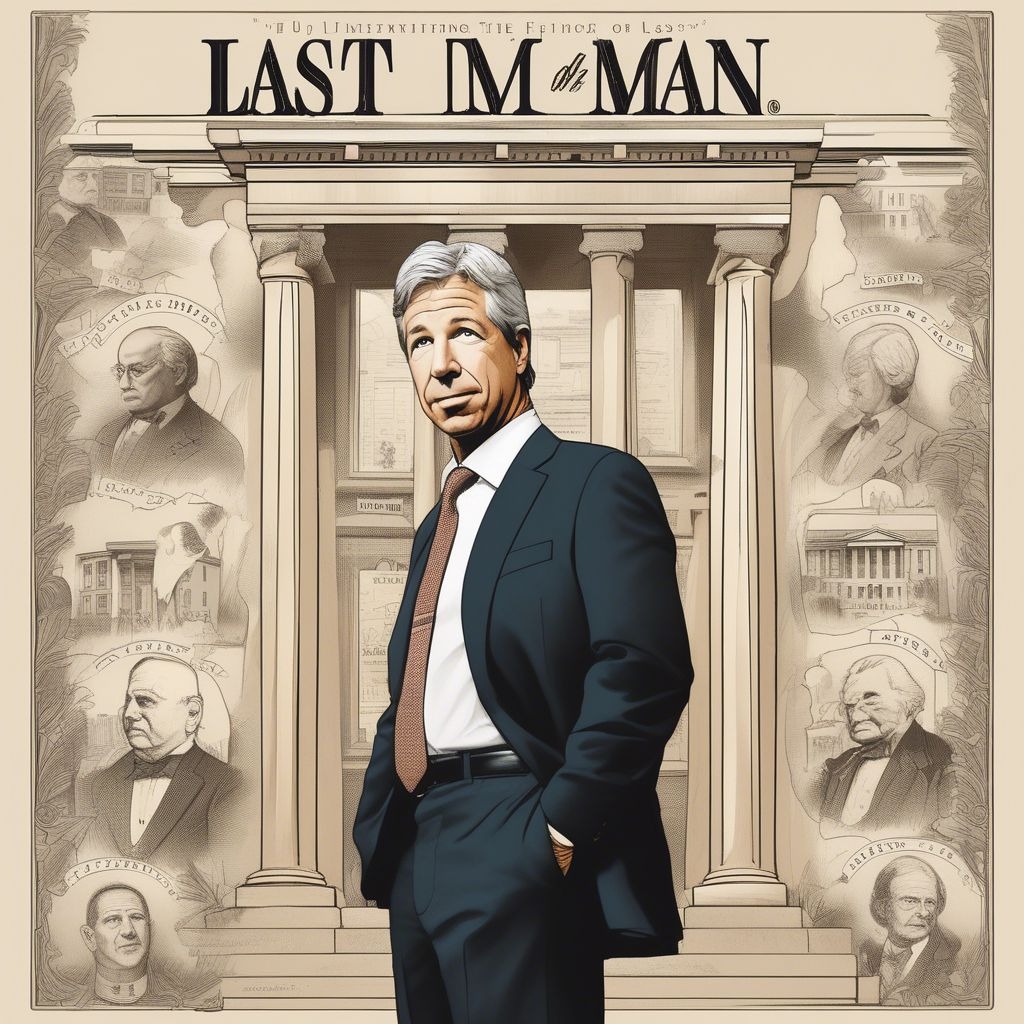
5. HIS OWN MAN
Leadership Dynamics at Smith Barney Shearson
By 1993, Jamie Dimon exerted day-to-day control over
Smith Barney Shearson while Frank Zarb took a high-level
approach. Tensions arose as Dimon grew frustrated with
Zarb's perceived managerial deficiencies, leading him to
push for change. Eventually, Sandy Weill considered hiring