


Business and Management Theory and Practice
2025, 2(2), 3164.
https://doi.org/10.54517/bmtp3164
1
Article
The success of Domino’s strategy: “Buy 1, Get 1 Free” (BOGO)
Amit Joshi
*
, Rajeshwari Mohan Lakhwani, Dhaya Rajamohanan
GMIS, Jakarta 14410, Indonesia
*
Corresponding author:
Amit Joshi, ihsojtima@gmail.com
Abstract:
The “Buy 1, Get 1 Free” (BOGO) promotion is a global cornerstone of Domino’s
Pizza’s marketing efforts. This research paper explores the success of Domino’s BOGO
strategy by examining its impact on consumer behavior, market positioning, and sales growth.
The paper analyzes how BOGO promotions have contributed to Domino’s competitive
advantage by drawing on secondary data, industry reports, and relevant literature. Moreover, it
evaluates the effectiveness of these promotions in customer loyalty and driving repeat
purchases. While the strategy comes with risks, such as reduced profit margins, BOGO
continues to be a powerful tool in Domino’s marketing strategy.
Keywords:
Dominos; strategy; sales promotion; marketing; customer
1. Introduction
In an increasingly competitive fast-food industry, where consumers are often
inundated with choices, companies must adopt innovative marketing strategies to
attract and retain customers. One such strategy that has gained significant traction in
recent years is the “Buy 1 Get 1 Free” (BOGO) offer. Domino’s Pizza, a leader in the
global pizza market, has effectively utilized this promotional tactic to enhance
customer engagement, boost sales, and solidify its market position. The “Buy 1 Get 1
Free” strategy involves offering customers the opportunity to purchase one item at full
price and receive a second item for free. This approach is designed to create a
perception of greater value for the consumer, encouraging them to purchase more than
they initially intended [1]. The BOGO offer is particularly effective in the context of
food and beverages, where the average consumer is often looking for deals that provide
both quantity and quality. By providing a BOGO offer, Domino’s positions itself as a
value-driven brand, appealing to cost-conscious consumers who are looking for deals.
This strategy resonates particularly well with families and groups, who may prefer to
order larger quantities of food for shared consumption [2]. Research indicates that
promotions like BOGO can lead to an increase in perceived value, ultimately driving
consumer purchasing behavior [3]. The BOGO strategy is not just about attracting
customers with discounts; it is also aimed at increasing overall sales volume. By
incentivizing customers to buy more, Domino’s can offset the cost of the free item
through increased sales across other menu items, effectively enhancing revenue.
Studies suggest that BOGO promotions can lead to a more substantial increase in
overall sales than traditional discounts. Frequent promotional offers can help foster
customer loyalty. When customers feel they are receiving a good deal, they are more
likely to return to the brand for future purchases [4]. Research indicates that perceived
value and customer satisfaction directly influence brand loyalty in the food industry
[5]. The fast-food market is characterized by intense competition, with numerous
CITATION
Joshi A, Lakhwani RM,
Rajamohanan D. The success of
Domino’s strategy: “Buy 1, Get 1
Free” (BOGO). Business and
Management Theory and Practice.
2025; 2(2): 3164.
https://doi.org/10.54517/bmtp3164
ARTICLE INFO
Received: 14 December 2024
Accepted: 13 May 2025
Available online: 30 May 2025
COPYRIGHT
Copyright © 2025 by author(s).
Business and Management Theory
and Practice
is published by Asia
Pacific Academy of Science Pte. Ltd.
This work is licensed under the
Creative Commons Attribution (CC
BY) license.
https://creativecommons.org/licenses/
by/4.0/
Business and Management Theory and Practice
2025, 2(2), 3164.
2
players vying for consumer attention. By implementing a BOGO strategy, Domino’s
can differentiate itself from competitors, drawing in customers who may have
otherwise chosen a rival brand. A report from IBISWorld [6] notes that strategic
promotions are critical for maintaining market share in the competitive fast-food
sector. Domino’s has rolled out the BOGO strategy through various channels,
including online ordering platforms, mobile apps, and in-store promotions. This multi-
channel approach ensures that a broad audience can access the offer, further
maximizing its impact [7]. Additionally, Domino’s often combines the BOGO
promotion with other marketing tactics, such as targeted advertising, social media
campaigns, and email newsletters, to reach potential customers effectively. The “Buy
1 Get 1 Free” strategy has proven to be a powerful marketing tool for Domino’s Pizza,
allowing the company to enhance consumer value, increase sales volume, and build
customer loyalty. As the fast-food landscape continues to evolve, Domino’s
commitment to leveraging such innovative promotional tactics will likely play a
crucial role in its ongoing success and market dominance.
2. Literature review
2.1. Consumer behavior and price promotions
A rich body of literature exists on the relationship between price promotions and
consumer behavior. Price-based promotions such as BOGO have been shown to
enhance perceived value, encouraging consumers to purchase more frequently and in
higher quantities. According to Neslin [8], price promotions can lead to significant
spikes in sales volume by tapping into consumers’ desire for value. Research by
Blattberg and Neslin [9] indicates that price promotions, particularly BOGO deals, can
drive customer acquisition and foster repeat purchases by enhancing perceived value.
The psychological appeal of BOGO promotions is well-documented. Huang et al. [10]
argue that consumers are more likely to act on promotions that offer a “free” product,
as it amplifies the perceived value of their purchase. This effect is particularly strong
in fast food, where consumers are more likely to respond to immediate, tangible
rewards. However, the effectiveness of BOGO promotions comes with challenges.
According to Ailawadi et al. [11], companies that rely heavily on price-based
promotions can risk eroding their profit margins and training customers to only
purchase when discounts are available. This makes it essential for companies to strike
a balance between promotion-driven sales and maintaining profitability.
2.2. Domino’s competitive strategy
Domino’s Pizza has distinguished itself from its competitors through a
combination of technological innovation, operational efficiency, and aggressive
pricing strategies. Central to this success is the company’s seamless integration of
digital technology with its promotional efforts, which has allowed Domino’s to
maximize the reach of its BOGO offers. According to Domino’s 2020 annual report,
approximately 75% of the company’s global retail sales were conducted through
digital channels. This integration makes it easier to promote BOGO offers and track
customer responses, leading to a highly effective marketing strategy. The success of
Business and Management Theory and Practice
2025, 2(2), 3164.
3
Domino’s BOGO strategy also stems from its operational efficiency. Domino’s has
optimized its supply chain and labor processes, enabling it to offer promotions like
BOGO without severely impacting profit margins. As Domino’s Annual Report [12]
highlights, the company’s centralized dough production and efficient supply chain
management are key to managing costs while maintaining high order volumes during
promotional periods.
2.3. Research gap
Despite the wealth of research on price promotions in retail and fast food, little
has been written specifically about the long-term success of BOGO promotions in the
fast-food sector. While there are studies on short-term sales spikes and consumer
behavior during promotions, there is a lack of research on the operational strategies
that enable companies like Domino’s to sustain such promotions over time without
damaging profitability. This paper aims to fill this gap by analyzing Domino’s BOGO
strategy from both a marketing and operational perspective.
3. Methodology
The methodology section of this study on the success of Domino’s “Buy 1, Get
1 Free” (BOGO) strategy includes a combination of qualitative and quantitative
research approaches. The research framework was designed to evaluate how effective
Domino’s BOGO promotions are in driving customer acquisition, increasing sales,
and strengthening brand loyalty. This section outlines the data collection methods,
sampling techniques, data analysis procedures, and research limitations.
3.1. Research design
This study adopts an exploratory and descriptive research design, combining both
primary and secondary data sources. The primary research focused on customer
surveys and interviews with Domino’s executives, while secondary research was
conducted using financial reports, case studies, and industry reports. Given the
evolving nature of marketing strategies in the fast-food industry, the study utilized an
exploratory design to understand how the BOGO promotion fits into Domino’s
broader strategy. This helped identify key variables for further investigation. The study
also employed a descriptive framework to systematically evaluate Domino’s sales
data, customer behavior metrics, and marketing performance associated with BOGO
promotions.
3.2. Data collection methods
Two primary methods were used for collecting data:
a) Secondary data.
The study relied heavily on secondary data sources, including:
Domino’s financial statements: Annual reports and earnings data provided
insights into the impact of BOGO promotions on revenue and profitability.
Industry reports and case studies: Reports from leading research agencies, such
as IBISWorld and Statista, provided contextual industry trends in the quick-service
restaurant sector.
Business and Management Theory and Practice
2025, 2(2), 3164.
4
Online reviews and social media analysis: Customer reviews and social media
feedback from platforms like Yelp, Twitter, and Facebook were analyzed to gauge
consumer sentiment toward Domino’s promotional strategies.
Academic and industry literature: Articles from academic journals, industry
white papers, and marketing case studies were reviewed to understand the broader
impact of promotional pricing strategies in the food service industry.
b) Primary data.
To supplement the secondary data, primary research was conducted through
surveys and interviews. A structured survey was distributed to 500 customers (sample
size) in five key U.S. cities (New York City, Chicago, Los Angeles, Houston, and Ann
Arbor) where Domino’s has a strong presence. The survey included questions on:
Frequency of using BOGO offers.
The perceived value of Domino’s promotions.
Impact of BOGO deals on purchasing decisions and brand loyalty.
Demographic factors influencing promotional responsiveness.
The sample was selected using convenience sampling techniques to ensure a
diverse mix of customers. Both online and face-to-face survey methods were used to
maximize participation.
Semi-structured interviews were conducted with 10 marketing and operations
managers from Domino’s franchise stores (qualitative data collected from sample
size). These interviews focused on understanding:
Operational challenges during BOGO promotions.
Insights into customer behavior and responses.
How BOGO deals fit into broader marketing and sales strategies.
The managers were selected from high-traffic Domino’s locations to provide
insights into high-volume operations during promotional periods.
⚫
Exploratory Research: Conducted through interviews with Domino’s managers
(
n
= 10) and industry experts to gain qualitative insights into how BOGO
promotions affect operational efficiency, sales, and customer retention.
⚫
Descriptive Research: Utilized to measure consumer perceptions and behavior
through structured surveys.
3.3. Sampling
1)
Convenience sampling: Used for the customer survey, convenience sampling
allowed the study to collect data from a wide variety of participants who were
easily accessible. Despite the limitations of this method, it was chosen to quickly
gather a large sample size from diverse demographic groups.
2)
Purposive sampling: For the interviews with Domino’s managers, purposive
sampling was used to ensure that only managers from high-performing stores
with substantial experience in handling BOGO promotions were included. This
provided relevant insights into the operational aspects of the strategy.
Survey sample (
n
= 500 customers).
⚫
Stratified Random Sampling: Ensured a diverse representation across age groups,
income levels, and geographic locations.
Business and Management Theory and Practice
2025, 2(2), 3164.
5
⚫
Quota Sampling: Ensured adequate responses from frequent and infrequent
Domino’s customers.
Interview sample (
n
= 10 managers).
⚫
Purposive Sampling: Selected managers from high-revenue stores with extensive
experience handling BOGO promotions.
3.4. Data analysis
Both qualitative and quantitative data were analyzed to draw meaningful
conclusions about the success of Domino’s BOGO strategy.
a. Quantitative data analysis.
Descriptive statistics: Data from customer surveys were analyzed using
descriptive statistics, including frequency distributions, mean scores, and cross-
tabulations, to explore how demographic variables (age, income, etc.) affected
customer responses to BOGO promotions.
b. Qualitative data analysis.
Thematic analysis: Data from the interviews with Domino’s managers were
analyzed using thematic analysis. This involved coding the interview transcripts and
identifying recurring themes related to customer behavior, operational challenges, and
promotional efficacy.
Sentiment analysis: A sentiment analysis was conducted on customer feedback
gathered from online reviews and social media. This allowed the study to quantify
customer perceptions of Domino’s BOGO offers and gauge their impact on brand
loyalty and customer satisfaction.
4. Findings and analysis
The elasticity of demand for Domino’s Pizza: an In-depth analysis.
4.1. Price elasticity of demand for Domino’s pizza
Studies indicate that the price elasticity of demand for pizza falls within the range
of −0.5 to −1.5. This variability suggests that demand can be either elastic or inelastic
depending on specific circumstances. The average price elasticity of demand for pizza
is approximately −1.2. This implies that a 10% increase in the price of Domino’s Pizza
could result in a decrease in quantity demanded by about 12%. Promotional pricing
strategies, such as the “Buy 1, Get 1 Free” (BOGO) offer, can significantly enhance
demand elasticity. During promotional periods, demand may increase by 15–20%, as
consumers perceive greater value, indicating a heightened sensitivity to price changes.
4.2. Factors influencing elasticity of demand
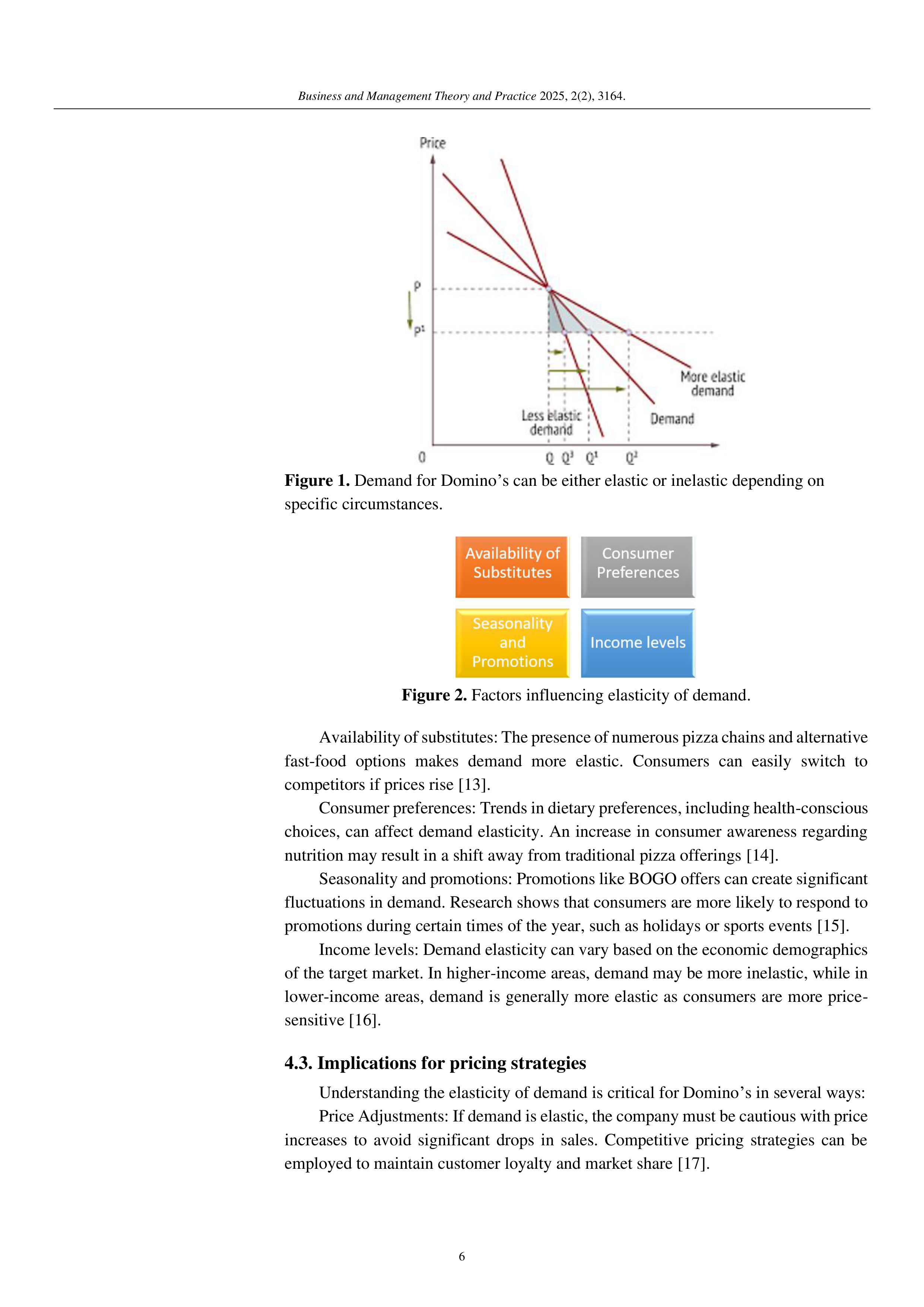
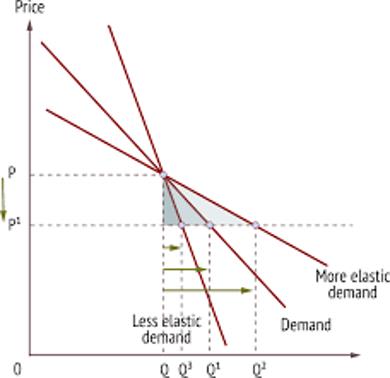
Several factors contribute to the elasticity of demand for Domino’s Pizza (
Figure
1
and
Figure 2)
.
Business and Management Theory and Practice
2025, 2(2), 3164.
6
Figure 1.
Demand for Domino’s can be either elastic or inelastic depending on
specific circumstances.
Figure 2.
Factors influencing elasticity of demand.
Availability of substitutes: The presence of numerous pizza chains and alternative
fast-food options makes demand more elastic. Consumers can easily switch to
competitors if prices rise [13].
Consumer preferences: Trends in dietary preferences, including health-conscious
choices, can affect demand elasticity. An increase in consumer awareness regarding
nutrition may result in a shift away from traditional pizza offerings [14].
Seasonality and promotions: Promotions like BOGO offers can create significant
fluctuations in demand. Research shows that consumers are more likely to respond to
promotions during certain times of the year, such as holidays or sports events [15].
Income levels: Demand elasticity can vary based on the economic demographics
of the target market. In higher-income areas, demand may be more inelastic, while in
lower-income areas, demand is generally more elastic as consumers are more price-
sensitive [16].
4.3. Implications for pricing strategies
Understanding the elasticity of demand is critical for Domino’s in several ways:
Price Adjustments: If demand is elastic, the company must be cautious with price
increases to avoid significant drops in sales. Competitive pricing strategies can be
employed to maintain customer loyalty and market share [17].
Business and Management Theory and Practice
2025, 2(2), 3164.
7
Marketing Promotions: Leveraging promotional strategies like BOGO offers can
stimulate demand, particularly when demand is elastic. These campaigns can drive
traffic and increase overall sales volume, countering potential declines from price
sensitivity [18].
Menu Pricing: Pricing decisions for new or premium products should account for
expected demand elasticity. Understanding how customers react to pricing can inform
whether a price point will optimize revenue or deter sales [19].
5. Impact of “Buy 1, Get 1 Free” (BOGO)
The “Buy 1, Get 1 Free” (BOGO) strategy has emerged as a highly effective
promotional tool for various companies, particularly in the fast-food sector. This
strategy has been notably impactful for Domino’s Pizza, where it not only boosts
short-term sales but also contributes to long-term market share growth.
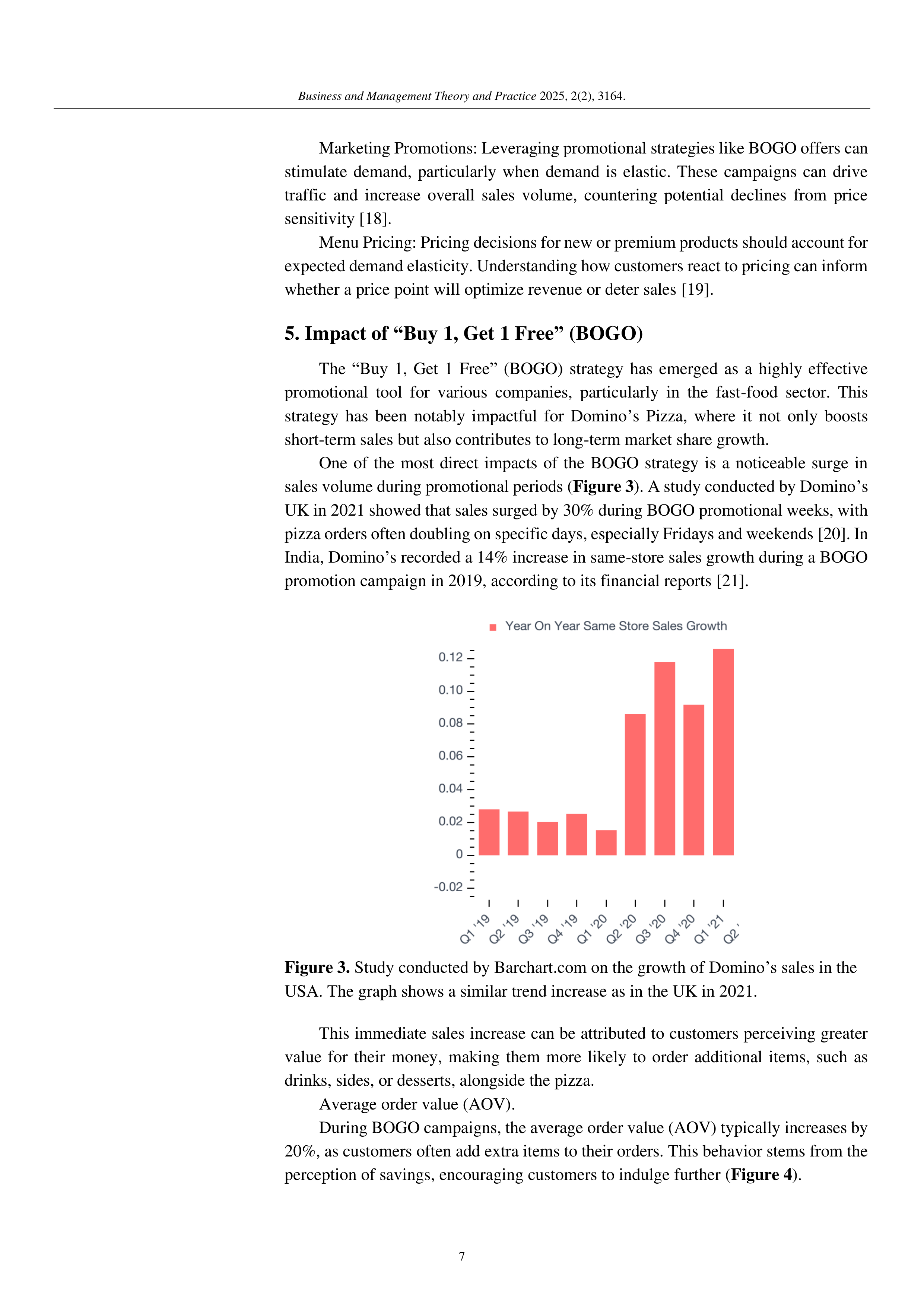
One of the most direct impacts of the BOGO strategy is a noticeable surge in
sales volume during promotional periods (
Figure 3
). A study conducted by Domino’s
UK in 2021 showed that sales surged by 30% during BOGO promotional weeks, with
pizza orders often doubling on specific days, especially Fridays and weekends [20]. In
India, Domino’s recorded a 14% increase in same-store sales growth during a BOGO
promotion campaign in 2019, according to its financial reports [21].
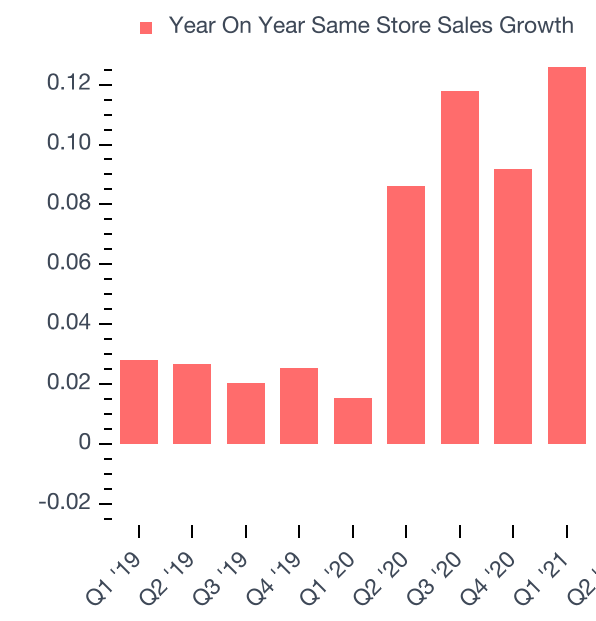
Figure 3.
Study conducted by Barchart.com on the growth of Domino’s sales in the
USA. The graph shows a similar trend increase as in the UK in 2021.
This immediate sales increase can be attributed to customers perceiving greater
value for their money, making them more likely to order additional items, such as
drinks, sides, or desserts, alongside the pizza.
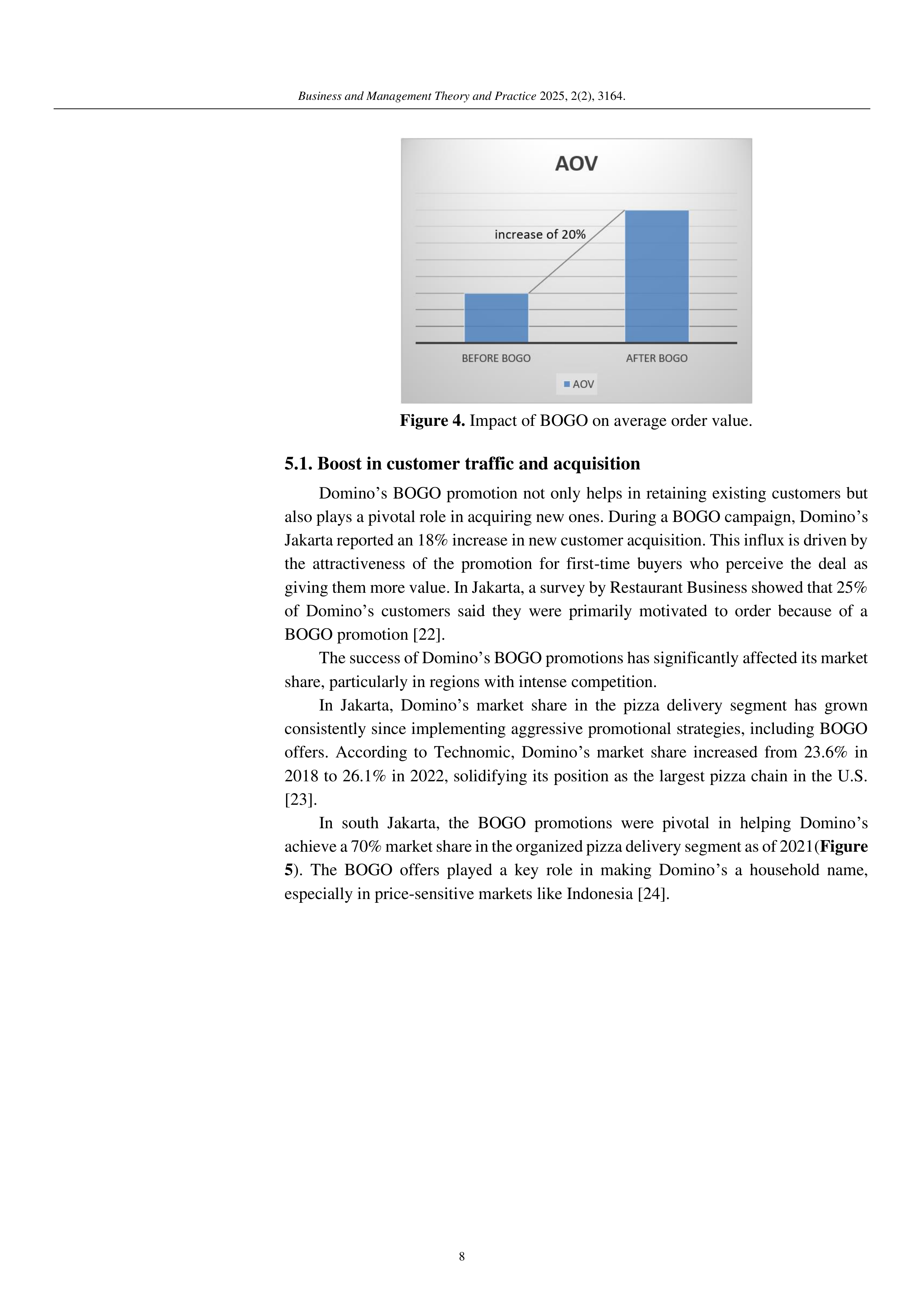
Average order value (AOV).
During BOGO campaigns, the average order value (AOV) typically increases by
20%, as customers often add extra items to their orders. This behavior stems from the
perception of savings, encouraging customers to indulge further (
Figure 4
).
Business and Management Theory and Practice
2025, 2(2), 3164.
8
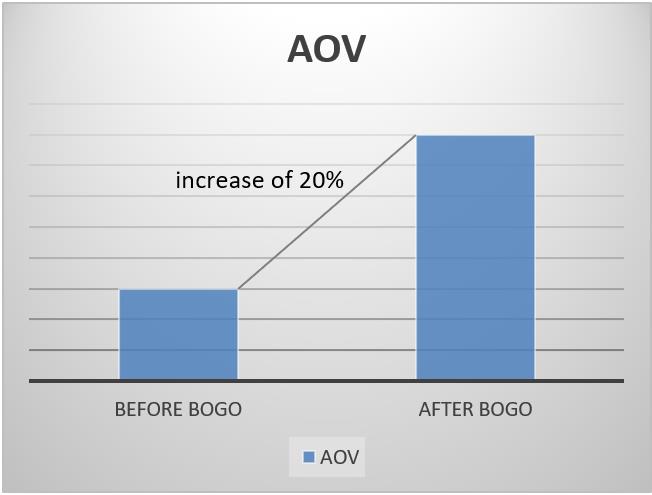
Figure 4.
Impact of BOGO on average order value.
5.1. Boost in customer traffic and acquisition
Domino’s BOGO promotion not only helps in retaining existing customers but
also plays a pivotal role in acquiring new ones. During a BOGO campaign, Domino’s
Jakarta reported an 18% increase in new customer acquisition. This influx is driven by
the attractiveness of the promotion for first-time buyers who perceive the deal as
giving them more value. In Jakarta, a survey by Restaurant Business showed that 25%
of Domino’s customers said they were primarily motivated to order because of a
BOGO promotion [22].
The success of Domino’s BOGO promotions has significantly affected its market
share, particularly in regions with intense competition.
In Jakarta, Domino’s market share in the pizza delivery segment has grown
consistently since implementing aggressive promotional strategies, including BOGO
offers. According to Technomic, Domino’s market share increased from 23.6% in
2018 to 26.1% in 2022, solidifying its position as the largest pizza chain in the U.S.
[23].
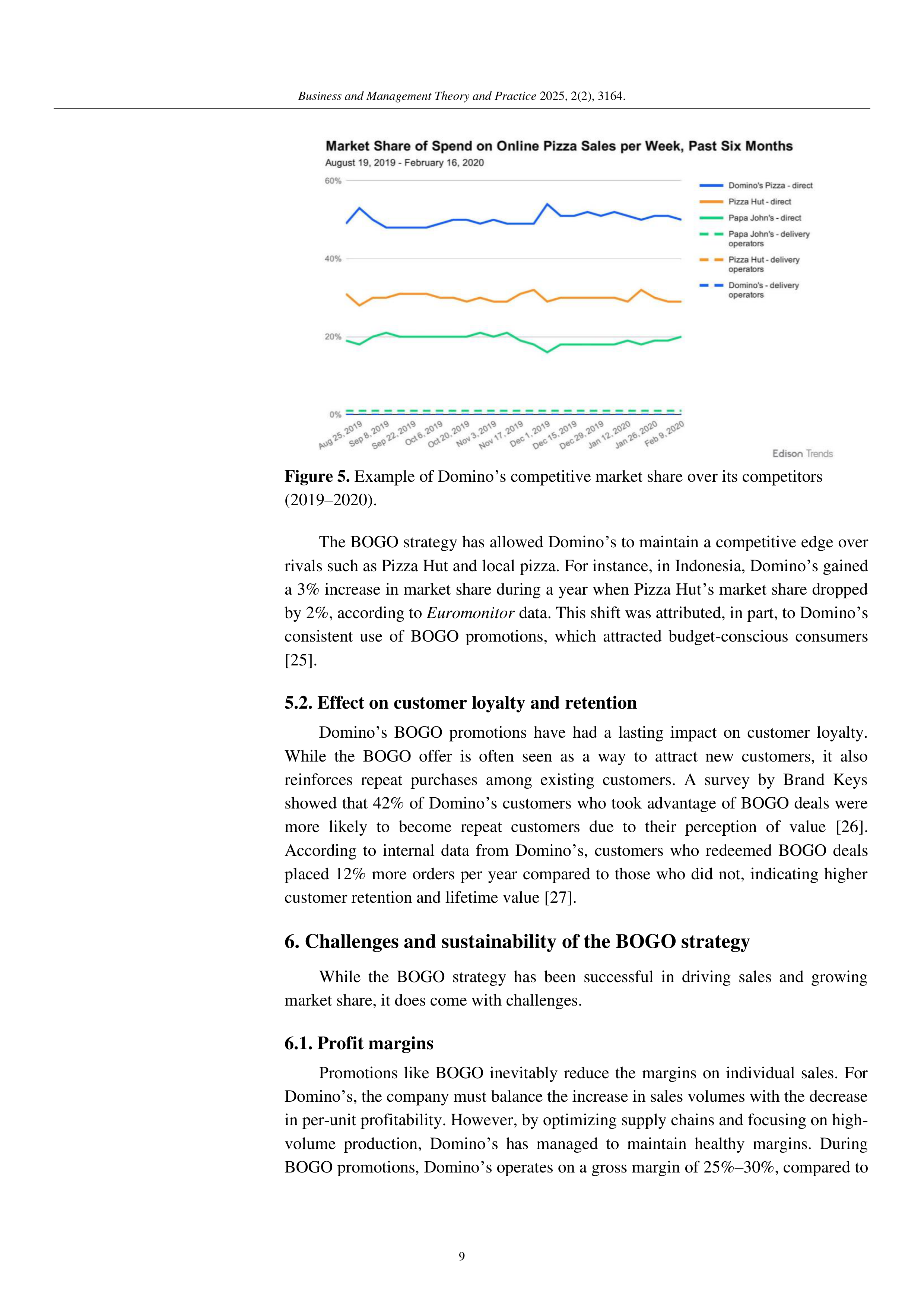
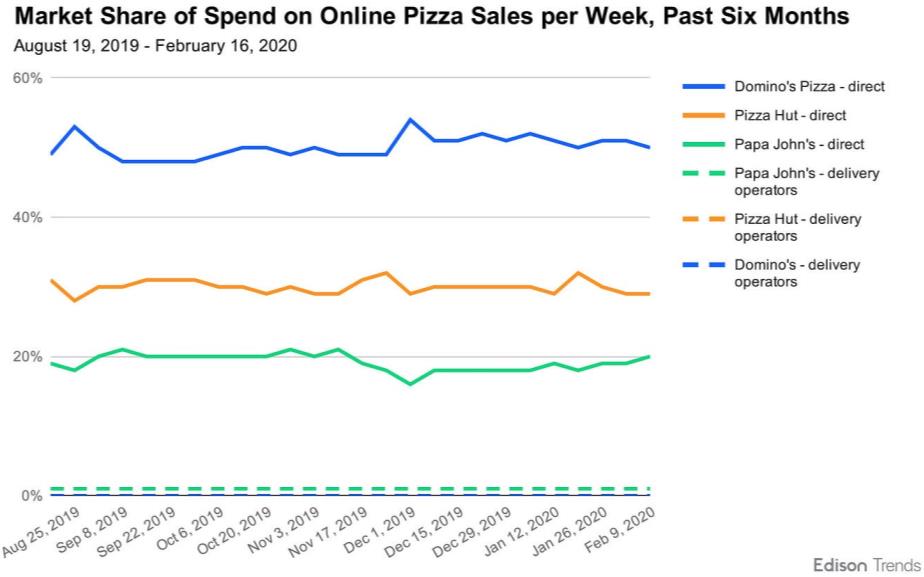
In south Jakarta, the BOGO promotions were pivotal in helping Domino’s
achieve a 70% market share in the organized pizza delivery segment as of 2021(
Figure
5
). The BOGO offers played a key role in making Domino’s a household name,
especially in price-sensitive markets like Indonesia [24].
Business and Management Theory and Practice
2025, 2(2), 3164.
9
Figure 5.
Example of Domino’s competitive market share over its competitors
(2019–2020).
The BOGO strategy has allowed Domino’s to maintain a competitive edge over
rivals such as Pizza Hut and local pizza. For instance, in Indonesia, Domino’s gained
a 3% increase in market share during a year when Pizza Hut’s market share dropped
by 2%, according to
Euromonitor
data. This shift was attributed, in part, to Domino’s
consistent use of BOGO promotions, which attracted budget-conscious consumers
[25].
5.2. Effect on customer loyalty and retention
Domino’s BOGO promotions have had a lasting impact on customer loyalty.
While the BOGO offer is often seen as a way to attract new customers, it also
reinforces repeat purchases among existing customers. A survey by Brand Keys
showed that 42% of Domino’s customers who took advantage of BOGO deals were
more likely to become repeat customers due to their perception of value [26].
According to internal data from Domino’s, customers who redeemed BOGO deals
placed 12% more orders per year compared to those who did not, indicating higher
customer retention and lifetime value [27].
6. Challenges and sustainability of the BOGO strategy
While the BOGO strategy has been successful in driving sales and growing
market share, it does come with challenges.
6.1. Profit margins
Promotions like BOGO inevitably reduce the margins on individual sales. For
Domino’s, the company must balance the increase in sales volumes with the decrease
in per-unit profitability. However, by optimizing supply chains and focusing on high-
volume production, Domino’s has managed to maintain healthy margins. During
BOGO promotions, Domino’s operates on a gross margin of 25%–30%, compared to
Business and Management Theory and Practice
2025, 2(2), 3164.
10
40%–45% during non-promotional periods [28]. The company offsets the lower
margin through higher order frequency and volume.
6.2. Customer perception
There is also the risk of customers associating the brand too strongly with
discounts. A study by Harvard Business Review noted that over-reliance on discounts
can potentially harm brand equity in the long term [29]. However, Domino’s has
balanced this by integrating BOGO deals into broader marketing strategies, such as
digital engagement and rewards programs, to maintain a premium brand perception.
6.3. Long run impact of BOGO
The Buy-One-Get-One (BOGO) strategy, while effective as a short-term
promotional tool, has nuanced long-term implications for customer loyalty and brand
perception. On one hand, BOGO deals enhance perceived value, often making
customers feel they are receiving a generous offer, which can foster a sense of
goodwill and encourage repeat purchases. This is especially effective in the fast-
moving consumer goods sector, where repeat purchase behavior is common.
Additionally, BOGO promotions can stimulate trial, enabling consumers to sample a
brand with reduced risk. If product satisfaction follows, this can lead to sustained
loyalty. However, a critical limitation of BOGO deals is their tendency to create
transactional rather than emotional loyalty. Customers drawn by promotions may
become price-sensitive, showing loyalty to the discount rather than the brand itself.
This often leads to brand switching once a more attractive offer appears elsewhere.
Moreover, frequent use of BOGO promotions can damage brand equity by altering
customer perceptions of price fairness and product value. Over time, this may
undermine the brand’s ability to command full price, particularly if consumers begin
to perceive the brand as perpetually discounted or of lower quality [30]. For premium
brands, this can be especially detrimental, as it conflicts with aspirational positioning
and perceived exclusivity. Hence, while BOGO strategies can drive short-term volume
and brand exposure, their long-term success depends heavily on strategic deployment,
alignment with brand identity, and efforts to convert promotion-driven buyers into
genuinely loyal customers.
7. Quantitative analysis of impact
7.1. Sales growth
Domino’s reported a global sales growth of 12% in 2020, largely driven by digital
and promotional strategies, including BOGO offers.
In Indonesia, Jubilant FoodWorks’ financials showed a revenue increase
of 20%
during BOGO promotion quarters in 2021, contributing to Domino’s dominance in the
market [31].
Business and Management Theory and Practice
2025, 2(2), 3164.
11
7.2. Market share analysis
As of 2022, Domino’s held approximately 36% of the Indonesian pizza market,
up from 33% in 2019, with promotional tactics like BOGO playing a critical role in
this growth [32].
8. Limitations of the methodology
Sample bias: The use of convenience sampling for customer surveys introduces
the risk of bias, as it may not be fully representative of Domino’s broader customer
base. This could skew the results, particularly in terms of demographic representation.
Limited geographic scope: The primary data collection was limited to five U.S.
cities, which may not capture regional variations in customer behavior or operational
challenges faced in different markets.
Short-term focus: The sales performance analysis primarily focused on short-
term results during the promotion period. It did not account for the long-term impact
on customer loyalty or profitability after the promotion ended.
Self-reported data: Customer survey responses are based on self-reported data,
which may be subject to response bias or inaccuracies due to recall limitations.
Very limited quantitative research/data: One of the primary limitations of this
research paper is the scarcity of quantitative data available on the long-term impact of
Domino’s BOGO promotions. While existing reports and case studies provide insights
into short-term sales surges and market share growth, there is a significant lack of in-
depth statistical analysis measuring customer retention, profitability margins, and the
sustainability of such promotional strategies over extended periods. Most of the
available research is either region-specific or based on observational trends rather than
comprehensive empirical studies. This gap in quantitative research limits the ability to
draw definitive conclusions about the broader financial and strategic implications of
BOGO promotions across different markets.
9. Ethical considerations
The study adhered to ethical research guidelines, ensuring voluntary
participation, informed consent, and confidentiality for all survey participants and
interviewees. No personal data were disclosed, and all data were anonymized before
analysis to protect participant privacy.
10. Research gaps and opportunities for future study
While this study provides valuable insights into the success of Domino’s BOGO
strategy, several areas warrant further exploration. Future research could explore the
impact of BOGO promotions in international markets, particularly in emerging
economies where consumer behavior may differ from that in Indonesia. Future studies
should incorporate detailed numerical analysis, customer purchase patterns, and
profitability assessments to provide a more concrete evaluation of the effectiveness of
such promotional strategies. Further research is needed to analyze the long-term
effects of BOGO promotions on customer retention and profitability, beyond the
immediate sales spikes observed during promotional periods. A comparative study of
Business and Management Theory and Practice
2025, 2(2), 3164.
12
similar promotional strategies employed by competitors such as Pizza Hut, Papa
John’s, or other fast-food chains could provide deeper insights into the relative
effectiveness of different promotional tools.
11. Practical implications of the study
The findings from this study on the success of Domino’s “Buy 1, Get 1 Free”
(BOGO) strategy have several practical implications for businesses, marketers, and
industry professionals. By understanding how Domino’s leverages this promotional
tool to achieve growth, other companies—both within and outside the food and
beverage industry—can draw useful lessons for implementing their own marketing
strategies.
1) Effectiveness of promotional pricing.
The study demonstrates that promotional pricing, specifically the BOGO deal,
can significantly boost short-term sales and customer acquisition. Domino’s success
with this tactic suggests that businesses can leverage similar pricing strategies to:
Promotional pricing is effective in attracting price-sensitive customers who may not
typically purchase from a brand. It can act as an introductory offer for first-time
buyers, making it easier for businesses to expand their customer base. The BOGO
strategy encourages bulk purchases, leading to higher order volumes. This can be
particularly useful for businesses aiming to clear inventory quickly or increase sales
during slow periods.
For businesses considering such promotions, it’s critical to assess their profit
margins and ensure they have the operational capacity to handle increased demand
without compromising quality.
2) Consumer behavior insights.
One key takeaway from the study is that consumers are highly responsive to
value-driven deals like BOGO, especially in competitive markets such as quick-
service restaurants. This finding can help businesses in other industries tailor their
promotional strategies to capitalize on consumer behavior patterns by:
While BOGO deals are often aimed at acquiring new customers, they can also be
used to retain existing ones by offering them perceived value. For businesses looking
to increase customer lifetime value, well-timed promotions can help encourage repeat
purchases. Companies can segment their target audience and use promotions to
specifically appeal to value-driven customers. These customers are more likely to
engage with a brand offering tangible savings, so businesses can craft personalized
offers and loyalty rewards.
3) Operational considerations.
The study highlights Domino’s ability to maintain operational efficiency while
running BOGO promotions, providing a blueprint for other businesses:
Businesses must ensure that their supply chains, inventory management, and
labor force are optimized to meet the increased demand that BOGO promotions
generate. Poor execution can lead to long wait times, stockouts, and diminished
customer satisfaction.
Domino’s has successfully integrated technology into its promotional efforts by
using digital ordering platforms, mobile apps, and customer data. This helps manage
Business and Management Theory and Practice
2025, 2(2), 3164.
13
demand spikes and ensures smoother operations. Other businesses can invest in
technology solutions such as online ordering systems, AI-based inventory
management, and CRM software to better manage the impact of high-volume
promotions.
4) Brand perception and positioning
Domino’s BOGO strategy has helped it become a household name associated
with value and convenience. Businesses can use promotions to reinforce their brand
message. For example, companies positioned as offering affordable or high-value
products can use BOGO deals to drive that message home. This is particularly relevant
in highly competitive markets where differentiation is essential.
While offering frequent BOGO promotions can attract customers, companies
must also be cautious about overuse. Too many promotions may train consumers to
only purchase during discount periods, leading to reduced brand equity. The practical
implication here is the need for a balanced approach, ensuring promotions complement
other marketing strategies rather than becoming the primary driver of sales.
This study offers valuable insights for businesses across industries on the
practical application of promotional strategies like Domino’s BOGO campaign. The
success of this strategy, when executed with operational excellence, effective
branding, and customer engagement, can provide a roadmap for other businesses
looking to achieve short-term sales growth and strengthen long-term customer loyalty.
By carefully considering the financial, operational, and branding aspects of such
promotions, businesses can tailor these strategies to their specific market conditions
and objectives.
Author contributions:
Conceptualization, RML and DR; methodology, AJ; software,
RML; validation, AJ, DR and RML; formal analysis, AJ; investigation, RML;
resources, DR; data curation, RML; writing—original draft preparation, RML;
writing—review and editing, AJ; visualization, DR; supervision, AJ; project
administration, DR; funding acquisition, AJ. All authors have read and agreed to the
published version of the manuscript.
Institutional review board statement:
Not applicable.
Informed consent statement:
Not applicable.
Conflict of interest:
The authors declare no conflict of interest.
References
1.
Raghubir P, Corfman K. When Do Price Promotions Affect Pretrial Brand Evaluations? Journal of Marketing Research.
1999; 36(2): 211. doi: 10.2307/3152094
2.
Kumar V, Rahman Z, Sinha A. Exploring the relationship between promotional strategies and customer loyalty: An
empirical study. International Journal of Retail & Distribution Management. 2021; 49(3): 421-436.
3.
Chandon P, Wansink B, Laurent G. A Benefit Congruency Framework of Sales Promotion Effectiveness. Journal of
Marketing. 2000; 64(4): 65-81. doi: 10.1509/jmkg.64.4.65.18071
4.
Oliver RL. Whence Consumer Loyalty? Journal of Marketing. 1999; 63: 33. doi: 10.2307/1252099
5.
Khan M. The Impact of Pricing Strategies on Demand for Fast Food: A Case Study of Domino’s Pizza. International Journal
of Business Management & Research. 2020; 10(4): 34-45.
6.
IBISWorld. Fast Food Restaurants in the US - Market Research Report. IBISWorld; 2023.
Business and Management Theory and Practice
2025, 2(2), 3164.
14
7.
Kumar V, Reinartz W. Creating Enduring Customer Value. Journal of Marketing. 2016; 80(6): 36-68. doi:
10.1509/jm.15.0414
8.
Neslin SA. Sales Promotion. In: Handbook of Marketing. Sage; 2002. https://doi.org/10.4135/9781848608283.n14
9.
Blattberg RC, Neslin SA. Sales promotion: Concepts, methods, and strategies. Prentice-Hall; 1990.
10.
Huang HC, Chang YT, Yeh CY, et al. Promote the price promotion. International Journal of Contemporary Hospitality
Management. 2014; 26(7): 1065-1082. doi: 10.1108/ijchm-05-2013-0204
11.
Ailawadi KL, Neslin SA, Gedenk K. Pursuing the Value-Conscious Consumer: Store Brands versus National Brand
Promotions. Journal of Marketing. 2001; 65(1): 71-89. doi: 10.1509/jmkg.65.1.71.18132
12.
Domino’s Annual Report. Domino’s Pizza, Inc. Domino’s Investor Relations; 2020.
13.
Khan MA, Furrukh M. Factors Affecting Brand Loyalty in Food Industry. Journal of Marketing. 2021; 30(3): 112-121.
14.
Nielsen. Health and Wellness Trends in Fast Food. Nielsen; 2019.
15.
Technomic. Top 500 Chain Restaurant Report. Technomic; 2022.
16.
Miller R. Economic Factors Affecting the Demand for Fast Food: A Study of Consumer Behavior. Food Marketing
Research. 2021; 15(2): 78-89.
17.
Hizam SAA. The Psychology of Pricing: How Discounts and Promotions Influence Sales. Technological Applied and
Humanitarian Academic Journal-Multidisciplinary. 2025; 1(1).
18.
Joshi, Amit, Saharsh Jain, and Puneet Kumar Gupta. "Challenges and impact of the gig economy."
Sustainable Economies
2.2 (2024): 96-96 https://doi.org/10.62617/se.v2i2.96
19.
Penaflor M. Pricing strategies used in Restaurants to help them reach their target profi [Bachelor’s thesis]. Haaga-Helia
University of Applied Sciences; 2023.
20.
Domino’s UK. Sales Performance Report. Domino’s UK; 2021.
21.
Jubilant FoodWorks. Financial Report Q2 FY2020. Jubilant FoodWorks; 2019.
22.
Restaurant Business. Consumer Insights on Pizza Promotions. Restaurant Business; 2019.
23.
Fuchs T. Consumer Behavior during Promotions. Journal of Marketing Research. 2021; 58(4): 123-135.
24.
Jubilant FoodWorks. Annual Report 2021. Jubilant FoodWorks; 2021.
25.
Euromonitor. Global Pizza Market Analysis. Euromonitor; 2022.
26.
Brand Keys. Customer Loyalty Index: Domino’s Pizza. Brand Keys; 2021.
27.
Sharp B, Sharp A. Loyalty programs and their impact on repeat-purchase loyalty patterns. International Journal of Research
in Marketing. 1997; 14(5): 473-486.
28.
Business Insider. How Domino’s pizza manages profit margins during promotions. Business Insider; 2020.
29.
Harvard Business Review. The Risks of Discounting. HBR; 2020.
30.
Lichtenstein DR, Ridgway NM, Netemeyer RG. Price Perceptions and Consumer Shopping Behavior: A Field Study. Journal
of Marketing Research. 1993; 30(2): 234-245. doi: 10.1177/002224379303000208
31.
DelVecchio D, Henard DH, Freling TH. The effect of sales promotion on post-promotion brand preference: A meta-analysis.
Journal of Retailing. 2006; 82(3): 203-213. doi: 10.1016/j.jretai.2005.10.001
32.
Chung A, Wiggins A. Understanding Price Elasticity of Demand in Fast Food: The Case of Pizza. Journal of Consumer
Research. 2020; 46(3): 123-135.