Asian Journal of Social Science Studies; Vol. 4, No. 4; 2019
ISSN 2424-8517 E-ISSN 2424-9041
Published by July Press
86
The Influence of Organisational Culture on Leadership: A Case Study
of Baidu Corporation, China
Yinfei Xue
1
1
Queen Mary University of London, London, UK
Correspondence: Yinfei Xue, Queen Mary University of London, London, UK.
Received: October 25, 2019 Accepted: November 15, 2019 Online Published: December 5, 2019
doi:10.20849/ajsss.v4i4.676 URL: https://doi.org/10.20849/ajsss.v4i4.676
Abstract
Corporate culture and leadership are central to the performance of the firm in many ways. Culture outlines
essential practices and patterns that guide the leaders' control. The connection between cultural influences on
corporate leadership has been examined from various perspectives. A productive culture can determine the
success of a company, and its interaction with leadership is an exciting area of examination in research.
Objectives of the Study:
This study’s primary aim was to establish how the corporate culture influences
leadership in various ways in the corporate environment using the case study of Baidu Corporation in China.
Also, the study intended to examine different leadership styles and influence on organisational performance.
Methods:
The study was carried out in Baidu, Inc., China, a target of 100 participants using mixed-structured
email questionnaire. The study also utilised various research techniques, including the mixed-method method in
the study process.
Results and Findings:
The study found that there is a secure link between corporate culture and the kind of
leadership adopted in an organisation. Also, the study established various aspects of employee opinion, with
evidence that employees favour certain leadership styles such as transformational leadership style over others.
Keyword:
Baidu, leadership, corporate culture
1. Introduction
1.1 Background
Two of the most researched topics that intertwine each other and have been a subject of continued research are
organisational culture and leadership. The cultural context of great significance on an organisation, and
determines various aspects such as practices, beliefs, and set of norms that impacts an organization daily. As
noted by Tsai (2011), organisation culture is defined as the set of values and beliefs that exists in a firm for an
extended period. Organisation culture is fundamental since it influences and shapes employees' attitudes and
beliefs towards the achievement of set goals and objectives. Moreover, the culture of an organisation is the
broader environment, which defines and influences the function of the leadership. In most occasions, the
leadership of an organisation shapes its environment and directly affects beliefs and practices. As a result, this
demonstrates the significance of leadership and culture, which makes the concepts subject to further discussion.
Leadership and culture are strongly interdependent on each other, and as highlighted Nikcevic (2016), this makes
it difficult to determine the concept that influences the other. Nevertheless, researchers can approach this area by
clearly defining their goals and objectives. In most research articles, researchers show that the two concepts
intertwine with each other, but more emphasis is given on culture because of how it shapes beliefs and leadership
styles. The conflicting nature of the concepts enables researchers to examine the two elements from different
angles while applying diverse theoretical schools. One researcher Klein et al. (2013), affirmed that various
leadership styles either affects or shapes organisational cultures, in addition to practices. Nevertheless, research
by Nikcevic (2016) shows that analytical approaches such as structural interpretivism and functionalism show an
intertwined association between the concepts, which means that one thought can influence the other. In this
research study, the aim is to focus on cultures as the primary determinant of leadership, and it draws from
theoretical analysis from different pieces of literature that underpin the relationship.
http://ajsss.julypress.com
Asian Journal of Social Science Studies
Vol. 4, No. 4; 2019
87
1.2 Research Question
1.
How does the concept of culture influence the leadership in Baidu Corporation?
2.
How does the cultural impact on leadership shape the performance and direction of the firm?
1.3 Aims and Objectives
To develop a distinctive connection between the culture of an organisation and its leadership.
Determine and underpin the different ways that the culture of an organisation affects the style of leadership
in a firm or corporate environment.
To investigate and demonstrate how organisational culture affects leadership and how it contributes to
shaping the direction of a corporation, such as Baidu.
2. Literature Review
2.1 Overview
Just like any social set-up with a set of practices and norms that guide social interactions, corporate culture is a
strong determinant of business identity. According to Alnasseri et al. (2013), organisational culture promotes
identity of the firm hence upholding the critical distinction from other competitors as a crucial way of enhancing
competitiveness. The significance of having a distinct corporate culture has been on the rise in recent times. For
instance, Aydin (2018) noted that with an influential organisational culture, corporate entities could firmly
enhance proper control of their leadership needs and styles. In China, for example, there has been an apparent
effort by the government to improve organisational culture as a central way of enhancing proper leadership and
productivity (Hawes & Chew, 2011). The rising consideration of culture as a key component in the performance
of the firms underlines its significance in the modern-day business environment. Also, issues concerning
multiculturalism, diversity and enhanced performance among the employees are factors directly affected by
cultural and leadership relationships.
On the other hand, it is imperative to highlight that the influence of culture on leadership in the corporate world
differs from one industry to another, which in turn, affects the ultimate performance of the businesses. Zhang
and Liu (2006) had earlier noted ineffective organisational cultures in industries such as the construction industry
in China, which led to reduced profitability and lack of equality. However, Hawes and Chew (2011) highlighted
a change in the practices with the government recognising efficient organisational culture to spearhead economic
growth. The underlying consensus from the majority of the research in literature is that cultures, as well as
leadership within an organisation, have a powerful sway on performance, promotion of ideas and enhancing
understanding (e.g. Hawes & Chew, 2011; Alnasseri et al. 2013; Nikcevic, 2016; Aydin, 2018). For this reason,
regardless of the industry of operation, a proper corporate culture and leadership styles are imperative for the
success of the firms.
Thus, in this literature analysis, this research places particular concentration on the three significant scenarios.
They include the relationship between organisational culture and leadership as expounded in the literature (e.g.
Tsai, 2011; Nikcevic, 2016; Aydin, 2018). Also, another substantial factor to consider is the influence of the
organisational culture on the leadership styles (e.g. Aripin et al. 2013; Akhavan et al. 2014; Hersey & Blanchard,
2014; Aydin, 2018). The final analysis involves an exploration of the impacts of the corporate culture on
leadership and how it shapes the organisation (e.g. Pennington et al. 2003; Szczepańska-Woszczyna, 2015;
Lousa & Monico, 2018). From the literature, it is evident that culture and leadership are strongly intertwined
factors that influence organisational performance. The interdependence of these aspects means that while
cultural influence determines the kind of leadership adopted within a firm, it is also possible that culture could
easily be manipulated or changed by a leader (Aydin, 2018). Nonetheless, organisational culture remains an
integral factor in determining the type of leadership styles and techniques that involves bureaucratic systems or
transformational leadership styles (Nikcevic, 2016). The influence of culture on leadership, however, is a
prevalent scenario in most multinationals across the world. It is considered as a catalyst for enhanced
organisational performance as well as job satisfaction among the employees.
2.2 The Relationship Between Organisational Culture and Leadership
The existing relationship between organisational culture and leadership is productive, wherein the two concepts
are dominant in the formation of a robust corporate culture. This has led to different researchers trying to
research on the characteristics of the relationship and what makes corporate culture and leadership style so
intertwined (Aydin, 2018). The overall relationship between the two concepts could be two-fold, wherein culture
significantly influences leadership, whereas leadership, on the other hand, influences culture (Nikcevic, 2016).
http://ajsss.julypress.com
Asian Journal of Social Science Studies
Vol. 4, No. 4; 2019
88
The literature tends to support this two-fold nature. Different scholars have tried to study on this two-fold nature
and varied other activities, such as Lousa & Monico (2018), Pennington et al. (2003), Rahmisyari (2015), and
Klein et al. (2013). On the other hand, other scholars have taken a different approach in studying the impact of
culture on organisational leadership; these scholars include Nikcevic (2016), Tsai (2011), Aydin (2018), and
Al-Tameemi & Alshawi (2014). The different approaches taken by these scholars demonstrate that no matter
what there is a deep connection between organisation and culture. For instance, the differing approaches, as
noted by Nikcevic (2016) shows the degree of inter-dependence between the concepts and why it is problematic
to establish a concept that influences the other.
On the contrary, there is enough evidence in the literature to highlight specific functions of both culture and
leadership. For example, in a simple corporate setting, culture influences work processes, beliefs, and diverse
activities from the employees and managers perspectives (Tsai, 2011). Similarly, organisational leadership is
essential in developing command measures whose aim is to spearhead the corporate culture of an organisation
and other related activities (Akhavan et al., 2014). A firm is built based on a particular culture. For researchers
arguing from the interpretivism perspective, they note that the organisational belief lies in the fact that culture is
a constituent of the whole organisation. Additionally, every organisation's aspects is a reflection of its culture
(Allaire & Firsirotu, 1984). On the other hand, the researchers arguing from the perspective of
structural-functionalism highlights that organisation exists, but culture is more of an asset to that organisation
whereby the leadership can control and shape it to have maximum influence (Nikcevic, 2016). The two different
views and position offers a clear indication that there is a robust and challenging relationship between the
concepts of leadership and culture, and none exists without the other in a corporate environment.
Therefore, the common understanding and point of views from the literature are that culture influences the
organisational leadership, but the latter also determines the outcomes of the former. For example, Aydin (2018)
underlined that while most researchers believe that the organisation is the culture itself, it remains vulnerable to
possible manipulation. The cultural influence of a corporate entity is so strong that it can determine the
leadership success or mishaps of the leaders, which explains the cases of success in one company and failure in
another by the top executives (Alnasseri et al., 2013). Serious concerns have often been associated with the
cultural standpoint of some organisations which has necessitated flexibility as a critical factor. In certain
instances, culture can be manipulated to a certain degree by the leaders, which could be essential or detrimental
(Aydin, 2018). The influence of organisational culture is robust such that it can determine the success or failure
of leadership in various ways.
For instance, if a leader takes charge of an organisation with less progressive visions and maintains it, there is a
high chance for failure. If he/she changes some aspects of the culture positively, success is likely to follow. On
the same line, if any corporate executive takes charge of an organisation with a progressive culture and tries to
manipulate it, there is a likelihood of leadership failure. These scenarios are just a reflection of various dynamics
of the culture-leadership relationship in a corporate environment as examined in literature by different scholars
(e.g. Tsai, 2011; Alnasseri et al. 2013; Nikcevic, 2016; Aydin, 2018). Thus, for the corporate stakeholders and
leaders, having a strong understanding of these dynamics is instrumental in decision-making and maintenance of
the appropriate corporate culture.
2.3 The Influence of Organisational Culture on Leadership Styles
Organisational culture significantly influences leadership styles. Aripin et al. (2013) organisations exist because
of certain set of practices that affect the performance of employees and managers while dispensing their
managerial duties. Tsai (2011) points out that organisational culture is made up of different tangible and
intangible beliefs and perceptions, which contributes to the functionality of various aspects of the organisation.
Also, Nikcevic (2016) ascertains that according to the interpretivism approach, culture positively impacts
different functionalities of an organisation. Leadership foundations in an organisation adhere to a particular
cultural guideline. Although the top management in the organisation has the duty and responsibility to issues
commands and directions, it has to do so based on the cultural framework that defines the organisation.
When a new organisation is formed, there is a new cultural framework developed. However, such a framework is
not static as it is subjected to changes as highlighted in research by Al-Tameemi and Alshawi (2014). In such a
case, the formation of a leadership style to accompany and uphold a culture is essential to keep the culture intact
or improve it to the desired culture. In most cases, organisations that have excelled often adhere to the set of
practices and activities that have been shaped by the concept of culture. Most likely, these practices and activities
constitute the cultural formation of an organisation (Tsai, 2011). Rahmisyari (2015) highlights that in the case
the perfoamance of a firm is unimpressive, the management mitigates that by changing certain patterns of
http://ajsss.julypress.com
Asian Journal of Social Science Studies
Vol. 4, No. 4; 2019
89
practices that will significantly match organisational culture, and will positively impact results. As a result, the
existing cultural formations are directly affected by the leadership style that a firm deploys, for it upholds
required values.
Conversely, in most organisations, elements such as the overall leadership and employee performances' are
dependent on its cultural context. A vibrant culture defines itself and can influence the pace of a firm's
performance without maximum efforts from its leadership (Aripin et al., 2013). As noted before in this
discussion, the business and its practices exist with a culture born during the business's inception, and the
continued role of the leadership/management is for the enhancement of optimum control. Akhavan et al. (2014)
elaborated on the leadership styles and the concepts of educational leadership that are necessary when both the
commanding and supportive behaviour are high.
The implementation of command leadership is when the command behaviour is high, whereas supportive
behaviour is low. The supportive leadership style in an organisation is used whenever the supportive behaviour is
high, whereas the command behaviour is weak. Lastly, a leadership style such as authoritative is critical when
the command behaviour and supportive behaviour are at their lowest. Hersey & Blanchard (2014) defines
organisational culture as the behavioural elements and practices portrayed by employees that compels praise or
appraisal from the management. Akhavan et al. (2014) while referring to the applications of different leadership
styles, the researchers noted that culture is significant, and it subsequently influences the leadership of an
organisation.
Moreover, corporate culture affects the behavioural and perceptions of its subjects that include the management
and employees. As a result, the performance of an organisation becomes increasingly dependent on its concept
of culture embedded in its way of doing things. Based on this perspective, culture entails the inner feelings that
are unseen by experience in the organisation's systems of operation. Aydin (2018) supports that notion by
highlighting that culture in the same way in a community affects the whole composition of a human being. As
such, with these assertions in mind, the formulation leadership styles are dependent on the existing cultural
practices in the organisation (Akhavan et al. 2014). For instance, a firm is free to utilise supportive, authoritative,
command, or educational leadership approaches based on the cultural composition of a firm.
2.4 Impacts of Corporate Culture on Leadership and How They Shape Organisations
Whenever culture has an impact on the way organisations formulate and aligns its leadership strategies, it leads
to the emergence of new transformations. Al-Tameemi and Alshawi (2014) reveal that culture has a
transformative effect, but it depends on the leadership style of a firm. Pennington et al. (2003) add by noting that
leadership could only be observed and understood based on the concept of culture. Therefore, it is worth noting
that everything that the organisational culture must underpin a leadership implements. For instance, culture
promotes behaviours’ such as information and knowledge dissemination and it determines the best way to such
functionality (Akhavan et al. 2014). In the organisation context, it is the culture that will prompt the management
to promote specific innovative actions and practices, or particular improvement in the performance of its
employees (Lousa & Monico, 2018: Aripin et al. 2013). In brief, it is the culture of an organisation that will
determine the new adoptions or improvements to be made on the existing organisational practices. The
management of an organisation or its leadership style in adherence to its cultural dimensions is critical in shaping
the corporate culture of an organisation.
Conversely, it is imperative to underline that the effectiveness of culture on the leadership of any organisations
depends on the systems set in place to advance the cultural needs. Nikcevic (2016) highlighted that some
organisations have different norms and practices in their leadership patterns. While some favour the bureaucratic
system that places massive powers to top executives, others favour equal participation styles. Companies aim to
enhance strong entrepreneurial influence, with innovative cultures to spearhead the achievement of
organisational objectives, and the corporate culture is at the core of all the strategies (Szczepańska-Woszczyna,
2015). The changing sphere of the business has led to significant changes in cultural adoptions of many
corporates. Globalisation is an emerging factor buoyed by technology. Concerning the globalisation aspect, Jalal
(2017) discussed the adoption of multiculturalism in most multinational enterprises. Cultural changes are a vital
component of organisational progress (Aydin, 2018), and most multinational corporations bank on cultural
diversity and multiculturalism to enhance job performance and satisfaction.
Therefore, the impact of corporate culture on leadership is manifested in a variety of ways, which in turn shapes
the organisation towards the desired objectives. According to Tsai (2011), organisational culture directly shapes
leadership behaviour, which in turn contributes to job satisfaction. Culture has become an essential cornerstone
of corporate growth, and this has been evident as firms strive to adopt measures that satisfy the needs of their
http://ajsss.julypress.com
Asian Journal of Social Science Studies
Vol. 4, No. 4; 2019
90
employees (Jalal, 2017). Increasing dynamics such as industry competition, workforce retention, and the
demands of globalisation have necessitated cultural interventions in shaping the leadership needs for prosperity
(Aydin, 2018). Thus, the impact of corporate culture on leadership is an area on the rise, which is perceived as a
strong influence performance and job satisfaction.
2.5 Theoretical Analysis
The two concepts of leadership and culture have been studied extensively under the subjection of different
theoretical perspectives and in different ways. For example, Dauber et al. (2010) developed a generic theory of
organisational culture wherein the researchers placed on the specific domain the following elements corporate
culture and identity, the strategy, processes, organisational structure, design and the organisational performance
and behaviours’. The different elements on the domain affect the way an organisation controls its cultural space
and designs its corporate leadership structures.
The most significant theoretical analysis of leadership and culture has been demonstrated when examining
structural interpretivism and functionalism perspectives. Researchers Allaire and Firsirotu (1984) looked at
different elements of organisational culture with emphasis on structural functionalism. According to the writers,
the structural functionalists like Radcliffe Brown believed that culture is an adaptive mechanism by which a
group of people are allowed to exist within an environment with a set of guidelines to control their existence.
Structural functionalism considers culture as a fundamental asset controllable by the styles of leadership that a
firm adopts. Also, structural-functionalism considers culture to engross cognitive aspects, which enables the
people within it to express various behavioural issues and practices (Nikcevic, 2016). However, some scholars
have emphasised leadership above culture, insisting on the inspiration of the leaders to create new cultural
patterns. For example, Pennington et al. (2003) underlined the role that leaders play in creating culture, and also
through leadership, a lot of new patterns of practices can be formulated to adapt to the organisational needs.
Conversely, the overall consensus in the literature that organisations exist with culture means that leaders can
only enhance some changes instead of creating new cultures (Tsai, 2011). There could be massive problems for
the leaders who attempt to manipulate organisational culture to suit their leadership styles and techniques. They
involve either leadership failures by the promotion of a poor culture that may only lead to poor performance.
On the other hand, according to Boromisza-Habashi (2012), the interpretivism approach places culture above
leadership, such that the organisation itself is “culture” and all the activities enshrined in it reflect the
functionality of that particular culture. The functionality of the culture determines the various aspects of
leadership and the outcomes in terms of the performance for the organisation (Tsai, 2011). In recent times, the
increasing interest in corporate culture has been seen as key to successful business performance (Hawes & Chew,
2011). The mutual influence of both culture and leadership on one another exhibits a variety of advantages for
the organisation, but interpretivism proposes the prioritisation of the culture first above leadership. As supported
by Tsai (2011), organisational culture represents the overall values and beliefs of the organisation that even
leaders are encouraged to adopt and implement. The close association between culture and leadership presents
the leaders with the flexibility concerning changes in leadership styles as well as improvement in various aspects
of culture. Thus, the extensive conceptual analysis of culture and leadership by Allaire and Firsirotu (1984) and
Boromisza-Habashi (2012) presents a wider perspective of the relationship between the two aspects. In general,
from the literature, the overall verdict on the association between culture and leadership depends on the position
and standpoint of the researcher; however, both factors have a direct influence on one another.
3. Research Methodology
3.1 Study Context
This study was undertaken in Baidu Inc. Corporation, a multinational Internet services company headquartered
in Beijing, China. Various factors facilitated the choice of Baidu as the case reference. The company's
multinational nature means that its corporate culture is instrumental in the development of multiculturalism, and
leadership is integral in the development of such factor. With the vastness of the organisation and various
difficulties in the access of the information from the corporation, this study utilised a variety of research
techniques to acquire enough data. The data presented the picture of Baidu’s organisational culture and the
influence on the type of leadership the company has opted for in their operations, both in China and abroad.
3.2 Research Design
This study employed a case study research design for the exploration of the question research question
comprehensively. The appropriateness of the case studies as a methodological exploration strategy has been
promoted by the flexibility of the research design and the ability to investigate and conceptualise various
http://ajsss.julypress.com
Asian Journal of Social Science Studies
Vol. 4, No. 4; 2019
91
complex problems in real-world settings (Harrison et al., 2017). According to Zainal (2007), case studies have
faced criticism for their lack of robustness; however, the writer acknowledges its ability to allow the researcher
to explore complex issues. Given the nature of the study, the case study was likely to boost the qualitative
approaches that prioritise the participation of the subjects in the study. It is an approach that emphasises on the
essential nature of the individual's participation and character in both their cultural and social lives (Chowdhury,
2014). Hence, by using this research design, it significantly aided in the understanding of the social aspects of
the study and the connection to the cultural environments.
3.3 Mixed Research Methods
A mixed research method is a process through which research adopts both the qualitative and quantitative study
techniques within a single study to attain target results. This study utilised the mixed methods, combining both
the qualitative and quantitative techniques in the data collection as well as the analysis process. In the analysis
and compilation of the results, data triangulation enhances corroboration, convergence as well as correspondence
of outcomes from different research methods. According to Schoonenboom and Johnson (2017), the primary
objective of the researchers in using the mixed methods is to expand and strengthen the conclusions of the study,
and also contribute to the published literature. Thus, for this study, both the qualitative and quantitative research
methods were undertaken to enhance the extensiveness of the study process. Furthermore, the use of the mixed
methods during this study ensured flexibility and effective process of data collection and analysis.
3.3.1 The Use of Qualitative Methods
The vastness of the Baidu as a corporate organisation meant that there was always going to be the availability of
challenges in the effective examination of the people within their natural working settings. During the study, the
qualitative method was used to gain knowledge into the values of the company, the cultural drives and the
impacts on the leadership. According to Hammarberg et al. (2016), qualitative research is deemed appropriate
when examining research questions concerning experience, meaning and perspective, mostly from the view and
perception of the subject under study. Thus, in this study, interviews as qualitative data collection methods were
administered to gain participant opinion concerning culture and leadership within Baidu Corporation.
3.3.2 The Use of Quantitative Methods
During the process of this study, the utilisation of the quantitative techniques was deemed appropriate for the
collection of the significant quantitative data with a direct impact or significance to the outcomes of the research.
As ascertained by Schoonenboom and Johnson (2017), the role of mixing the research methods is to enhance the
depth of the research. In the same way, the quantitative methods for this study were utilised where there were
limitations applying the qualitative techniques. For example, since getting direct interviews with every member
of the Baidu corporate was practically difficult the study opted for the administration of the questionnaire to
gather quantitative data with crucial impact on the outcomes of the results.
3.4 Sources of Data
The mixed-methods approach undertaken for this study necessitated a diverse choice of sources of the research
data for this study. Thus, there was both the application of the primary data obtained from the study process,
supplemented by secondary data to enhance the depth of the study process. Both the primary and the secondary
sources of data provided an in-depth avenue for analysis in this study. The application of both the primary and
the secondary data sources for this study process was encouraged by the increasing use of mixed methods to
enhance expanded conclusions. While the primary data provided the first-hand information about the influence
of organisational culture in Baidu, the secondary sources provided quality information about the industrial
overview of the company’s culture and leadership styles. Thus, both the primary data and the secondary data
were instrumental in specific ways.
3.4.1 Primary Data
The first-hand data collected through the utilised data collection methods formed the primary data for the study.
In this study, the sources of the primary data included telephone interviews scheduled and expected to get
conducted among five heads of different sections, including the head of human resources in Baidu. Also, another
source of the primary data included the administered online questionnaires, which provided a critical source of
quantitative data that aided effective analysis and the compilation of the results.
3.4.2 Secondary Data
While the primary data formed the key foundation for the analysis, the availability of the relevant secondary data
sources provided an extra option for the extensive analysis of the results. Most of the secondary sources suitable
http://ajsss.julypress.com
Asian Journal of Social Science Studies
Vol. 4, No. 4; 2019
92
for this study process entailed the available industry information and data concerning the organisational practices
obtained from the internet databases and the company's website. Another source of secondary data for this study
was the relevant literature and statistics concerning the area of corporate culture and organisational leadership.
The secondary information utilised was obtained from the databases with free use available for the public use
within accepted practices. Therefore, with the existence of the vast sources of the secondary data, the primary
data was extensively supported to enhance the depth of the study.
3.5 Data Collection Methods
Using the technique of the mixed method during the study process adds a new dimension in the collection of the
data for the study. Nonetheless, the defining point emerges during the data collection process. Both the
qualitative and quantitative data collection methods differ, and for this reason, the study opted to mix data
collection methods with higher significance and relevance for the study. The primary goal was to obtain the most
relevant data to address the research question and enhance validity and credibility. Therefore, this study used two
major data collection methods, including the administering of the online questionnaire and telephone interviews.
3.5.1 Questionnaires
The administration of the questionnaire emerged as the best option to gain insights into the opinions and
thoughts of several employees concerning the impact of their organisational culture on the leadership. The study
administered email questionnaires to five different departments in Baidu. The feedback was expected after three
weeks from the time of administration, and only granted one reminder of respondents to submit back the
completed questionnaires on an optional basis. Thus, the study utilised mixed questionnaires, a type of
questionnaire that combines both the open-ended and closed formatted questions and prevalent in the social
sciences (Abawi, 2013). The need for a mixed questionnaire was to capture the extensive opinions of participants
concerning their culture and leadership.
3.5.2 Interviews
With interviews being central in getting the key information concerning the opinions and perceptions of people
within the organisation, the study emphasised the telephone interviews to gain feelings of the respondents.
During the study, however, only one interview out of the scheduled five was completed, most significantly with
the head of human resources in Baidu, who provided a clear picture on their cultural influence and leadership
concerns within the corporation.
3.6 Sample
The study was carried out in Baidu Corporation, Beijing, targeting 100 participants. Among the key
considerations in the sample characteristics were the number of male and female participants (gender), their age,
and ethnicity. Given the anonymous nature of the study, the process relied mostly on the outcomes or the
feedback of the study to establish the various traits in the number of respondents who were employees of Baidu.
Ethnic origin, gender, and age as well the position held in the company were instrumental in obtaining key
information for the qualitative analysis concerning the cultural influence of the company. Age, gender and
ethnicity were rated the most significant attributes of the study population critical in supporting the actual image
of Baidu corporate culture.
3.7 Purposive Sampling
The nature of the data obtained during the study prompted the need for the selection of an appropriate sampling
technique during the study. Therefore, purposive sampling was preferred to retain critical aspects from the
sample that would aid in the crafting valid conclusions. According to Tongco (2007), purposive sampling also
referred to as judgment sampling, is the intentional selection of the data categories based on the qualities
embedded in them that can advance the study needs. The researcher decides what to be known and seeks to
utilise the values that can enhance the needs of the study. Therefore, the purposive sampling process in the
course of this study was carried out along key attributes of the participants, as mentioned before. The sampling
process was undertaken along with the age of participants, gender, and ethnicity. Purposive sampling is a
technique that offers an easy process of analysis and it further helps in shaping a study’s outcome in a direction
deemed accurate.
3.8 Ethical Considerations
Ethical consideration is a significant aspect in the process of research since it positively impacts on the reliability
and validity of research. The consideration of ethics in any research is fundamental, for it generates a clear
guideline of researching. Moreover, it allows a researcher to avoid breaching personal boundaries and putting the




http://ajsss.j
subjects' a
privacy of
a study. Re
the particip
The study
Institution
informed c
guarantee
project's p
sensitivity
affected th
4. Results
4.1 Respon
This study
administer
number of
75 were s
Therefore,
Number of
Number of
Thus, (75÷
The resp
Table 1. T
In recent
expected t
According
acceptable
rate of 75%
4.2 Partici
4.2.1 Parti
julypress.com
at risk. Some o
f the participan
esearchers mu
pant's welfare,
y involves hum
n’s Review Bo
consent and in
the involveme
procedures and
y, and personal
hem.
and Analysis
nse Rate
y was conduct
red. The respo
f sample and u
successfully fi
, the response r
f responses= 7
f the sample=
÷100) x 100%
ponse rate is 75
The summary o
Number of sam
Completed res
Responses rat
times, the exp
to strive for th
g to Fincham
e standards of
% falls within
ipants Informa
icipant Age Ra
of the ethical c
nts, religious be
ust uphold the h
, especially the
man subject.
ard (IRB) to a
nform them abo
ent of subjects
d other potenti
l beliefs wher
s
ted with a targ
onse rate refer
sually express
illed and subm
rate for this stu
75
100
5%
of response rate
mple
sponses
te
pectations for
he higher resp
(2008)’s sug
the modern r
the acceptable
ation
ange
Figure
Asian Journal o
concerns that u
eliefs, persona
highest ethical
eir anonymity
The primary
allow the study
out the volunta
s in their own
ial risks. Some
rein participan
get of one hun
rs to the numb
ed as a percen
mitted back vi
udy can be det
e
the level of r
ponses to avo
ggestions, a re
requirements o
e rate for the ev
1. The age-ran
of Social Scienc
93
usually violate
al motives, and
l standards and
and confidenti
goal is to see
y process usin
ary participatio
n free will and
e of the ethica
nts were exclud
ndred respond
ber of the peo
ntage (Fincham
ia the email, w
termined as fol
100
75
75%
response rate
oid the deficit
esponse rate w
of research res
valuation of th
nge of the parti
ce Studies
e the ethical b
d a sudden chan
d guidelines, in
iality.
ek permission
ng human subj
on. This will b
d have been in
al consideratio
ded based on
dents, of which
ople who answ
m, 2008). Out o
while the rem
llows:
have been ra
bias, and to
with close to
sponses. For th
he subject unde
icipants at Baid
boundaries incl
nge in the cou
n particular, th
n from the org
ects. The subj
be crucial since
nformed consid
ons in the stud
this criterion
h 100 email q
wered the surv
of the one hund
maining 25 we
ised. Hence, t
make the stud
60% and ab
his reason, thi
er investigation
du
Vol. 4, No. 4;
lude the safety
urse or objectiv
e ones that con
ganisation and
jects will be is
e the two princ
dering the rese
dy include relig
in case they f
questionnaires
vey divided by
dred questionn
ere never rece
the researcher
dy lose credib
bove is within
is study’s resp
n.
2019
y and
ves of
ncern
d the
ssued
ciples
earch
gious
felt it
were
y the
naires,
ived.
s are
bility.
n the
ponse





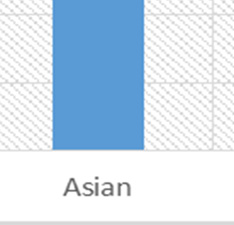
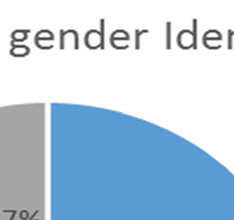
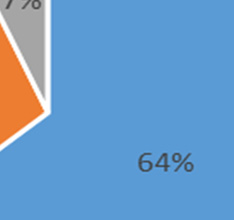



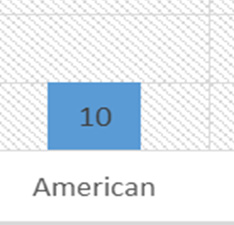










http://ajsss.j
From the f
study cons
range of b
From 46 t
outlines at
service pro
technologi
employees
technologi
based on th
4.2.2 Parti
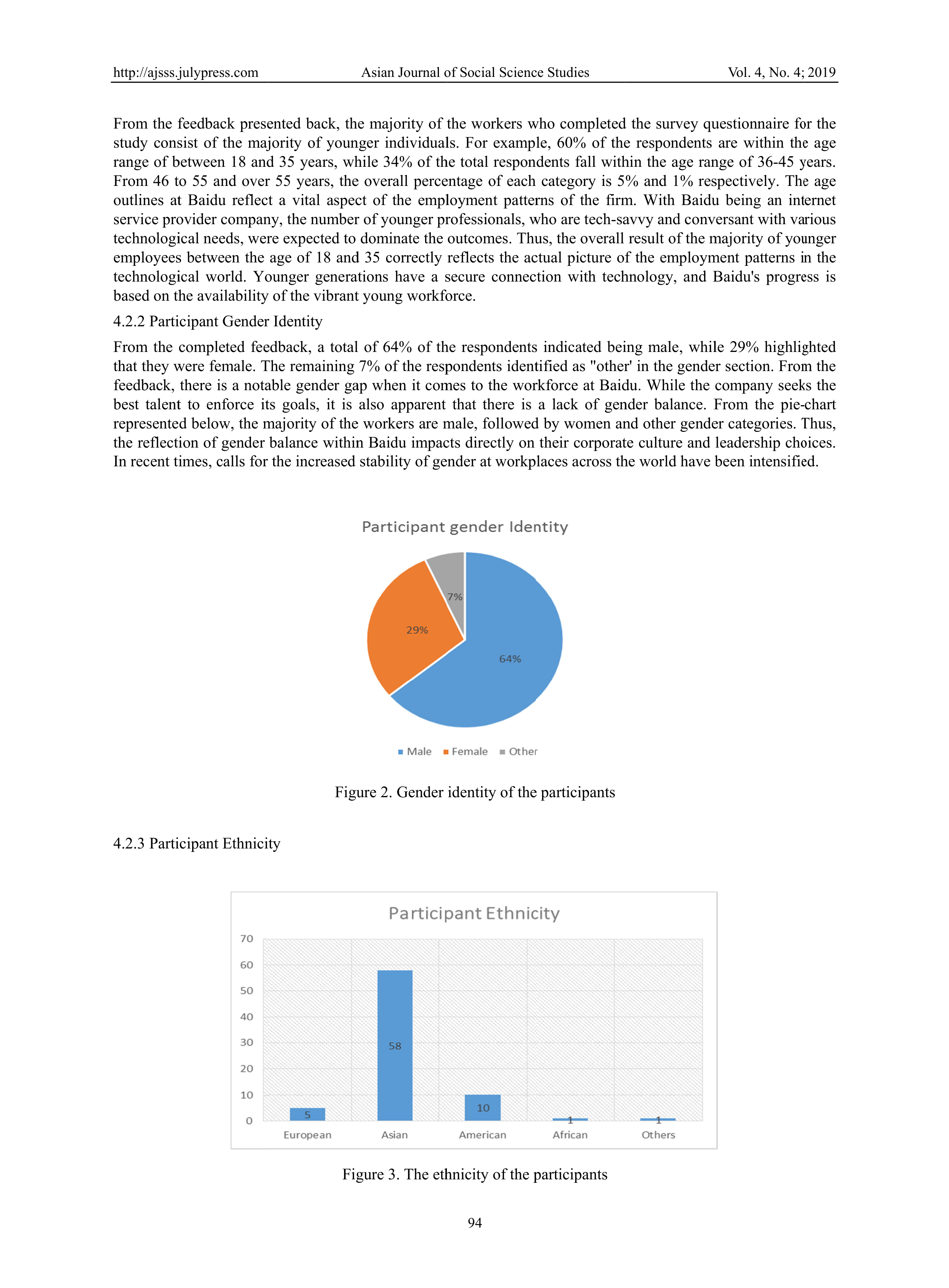
From the
that they w
feedback,
best talent
represente
the reflecti
In recent ti
4.2.3 Parti
julypress.com
feedback prese
sist of the maj
between 18 and
to 55 and over
t Baidu reflec
ovider compan
ical needs, wer
s between the
ical world. Yo
he availability
icipant Gender
completed fee
were female. T
there is a nota
t to enforce it
d below, the m
ion of gender
imes, calls for
icipant Ethnici
ented back, th
jority of youn
d 35 years, wh
r 55 years, the
t a vital aspec
ny, the number
re expected to
age of 18 and
ounger genera
y of the vibrant
r Identity
edback, a total
The remaining
able gender ga
ts goals, it is
majority of the
balance within
the increased
Figu
ty
Fig
Asian Journal o
e majority of
nger individual
hile 34% of th
e overall perce
ct of the empl
r of younger pr
dominate the
d 35 correctly
ations have a s
t young workfo
l of 64% of th
7% of the resp
ap when it com
also apparent
e workers are m
n Baidu impac
stability of ge
ure 2. Gender
gure 3. The eth
of Social Scienc
94
the workers w
ls. For exampl
he total respon
entage of each
loyment patter
rofessionals, w
outcomes. Thu
reflects the ac
secure connec
orce.
he respondents
pondents ident
mes to the wor
that there is
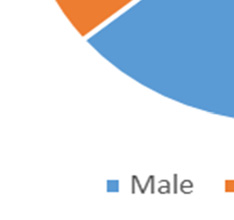
male, followed
cts directly on
ender at workp
identity of the
hnicity of the p
ce Studies
who completed
le, 60% of the
dents fall with
category is 5
rns of the firm
who are tech-sa
us, the overall
ctual picture of
ction with tech
s indicated bei
tified as "other
rkforce at Baid
a lack of gen
d by women an
their corporat
laces across th
e participants
participants
d the survey qu
e respondents
hin the age ran
% and 1% res
m. With Baidu
avvy and conv
result of the m
f the employm
hnology, and B
ing male, whil
r' in the gende
du. While the
nder balance. F
nd other gende
te culture and
he world have b
Vol. 4, No. 4;
uestionnaire fo
are within the
nge of 36-45 y
spectively. The
u being an int
versant with va
majority of you
ment patterns i
Baidu's progre
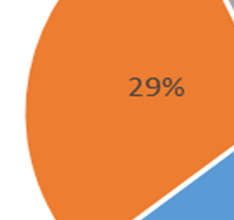
le 29% highlig
er section. From
company seek
From the pie-
er categories. T
leadership cho
been intensifie
2019
or the
e age
years.
e age
ternet
arious
unger
n the
ess is
ghted
m the
ks the
chart
Thus,
oices.
ed.





http://ajsss.j
From the f
diversity a
are minim
have an e
regions, th
vital aspec
leadership
formulatio
leadership
are most l
region. It i
the local v
4.2.4 Parti
According
From the p
other categ
of the wo
majority o
primarily
dwell on t
successful
culture, as
how the or
styles at B
4.3 Baidu’
Central to
employees
(2018), co
company t
corporate c
numerous
4.3.1 The
From the a
overall po
that the w
hostile. Fro
julypress.com
figure above,
at Baidu Corpo
mally represente
ethnically dive
here is a chan
cts that becom
options at B
on of the leade
concerns as n
likely to get in
is, therefore, i
values that driv
icipant Position
g to the feedb
participant res
gories follow,
orkforce each.
of workers at B
a technologica
the work cate
running of c
s well as determ
rganisation cu
Baidu Corporat
’s Organisatio
o Baidu’s cor
s, their charac
orporate culture
towards highe
culture affects
aspects of org
State of Worki
answers, 73%
sitive percepti
working enviro
om the respon
the majority o
oration in chin
ed. In this glo
erse workforce
ce that their e
me associated w
Baidu becomes
ership styles,
noted by Hawe
nfluenced by
mperative to u
ve the formulat
n Distribution
ack, Baidu's p
sponse, Baidu’
with the admi
The other ca
Baidu being in
al company pr
gories that aff
orporate activ
mining suitabl
ulture shapes u
ion.
Figure 4.
nal Culture
rporate activit
cteristics and
e is central to
er performance
s the choice of
ganisational cul
ing Environme
of the particip
ion of Baidu's
nment at Baid
ndents’ results,
Asian Journal o
of the workers
na is large, suc
obalisation pha
e. Since Baid
employment cr
with the scenar
s affected by
and the Chine
es and Chew (2
the Chinese v
underline that
tion of the lead
primary sourc
s technologica
inistrative emp
ategories, as w
the technology
roviding intern
ffect their busi
vities. For this
le organisation
up, which even
The participan
ies is their c
other aspects
the formulatio
e. During the
f leadership usi
lture that were
ent
pants believed
corporate cul
du was strict,
there is a clea
of Social Scienc
95
at Baidu, Inc
ch that other et
ase, the world
du is a multin
riterion consid
rio at the Baid
the available
ese corporate
2011). Thus, B
values given t
corporate cult
dership styles.
e of workforc
al workforce c
ployees as wel
well as the su
y wing, it repre
net services ac
iness. Howeve
s reason, they
nal leadership.
ntually reflects
ant position dis
culture defined
that influence
on of secure pr
study, among
ing the case sc
e evident.
that their work
ture. However
while only 6%
ar indication of
ce Studies
c. China are of
thnicities like
is embracing
national corpo
ders the busine
du. In most ins
workers. The
culture has a
Baidu's corpora
the dominance
ture is influenc
ce recruitment
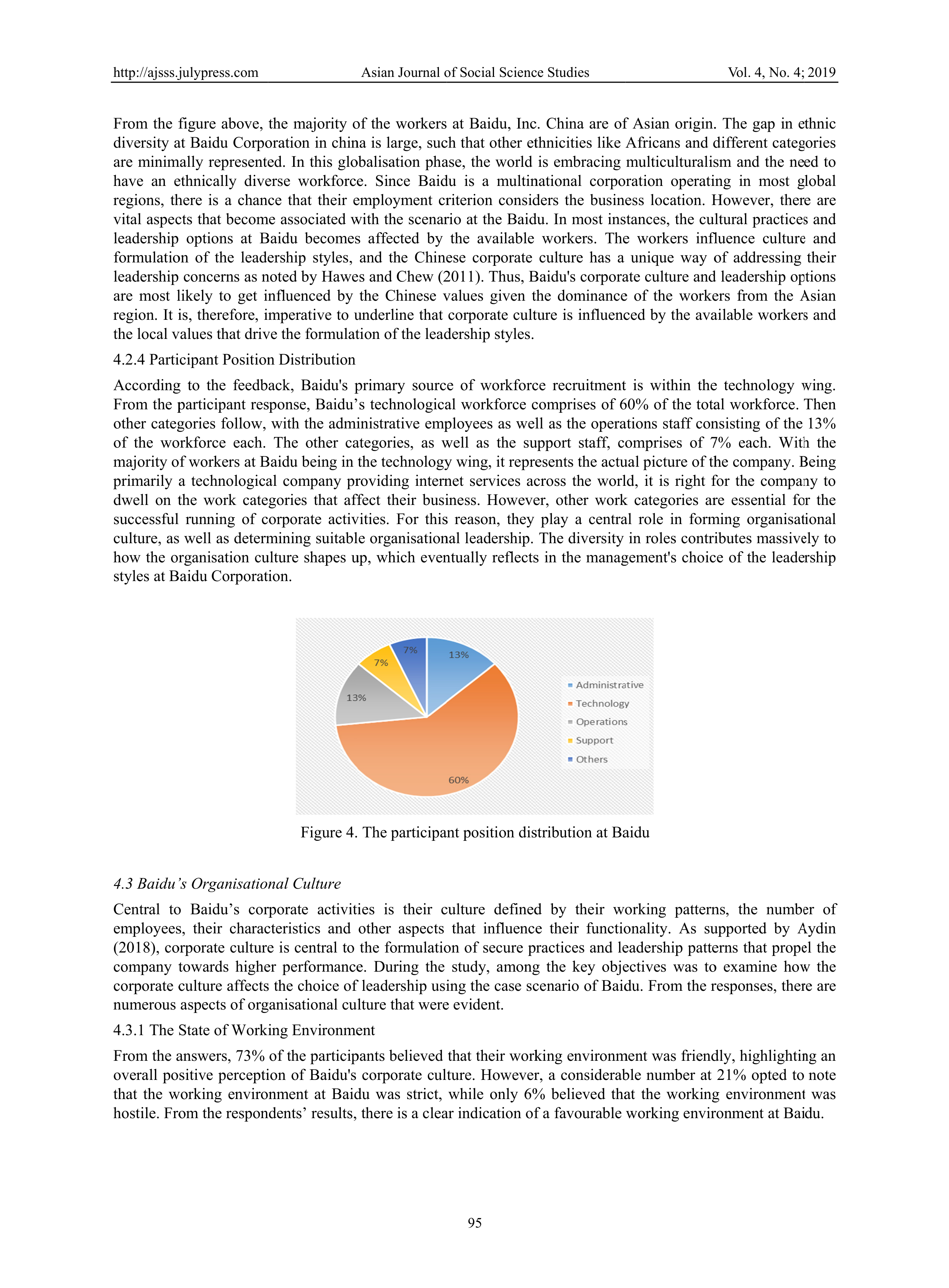
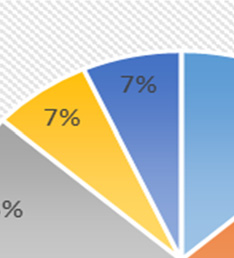
comprises of 6
ll as the opera
upport staff, co
esents the actu
cross the worl
er, other work
play a centra
The diversity
s in the manag
stribution at Ba
d by their wo
e their functio
ractices and le
g the key obje
cenario of Baid
king environm
r, a considerab
% believed tha
f a favourable
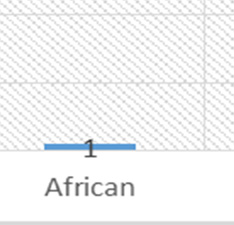
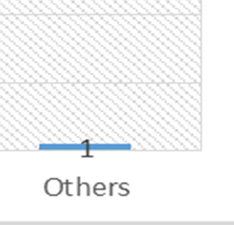
f Asian origin.
Africans and d
multiculturalis
ration operati
ess location. H
stances, the cul
e workers infl
unique way o
ate culture and
e of the worke
ced by the ava
t is within the
60% of the tota
ations staff con
omprises of 7
ual picture of th
ld, it is right f
k categories ar
al role in form
in roles contri
gement's choic
aidu
orking pattern
onality. As su
eadership patte
ectives was to
du. From the r
ment was friend
ble number at
at the working
working envir
Vol. 4, No. 4;
. The gap in e
different categ
sm and the ne
ng in most g
However, ther
ltural practices
fluence culture
of addressing
d leadership op
ers from the A
ailable workers
e technology w
al workforce.
nsisting of the
7% each. With
he company. B
for the compan
re essential fo
ming organisat
ibutes massive
ce of the leade
ns, the numbe
upported by A
erns that prope
o examine how
responses, ther
dly, highlightin
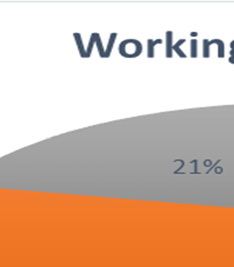
21% opted to
g environment
ronment at Bai
2019
thnic
gories
ed to
lobal
e are
s and
e and
their
ptions
Asian
s and
wing.
Then
13%
h the
Being
ny to
r the
tional
ely to
rship
er of
Aydin
el the
w the
re are
ng an
note
t was
du.
















http://ajsss.j
4.3.2 Orga
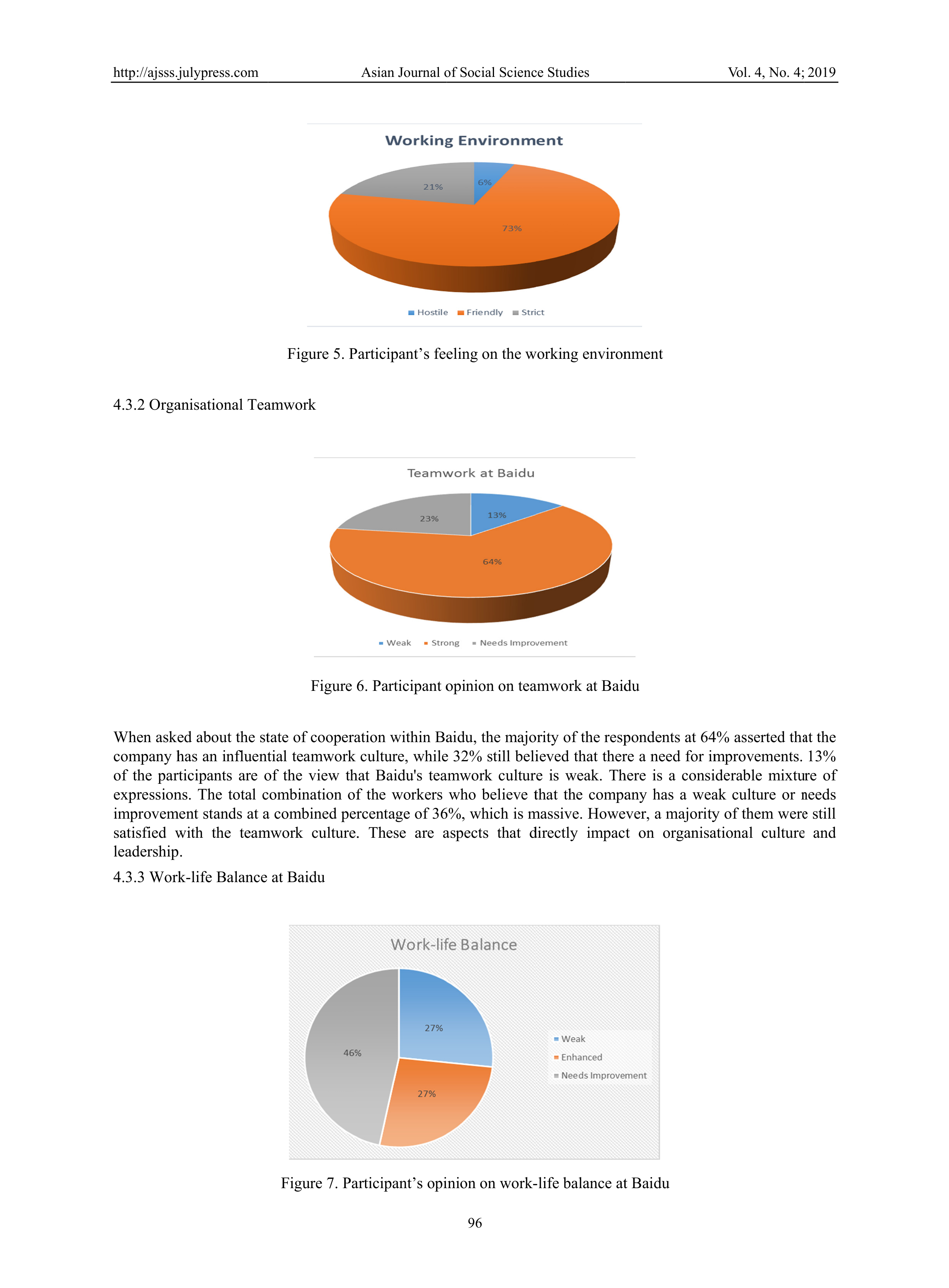
When aske
company h
of the part
expression
improvem
satisfied w
leadership
4.3.3 Work
julypress.com
anisational Tea
ed about the st
has an influent
ticipants are o
ns. The total c
ment stands at a
with the team
.
k-life Balance
Figure 5. P
amwork
Figure 6
tate of coopera
tial teamwork
of the view th
combination of
a combined per
mwork culture.
at Baidu
Figure 7. Pa
Asian Journal o
articipant’s fee
6. Participant o
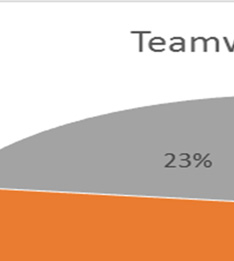
ation within Ba
culture, while
hat Baidu's tea
f the workers
rcentage of 36
. These are a
articipant’s opi
of Social Scienc
96
eling on the w
opinion on tea
aidu, the majo
e 32% still beli
amwork cultur
who believe t
6%, which is m
aspects that d
inion on work-
ce Studies
working environ
amwork at Baid
ority of the resp
ieved that ther
e is weak. Th
that the compa
massive. Howe
directly impact
-life balance at
nment
du
pondents at 64
re a need for im
here is a consi
any has a wea
ver, a majority
t on organisa
t Baidu
Vol. 4, No. 4;
4% asserted tha
mprovements.
iderable mixtu
ak culture or n
y of them were
ational culture
2019
at the
13%
ure of
needs
e still
e and
http://ajsss.julypress.com
Asian Journal of Social Science Studies
Vol. 4, No. 4; 2019
97
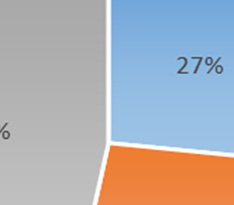
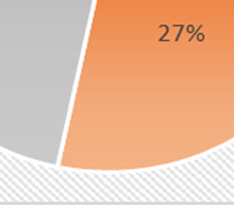
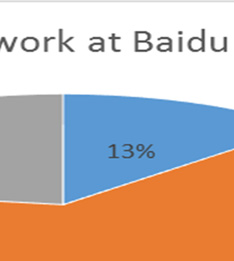
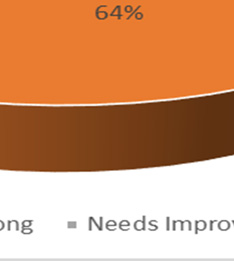
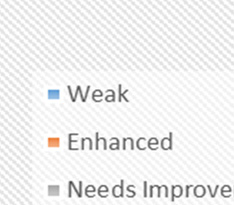
Interesting patterns emerged when the workers were asked to opine on their work-life balance at Baidu. The
majority of them were clear on the matter, with 46% of the respondents stating that the work-life balance at
Baidu needs improvement. On the other hand, the results also revealed an equal percentage of the workers at 27%
who felt that work-life balance was weak, and those who thought it was enhanced. Work-life balance is an
integral aspect of the life of the worker in the modern corporate world. It is a working culture that most
organisations have come to take seriously to enhance the happiness of their workers. Most workers at Baidu do
not believe that their work-life balance is enhanced, and it is a pattern that gauges the company's leadership in
the treatment of employees.
4.3.4 Workplace Schedule
Table 2. Opinion on work schedule in Baidu
State of work schedule
The percentage of respondents
Tight
25%
Balanced
45%
Needs Improvements
30%
Working schedules instrumental in the daily working processes of the employees as it enables them to plan for
their working activities. From the research conducted during this study, only 45% of the workers at Baidu felt
that their work schedules were balanced. 25% of the respondents highlighted the strict nature of the working
process at Baidu, and further 30% felt that the working schedule needs improvements at the company. The
working schedules within larger corporations such as Baidu are a greater part of the organisational culture
advanced by the leadership techniques enhanced in the company. Leadership within an organisation determines
the work processes, and most instance, the pressure the employees would feel during working hours depends on
the intense programs set by the management. In most cases, a corporate culture that employs transformational
leadership is most likely to satisfy the needs of its workforce through participatory working procedures. On the
other hand, the transactional leadership model places massive power on the leaders, while workers perform their
duties in obedience while expecting returns (Simpson, 2012). In numerous corporate entities, transactional
models are utilised to enhance the profit-making goals of the firms, but this sometimes comes at the expense of
the workers’ social welfare.
4.3.5 Worker-Leader Relationship
Table 3. Worker-leader relationship at Baidu
State of the Worker-leader Relationship
Responses from the workers
Interactive
35%
Hierarchical
60%
Needs improvements
5%
Another critical aspect in the corporate culture is the relationship between the workers and the corporate leaders
who are also the supervisors. During the study, a large percentage (60%) of the respondents believe that Baidu's
work-leader relationship is highly hierarchical. 35% of the participants noted that the relationship is interactive,
while only 5% felt that the association needs improvements. The feeling in the company among the workers is
that the relationship between the workforce and the company leadership is based on the bureaucratic system. In
most instances, a hierarchical culture often limits the power of the average employee, and the possible
association is centred on orders and obedience. Corporate culture and the leadership styles adopted determine the
kind of relationship the employees have with their bosses. In this case, the majority of the employees at Baidu
have a strong belief that they are led hierarchically. The motivation behind these kinds of systems depends on the
goals and objectives of the organisation, but Kouzes and Posner (2015) noted that leadership should be
inspirational and enable the followers to act.


http://ajsss.j
4.3.6 Work
Employees
to advance
the ways
relationshi
imperative
From the
proper cul
performan
perform re
traditional
work sche
and the ba
workforce
4.4 Organ
Being at th
during thi
culture on
the worke
practices i
patterns an
involved m
follower ro
perception
(Nikcevic,
set of wor
established
4.4.1 The L
During the
believed th
or can qu
feedback,
workers. T
are commo
highlight t
in the figu
According
system in
responden
julypress.com
ker Opinion on
s are the direc
e the operation
of improving
ip between th
e to underline
relationship b
lture creates a
nce. While som
elentlessly (Si
corporate cul
dules, and a le
alance between
.
isational Lead
he centre of cu
s study. From
leadership sty
ers in Baidu. F
impact on the t
nd their connec
matters concer
oles, the work
n as well as the
, 2016). From
rk practices a
d the influence
Leadership Sty
e study, among
heir organisatio
uickly identify
it became pos
The examinatio
only applied in
the leadership
ure below.
Figure 8
g to the respon
Baidu. Simil
nts underlined
n Culture and L
ct subjects affe
ns and the obj
g their worki
he organisatio
that organisati
between the w
a roadmap fo
me leaders dwe
impson, 2012)
lture that prior
ess enhanced w
n work and soc
dership
ultural influen
m the response
yles. This stud
From the resu
type of leaders
ction with the
rning the rela
kers’ preferred
e interactions.
the study, the
and activities,
e of corporate c
yle Adopted at
g the fundame
on adopted. Th
y with. From t
sible to draw t
on of the leade
n the corporate
style they beli
8. The types of
ndents, 30 of t
arly, 25 partic
that Transform
Asian Journal o
Leadership
ected by the or
jectives of the
ng environme
nal culture an
ional culture i
workers and th
or a leader in
ell on getting th
). The commo
ritises bureauc
work-life balan
cial life as imp
nce, organisatio
es, various fac
dy sought to es
ults, key aspec
ship an organi
set corporate c
ationship betw
d leadership sty
It is vital to r
key findings o
as well as th
culture on lead
t Baidu
ental objective
he corporate cu
the analysis o
the link to thei
ership styles w
e scenario: bur
ieved existed i
f leadership sty
them thought
cipants believ
mational leade
of Social Scienc
98
rganisational c
business. The
ent and their
nd leadership
is integral in d
heir supervisor
adapting and
he best out of
on opinion fr
cratic tendenci
nce. Most emp
perative in the
onal leadershi
cts emerged th
stablish key le
cts emerged th
isation adopts.
culture at Baid
ween the senio
yles, and how
remember that
obtained from
he control ove
dership.
es were to exam
ulture must ha
of the Baidu's
ir leadership s
within the com
reaucratic, tran
in their organis
yles the emplo
that Bureaucra
ved that Baidu
ership style gu
ce Studies
culture as well
e opinions of t
overall cultu
styles. From
determining va
rs to the coop
d enhancing th
the employees
om most wor
ies and hierarc
ployees cite a b
e company's cu
p became an i
hat reflects on
eadership patte
hat reflect how
The study int
du within Chin
ors and juniors
the existing s
t all these unfo
the workers co
er them by the
mine what kin
ave leadership
s corporate cu
tyle adopted in
mpany was bas
nsformational a
sation, the resp
oyees believed
atic leadership
u's leadership
uided them, wh
l as the leaders
the workers at
ure reveals ke
m the investig
arious work en
peration among
he right pract
s, others expec
rkers at Baidu
chical order, w
balance in the w
ulture to enhan
important aspe
n the influenc
erns according
w corporate cu
tended to highl
na. Among the
s at work in
system affects
old within a se
oncerning the
eir seniors, w
nd of leadershi
styles that emp
ulture based o
n the control o
ed on three m
and transaction
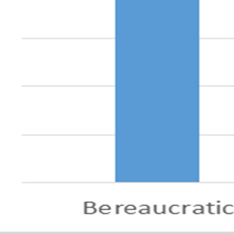
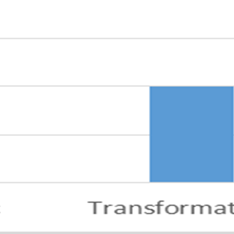
pondents respo
existed in Bai
p style was the
style is Tran
hile a further
Vol. 4, No. 4;
ship styles ado
t Baidu concer
ey patterns in
gated aspects,
nvironment asp
g the workfor
tices for enha
ct the employe
u indicates a
with relatively
working sched
nce vibrancy i
ect of investig
ce of the corp
g to the opinio
ulture and a s
light the leade
key considera
the leadership
their perform
et corporate cu
aspects such a
was instrument
ip Baidu empl
ployees under
on the respond
of the activities
main techniques
nal. When ask
onded as illust
idu
e dominant co
sactional. Onl
10 noted that
2019
opted
rning
n the
it is
pects.
ce; a
anced
ees to
more
tight
dules,
n the
ation
orate
ns of
set of
rship
ations
p and
ance,
ulture
as the
al. It
loyee
stand
dents'
s and
s that
ked to
trated
ontrol
ly 10
they







http://ajsss.j
were not s
leadership
differentia
and duties
association
bureaucrat
transforma
4.4.2 Conf
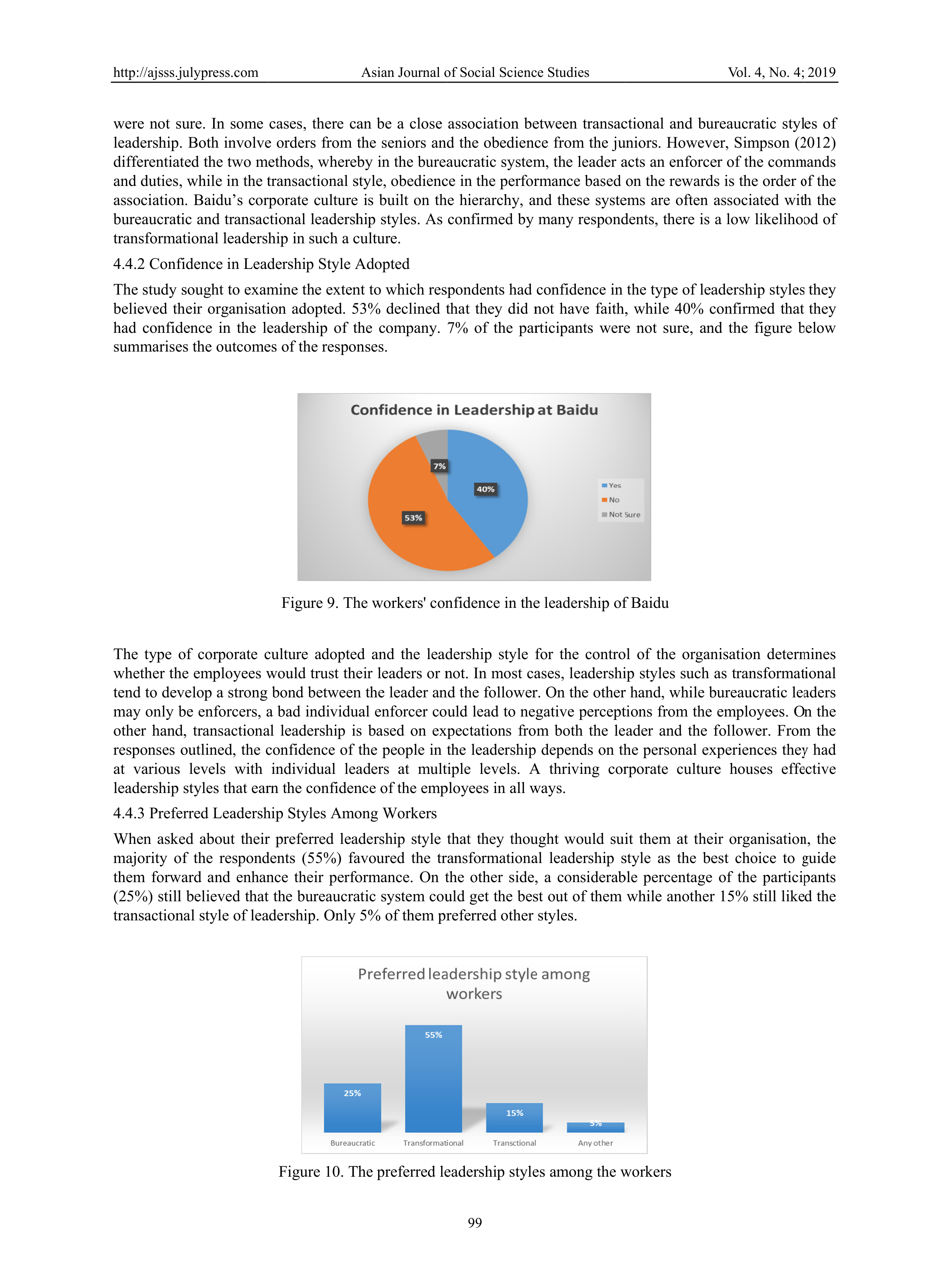
The study
believed th
had confid
summarise
The type o
whether th
tend to dev
may only b
other hand
responses
at various
leadership
4.4.3 Prefe
When ask
majority o
them forw
(25%) still
transaction
julypress.com
sure. In some
. Both involve
ated the two m
, while in the t
n. Baidu’s cor
tic and transac
ational leadersh
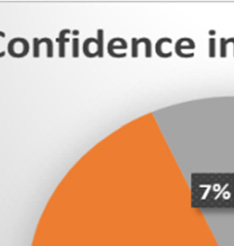
fidence in Lead
sought to exam
heir organisati
dence in the le
es the outcome
of corporate c
he employees w
velop a strong
be enforcers, a
d, transactiona
outlined, the c
s levels with
styles that ear
erred Leadersh
ed about their
of the respond
ward and enhan
l believed that
nal style of lea
cases, there ca
e orders from t
ethods, whereb
transactional s
rporate culture
ctional leadersh
hip in such a c
dership Style A
mine the exten
ion adopted. 5
eadership of t
es of the respon
Figure 9. Th
culture adopte
would trust the
bond between
a bad individu
al leadership is
confidence of
individual lea
rn the confiden
hip Styles Amo
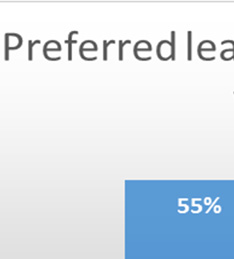
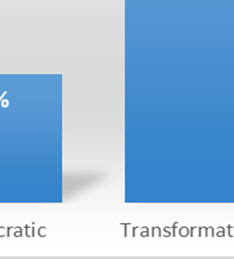
r preferred lea
dents (55%) fa
nce their perfo
t the bureaucra
adership. Only
Figure 10. T
Asian Journal o
an be a close
the seniors an
by in the burea
style, obedienc
e is built on th
hip styles. As
culture.
Adopted
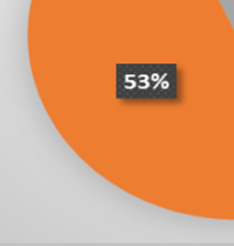
nt to which res
53% declined t
the company.
nses.
he workers' con
d and the lead
eir leaders or n
n the leader an
ual enforcer co
s based on ex
the people in t
aders at mult
nce of the emp
ong Workers
adership style
avoured the tr
ormance. On t
atic system cou
5% of them pr
The preferred le
of Social Scienc
99
association be
d the obedienc
aucratic system
ce in the perfor
he hierarchy, an
confirmed by
spondents had
that they did n
7% of the par
nfidence in the
dership style f
not. In most ca
nd the follower
uld lead to neg
xpectations fro
the leadership
tiple levels. A
ployees in all w
that they thou
ransformationa
the other side,
uld get the bes
referred other
eadership style
ce Studies
etween transac
ce from the ju
m, the leader a
rmance based
nd these syste
many respond
confidence in
not have faith,
rticipants were
e leadership of
for the contro
ases, leadershi
r. On the other
gative percept
m both the le
depends on th
A thriving cor
ways.
ught would sui
al leadership s
, a considerab
st out of them
styles.
es among the w
ctional and bur
uniors. Howeve
acts an enforce
on the rewards
ems are often a
dents, there is
the type of lea
, while 40% c
e not sure, an
f Baidu
l of the organ
ip styles such a
r hand, while b
tions from the
ader and the f
he personal ex
rporate culture
it them at thei
style as the be
ble percentage
while another
workers
Vol. 4, No. 4;
reaucratic styl
er, Simpson (2
er of the comm
s is the order o
associated wit
a low likelihoo
adership styles
confirmed that
d the figure b
nisation determ
as transformat
bureaucratic lea
employees. O
follower. From
xperiences they
e houses effe
ir organisation
est choice to g
of the particip
15% still like
2019
es of
2012)
mands
of the
h the
od of
they
they
below
mines
ional
aders
n the
m the
y had
ective
n, the
guide
pants
d the









http://ajsss.j
From the r
style of le
transforma
this kind o
intellectua
well-being
generation
aimed at a
the transac
4.4.4 Lead
During the
culture at
reflected th
did not ref
the worker
firm. Rega
there was a
4.4.5 Work
Baidu’s co
There is v
imperative
situation a
what they
whether th
felt that t
environme
Table 4. T
State of
The exis
of the w
Organis
remain t
The overa
julypress.com
responses, the
eadership withi
ational leaders
of leadership
al stimulation.
g of the worke
n of profit som
a higher perform
ctional leadersh
dership and Re
e study, the re
their organisa
the corporate c
flect the cultur
rs have a stron
ardless of the l
an active link b
Fig
ker Opinion on
orporate cultur
varied opinion
e also to under
and that is why
believed they
he current lead
they could ch
ent.
The worker opin
f leadership
sting administr
worker
ational leader
the same
all view of the
e majority of th
in a corporate
ship provides t
involve inspir
Transformatio
er. However, in
metimes leads
mance. In this
hip in profit-or
eflection of Cu
espondents we
tion. 76% of t
cultural values
ral values of th
ng belief that th
leadership styl
between cultur
gure 11. Worke
n Organisation
re forms a stron
concerning th
rline that these
y there is a sig
y should get f
dership at Baid
hange some c
nion on leader
ration gets the
rship needs ch
e workers is t
Asian Journal o
he workers at
e culture within
the perfect con
rational motiv
onal leadership
n a corporate
to the develop
case, bureauc
riented firms.
ulture
ere asked to h
them acknowle
s of the compa
he company, w
he leadership s
le that individu
re and the lead
ers' perception
nal Leadership
ng basis for th
he culture and
e views are ba
gnificant differ
from the organ
du can get the
corporate cult
rship aspects
Em
e best out
56
hange or
Ne
that they coul
of Social Scienc
100
Baidu still thi
n their work e
nditions for the
vation, individ
p is the ultimat
context, the d
pment of the o
cratic leadershi
highlight whet
edged that the
any. 20% decli
while 4% were
style used to gu
ual workers pr
dership style u
ns of leadership
he leadership st
leadership fun
ased on person
rence. Most of
nisation. From
best out of the
ture and lead
mployee opinio
6%
eeds change-57
ld have an act
ce Studies
ink that transf
environment. F
e workers. Th
dualised consid
te style that con
desire and driv
organisational
ip has often do
ther the leader
e leadership sty
ined that the l
e not sure. Fro
uide them is a
referred or beli
sed.
p and reflection
tyle implemen
ndamentals of
nal experience
f the responde
m the response
e team. For thi
dership factors
on (Yes)
Em
44
7%
Sh
tive role to pl
formational lea
From Simpson
he critical aspe
deration, ideal
nsiders the soc
ve for financial
cultures with
ominated the c
rship style ado
yle they believ
eadership styl
om the respons
product of cul
ieved existed i
n on culture
nted in the com
the organisatio
es and judgem
nts aired their
es, there were
is reason, som
s to enhance
mployee opinio
4%
hould remain th
lay in the tran
Vol. 4, No. 4;
adership is the
n (2012)'s ana
ects associated
lised influence
cial and intelle
l performance
strict practice
orporate world
opted reflected
ved taken in B
e adopted at B
ses, the majori
ltural outline o
in the organisa
mpany within C
ons. However
ment of the wor
r opinions base
mixed feeling
me of the emplo
a better wor
on (No)
he same-43%
nsformation o
2019
e best
lysis,
with
e and
ectual
, and
s, all
d and
d the
Baidu
Baidu
ity of
of the
ation,
China.
, it is
rking
ed on
gs on
oyees
rking
f the
http://ajsss.julypress.com
Asian Journal of Social Science Studies
Vol. 4, No. 4; 2019
101
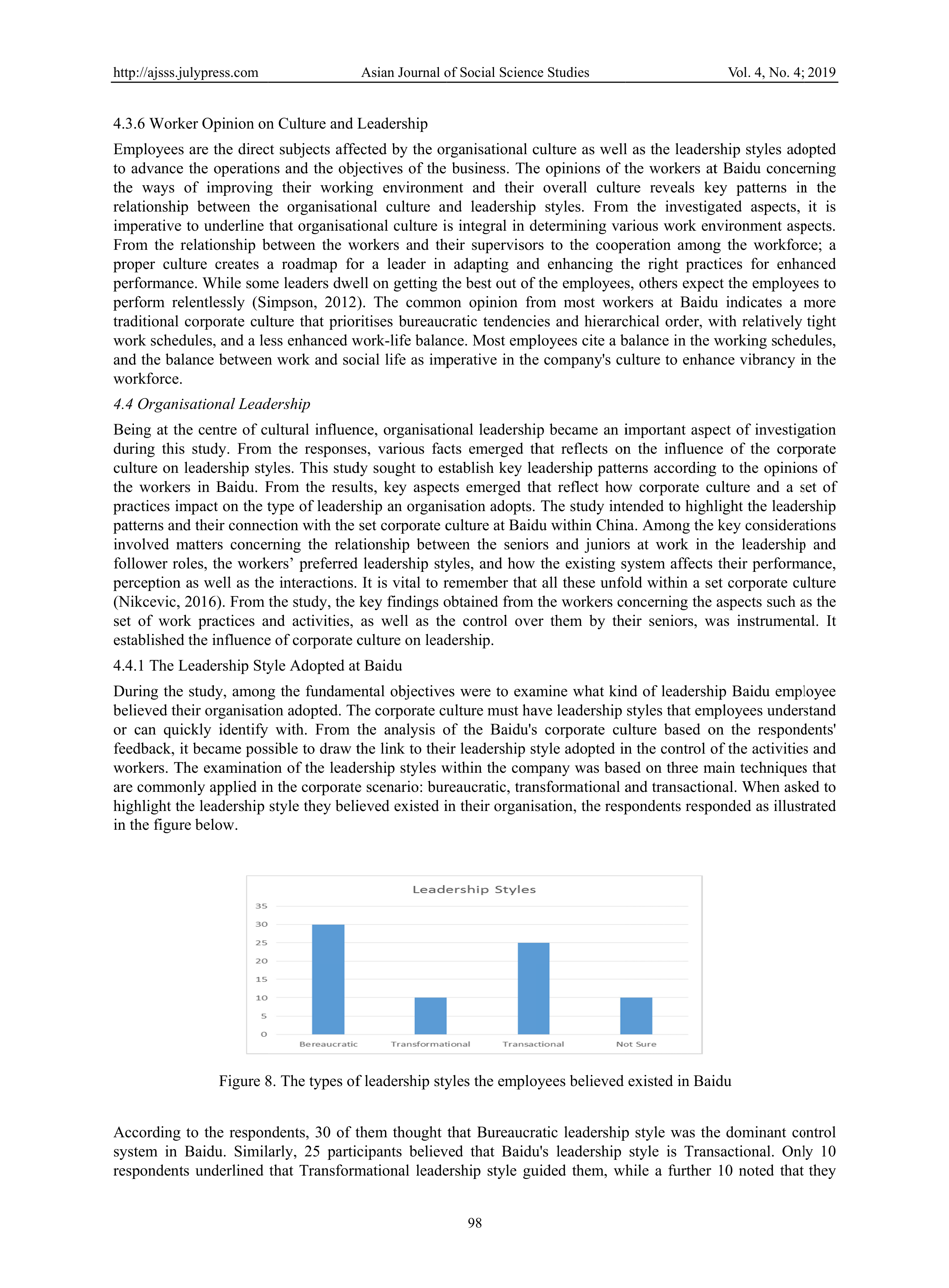
corporate culture at Baidu, which directly affects the outcomes of leadership at the company on various levels.
From the analysis of the opinion concerning the corporate culture of Baidu, the influence of organisational
culture becomes apparent.
4.5 Role of Corporate Culture
From the results and the analysis section, corporate culture plays an integral role in shaping organisational
leadership. It has a direct influence on what transpires within the ranks of authority in the firm. However, there
are other numerous factors to consider as well, given the formation of the culture is something influenced by the
values of the people behind the creation of the business. According to Sukkar (2017), culture influences
organisational leadership. However, the formation of the culture differs from one place to another. The cultural
perception of an organisation the European countries broadly differ from that in the Asian nations. Hawes and
Chew (2011) highlighted the bureaucratic nature of most Chinese companies. In this case, top executives remain
the primary enforcers of the significant commands and orders. Organisational culture is highly influenced by the
local values, but most significantly, by the role of a multicultural and diverse workforce. There is an apparent
lack of diversity in many of the top Chinese companies, and this also impacts the styles of leadership adopted.
For instance, Sukkar (2017) highlighted that cultural influence affects people from different regions, not only on
individual levels but also during the interactions with other people. The social norms and values differ from one
region to another, and the corporate culture of Baidu in China is most likely to follow the patterns of the Chinese
organisational outline.
4.6 The Link Between Culture and Leadership
The connection between culture and leadership within an organisation is mutual, and as the culture develops
over-time, it becomes a building block of leadership in an organisation. Nonetheless, culture has always been a
non-constant issue. As supported by the views and the opinion of the respondents, there was a significant feeling
that some aspects of the organisations could be changed. In the same way, cultures can change (Aydin, 2018),
but in this process, they are also at risk of being manipulated to suit individual goals of a leader. For the
corporate entity like Baidu operating in several regions, dealing with multiculturalism is critical. For example,
According to Forbes (2013), Baidu is more like a product of Silicon Valley, with its founder Robin Li, having
been a former employee at the Silicon Valley. The common belief is that Baidu is built on the values similar to
those of American tech society. However, it is also possible that the company's various businesses in many
locations promote disparity in its social values. In China, Baidu has to adapt to the expected level of corporate
culture and leadership expectations to compete. In the same way, the company would adopt a relevant
organisational structure in the US, Brazil and any other country it operates.
4.7 The Influence of Culture on Leadership
Consequently, as the corporate culture shapes, the leadership styles follows, and at some point in the company’s
life-cycle, changes in the leadership can contribute to the resultant evolution of culture. Baidu's corporate culture
is the basis of their leadership style in China, and this directly impacts on the working environment. The
recipient of the leadership techniques in any organisation are the employees, and for this reason, culture is a
significant aspect of their existence in the corporate world. Employees prefer leadership styles that enable them
to get involved in important matters and decision-making directly, but this is not the case in many firms with
bureaucratic cultures. Kouzes and Posner (2015) noted that leaders have a responsibility of building a culture to
enable others act and develop. In this case, leaders become the creators of culture so that it can influence their
actions and leadership traits. While they can influence the outcomes of culture, including manipulating it, it is
still within the same culture that leaders would execute their leadership plans. Thus, no organisation can exist
without a culture, and the results from Baidu indicate a strong influence of the local corporate culture on their
activities. From the analysis, it is also apparent that the people within a culture may be open to changes,
especially when they deem it as a necessary factor.
5. Conclusion
Leadership and culture are critical factors in the shaping of the organisations and the creation of the operational
paths. From the case study of Baidu, numerous conclusions can be drawn similar to other corporate scenarios
across the world. There are valid reasons why managers should pay attention to culture as a component of the
organisation. First of all, culture is integral in shaping organisational performance and practice, as well as the
establishment of corporate identity (O’Donnell & Boyle, 2008). Culture creates values, rituals and beliefs from
the past that new employees would learn as legends as they comprehend dos and don’ts in their new working
environment. The evolvement of organisations sees massive changes, sometimes in their cultural practices. As
culture shapes leadership, over time, the process of organisational change and transformation affects various
http://ajsss.julypress.com
Asian Journal of Social Science Studies
Vol. 4, No. 4; 2019
102
components of culture. What is evident in Baidu is that workers feel there are some aspects they think could be
changed to enhance efficiency. Also, Aydin (2018) underlined that cultures could be prone to manipulation or
change by the leaders. The process of initiating change by the leader can be crucial only if it is done for the best
of the firm. Martin (2013) warns culture can be a very critical aspect during the organisational change process,
which could lead to either success or failure. It is both a blessing and a curse. Thus, when leaders aim to change
various practices of the culture, they should also be careful that their actions do not impact negatively on the
company’s progress.
Conversely, as earlier found and highlighted throughout this study, the key to thriving organisational culture is
leadership. The success or failure of the organisation is based on the leadership modes that the organisation
adopts. For a more extended period, the bureaucratic system of governance has proved to be a practical aspect of
leadership commonly used in many organisations. However, Simpson (2012) reckons that it is a system that only
grants the seniors the power to enforce and the juniors to carry out implementation. In recent times, the calls for
the organisational leadership transformation have seen calls for the adoption of styles such as transformational
leadership, which creates a fair environment for the employees to get involved. Culture strongly influences the
leadership a company adopts or decides to change to enhance competitiveness. Cultural elements such as the
shared values, the organisational rituals, practices and patterns can be either instrumental or detrimental. The
most significant function of culture is that it enables the leaders to gauge and determine the best for the company.
Thus, the ability of culture to be changed through leadership presents an excellent opportunity for the
enhancement of positive changes. Times are rapidly changing, and the increased competition means that
companies need to adapt to the latest changes to stay relevant (Rijal, 2016). In the technological field,
organisations such as Baidu face stiff competition from others such as Yandex and Google. Thus, to stay as a
stronger competitor, Baidu needs to utilise leadership to enhance positive cultural changes centred on innovation
and creativity.
Consequently, leadership is key to the progress of all the organisational goals. As found before in this study,
employees within a corporate, who are a critical part of the culture, have their perceptions of perfect leadership.
As discovered, the majority of the workers prefer a transformational form of leadership. Nevertheless, it is also
significant to underline that these leadership styles depend on the ability of the leader in executing his or her
plans. Regardless of the leadership style stipulated within an organisation, an incapable leader will always find
himself or herself on the wrong end with less inspiration for his/her followers. Adopting transformational
leadership also requires a leader with the ability and characteristics to inspire, and should also be charismatic.
Also, he or she should promote intellectual stimulation among his/her team and also recognising that every
employee has specific concerns, needs and desires. Commonly, most of the leaders in the corporate environment
flourish under the bureaucratic systems, with their primary functions being only to enforce rather than to inspire.
Thus, a productive culture sets the tone for the implementation of the leadership styles that suit the needs of the
company. Culture and leadership are closely related and complement each other, but an organisation must first
exist with a set of cultural patterns before the implementation of leadership forms. The leaders' role is to uphold
the fundamentals of culture by adapting to its demands or changing the culture in response to the possible
internal and external calls for change. When culture grows old or outdated within a corporate scenario, it calls
for a change, and for a successful transformation, only effective leadership is required. Leadership should suit
the demands of corporate cultures for enhanced sustainability but a leader must adhere to the useful cultural
outlines that control and guide the organisational activities.
References
Abawi,
K.
(2013).
Data
Collection
Instruments:
Questionnaire
&
Interview.
Reteived
from
https://www.gfmer.ch/SRH-Course-2012/Geneva-Workshop/pdf/Data-collection-instruments-Abawi-2013.
pdf
Akhavan, P., Zahedi, M., Dastyari, A., & Abasaltian, A. (2014). The effect of organizational culture and
leadership style on knowledge management in selected research organizations.
International Journal of
Scientific Management and Development, 2
(9), 432-440.
Allaire, Y., & Firsirotu, M. (1984). Theories of Organisational Culture.
Organisation Studies, 5
(3), 193-226.
Alnasseri, N., Osborne, A., & Steel, G. (2013). Organizational culture, leadership style and effectiveness: a case
study of Middle Eastern construction clients. In
Procs 29th Annual ARCOM Conference
(pp. 393-403)
.
Reading, UK: Association of Researchers in Construction Management.
Al-Tameemi, K., & Alshawi, M. (2014). The impact of organisational culture and leadership on performance
improvement in Iraq.
The Built & Human Environment Review, 7
, 1-15.
http://ajsss.julypress.com
Asian Journal of Social Science Studies
Vol. 4, No. 4; 2019
103
Aripin, Salim, U., Setiawan, M., & Djumahir. (2013). Implications of Organizational Culture and Leadership
Styles the Effects on Job Satisfaction and Organizational Performance of Police Sector in Bandung, Cimahi,
Garut- West Java.
IOSR Journal of Business and Management (IOSR-JBM), 7
(5), 44-49.
Aydin, B. (2018). The Role of Organizational Culture on Leadership Styles.
Manas Journal of Social Studies,
7
(1), 267-280.
Boromisza-Habashi, D. (2012). Interpretivist approach to culture. In A. Kurylo, (Ed.),
Inter-Cultural
Communication: Representation and Construction of Culture
(pp. 305-328)
.
Thousand Oaks, CA: Sage.
Chowdhury, M. (2014). Interpretivism in Aiding Our Understanding of the Contemporary Social World.
Open
Journal of Philosophy, 4
, 432-438.
Dauber, D., Fink, G., & Yolles, M. (2010). A Generic Theory of Organizational Culture.
SMA 2010 Proceedings
(pp. 28-33).
Fincham, J. (2008). Response Rates and Responsiveness for Surveys, Standards, and the Journal.
American
Journal of Pharmaceutical Education, 72
(2), 1-3.
Forbes.
(2013).
What
Is
The
Internal
Culture
Like
At
Baidu?.
Retrieved
from
https://www.forbes.com/sites/quora/2013/03/29/what-is-the-internal-culture-like-at-baidu/#4b0e0ea5c620
Hammarberg, K., Kirkman, M., & de Lacey, S. (2016). Qualitative research methods: when to use them and how
to judge them.
Human Reproduction, 31
(3), 498-501.
Harrison, H., Birks, M., Franklin, R., & Mills, J. (2017). Case Study Research: Foundations and Methodological
Orientations.
FQS, 18
(1), 1-17.
Hawes, C., & Chew, E. (2011). The Cultural Transformation of Large Chinese Enterprises into Internationally
Competitive Corporations: Case Studies of Haier and Huawei.
Journal of Chinese Economic and Business
Studies, 9
(1), 67-83.
Hersey, P., & Blanchard, K. (2014).
The management of organizational behavior
(4th ed.). Englewood Cliffs, NJ:
Prentice-Hall.
Jalal, A. (2017). Impacts of Organizational Culture on Leadership’s Decision-Making.
Journal of Advances in
Management Sciences & Information Systems, 3
, 1-8.
Klein, A., Wallis, J., & Cooke, R. (2013). The impact of leadership styles on organizational culture and rm
effectiveness: An empirical study.
Journal of Management & Organization, 19
(3), 241-254.
Kouzes, J., & Posner, B. (2015).
The Leadership Challenge: How to Make Extraordinary Things Happen in
Organizations
(5th ed.). San Francisco, CA: Jossey-Bass.
Lousa, E., & Monico, L. (2018). How can leadership and organizational culture predict innovation in small,
medium and large enterprises?.
The Journal of Organizational Management Studies,
1-115.
Martin, J. (2013).
Organizational Culture and Organizational Change: How Shared Values, Rituals, and Sagas
can
Facilitate
Change
in
an
Academic
Library.
Retrieved
from
http://www.ala.org/acrl/sites/ala.org.acrl/files/content/conferences/confsandpreconfs/2013/papers/Martin_O
rg%20Culture.pdf
Nikcevic, G. (2016). The influence of organizational culture on leadership – case study Montenegro.
Tehnički
Vjesnik, 23
(1), 191-197.
O’Donnell, O., & Boyle, R. (2008).
Understanding and Managing Organisational Culture.
Retrieved from
https://www.ipa.ie/_fileUpload/Documents/CPMR_DP_40_Understanding_Managing_Org_Culture.pdf
Pennington, P., Townsend, C., & Cummins, R. (2003). The Relationship of Leadership Practices to Culture.
Journal of Leadership Education, 2
(1), 27-44.
Rahmisyari. (2015). Effect of Leadership Styles, Organizational Culture, and Employees Development on
Performance (Studies in PT. PG. Gorontalo of Tolangohula Unit).
International Journal of Business and
Management Invention, 4
(1), 85-91.
Rijal, S. (2016). Leadership Style And Organizational Culture In Learning Organization: A Comparative Study.
International Journal of Management & Information Systems - Second Quarter, 20
(2), 17-26.
Schoonenboom, J., & Johnson, R. (2017). How to Construct a Mixed Methods Research Design.
Kolner Z Soz
Sozpsychol, 69
(2), 107-131.
Simpson,
S.
(2012).
The
Styles,
Models
&
Philosophy
of
Leadership.
Retrieved
from
http://ajsss.julypress.com
Asian Journal of Social Science Studies
Vol. 4, No. 4; 2019
104
http://www.sustainicum.at/files/projects/268/en/handouts/the-styles-models-philosophy-of-leadership.pdf
Sukkar, A. (2017). Culture Influences and Leadership Theories, a Case Study: Egyptian Culture.
Journal of
Basic and Applied Research, 3
(4), 133-135.
Szczepańska-Woszczyna, K. (2015). Leadership and Organizational Culture as the Normative Influence of Top
Management on Employee's Behaviour in the Innovation Process.
Procedia Economics and Finance, 34
,
396-402.
Tongco, D. (2007). Purposive Sampling as a Tool for Informant Selection.
Ethnobotany Research &
Applications, 5
, 47-158.
Tsai, Y. (2011). Relationship between Organizational Culture, Leadership Behavior and Job Satisfaction.
BMC
Health Services Research, 11
(98), 1-9.
Zainal, Z. (2007). Case study as a research method.
Jurnal Kemanusiaan Bil, 9
, 1-6.
Zhang, S., & Liu, A. (2006). Organisational culture profiles of constructionenterprises in China.
Construction
Management and Economics, 24
, 817-824.
Appendix
A Questionnaire Survey Sheet for Baidu, Inc. China
Conducted by [Yinfei Xue]
Participant information sheet
Dear ………………..., [insert name of participant]
You are invited to take part in a study that is being conducted for a research project as part of the Master’s
degree in FT Management at Queen Mary University of London.
This is a research questionnaire seeking your views concerning the organisational culture and its effects on
leadership of the firm. It is important to note that your participation is voluntary, and your genuine feedback is
highly appreciated. The study intends to treat the feedback seriously, and strictly confirm that it is intended only
for academic purposes.
The interview will take roughly
5 minutes and can be held at a time and place that is convenient for you.
If you decide to take part in the study, y
ou will be asked a series of questions, however, you do not have to
answer any question if you do not wish to and you are able to withdraw from the study at any time. Prior to the
interview you will be asked to sign a consent form that outlines more about your rights during the project and
guarantees confidentiality of your information. The interview will be recorded and will later be transcribed. This
will enable me to capture what is said in the interview without being distracted by the need to take notes.
However, you can ask not to have your interview recorded or ask to have the recording device stopped at any
time during the interview. Your transcribed interview will be kept for 12 months in a secure place and then
destroyed.
Once all interviews have been conducted, a transcription / detailed notes will be analysed and examined in an
anonymised form, and compared with information from other interviewees. No information that could identify
you as an individual will be used in writing up the research.
The research will be written up in the form of a dissertation to be submitted as a requirement for my MSc degree.
Although the dissertation itself is not published, academic publications based on this work may also be
developed. These too will be anonymised, both with respect to individual interviewees and their organisations.
A copy of the transcribed interviews and the final dissertation can be made available to you on request.
Kind regards,
Yinfei Xue
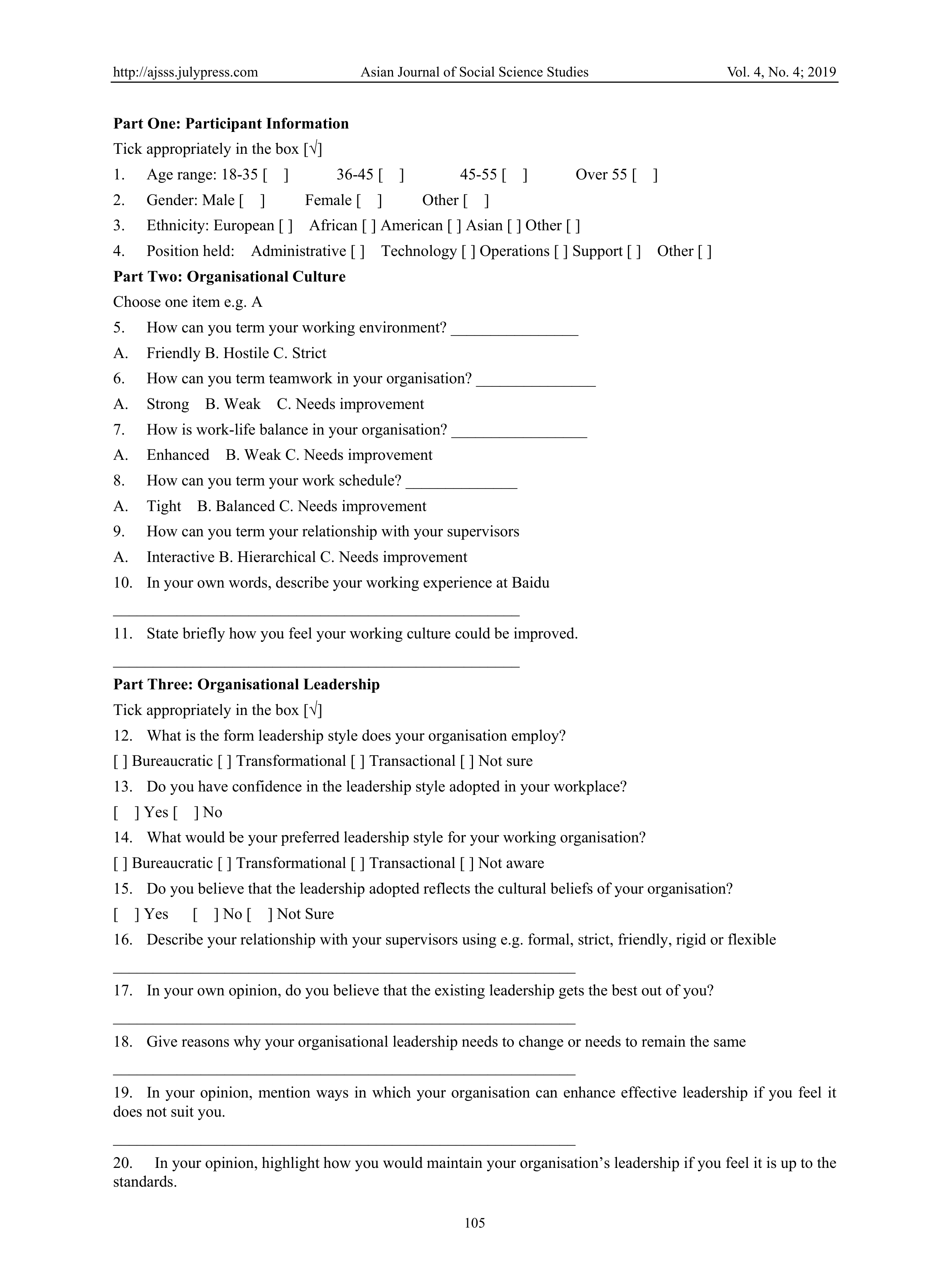
http://ajsss.julypress.com
Asian Journal of Social Science Studies
Vol. 4, No. 4; 2019
105
Part One: Participant Information
Tick appropriately in the box [√]
1.
Age range: 18-35 [ ] 36-45 [ ] 45-55 [ ] Over 55 [ ]
2.
Gender: Male [ ] Female [ ] Other [ ]
3.
Ethnicity: European [ ] African [ ] American [ ] Asian [ ] Other [ ]
4.
Position held: Administrative [ ] Technology [ ] Operations [ ] Support [ ] Other [ ]
Part Two: Organisational Culture
Choose one item e.g. A
5.
How can you term your working environment? ________________
A.
Friendly B. Hostile C. Strict
6.
How can you term teamwork in your organisation? _______________
A.
Strong B. Weak C. Needs improvement
7.
How is work-life balance in your organisation? _________________
A.
Enhanced B. Weak C. Needs improvement
8.
How can you term your work schedule? ______________
A.
Tight B. Balanced C. Needs improvement
9.
How can you term your relationship with your supervisors
A.
Interactive B. Hierarchical C. Needs improvement
10.
In your own words, describe your working experience at Baidu
___________________________________________________
11.
State briefly how you feel your working culture could be improved.
___________________________________________________
Part Three: Organisational Leadership
Tick appropriately in the box [√]
12.
What is the form leadership style does your organisation employ?
[ ] Bureaucratic [ ] Transformational [ ] Transactional [ ] Not sure
13.
Do you have confidence in the leadership style adopted in your workplace?
[ ] Yes [ ] No
14.
What would be your preferred leadership style for your working organisation?
[ ] Bureaucratic [ ] Transformational [ ] Transactional [ ] Not aware
15.
Do you believe that the leadership adopted reflects the cultural beliefs of your organisation?
[ ] Yes [ ] No [ ] Not Sure
16.
Describe your relationship with your supervisors using e.g. formal, strict, friendly, rigid or flexible
__________________________________________________________
17.
In your own opinion, do you believe that the existing leadership gets the best out of you?
__________________________________________________________
18.
Give reasons why your organisational leadership needs to change or needs to remain the same
__________________________________________________________
19.
In your opinion, mention ways in which your organisation can enhance effective leadership if you feel it
does not suit you.
__________________________________________________________
20.
In your opinion, highlight how you would maintain your organisation’s leadership if you feel it is up to the
standards.
http://ajsss.julypress.com
Asian Journal of Social Science Studies
Vol. 4, No. 4; 2019
106
__________________________________________________________
Participant Consent Form
I have read the Information Sheet and have had the details of the study explained to me. My questions have been
answered to my satisfaction, and I understand that I may ask further questions at any time.
I understand I have the right to withdraw from the study at any time and to decline to answer any particular
questions.
I agree to provide information to the researcher(s) on the understanding that my name will not be used without
my permission (
The information will be used only for this research and publications arising from this research
project.
)
I understand that I have the right to ask for the recording device to be turned off at any time during the interview.
Please tick:
I
agree
to the interview being recorded.
I
do not
agree to the interview being recorded.
I agree to participate in this study under the conditions set out in the Information Sheet.
Name of Participant
Date
Signature
End.
Copyrights
Copyright for this article is retained by the author(s), with first publication rights granted to the journal.
This is an open-access article distributed under the terms and conditions of the Creative Commons Attribution
license (http://creativecommons.org/licenses/by/4.0/).