16
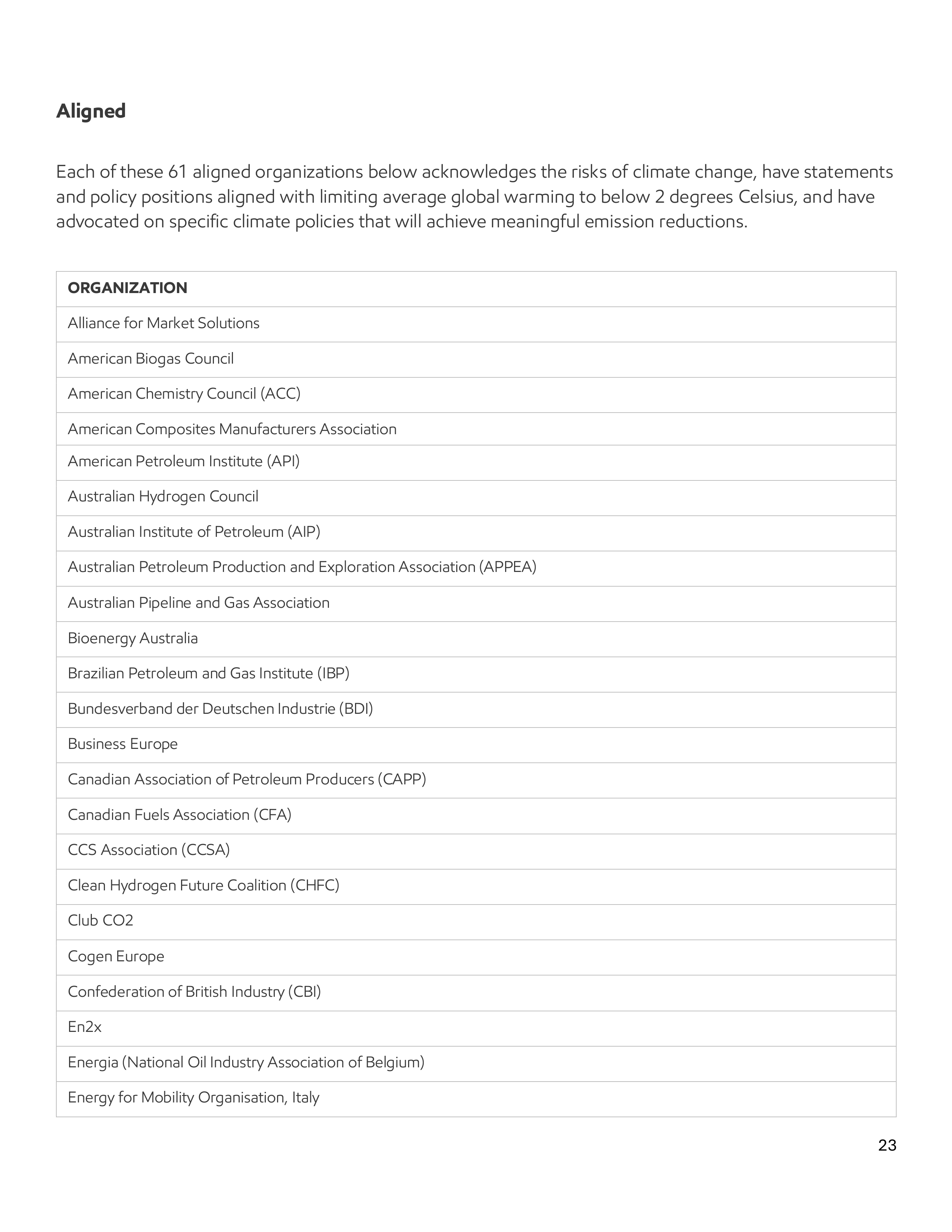
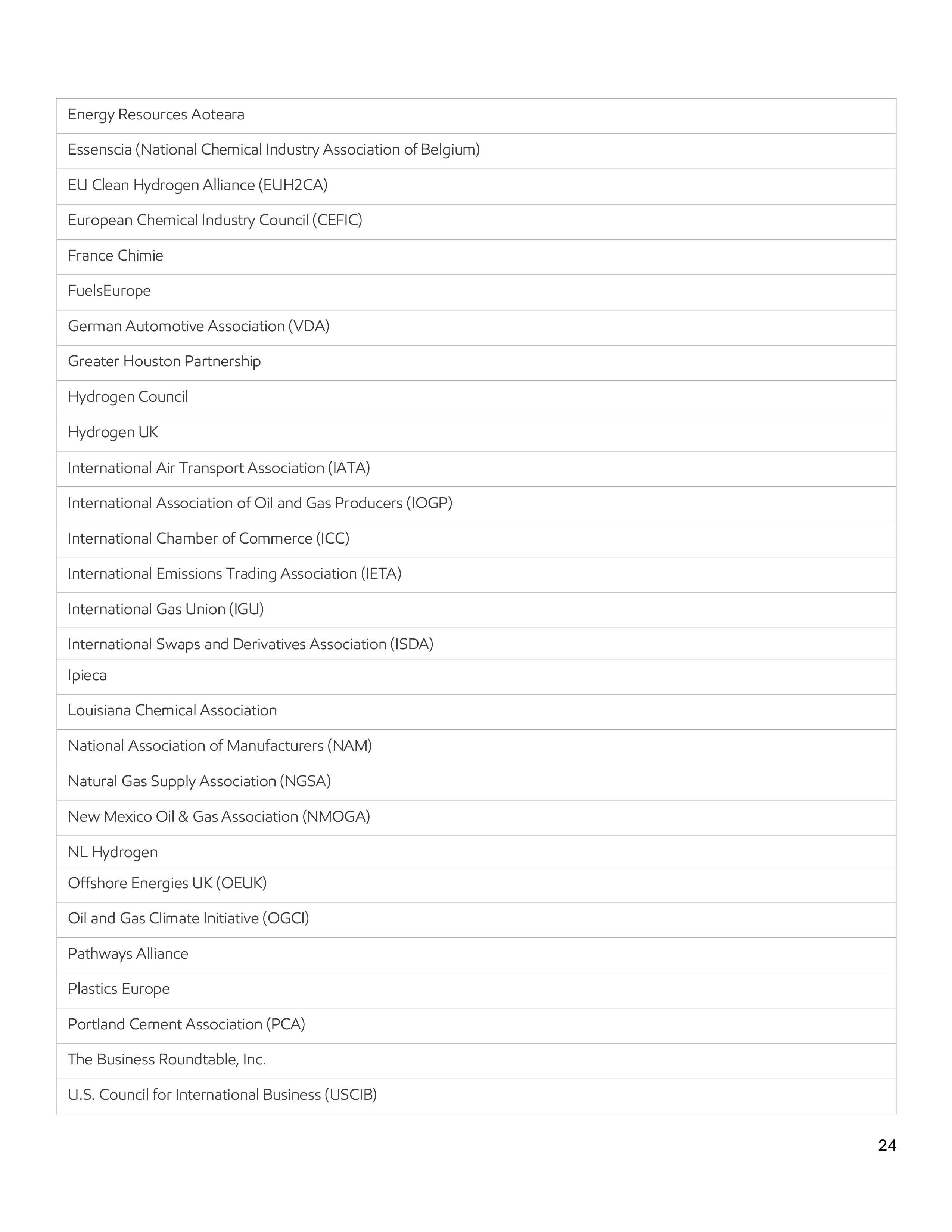
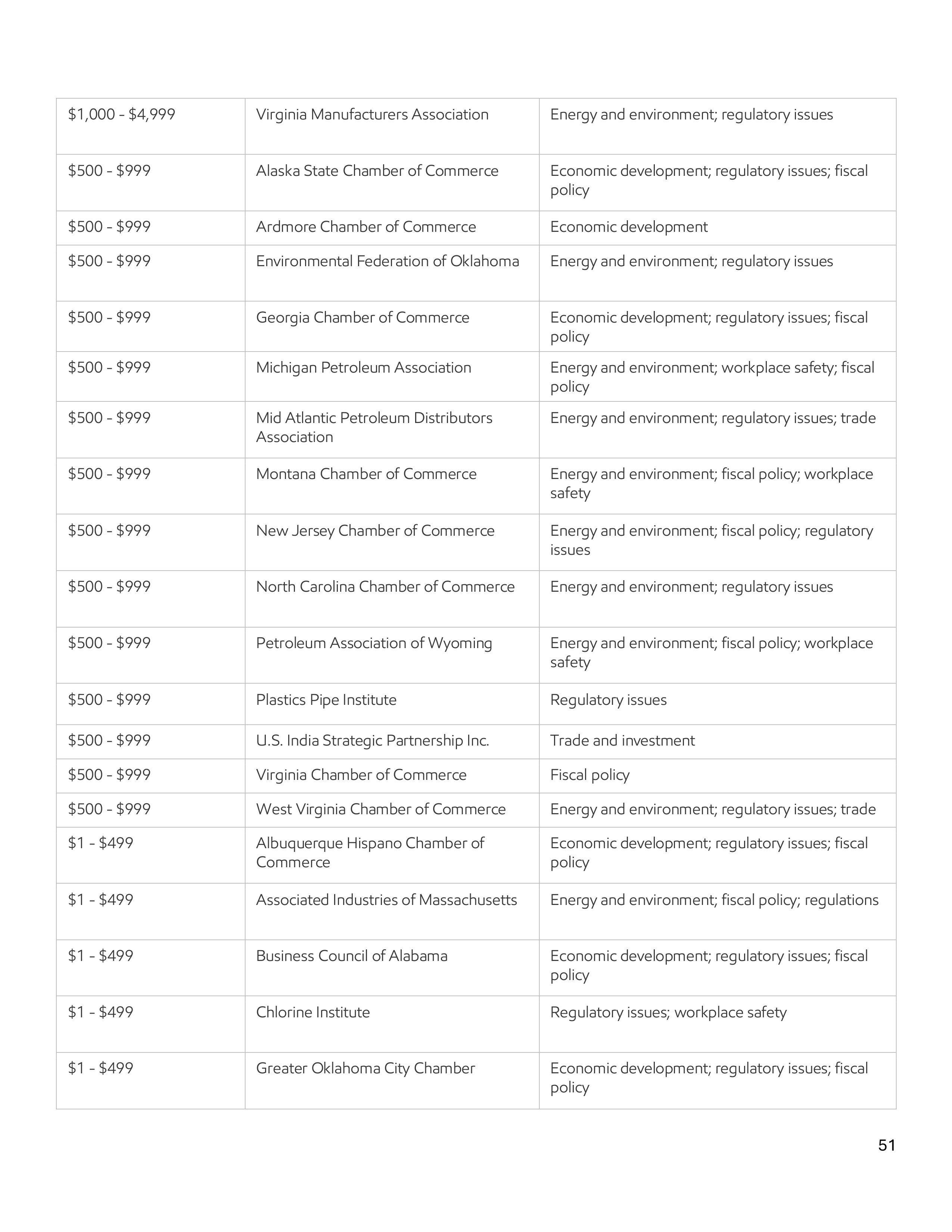
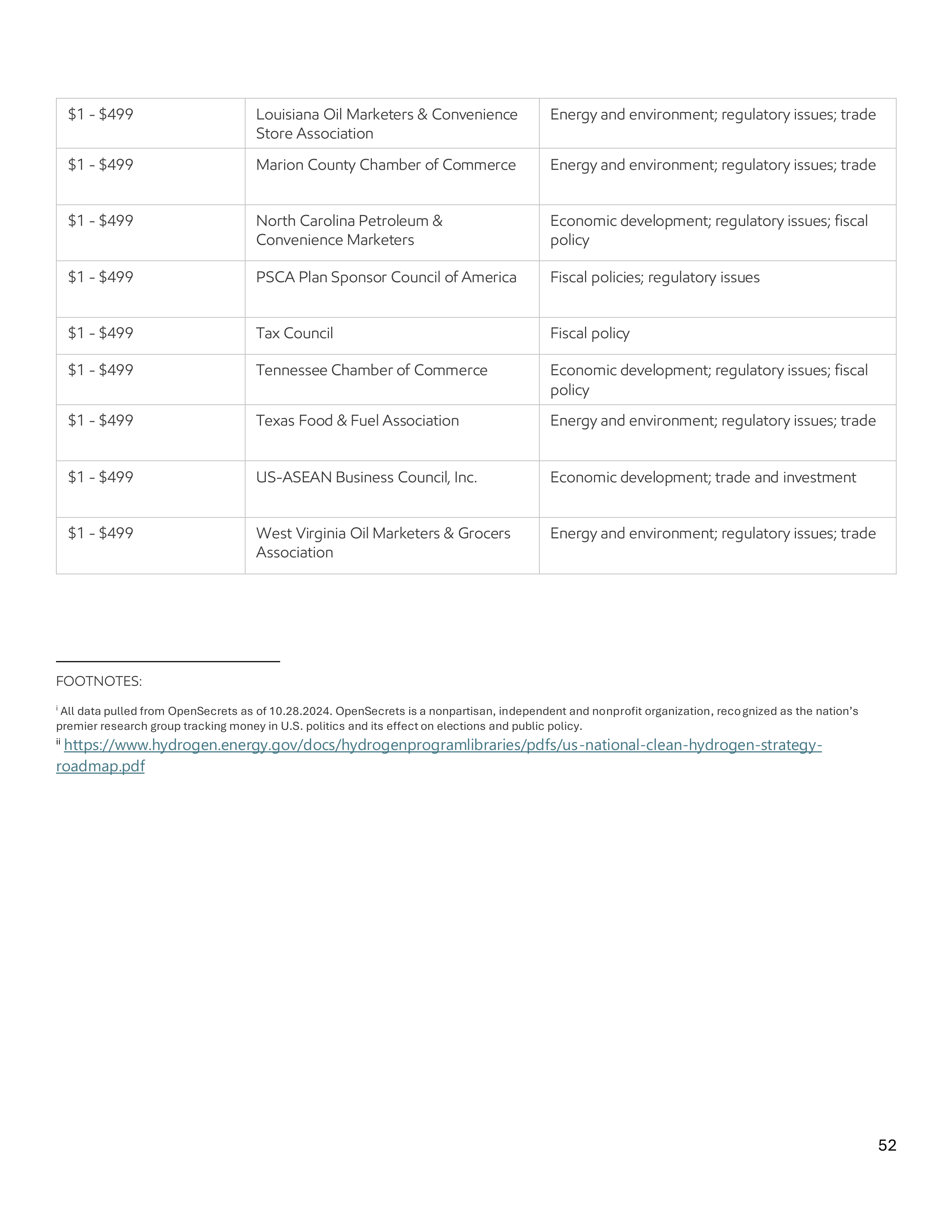
While some trade associations participate in the development of public policy, the majority of trade
associations are focused on other industry-specific issues, including developing and implementing safety
standards, sharing best practices, and professional development. Where trade associations do participate
in public policy, we strongly encourage them to support initiatives that we believe in. This includes the
goals of the Paris Agreement and support for cost-effective, technology-neutral emission-reduction
policies that will help society achieve a net-zero future while meeting global demand for energy products.
ExxonMobil’s participation often includes taking leadership positions on trade association boards, policy
committees and technical work groups, which provide valuable opportunities to learn from others and
share our positions and principles. It would be impractical to expect perfect alignment between
ExxonMobil’s policy positions and those of every trade association, and unreasonable to expect any
single member of a given association to ensure that was the case. Yet, we consistently communicate our
policy principles to the trade associations of which we are members.
It is important to note that there may be occasions where trade associations we are members of oppose
proposed legislation, regulation, or other public policy initiatives we support. This may be due to
disagreement on a specific element of the policy approach, rather than disagreement on the fundamental
need to address climate change and society’s ambition to achieve a net-zero future. We therefore do not
regard these situations necessarily as misalignment if the organization supports the need for action on
this critical societal issue. The organization may simply prefer an alternative approach for valid reasons
such as cost-effectiveness.
In assessing trade association memberships and any perceived policy misalignments, the company
considers potential risks related to shareholder relations, legal, financial and corporate reputation. While
we reserve the right to initiate, sustain or withdraw support for an organization at any time, several
principles guide our approach:
•
We believe our participation in trade associations enables us to effectively advocate for positions
we support, share our views, learn from other companies, and influence trade association policy
debates.
•
We do not expect nor require a third-party organization made up of dozens or even hundreds of
members to perfectly align with our views at all times.
•
Our support does not constitute an endorsement of every policy position or point of view
expressed by a recipient organization.
•
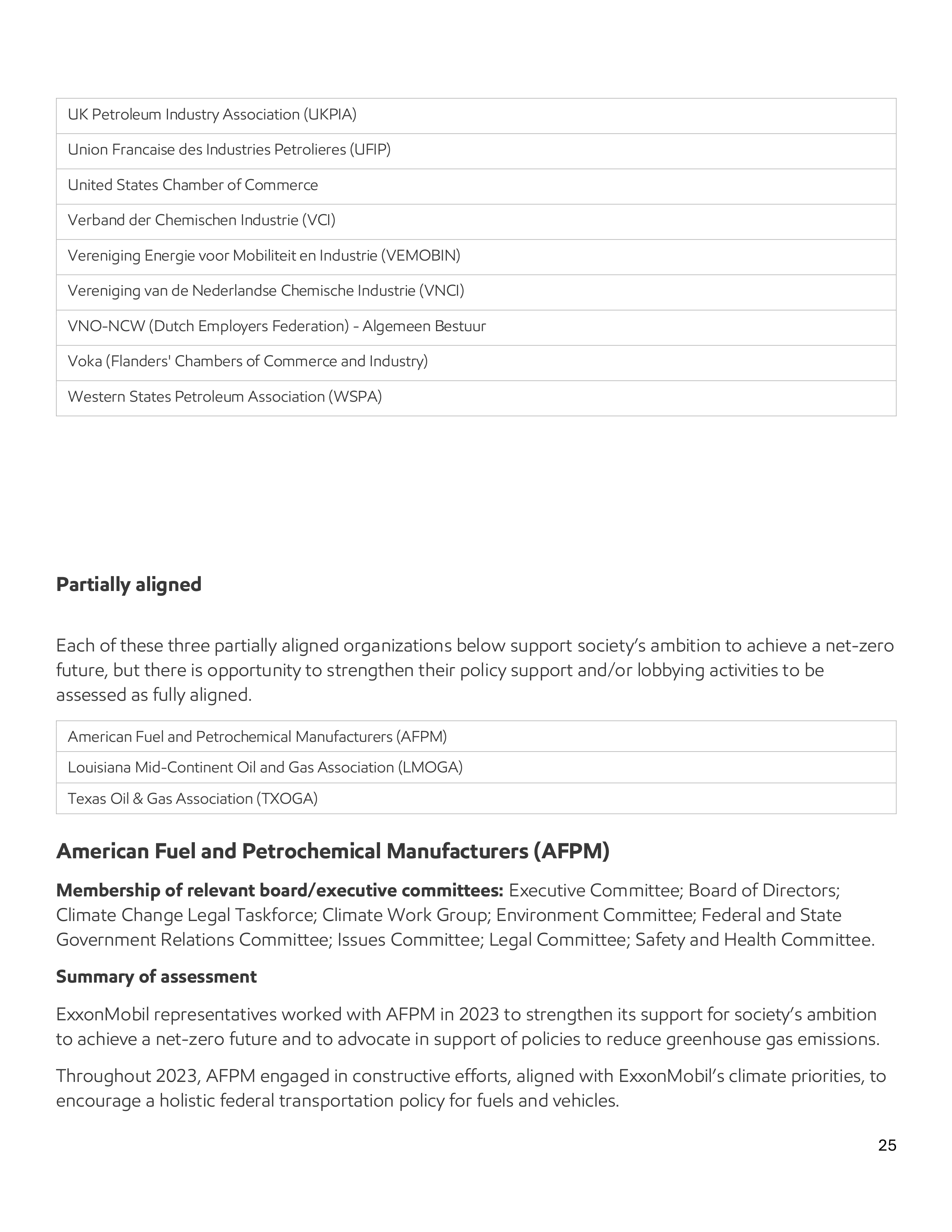
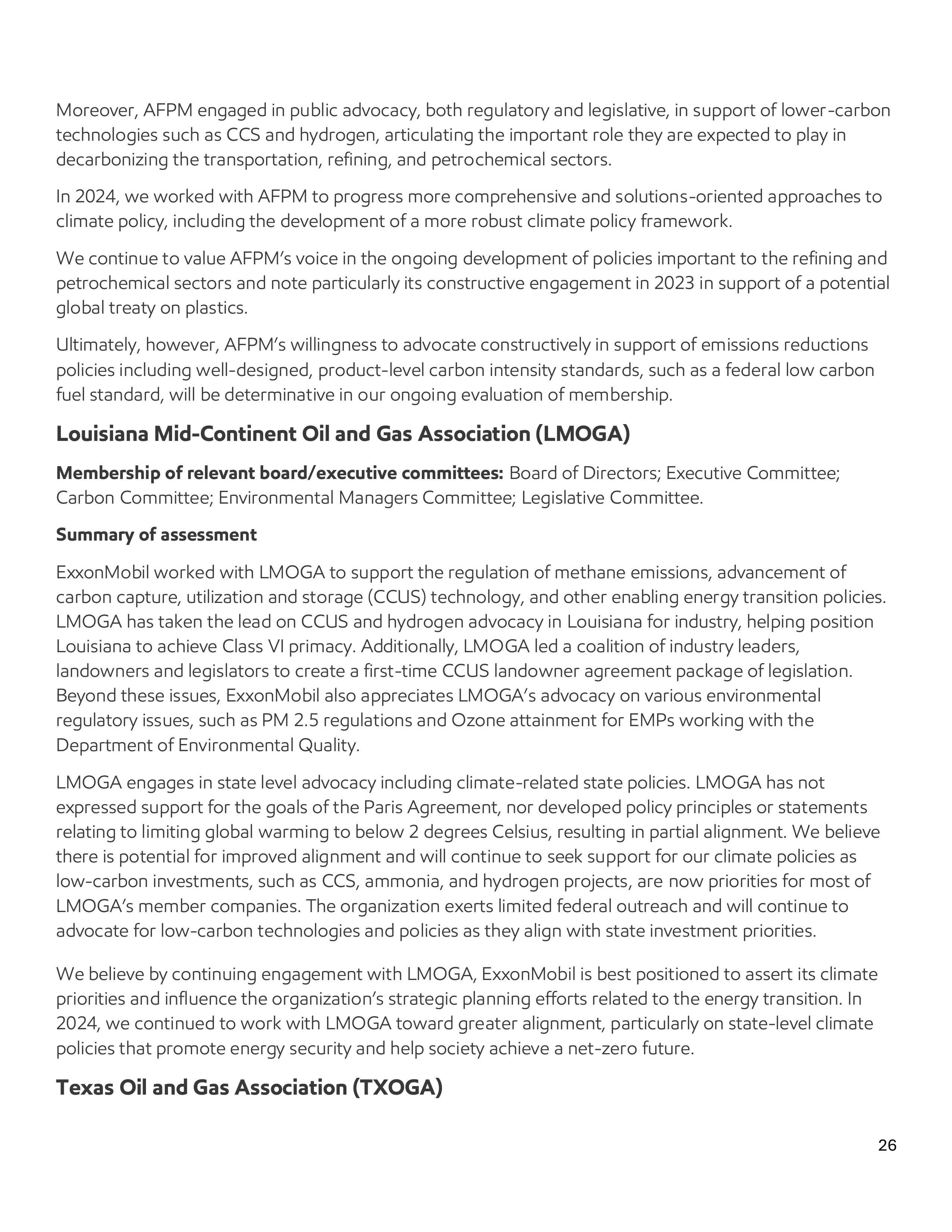
We regularly review our memberships for alignment on climate-related policy issues and other
topics. For those organizations deemed “partially aligned,” we find that – on balance and based on
a variety of areas of policy beyond climate-related issues – there are sufficient net positive benefits
for ExxonMobil to maintain its membership at the time assessed. Where misalignment exists, we
will work within the organization to achieve alignment and advance, to the extent possible,
support for our energy transition priorities. Where we fail to see sufficient alignment across critical
issues, or where an organization is not committed to engaging constructively, we may choose to
cease membership.