

Available online at
www.sciencedirect.com
ScienceDirect
Procedia Computer Science 231 (2024) 212–220
www.elsevier.com/locate/procedia
1877-0509 © 2024 The Authors. Published by Elsevier B.V.
This is an open access article under the CC BY-NC-ND license (
http://creativecommons.org/licenses/by-nc-nd/4.0/
)
Peer-review under responsibility of the Conference Program Chairs.
10.1016/j.procs.2023.12.195
The 14th International Conference on Emerging Ubiquitous Systems and Pervasive Networks
(EUSPN 2023)
November 7-9, 2023, Almaty, Kazakhstan
AI and Computer Vision-based Real-time Quality Control: A
Review of Industrial Applications
Abdelfatah Ettalibi
a
, Abdelmajid Elouadi
a
, Abdeljebar Mansour
b,c,*
a
National School of Applied Sciences-Kenitra (ENSAK), Ibn Tofail University, Kenitra Morocco
b
SIGL Laboratory, ENSATE, Abdelmalek Essaadi University, Tetouan 93000, Morocco
c
NEST Research Group, LRI Laboratory, ENSEM, Hassan II University of Casablanca, Casablanca, Morocco
Abstract
Computer Vision (CV) provides computers with the ability to perceive, analyze, and understand the content of images and
videos. The applications are numerous and range from medical diagnosis to industrial quality control and special effects. CV uses
different technologies and techniques to extract relevant information from a large number of images acquired via Machine Vision
(MV) components. In industry, CV and MV are combined for trustworthy inspection of high-end products, quality control, and
data collection applications. In this article, first, we present the CV and MV with a focus on the convenient artificial intelligence
tools that may bused, such as machine & deep learning, and also the common color recognition methods. Second, we consider
two industrial applications of artificial vision, especially CV, in real-time quality control to review their scientific valorization
based on the primary findings of the studies carried out. Finally, we critically analyzed their findings to identify shortcomings,
make recommendations, and open up new horizons for future research.
© 2024 The Authors. Published by Elsevier B.V.
This is an open access article under the CC BY-NC-ND license (
http://creativecommons.org/licenses/by-nc-nd/4.0/
)
Peer-review under responsibility of the Conference Program Chairs.
Keywords:
Computer vision; Artificial intelligence; AI; Machine learning; ML; Deep learning; DL; Machine vision; Real-time quality control;
Industry 4.0; Quality 4.0.
* Corresponding author.
E-mail address:
abdeljebar.mansour@uae.ac.ma
Abdelfatah Ettalibi et al. / Procedia Computer Science 231 (2024) 212–220
213
1.
Introduction
Nowadays, Computer Vision (CV) techniques continue gaining unprecedented importance in our daily life
applications. Nevertheless, according to the latest Gartner Hype Cycle 2023 [1], especially concerning Artificial
Intelligence (AI) tools, CV is closely reaching the ultimate productivity plateau. Therefore, it will certainly
experience great expansion in the field of industry. Currently, CV already has an important role in the industrial
sector, particularly in providing automated inspection capabilities as part of quality control procedures. However,
the world of automation is becoming increasingly complex. Industry 4.0, the Internet of Things (IoT), cloud
computing, AI, Machine Learning (ML), and many other technologies are presenting vision system users and
developers with major challenges in choosing the right and best-suited system for their respective applications [2].
Indeed, with rapid developments in many areas, such as Machine Vision (MV) techniques, CMOS sensors,
embedded MV, ML, Deep Learning (DL), robotic interfaces, data transmission standards, and MV capabilities,
technology offers benefits to manufacturing on many levels [3]. Indeed, new MV techniques are creating new
application potentials. Hyperspectral imaging vision can provide information on the chemical composition of
processed materials. Computer imaging allows a series of images to be combined in different ways to bring out
details that are impossible to see with conventional MV techniques. Further, polarization cameras can display
stresses in materials. Other developments in MV are enabling improved performance, integration, and automation in
the manufacturing industry. The degree of integration can range from assisting in manual assembly to full
integration into original equipment manufacturers due to the high demands of Industry 4.0.
To ensure that customer satisfaction remains impeccable, the industry must be able to innovate, accelerate, and
continuously improve; but above all, it must not lose its assets. If the industry's development is not accompanied by
the development of the quality function, this apparent progress risks being to the detriment of product quality, and
therefore of the customer experience. We must not ignore “Quality 4.0”, which must be to “Industry 4.0” what
quality was to Industry 3.0. Therefore, it is a matter of moving quality controls from paper to the cloud, from the
previous technological generation to the current one. The context may change, but the purpose must remain the
same. Digital tools now enable organizations to engage more immediately and personally with their contractors,
suppliers, and customers—their entire ecosystem. While Keeping in mind the growth that AI can ensure in
empowering businesses [4].
For real-time coordination, customer engagement, and streamlined reporting, new technologies have become a
guarantee of strong relationships. In addition, by domino effect, overall quality and risk prevention. Where human
control is ideal for the qualitative interpretation of a complex and unstructured scene. MV excels in the quantitative
measurement of a structured scene due to its speed, accuracy, and repeatability. For instance, on a production line,
an MV system can inspect hundreds or even thousands of parts per minute. Further, such a system with appropriate
optics and camera resolution can easily inspect objects that are invisible to the naked eye [5].
Afterward, this research study aims to provide the scientific community with an overview of the use of CV &
MV in real-world industrial applications. The rest of this article is organized as follows: In Section 2 we will give a
background on AI, CV, MV, and the key technologies & techniques used in CV (such as ML, DL, and color
detection & measurement) while describing the design of an MV system. Then, we exhibit two industrial
applications of CV in Section 3 and discuss their results with critical analysis. The first application is for real-time
quality monitoring and the second is for bolts & screws inspection. Finally, we conclude this research work in
Section 4 while providing fresh insights into potential future work directions.
2.
Background
2.1.
Artificial Intelligence (AI)
AI is a subfield of computer science that deals with the development of intelligent agents, or autonomous
reasoning, learning, and acting systems. Effective methods for resolving a variety of issues, from the game playing
to medical diagnosis, have been developed using AI. Indeed, the creation of both ML & DL algorithms has been one
of the most significant developments in AI. AI systems can learn from data using ML/DL techniques without having
to be explicitly designed or programmed. Today, a wide number of applications employ AI, such as manufacturing,
214
Abdelfatah Ettalibi et al. / Procedia Computer Science 231 (2024) 212–220
transportation, healthcare, retail, and customer service. Notably, in manufacturing applications concerned by the
current research study, automation of industrial procedures, enhanced quality assurance, and maintenance
forecasting are all made possible by AI. For instance, robots equipped with AI can carry out monotonous or
hazardous human duties.
2.2.
Computer Vision (CV) vs. Machine Vision (MV)
CV is a branch of AI that allows computers and systems to extract meaningful information from digital images or
photos, videos, and various other visual inputs — and then act or recommend on that information [6]. Further, CV
uses a large amount of data to perform analyses leading to the distinction and then recognition of images. To do so,
CV uses one of the most effective types of ML algorithms which is DL; more especially, Convolutional Neural
Networks (CNNs). However, MV is a subset of CV, which refers to the study of methods and techniques whereby
artificial vision systems can be constructed and usefully employed in practical applications. The introduction of MV
to industrial processes is often motivated by a desire to reduce costs by increasing efficiency (and so productivity),
reducing errors (and so improving quality), or gathering data. Equally importantly, it may also substitute for an
absence of available skilled labor or release workers from dangerous, demanding, or fatiguing industrial activities.
In the past, the definition of the term has been somewhat unclear, however more recently “MV” has, largely de
facto, come to be understood as the practical realization of image understanding, or more specifically CV
techniques, to help solve practical industrial problems that involve a significant visual component. The more recent
emphasis on the marriage between MV and ML, which has so revolutionized the discipline, has been made possible
by transformative developments in the field of AI and has served to move some machine vision capabilities closer to
that of human vision a long unmet ambition that has existed since the early days of CV as far back as the 1960s [7].
Moreover, we will describe in the next subsection the main components of Machine Vision Systems (MVSs).
2.3.
Design of MVSs
MVSs, which serve manufacturing applications like quality control, use image processing and operate on a set of
rules and parameters. The main components of an MVS are lighting, optics, image sensors, vision processing, and
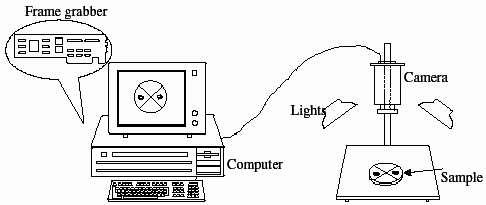
communications. The lighting illuminates the part to be inspected so that its features stand out and can be precisely
seen by the camera (Cf. Fig. 1). The optics acquire an image and then present it to the sensor in the form of light.
The sensor of an MV Camera converts this light into a digital image that is sent to the processor for analysis.
Therefore, we can split the system into three main components: i) Illumination, ii) Image capturing, and iii)
Image processing. Illumination systems play an important role in the quality of the image because it is the light that
makes objects visible an appropriate illumination of the visual task allows for an efficient vision. Front- or back-
lighting are two categories for lighting configurations. Backlighting is used to highlight the backdrop of the object,
whilst front lighting acts as illumination focused on the object enabling improved identification of exterior surface
elements of the product. In addition to incandescent and fluorescent lighting, lasers, X-ray tubes, and infrared lights
are also utilized [8]. In addition, the samples are seen and the pictures are produced using image-capturing tools or
sensors. Scanners, ultrasounds, X-rays, and near-infrared spectroscopy are a few of the tools or sensors used to
create pictures.
However, in machine vision, image sensors are often solid-state Charged Coupled Devices (CCD), or cameras,
with a few applications utilizing thermionic tube devices. With the advent of digital cameras, there is no longer a
need for a separate component to convert pictures captured by CCD cameras, photographic cameras, or other
sensors to a format that computer processors can understand. Due to their varied resolution, digital camera photos
retain their characteristics with minimum noise. Additionally, a computer is used to import and transform the
acquired or taken photographs into digital images. Digital images, despite appearing as pictures on the screen, are
real numbers that may be read by a computer and transformed into small dots or picture components that represent
the actual things [3]. For instance, we can use them as input for authentication systems in different domains such as
the ones developed in [9] and [10].
Abdelfatah Ettalibi et al. / Procedia Computer Science 231 (2024) 212–220
215
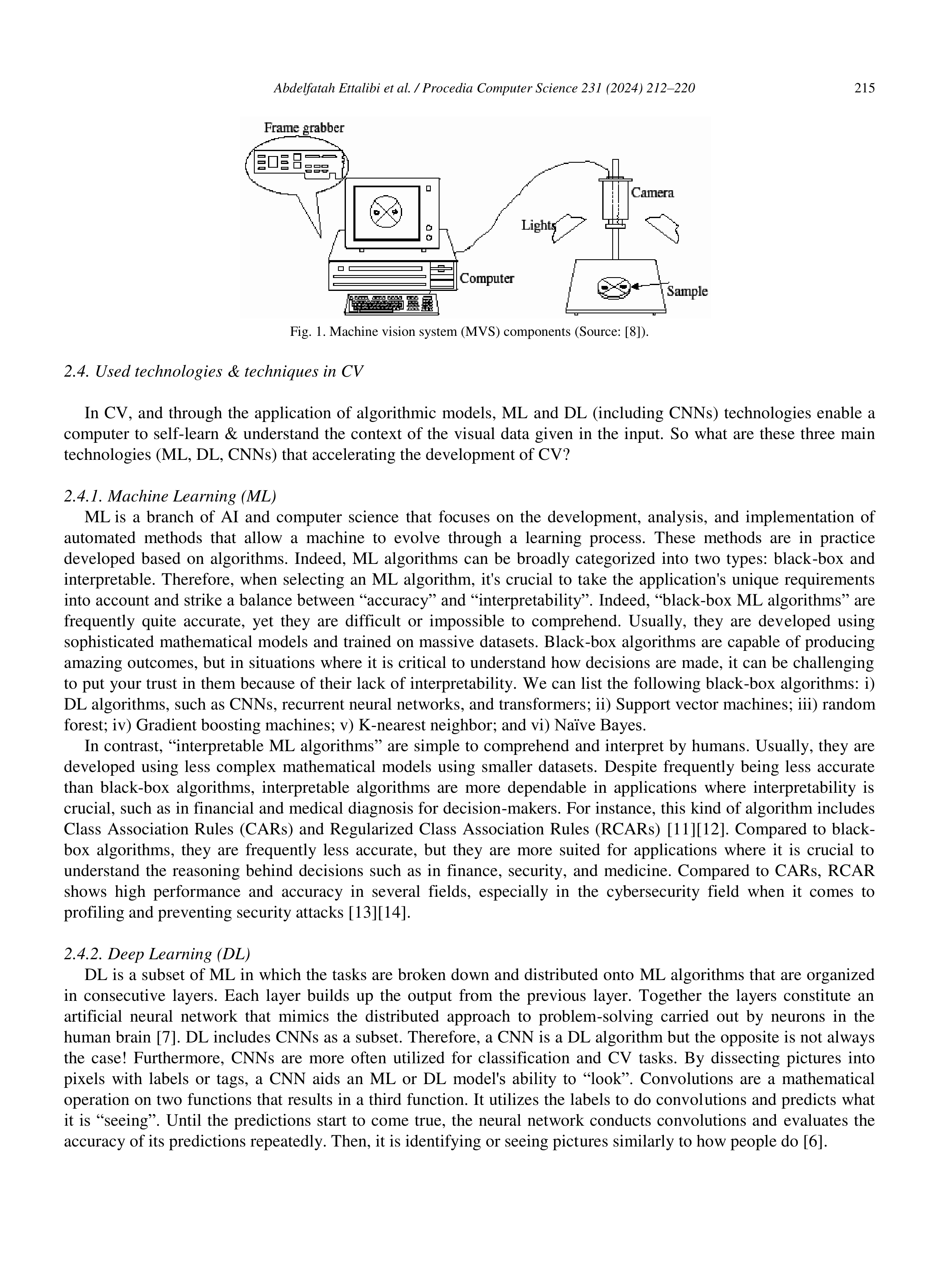
Fig. 1. Machine vision system (MVS) components (Source: [8]).
2.4.
Used technologies & techniques in CV
In CV, and through the application of algorithmic models, ML and DL (including CNNs) technologies enable a
computer to self-learn & understand the context of the visual data given in the input. So what are these three main
technologies (ML, DL, CNNs) that accelerating the development of CV?
2.4.1.
Machine Learning (ML)
ML is a branch of AI and computer science that focuses on the development, analysis, and implementation of
automated methods that allow a machine to evolve through a learning process. These methods are in practice
developed based on algorithms. Indeed, ML algorithms can be broadly categorized into two types: black-box and
interpretable. Therefore, when selecting an ML algorithm, it's crucial to take the application's unique requirements
into account and strike a balance between “accuracy” and “interpretability”. Indeed, “black-box ML algorithms” are
frequently quite accurate, yet they are difficult or impossible to comprehend. Usually, they are developed using
sophisticated mathematical models and trained on massive datasets. Black-box algorithms are capable of producing
amazing outcomes, but in situations where it is critical to understand how decisions are made, it can be challenging
to put your trust in them because of their lack of interpretability. We can list the following black-box algorithms: i)
DL algorithms, such as CNNs, recurrent neural networks, and transformers; ii) Support vector machines; iii) random
forest; iv) Gradient boosting machines; v) K-nearest neighbor; and vi) Naïve Bayes.
In contrast, “interpretable ML algorithms” are simple to comprehend and interpret by humans. Usually, they are
developed using less complex mathematical models using smaller datasets. Despite frequently being less accurate
than black-box algorithms, interpretable algorithms are more dependable in applications where interpretability is
crucial, such as in financial and medical diagnosis for decision-makers. For instance, this kind of algorithm includes
Class Association Rules (CARs) and Regularized Class Association Rules (RCARs) [11][12]. Compared to black-
box algorithms, they are frequently less accurate, but they are more suited for applications where it is crucial to
understand the reasoning behind decisions such as in finance, security, and medicine. Compared to CARs, RCAR
shows high performance and accuracy in several fields, especially in the cybersecurity field when it comes to
profiling and preventing security attacks [13][14].
2.4.2.
Deep Learning (DL)
DL is a subset of ML in which the tasks are broken down and distributed onto ML algorithms that are organized
in consecutive layers. Each layer builds up the output from the previous layer. Together the layers constitute an
artificial neural network that mimics the distributed approach to problem-solving carried out by neurons in the
human brain [7]. DL includes CNNs as a subset. Therefore, a CNN is a DL algorithm but the opposite is not always
the case! Furthermore, CNNs are more often utilized for classification and CV tasks. By dissecting pictures into
pixels with labels or tags, a CNN aids an ML or DL model's ability to “look”. Convolutions are a mathematical
operation on two functions that results in a third function. It utilizes the labels to do convolutions and predicts what
it is “seeing”. Until the predictions start to come true, the neural network conducts convolutions and evaluates the
accuracy of its predictions repeatedly. Then, it is identifying or seeing pictures similarly to how people do [6].
216
Abdelfatah Ettalibi et al. / Procedia Computer Science 231 (2024) 212–220
2.4.3.
Color detection and measurement
To give more insight into how color detection works in image processing, we took the example of CV in food
color measurement. Color is the first quality attribute of food evaluated by consumers. We systematically think:
“This yellow dessert is going to have a nice vanilla flavor, or this meat is a nice red color that means freshness”. As
a result, rapid measurement of food color is required in the quality control of food. The human eye distinguishes
colors according to the varying sensitivity of different cone cells in the retina to light of different wavelengths.
There are three types of color photoreceptor cells (cones) for humans with sensitivity peaks in short (bluish,
420e440 nm), middle (greenish, 530e540 nm), and long (reddish, 560e580 nm) wavelengths [15].
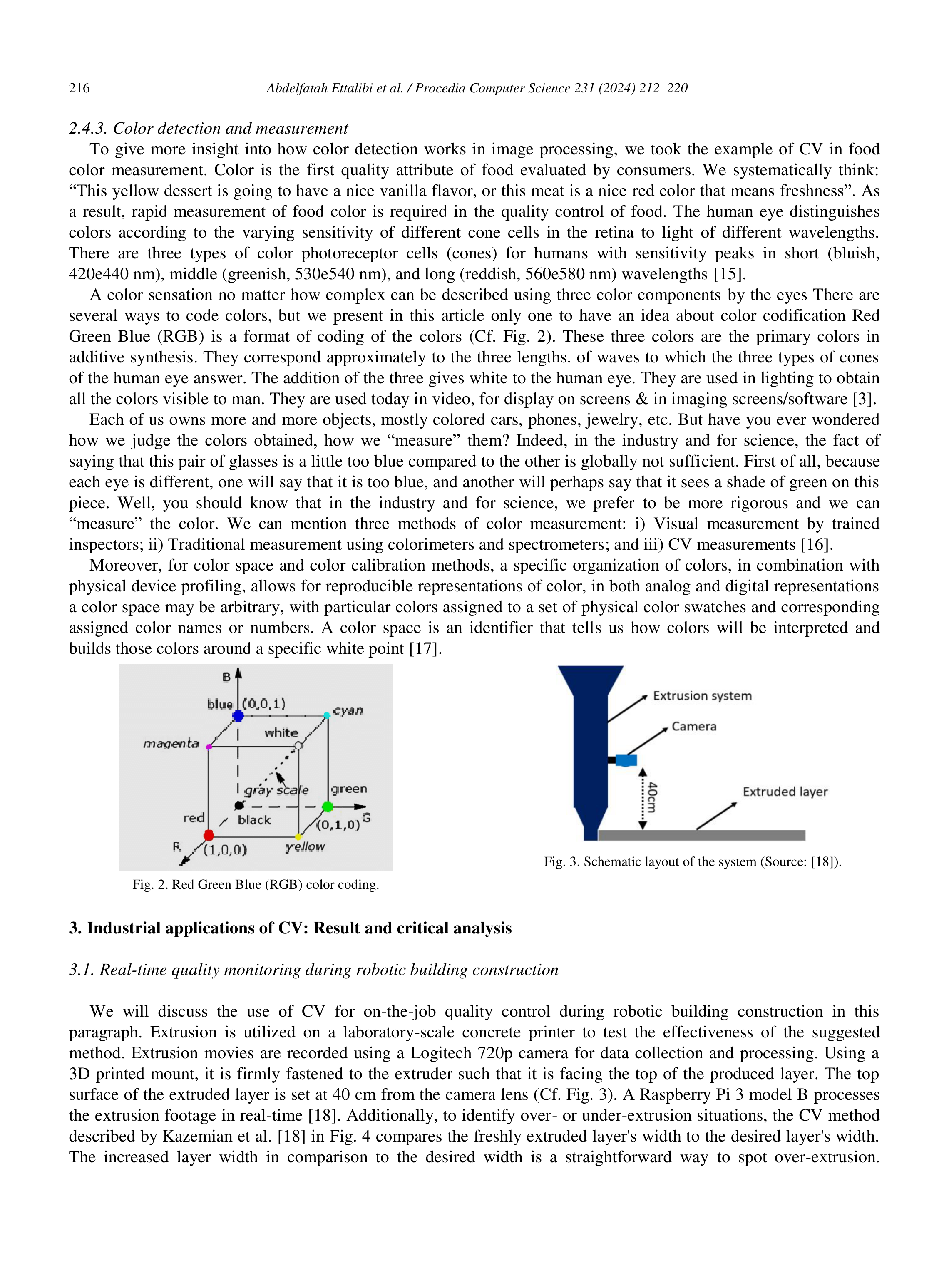
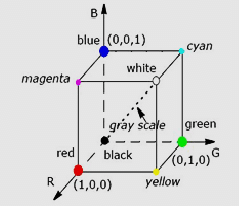
A color sensation no matter how complex can be described using three color components by the eyes There are
several ways to code colors, but we present in this article only one to have an idea about color codification Red
Green Blue (RGB) is a format of coding of the colors (Cf. Fig. 2). These three colors are the primary colors in
additive synthesis. They correspond approximately to the three lengths. of waves to which the three types of cones
of the human eye answer. The addition of the three gives white to the human eye. They are used in lighting to obtain
all the colors visible to man. They are used today in video, for display on screens & in imaging screens/software [3].
Each of us owns more and more objects, mostly colored cars, phones, jewelry, etc. But have you ever wondered
how we judge the colors obtained, how we “measure” them? Indeed, in the industry and for science, the fact of
saying that this pair of glasses is a little too blue compared to the other is globally not sufficient. First of all, because
each eye is different, one will say that it is too blue, and another will perhaps say that it sees a shade of green on this
piece. Well, you should know that in the industry and for science, we prefer to be more rigorous and we can
“measure” the color. We can mention three methods of color measurement: i) Visual measurement by trained
inspectors; ii) Traditional measurement using colorimeters and spectrometers; and iii) CV measurements [16].
Moreover, for color space and color calibration methods, a specific organization of colors, in combination with
physical device profiling, allows for reproducible representations of color, in both analog and digital representations
a color space may be arbitrary, with particular colors assigned to a set of physical color swatches and corresponding
assigned color names or numbers. A color space is an identifier that tells us how colors will be interpreted and
builds those colors around a specific white point [17].
Fig. 2. Red Green Blue (RGB) color coding.
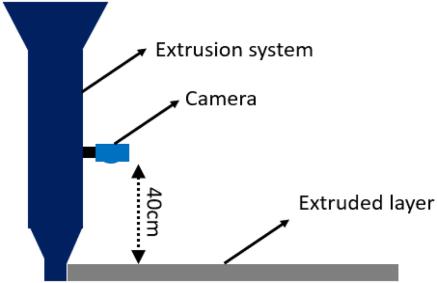
Fig. 3. Schematic layout of the system (Source: [18]).
3.
Industrial applications of CV: Result and critical analysis
3.1.
Real-time quality monitoring during robotic building construction
We will discuss the use of CV for on-the-job quality control during robotic building construction in this
paragraph. Extrusion is utilized on a laboratory-scale concrete printer to test the effectiveness of the suggested
method. Extrusion movies are recorded using a Logitech 720p camera for data collection and processing. Using a
3D printed mount, it is firmly fastened to the extruder such that it is facing the top of the produced layer. The top
surface of the extruded layer is set at 40 cm from the camera lens (Cf. Fig. 3). A Raspberry Pi 3 model B processes
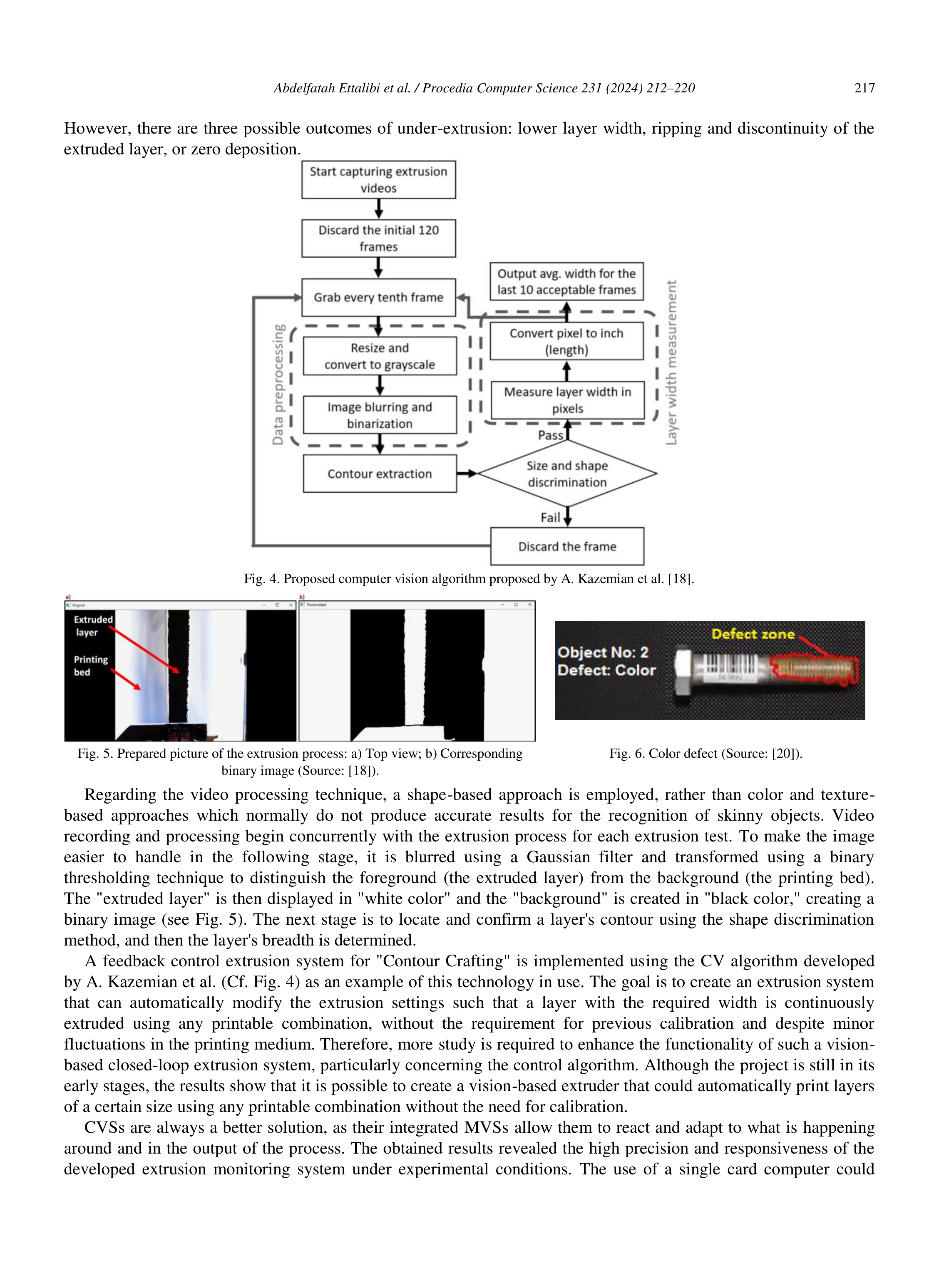
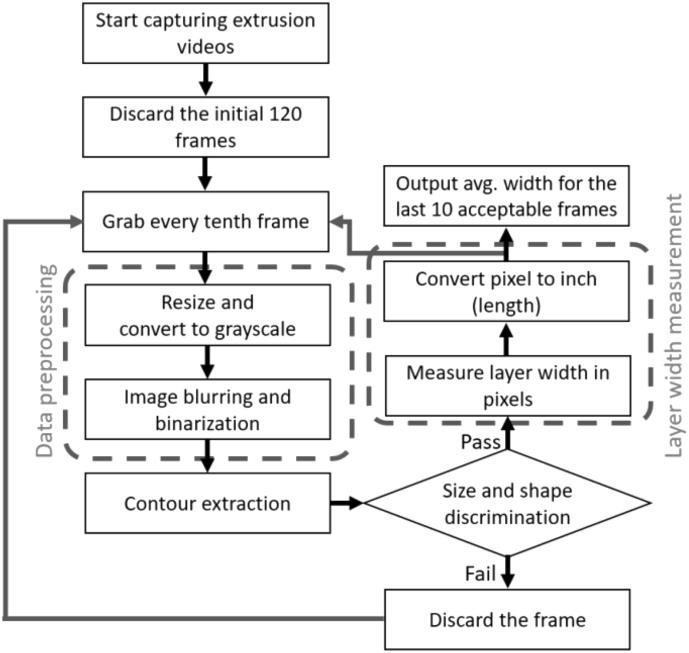
the extrusion footage in real-time [18]. Additionally, to identify over- or under-extrusion situations, the CV method
described by Kazemian et al. [18] in Fig. 4 compares the freshly extruded layer's width to the desired layer's width.
The increased layer width in comparison to the desired width is a straightforward way to spot over-extrusion.
Abdelfatah Ettalibi et al. / Procedia Computer Science 231 (2024) 212–220
217
However, there are three possible outcomes of under-extrusion: lower layer width, ripping and discontinuity of the
extruded layer, or zero deposition.
Fig. 4. Proposed computer vision algorithm proposed by A. Kazemian et al. [18].
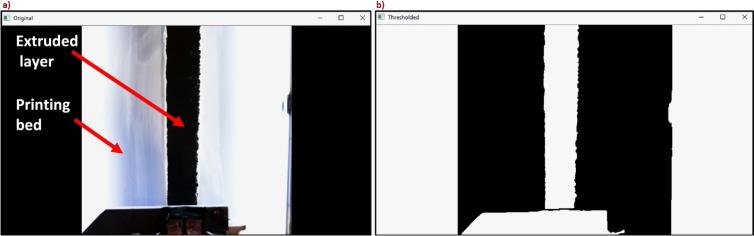
Fig. 5. Prepared picture of the extrusion process: a) Top view; b) Corresponding
binary image (Source: [18]).
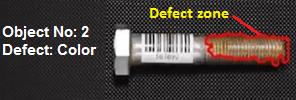
Fig. 6. Color defect (Source: [20]).
Regarding the video processing technique, a shape-based approach is employed, rather than color and texture-
based approaches which normally do not produce accurate results for the recognition of skinny objects. Video
recording and processing begin concurrently with the extrusion process for each extrusion test. To make the image
easier to handle in the following stage, it is blurred using a Gaussian filter and transformed using a binary
thresholding technique to distinguish the foreground (the extruded layer) from the background (the printing bed).
The "extruded layer" is then displayed in "white color" and the "background" is created in "black color," creating a
binary image (see Fig. 5). The next stage is to locate and confirm a layer's contour using the shape discrimination
method, and then the layer's breadth is determined.
A feedback control extrusion system for "Contour Crafting" is implemented using the CV algorithm developed
by A. Kazemian et al. (Cf. Fig. 4) as an example of this technology in use. The goal is to create an extrusion system
that can automatically modify the extrusion settings such that a layer with the required width is continuously
extruded using any printable combination, without the requirement for previous calibration and despite minor
fluctuations in the printing medium. Therefore, more study is required to enhance the functionality of such a vision-
based closed-loop extrusion system, particularly concerning the control algorithm. Although the project is still in its
early stages, the results show that it is possible to create a vision-based extruder that could automatically print layers
of a certain size using any printable combination without the need for calibration.
CVSs are always a better solution, as their integrated MVSs allow them to react and adapt to what is happening
around and in the output of the process. The obtained results revealed the high precision and responsiveness of the
developed extrusion monitoring system under experimental conditions. The use of a single card computer could
218
Abdelfatah Ettalibi et al. / Procedia Computer Science 231 (2024) 212–220
limit the performance of the system implemented is miniaturized. Connectors, which are often the cause of
problems, are present in small numbers in these systems. This increases reliability but makes repairs difficult or
impossible. Perhaps with the use of embedded computers, we could have better results in less time and also make
calculations that will improve the quality of the extrusion more by increasing the size of the sample implemented
because an embedded system typically controls the physical operations of the machine that it is embedded within, it
often has real-time computing constraints. Embedded systems control many devices in common use today.
Moreover, for a better quality vision in real-time rendering, we can further consider the three-dimensional (3D)
Gaussian splatting for real-time radiance field rendering developed by B. Kerbl et al. [19].
3.2.
Inspection of bolts and screws in production line based on CV
In this subsection, we present the result of the study of the application of CV in the inspection of bolts and screws
performed by J. Rajan et al. [20]. As a result, AI cameras were used to take a picture of the thing that would be
subjected to a vision system inspection. An “analog image” is transformed into a “digital image” by sampling and
quantization. Pre-processing is the following phase, which prepares the picture for subsequent processing. The pre-
processed picture is used as the starting point for the segmentation process, which streamlines the image
representation into a more acceptable format for processing. An Intel “
N
eural
C
ompute
S
tick (
NCS
)” for edge
processing was the acceleration hardware employed in their investigation. The object-oriented programming
languages Python and C++ were combined to create the coding language since Python was created to do so. A
camera module with "infrared light-emitting diodes," which generate infrared light and have an internal vision focus,
is used to identify flaws in the item. Although Solid Works was used to create the hardware outcasing.
The camera input data are translated into binary data for subsequent processing and are similar to the visual data
that are typically recognized by human eyes. This entire procedure was carried out on a machine equipped with an
Intel NCS, a vision sensor, and a microcontroller to store data and carry out the related duty of identifying the flaws.
A small and fanless gadget called the Intel Neural computing stick may be used to learn AI programming at the
edge. “The microcontroller is enabled for IoT tasks that can be performed based on the defect,” claim John Rajan et
al. [20]. Further, the manufacturing line's bolts are taken by the camera as they pass beneath it, analyzed further by
the system, and the defective bolts are identified and eliminated. Therefore, we can split defects into three
categories: i) Color defect; ii) Orientation defect; and ii) Crack defect.
Issues with the production process or deterioration of the data flow when using the neural model to discover the
color defect on the bolt as it moves through the quality testing area are what mostly cause color faults. The contours
are created and a signal is delivered by the microcontroller to separate it when the fault is confirmed as a value over
the threshold mark (Cf. Fig. 6). However, one of the most frequent Bolt faults is an orientation defect. The
misorientations in the bolt can be found using the CNN technique [16]. The flaws in the bolt are the disorientations.
The problematic bolts are identified as having orientation problems, and they are taken off the assembly line. Some
cracks are particularly challenging to find using traditional techniques, which is the third flaw, the crack defect. The
data flow as the bolt picture is sent through the neural model to detect the fracture while moving through the quality
testing region. To lessen visual distortion, the image was converted to grayscale. To make the bolt visible, blurring
is used. Edge detection is used to locate the contours and match them with common data. Finding the crack flaw is a
result of data change or mismatching.
To sum up, the active contour method used in this application is a type of segmentation technique that presents
some limitations. First, it can often get stuck in local minimum states; this may be overcome by using simulated
annealing techniques, which is the cause of computational complexity. Second, they often overlook minute features
in the process of minimizing the energy over the entire path of their contours. The third limitation is that accuracy is
governed by the convergence criteria, which is used in the energy minimization technique. Thus, higher accuracy
requires tighter convergence criteria and therefore longer computation times. The fourth weakness is revealed when
the image size is too large, hence this method works slowly. The two last points are that this method is not capable
of segmenting the nearest objects and is not so good for video-related operations.
Abdelfatah Ettalibi et al. / Procedia Computer Science 231 (2024) 212–220
219
4.
Conclusion
In this article, we provided an overview of the use of artificial intelligence technologies (such as machine/deep
learning and neural networks) and Computer Vision (CV) in industrial real-time quality control while considering
two cases of application (real-time quality monitoring during robotic building construction and inspection of bolts
and screws in production line). The results showed how CV is already part of our industrial processes, it improves
therefore our perception regarding the quality control of our products in real-time and enables us to more accurately
anticipate non-conformities and cut costs. Thereby, a critical analysis of the results of the two CV experiences in
industrial applications was conducted to identify the main limitations of the commonly used techniques & methods
in such cases. Today, the applications of CV are multiple, whether it is to help an operator identify non-conforming
parts, to assist an autonomous mobile robot in its displacements, or to analyze the behavior of objects in a defined
space. Indeed, as time goes by, we think it is necessary to make real case analyses near the already industrialized
processes to be able to overcome the limitations in future intelligent vision systems. Our future work directions
include the investigation of various ML & DL algorithms used in CV and their potential application in the case of
manufacturing automotive parts for more effective real-time control quality.
References
[1]
Perri, L. (2023, August 17). What’s New in Artificial Intelligence from the 2023 Gartner Hype Cycle.
Gartner
.
https://www.gartner.com/en/articles/what-s-new-in-artificial-intelligence-from-the-2023-gartner-hype-cycle
[2] Lee, J., Davari, H., Singh, J., & Pandhare, V. (2018). Industrial Artificial Intelligence for industry 4.0-based manufacturing systems.
Manufacturing letters
,
18
, 20-23. https://doi.org/10.1016/j.mfglet.2018.09.002
[3] Wu, D., & Sun, D. W. (2013). Colour measurements by computer vision for food quality control–A review.
Trends in Food Science &
Technology
,
29
(
1
), 5-20. https://doi.org/10.1016/j.tifs.2012.08.004
[4] Azmi, M., Mansour, A., & Azmi, C. (2023). A Context-Aware Empowering Business with AI: Case of Chatbots in Business Intelligence
Systems.
Procedia Computer Science
,
224
, 479-484.
[5] Lee, M., Yun, J. J., Pyka, A., Won, D., Kodama, F., Schiuma, G., ... & Zhao, X. (2018). How to respond to the fourth industrial revolution, or
the second information technology revolution? Dynamic new combinations between technology, market, and society through open innovation.
Journal of Open Innovation: Technology, Market, and
Complexity,
4
(
3
), 21. https://doi.org/10.3390/joitmc4030021
[6] IBM, What is computer vision? IBM topics (Accessed on Sept. 25, 2023). https://www.ibm.com/topics/computer-vision
[7] Smith, M. L., Smith, L. N., & Hansen, M. F. (2021). The quiet revolution in machine vision-a state-of-the-art survey paper, including
historical review, perspectives, and future directions.
Computers in Industry
,
130
, 103472. https://doi.org/10.1016/j.compind.2021.103472
[8] Narendra, V. G. & Hareesha, K. S. (2010). Prospects of computer vision automated grading and sorting systems in agricultural and food
products for quality evaluation.
International Journal of Computer Applications
,
1
(4): 1-9.
[9] Mansour, A., Sadik, M., & Sabir, E. (2015, November). Multi-factor authentication based on multimodal biometrics (MFA-MB) for Cloud
Computing. In 2015 IEEE/ACS 12th International Conference of Computer Systems and Applications (AICCSA) (pp. 1-4). IEEE.
[10] Mansour, A., Sadik, M., Sabir, E., & Jebbar, M. (2019). AMBAS: An autonomous multimodal biometric authentication system. International
Journal of Autonomous and Adaptive Communications Systems
,
12
(
3
), 187-217.
[11] Azmi, Mohamed, George C. Runger, and Abdelaziz Berrado (2019). Interpretable regularized class association rules algorithm for
classification in a categorical data space.
Information Sciences,
483
: 313-331.
[12] Azmi, M., & Berrado, A. (2015, October). Towards an interpretable rules ensemble algorithm for classification in a categorical data space.
In
2015 10th International Conference on Intelligent Systems: Theories and Applications (SITA)
(pp. 1-6). IEEE.
[13] Eddermoug, N., Mansour, A., Sadik, M., Sabir, E., & Azmi, M. (2023). klm-PPSA v. 1.1: machine learning-augmented profiling and
preventing security attacks in cloud environments. Annals of Telecommunications, 1-27.
[14] Eddermoug, N., Mansour, A., Sadik, M., Sabir, E., & Azmi, M. (2019, October). Klm-PPSA: Klm-based profiling and preventing security
attacks for cloud environments. In
2019 International Conference on Wireless Networks and Mobile Communications (WINCOM)
(pp. 1-7).
[15]
Hunt,
R.
W.
G.
(1995).
The
reproduction
of
Colour,
5th
Edition,
Fountain
Press
,
England.
[Available
from:
https://last.hit.bme.hu/download/firtha/video/Colorimetry/Hunt_Reproduction_of_Color.pdf]
[16] Rezagholi, F., & Hesarinejad, M. A. (2017). Integration of fuzzy logic and computer vision in intelligent quality control of celiac-friendly
products.
Procedia Computer Science
,
120
, 325–332. https://doi.org/10.1016/j.procs.2017.11.246
[17] Menesatti, P., Angelini, C., Pallottino, F., Antonucci, F., Aguzzi, J., & Costa, C. (2012). RGB color calibration for quantitative image
analysis: The “3D Thin-Plate Spline” warping approach.
Sensors
,
12
(
6
), 7063-7079. https://doi.org/10.3390/s120607063
[18] Kazemian, A., Yuan, X., Davtalab, O., & Khoshnevis, B. (2019). Computer vision for real-time extrusion quality monitoring and control in
robotic construction.
Automation in Construction
,
101
, 92–98. https://doi.org/10.1016/j.autcon.2019.01.022

220
Abdelfatah Ettalibi et al. / Procedia Computer Science 231 (2024) 212–220
[19] Kerbl, B., Kopanas, G., Leimkühler, T., & Drettakis, G. (2023). 3d gaussian splatting for real-time radiance field rendering.
ACM
Transactions on Graphics (ToG)
,
42
(
4
), 1-14.
[20] Rajan, A. J., Jayakrishna, K., Vignesh, T., Chandradass, J., & Kannan, T. T. M. (2021). Development of computer vision for inspection of
bolt using convolutional neural network.
Materials Today: Proceedings
,
45
, 6931-6935.